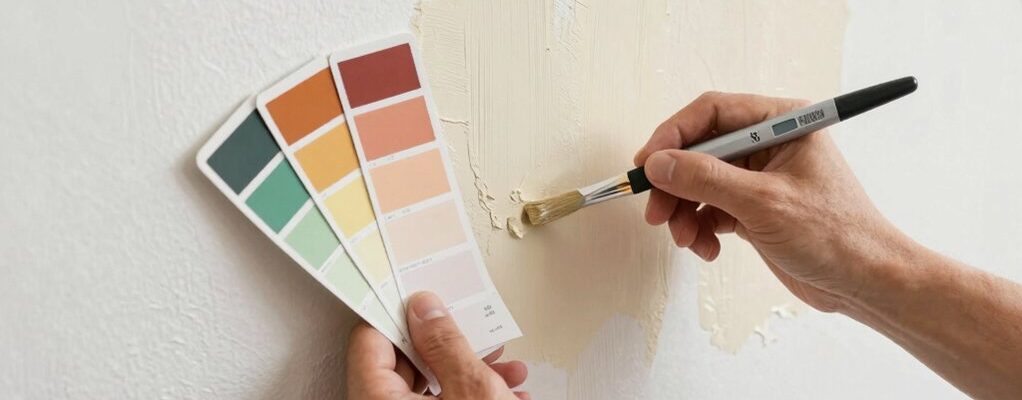
To match paint already on a wall, start by identifying the exact color and finish you’re aiming for. Use a color-matching tool or a calibrated spectrophotometer, and note the hue, value, chroma, and gloss level. Create controlled swatches and patches in representative lighting, then compare under consistent light sources. Document batch data, substrate, and sheen. Practice feathering and texture replication for seamless blending. If you pursue these steps, you’ll gain more precise, durable results.
Define a Successful Color Match and Finish
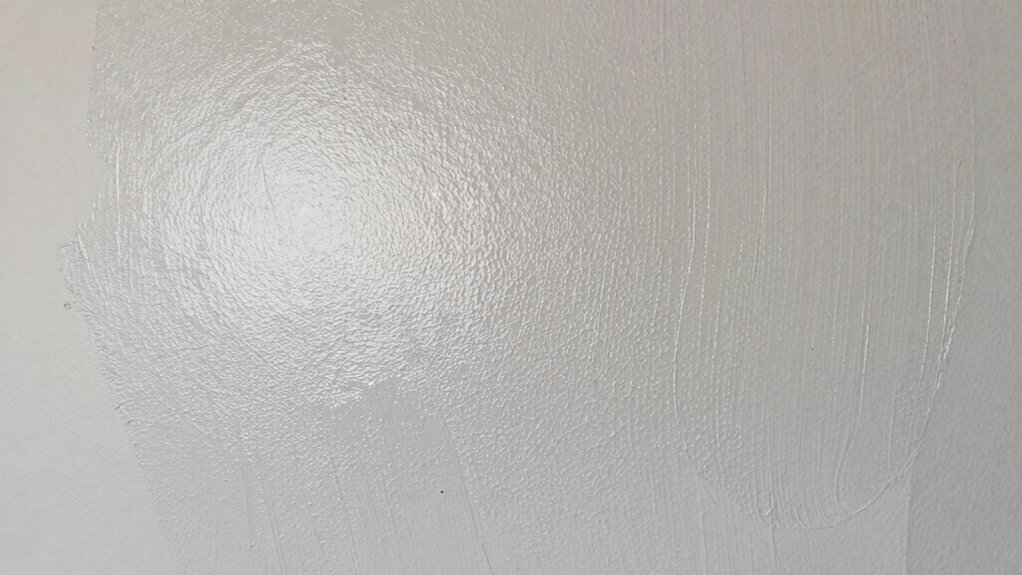
To define a successful color match and finish, you must establish objective criteria for both hue and sheen that align with the intended appearance under typical lighting conditions.
You’ll use color matching tools to quantify hue, chroma, and lightness, then confirm a matched appearance across wall areas or patches.
Pair this with an objective sheen specification that respects substrate, texture, and ambient light, ensuring consistency from distance and up close.
Document expected tolerances and pass/fail limits, and verify with standardized samples under representative fixtures.
Translate these criteria into paint formulation decisions, selecting additives and compatible bases to maintain stability and uniform gloss.
This disciplined approach fosters confidence, collaboration, and shared outcomes among team members and clients seeking reliable, readable results.
Identify the Exact Color and Finish
With a defined target for color and finish established, you proceed to identify the exact shade and gloss level that will meet the criteria. You assess the wall’s undertone and luminance, aligning them with your documented reference.
You apply color theory fundamentals to select a base hue and then adjust via tint power and black or white value to achieve the precise midtone. You translate those choices into a concrete finish specification, specifying gloss class, notched sheen, and surface texture compatibility.
You consider paint formulation constraints, ensuring the chosen system delivers stable color under expected illumination and environmental conditions. You verify compatibility with existing coating layers, documenting pigment load, binder type, and diffusion characteristics for reproducible results.
Safe Color-Testing Methods (Swatches, Patches, Lighting)
Safe color testing relies on controlled swatches, patches, and lighting to verify color accuracy before full-scale application. You establish a repeatable process: create swatches from the target formula, apply patches in representative wall zones, and compare under standardized conditions.
Emphasize color sampling under consistent ambient light, avoiding mixed or shifting daylight. Document each specimen’s batch, finish, and environmental notes to ensure traceability. Use a calibrated light source and steady viewer position during evaluation, and perform lighting adjustments to simulate real conditions without overcorrecting.
This method minimizes misreads caused by glare or surface texture. When decisions hinge on perception, rely on objective measurements alongside visual confirmation. Clear criteria, controlled tests, and repeated verification foster confidence and belonging within professional color-matching workflows.
Step-by-Step Touch-Up Techniques for Seamless Blending
After establishing a color match, you’ll execute a targeted touch-up workflow that blends edges seamlessly into the surrounding wall. Begin with a small, controlled application using a fine brush or fingertip, loading only a dab of paint to prevent oversaturation.
Maintain consistent pressure as you feather from the patch outward, using light, parallel strokes to create a gradual shift. If texture differs, replicate the wall’s grain with a stippling motion or a microfiber roller, staying within the blended zone.
Step back periodically to inspect tone and texture at eye level, adjusting as needed. Document color matching outcomes for future touch-ups, and store mixed batches properly.
This methodical approach reinforces belonging through precision, and it relies on disciplined blending techniques.
When to Repaint and Plan for a Flawless Result
To guarantee a flawless result, plan the repainting as a single, controlled workflow rather than a series of ad hoc touch‑ups.
You begin by evaluating current color stability, moisture, and surface conditions, then establish a fixed schedule aligned with ideal environmental parameters.
Choose the corrected color formula early, confirming color accuracy through controlled color mixing steps and batch integrity.
Allow sufficient curing time between coats, mindful that Paint drying behavior can alter final appearance; document ambient temperature, humidity, and ventilation to predict drying rates.
Schedule data‑driven touchpoints, ensuring cohesion across all surfaces and lighting conditions.
Build a practical timeline that minimizes interruptions and guarantees consistent sheen, texture, and coverage.
This disciplined approach reinforces belonging through predictable, professional results.
Frequently Asked Questions
Can Homeowners Test Color Without Tools or Light Changes?
You can test color without tools or light changes by using color sampling with DIY testing swatches, comparing under natural light, and documenting results. You’ll establish belonging through precise methods, ensuring repeatable color matching and reliable color perception.
How to Handle Textured Walls During Matching?
You’ll address textured walls by evaluating texture differences up close, then adjust technique to maintain paint consistency across irregular surfaces, using a slightly thicker mix where textures differ, ensuring uniform coverage and fuse with surrounding areas.
Will Outdoor Humidity Affect Indoor Color Match Results?
Humidity does affect indoor color match results; outdoor humidity can influence drying, causing subtle shifts in paint texture and color consistency, so you should test in-situ, under similar conditions, ensuring precise, place-based color alignment and reader-friendly reassurance.
Do Different Sheen Levels Impact Blend Accuracy?
Yes, different sheen levels affect blend accuracy. You’ll notice sheen consistency matters; mismatched sheens derail color cohesion, so maintain identical sheen throughout. Rely on standardized sheen tests, document results, and confirm with a repeatable, controlled application, consistently.
Can Color Vary Between Paint Brands or Batches?
Can color fluctuate between paint brands or batches? Yes, color consistency can differ, so you should test samples for paint compatibility and recheck color matches across batches before full application to ensure uniform results for everyone involved.