
Lead times for windows, cabinets, and appliances in 2026 are longer due to ongoing supply-chain disruptions and labor shortages. Expect 0–3 month, 3–6 month, and 6+ month windows, with prioritization on critical milestones. Backlogs and peak seasons can push dates, so align procurement early, map orders to supplier calendars, and lock in pricing where possible. Build flexible, modular plans and buffers around milestones to absorb delays. If you keep pace, you’ll navigate delays with fewer surprises. More details ahead.
What to Expect in 2026: Timeline Shifts for Windows, Cabinets, and Appliances
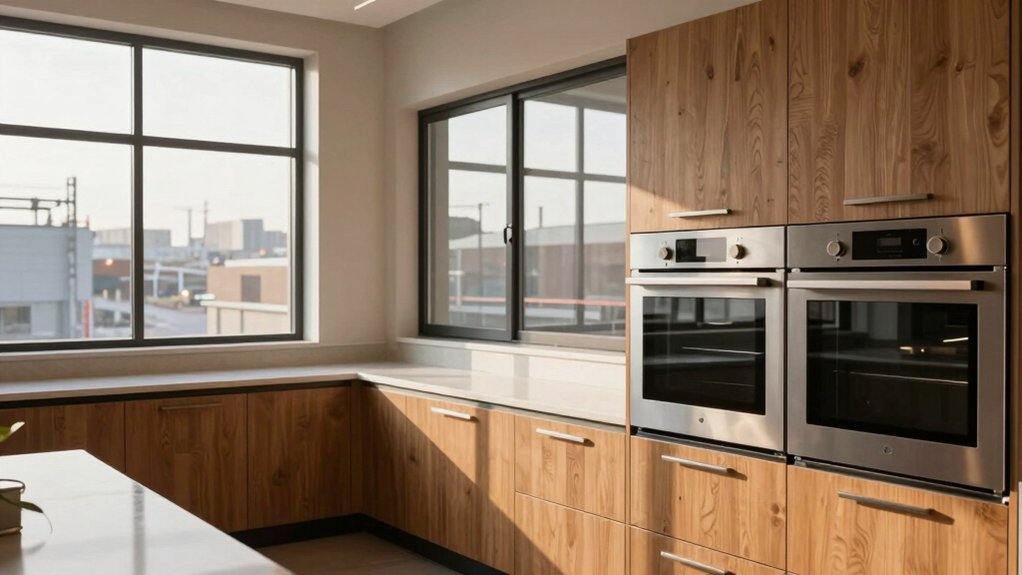
Expect 2026 timeline shifts to affect project pacing for windows, cabinets, and appliances. You’ll find sourcing more resilient when you anticipate supply chain disruptions and labor shortages shaping schedules.
Data shows longer lead times across materials, with variance by region and supplier size. You should align procurement with critical-path milestones, securing orders early and confirming fabrication slots before design freezes.
Stay disciplined on specifications to minimize redesigns, since changes drive delays in production and shipping. With labor shortages persisting, expect partial crews on-site and potential installation rescheduling; buffer your schedule accordingly.
Collaborate closely with suppliers, sharing accurate forecast data and tiered acceptance criteria. Transparency reduces friction, helps you track status, and reinforces a sense of belonging within the project team as timelines tighten.
How Backlogs and Peak Season Drive Delays
Backlogs push wait times higher as orders accumulate, so you’ll see delays compound even when production runs smoothly.
Peak-season factors—surge in demand, labor constraints, and limited shipping windows—amplify those effects, creating predictable timing gaps.
Backlog-Driven Delays
Backlogs and peak-season demand directly tighten delivery timelines, forcing ships, carriers, and suppliers to operate with reduced margins for error. You’ll notice orders piling up as production queues lengthen and downstream demand surges.
In practice, backlog-driven delays mean you’re trading flexibility for predictability: schedules tighten, hundreds of small decisions cascade, and transit windows shift. Data show longer lead times when facilities run at or beyond capacity, with high variability across regions.
You’re not imagining it if you feel standstills ripple through installation calendars. Supply chain fragility—amplified by labor shortages—means one missing dock door or a single unavailable crew can stall an entire batch.
Your approach: build buffers, confirm availability early, and prioritize critical trims to minimize downstream disruption. Belonging comes from proactive planning and transparent communication.
Peak-Season Impact Factors
Peak-season pressures compress timelines as demand surges and capacity tightens, amplifying the impact of existing backlogs. You’ll see longer lead times when suppliers face factory shifts, freight bottlenecks, and labor constraints, all intensified by seasonal fluctuations.
In peak windows, orders move from planning to production faster, but production queues and shipping schedules stretch, increasing variability and risk of partial fills. Data show that, during holidays and spring refresh cycles, average cycle times rise by measurable percentages as capacity strains align with demand spikes.
To navigate, align orders with supplier capacity, build buffers for critical components, and communicate visibility across your supply chain. This collective awareness helps you manage expectations, reducing frustration and preserving a sense of belonging through transparent, data-driven planning.
The Factors That Extend Lead Times: Manufacturing, Materials, and Scheduling
Manufacturing delays, material shortfalls, and scheduling bottlenecks consistently push lead times higher, and understanding how each factor interplays is essential for accurate planning.
- Supply chain disruptions ripple from factory floors to your project timeline, causing sporadic pauses in production and shipment.
- Labor shortages tighten throughput, slow changeovers, and stretch assembly costs, even when demand remains steady.
- Scheduling bottlenecks compound volatility, turning small delays into extended wait times as lines shift and priorities swap.
You’ll benefit from mapping your order to supplier calendars, labor forecasts, and production cycles to see where buffers matter most.
Lead Time by Window: 0–3, 3–6, and 6+ Months

You’ll see how lead times break into 0–3, 3–6, and 6+ months, with each window carrying distinct implications for planning and risk.
The data highlights how shorter windows tighten certainty while longer windows demand broader contingencies and forecasts. We’ll compare the three windows—Lead Time Windows, Three to Six Months, Six Plus Outlook—to sharpen your expectations and actions.
Lead Time Windows
Lead Time Windows categorize orders by horizon: 0–3 months, 3–6 months, and 6+ months. You’ll find this framing guides decision-making, aligning expectations with supplier realities and installation schedules.
Each window reflects risk, capacity, and demand, helping you balance cost, timing, and design goals. When you choose window styles, you’re selecting throughput, energy efficiency, and curb appeal, all tied to lead times.
Use the framework to plan around material availability and compatible finishes, not guesswork.
- Visualize a rapid install with 0–3 months: streamlined procurement, tighter coordination, cohesive aesthetic
- Anticipate mid-range timing with 3–6 months: broader options, customization opportunities, staged delivery
- Consider longer horizons 6+ months: high-end energy efficiency, specialty shapes, extended planning and permits
Three to Six Months
Three to six months represents a balanced lead-time window where options widen without sacrificing practicality. In this range, you’ll see more finishes, styles, and performance choices, while still maintaining predictable planning.
Cost fluctuations occur more frequently than shorter liens, but are typically manageable with early decisions and supplier conversations. You’ll benefit from consolidated shipments and integrated schedules, reducing the risk of last-minute changes.
The supply chain remains a key factor; when disruptions occur, you’ll notice modest pushbacks rather than wholesale delays, giving you time to adjust budgets and selections. By aligning orders within this window, you gain balance between flexibility and reliability, ensuring your project advances steadily without sacrificing design intent or value.
Stay proactive: track timelines, confirm lead times, and lock in critical components early.
Six Plus Outlook
As you shift from a balanced three-to-six-month view, you’ll notice how different windows expose distinct pacing and risk profiles.
- 0–3 months: rapid demand shifts collide with supply chain fragility, tightening available windows.
- 3–6 months: midterm cadence smooths some volatility, yet labor shortages still slow throughput.
- 6+ months: planning gains resilience as capacity, orders, and timing align, but longer exposure to inflation and supplier risk remains.
You’ll see that six-plus Outlook emphasizes preparedness over speed. Data shows persistent supply chain constraints drive longer cycles, even as some vendors de-risk with alternative sourcing.
Maintain visibility, coordinate schedules, and secure buffers early to weather labor shortages and episodic delays. Belonging comes from proactive planning, not reactive chasing of availability.
Budgeting Through Delays: How to Plan Without Sacrificing Quality
Delays can disrupt project timelines and budgets, but you don’t have to accept reduced quality. You can safeguard outcomes with disciplined cost management and proactive supplier relationships.
Begin by modeling scenarios: baseline costs, anticipated inflation, and delay-driven contingencies, then set a monthly burn rate and reserve. Prioritize value over lowest price, tying decisions to performance metrics—durability, warranty, and serviceability.
Maintain transparent, data-driven communication with your team and vendors, documenting changes and approvals to prevent scope creep.
Build a modular plan: specify adjustable components, staged purchases, and flexible scheduling to absorb delays without compromising finish.
Leverage supplier relationships for priority access, price holds, and alternative options with comparable quality.
Conclude with a documented cost-reduction plan that preserves craftsmanship and long-term reliability.
Strategies to Accelerate Ordering: Vendors, Materials, and Logistics
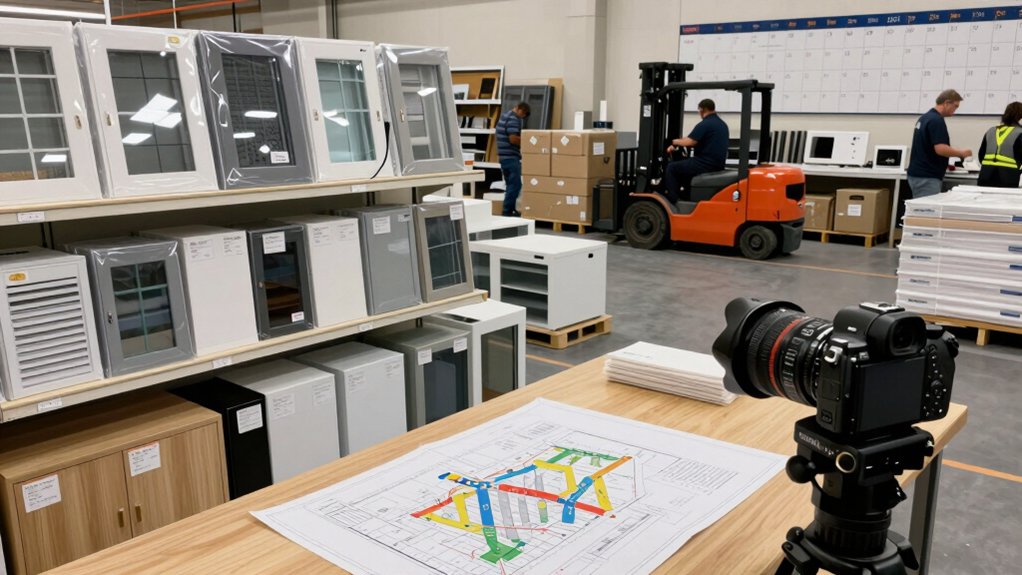
To accelerate ordering, align vendors, materials, and logistics around measurable targets: secure lead-time commitments in weeks, lock-in pricing for critical line items, and implement FIFO shipping with trackable milestones.
You build certainty by tightening vendor relationships, diversifying material sourcing, and synchronizing schedules with logistics partners. Data-driven decisions reduce variability, boosting on-time delivery and budget adherence.
Capture real-time status via dashboards, flag risks early, and prerelease orders for high-demand items. Communicate expectations clearly to avoid last-minute changes, and secure joint contingency plans.
Your approach should be collaborative, precise, and outcome oriented, reinforcing a sense of belonging in the project team.
- Transparent lead-time dashboards with milestone dates
- Pre-negotiated price locks on critical items
- FIFO logistics with real-time tracking and alerts
Building Flexibility Into Your Renovation Schedule
Building flexibility into your renovation schedule starts with designing buffers that protect tight timelines without blowing budgets. You’ll create contingency windows around critical milestones, allowing for slight shifts in delivery or on-site crew availability.
Ground your plan in data: historical lead times, supplier reliability, and median variance by category. Allocate extra days for material sourcing and alternate sourcing options to mitigate shortages without halting progress.
Prioritize contractor coordination through transparent calendars, weekly updates, and cross-task handoffs to preserve momentum when disruptions occur. Build in scalable buffers—short-term cushions for trim work, long-lead components, and permit delays—so changes don’t cascade.
Document decisions, align stakeholders, and track buffer performance to refine estimates. This approach sustains momentum, aligns expectations, and reinforces belonging through predictable progress.
Red Flags and Warning Signs That a Lead Time Is Slipping
When a lead time starts slipping, you’ll notice early signals in the schedule you rely on: longer setup times for orders, repeated missed supplier commitments, and tasks pushing out into the next visibility window. You want to catch drag early, so you can adapt with data, not guesswork.
Key indicators appear in daily updates, not anecdote: rising wait times, capex-to-delivery gaps widening, and cross‑team handoffs piling up. In volatile markets, supply chain disruptions and labor shortages compound delays, amplifying every missed milestone.
Recognize these signs and adjust now to protect your project timeline and budget.
- Delays cluster around critical components, not ancillary items
- Milestones slip while procurement cycles remain unchanged
- Early-warning metrics show increasing variance week over week
Local Options and Resources: Making the Most of Nearby Vendors and Trade Pros
Local options and resources matter when lead times tighten, because nearby vendors and skilled trade pros can shave days off procurement and execution with fewer logistics hurdles.
You’ll leverage vendor options that align with your project timeline, budgeting windows, and warranty expectations. Tap local resources to compare quotes quickly, confirm stock availability, and schedule trades in coordinated blocks.
Rely on neighborhood suppliers who understand area code requirements and delivery routes, reducing mis deliveries and returns. This proximity also strengthens accountability, as you can meet face-to-face and review samples, permits, and install plans in real time.
Prioritize trusted local resources with proven on-time performance, clear communication, and transparent pricing to keep your project moving smoothly. Local vendor options support predictable schedules and a sense of belonging.
Frequently Asked Questions
How Do Lead Times Differ by Region or City?
Regional variation drives city-specific delays: some areas see faster supply chains, others face longer backlogs. You’ll notice shorter waits in high-demand hubs with robust logistics, while regional pockets endure longer lead times due to labor and supplier constraints.
Which Supplier Offers the Fastest Custom Windows?
You should choose a supplier with strong manufacturing efficiency and solid supplier reputation, because their processes minimize lead times and reliably deliver custom windows. You’ll feel confident, backed by data, and belong to a trusted, high-performance ecosystem.
What Payment Terms Help Secure Earlier Production Slots?
You’ll secure earlier production slots by selecting favorable payment terms, including upfront deposit policies and structured payment schedules. Align with your supplier’s criteria, demonstrate commitment, and leverage deposit policies to accelerate scheduling while maintaining visibility and trust.
Can Previous Project Backlogs Predict Future Delays?
Like a compass wobbling in wind, yes: previous project backlogs can predict future delays. You’ll see correlations with supply chain disruptions and labor shortages, guiding proactive scheduling, buffer planning, and shared ownership across teams.
Do Seasonal Promotions Affect Material Availability?
Yes, seasonal promotions can tighten material availability as seasonal demand spikes, stressing the supply chain, which may lengthen lead times and reduce options you can secure. Stay proactive: track inventories, diversify suppliers, and plan early for peak periods.