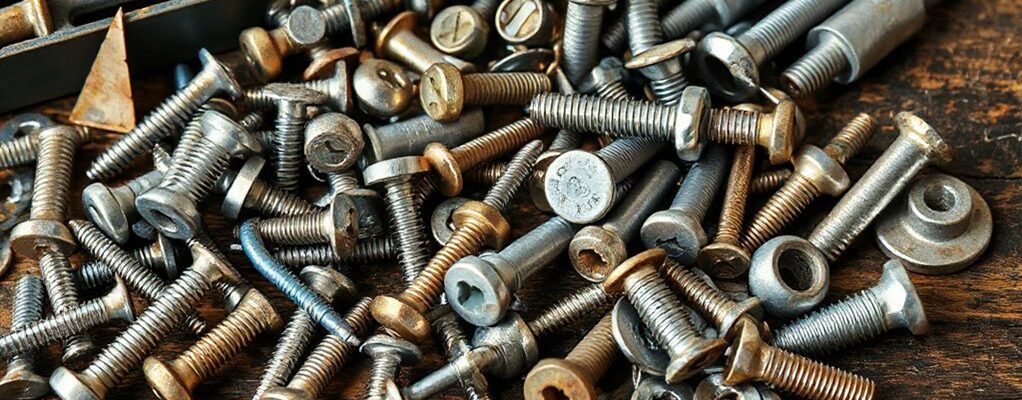
Fasteners are chosen by load path, material, and environment. Wood screws grip soft, porous substrates; self-tapping screws create internal threads in metal without pre-tapping; bolts and nuts handle high clamping and shear, while anchors and wing fasteners suit decks and framing. Nails provide quick, simple fixes but lower withdrawal resistance. Consider corrosion resistance, coatings, and installation torque. Balance cost with long-term reliability, then anticipate practical tradeoffs. If you want deeper guidance, you’ll get concrete criteria and steps next.
Key Takeaways
- Fastener types vary by load path: nails for quick riveting, screws for removable joints, bolts for high-strength connections, and anchors for unmanageable substrates.
- Material and coating affect durability: stainless for corrosion resistance, galvanized for outdoor use, brass for electrical and aesthetic needs.
- Substrate compatibility matters: wood screws bite soft wood, self-tapping screws work in metal, and masonry anchors fix into concrete.
- Installation impact: torque, embedment depth, and patterning influence clamping, shear vs withdrawal resistance, and joint longevity.
- Visibility and finish: choose head style and coating to match aesthetics, prevent staining, and ease inspection.
Core Fastener Types for Home Projects
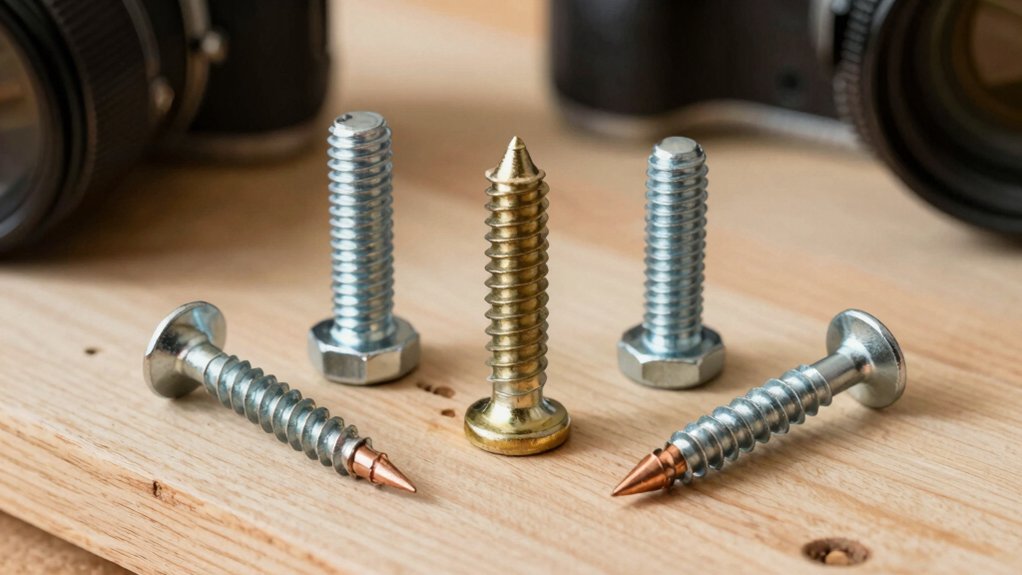
Core fasteners include bolts, screws, nails, and anchors, each serving distinct load paths and material compatibility. You assess performance by bearing capacity, withdrawal strength, and shear resistance, aligning choices with substrate and intended function.
In fastener manufacturing, tolerances govern fit and clamping; you demand threads, diameters, and head styles that translate to predictable load transfer. You weigh corrosion resistance, surface treatment, and installation method to optimize longevity and safety.
Fastener history reveals evolution from simple nails to high-strength alloys and coated systems, informing current design decisions. Your approach combines empirical data with code-compliant standards, ensuring reliable assemblies.
You prioritize compatibility with tools, materials, and structural expectations, delivering robust connections. You act decisively, selecting fasteners that maximize stiffness, minimize failure modes, and support lasting performance.
Choosing Between Screws, Nails, and Bolts
Choosing between screws, nails, and bolts hinges on load path, material, and installation context; each fastener type offers distinct advantages for specific joints. You’ll select based on shear vs. withdrawal demands, fastening methods, and vibration tolerance.
Understand that screw threads convert pull forces into clamping, while nails excel in rapid, flexible joints. Bolts deliver high-strength assemblies with nuts, ideal for disassembly and maintenance.
Consider appearance: fastener color may influence visibility and corrosion resistance. Plan for storage: organize by type, length, and coating to speed repairs.
Material compatibility matters, as steel, stainless, and brass respond differently to environment. For reliability, specify finish, grade, and drive system upfront.
Align hardware with load path and service life for *best* performance.
- Load path and material
- Screw vs. nail vs. bolt roles
- Finish, coating, and fastener color
- Fastener storage and organization
- Disassembly and maintenance implications
When to Use Wood Screws vs Self-Tapping Metal Screws
Wood screws and self-tapping metal screws serve distinct fastening needs, and choosing between them hinges on material, load path, and the need for thread engagement.
You’ll pick wood screws when joining soft, porous substrates where fibers bite into the screw’s coarse threads and pull-through risk is low. Self-tapping screws excel in metal, where clean penetration creates internal threads without pre-tapping.
Consider load path: wood joints benefit from deeper engagement, while metal connections demand precise thread pitch to resist shear and withdrawal.
Compatibility matters: avoid cross-material corrosion, and use appropriate coatings to prevent fastener rust in exposure zones.
For storage, segregate by material type and coating to maintain torque consistency.
Always inspect and replace compromised fasteners to preserve structural integrity and predictable performance, ensuring reliable fastener storage and readiness for future projects.
Wing and Specialty Fasteners for Decks and Framing
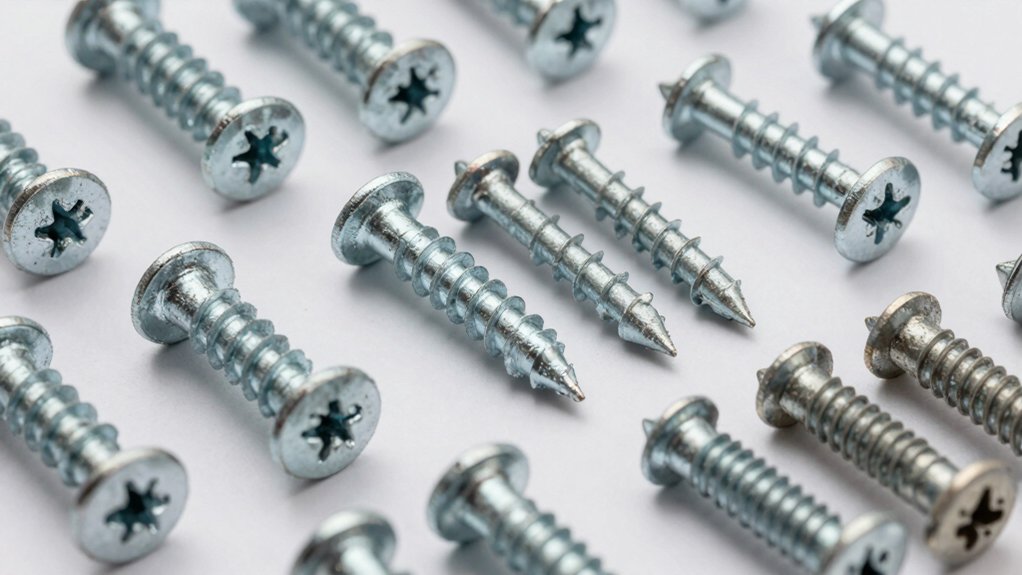
Wing and specialty fasteners for decks and framing address nonstandard joints and load paths where traditional screws alone may fall short. You select wing fasteners and specialty fasteners to create robust, precise connections that resist differential movement, twisting, and uplift under load.
Use them strategically at corners, gussets, and retrofit joints to maintain alignment and transfer forces efficiently. These fasteners deliver high withdrawal resistance, shear capacity, and repeatable performance, enabling safer, longer-lasting structures.
In practice, you pair them with appropriate substrates and fastener patterns, ensuring proper bite and fastening torque. Assess material compatibility, corrosion resistance, and installation tools to optimize performance.
Wing fasteners, specialty fasteners empower you to design resilient frames with professional-grade integrity.
- Wing fasteners improve joint rigidity
- Specialty fasteners address nonstandard geometries
- Correct patterning ensures load transfer
- Material and corrosion considerations matter
- Proper tooling enables consistent installation
The Role of Anchors, Nails, and Staples in Shear Loads
Anchors, nails, and staples each respond differently under shear, with installation geometry and material pairing driving load transfer efficiency.
You’ll compare anchor shear dynamics, analyze nails versus staples load paths, and assess how material and threading choices influence resistance and failure modes.
This discussion sets the framework for quantitative comparisons across the listed points: Anchors In Shear Dynamics, Nails Versus Staples Load, and Material And Threading Effects.
Anchors In Shear Dynamics
Understanding shear dynamics requires looking at how anchors, nails, and staples resist lateral forces. In practical terms, the failure mode hinges on how load is transferred from fasteners into the substrate and how each fastener distributes that load.
You examine anchors as load distributors that convert shear into substrate compression, while nails and staples channel energy along their withdrawal resistance paths. This influences edge distance and failure planes.
Fastener manufacturing and fastener history inform material choice, coating, and thread geometry, sharpening performance under shear.
Power-driven decisions hinge on substrate quality, embedment, and edge distance, plus installation discipline.
- Load transfer pathways and substrate reaction
- Edge distance, embedment, and withdrawal limits
- Material and coating effects on shear capacity
- Fastener geometry’s impact on distribution
- Installation controls and quality metrics
Nails Versus Staples Load
Nails and staples differ in how they resist shear loads, with nails mainly transferring energy along withdrawal paths and staples distributing load through their bent legs and crown. In practice, you’ll feel higher withdrawal resistance from correctly driven nails, while staples offer greater shear integrity when rapid, uniform clamping is required.
The choice hinges on assembly geometry, material thickness, and intended permanence. Nails excel in long-term holding under slow creep, but staples deliver superior shear stability across broad contact areas when fastener spacing aligns with the load path.
Consider fastener color and packaging; these cues help you identify stress ratings, material compatibility, and installation tolerances at a glance. For decisive results, tailor fastener packaging to your project’s load profile and finish requirements without compromising security.
Material And Threading Effects
Material and threading choices directly shape how anchors, nails, and staples behave under shear. You maximize shear resistance by aligning fastener geometry with load paths, selecting compatible materials, and pairing threads to substrate hardness.
Thread pitch, drive type, and shank design govern slip, pullout, and bearing limits, demanding precise fastener compatibility across components. Material flexibility matters: ductile metals absorb energy; hardened options resist shear but may transfer stress to the substrate.
Surface treatment and coating reduce corrosion-initiated failure, preserving strength over time. You must match fastener to member, condition, and intended load to avoid brittle failure or premature loosening.
- Material compatibility and threading geometry
- Substrate hardness vs. fastener ductility
- Coatings, corrosion resistance, and longevity
- Load path alignment and pullout resistance
- Assembly torque and installation quality
Thread Styles, Heads, and Shank Types Explained
Thread styles, heads, and shank types determine how a fastener behaves in a joint: thread pitch and length control grip and shear, head design governs drive method and load distribution, and shank type affects strength and seating.
You evaluate pitch for rapid, high-torque assemblies versus fine thread for precision joining, then match length to material thickness to prevent pullout.
Head geometry directs driver compatibility, seating flushness, and vibration resistance, while countersink or flat profiles influence camouflage and load transfer.
Shank form—plain, ribbed, or undercut—modulates bearing surface, alignment, and shear capacity.
Understanding fastener history informs why today’s standards exist, and recognizing innovative fastening methods helps you select features that maximize hold, ease installation, and long-term reliability.
Precision selection empowers you to optimize joints, minimize failure risk, and command project outcomes.
Coatings and Materials: Stainless, Galvanized, and Brass Choices
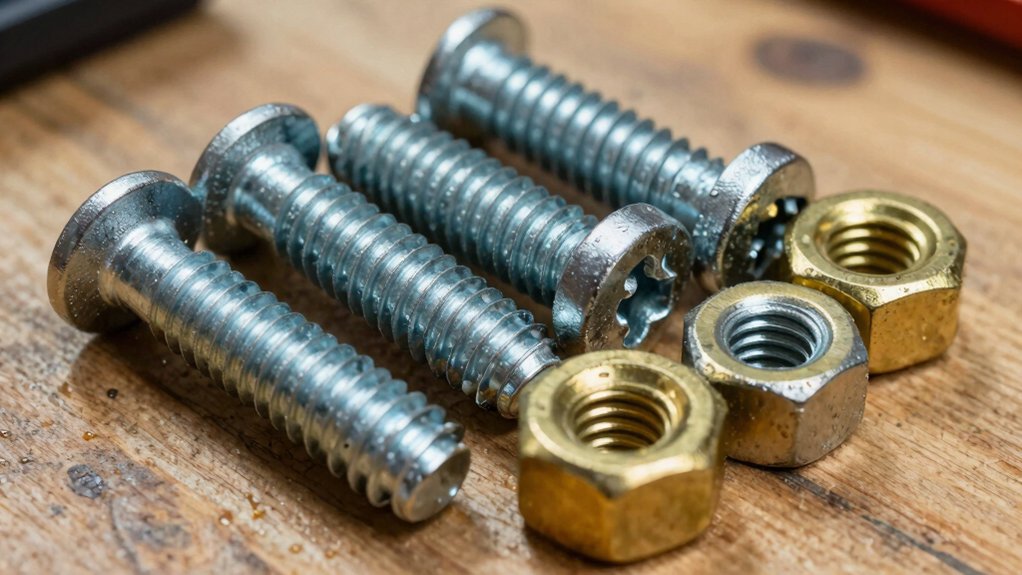
Stainless fasteners offer superior durability and corrosion resistance, making them ideal for exposure to moisture, chemicals, or outdoor conditions.
Brass brings aesthetic appeal and good electrical conductivity, but its lower hardness limits use in high-load environments.
Galvanized options balance cost and corrosion protection for general applications, though coating integrity under long-term wear should be monitored.
Stainless Durability and Corrosion
Corrosion resistance and durability are central when selecting fasteners for any home project, and stainless options stand out for long-term performance in demanding environments. You’ll appreciate how stainless steel resists rust, maintains strength, and reduces risk of staining or staining transfer to surrounding materials.
To optimize performance, understand coating and alloy differences, and match exposure conditions to alloy grade. Below, key considerations guide your selection and use.
- fastener color options
- corrosion resistance by grade
- compatibility with substrates
- documented fastener installation tips
- maintenance and inspection protocols
Brass Aesthetics and Conductivity
Brass offers a distinct aesthetic and electrical advantage that complements select fastener applications. You’ll assess brass aesthetics alongside performance, ensuring you select components that match project intent and avoid overreach.
Brass provides moderate corrosion resistance in ambient environments, but you prioritize galvanic compatibility and load requirements to prevent unintended reactions.
Brass conductivity delivers tangible electrical continuity in low- to mid-current assemblies, yet you balance this with mechanical strength needs and temperatures.
In environments where aesthetic uniformity matters, brass aesthetics resurface as a strategic choice, influencing finish compatibility and visible hardware design.
Compare brass with stainless and galvanized options by examining hardness, thread engagement, and ease of installation. Your decision hinges on functional durability, electrical needs, and the visual impact on the assembly.
Corrosion Resistance for Indoor vs Outdoor Use
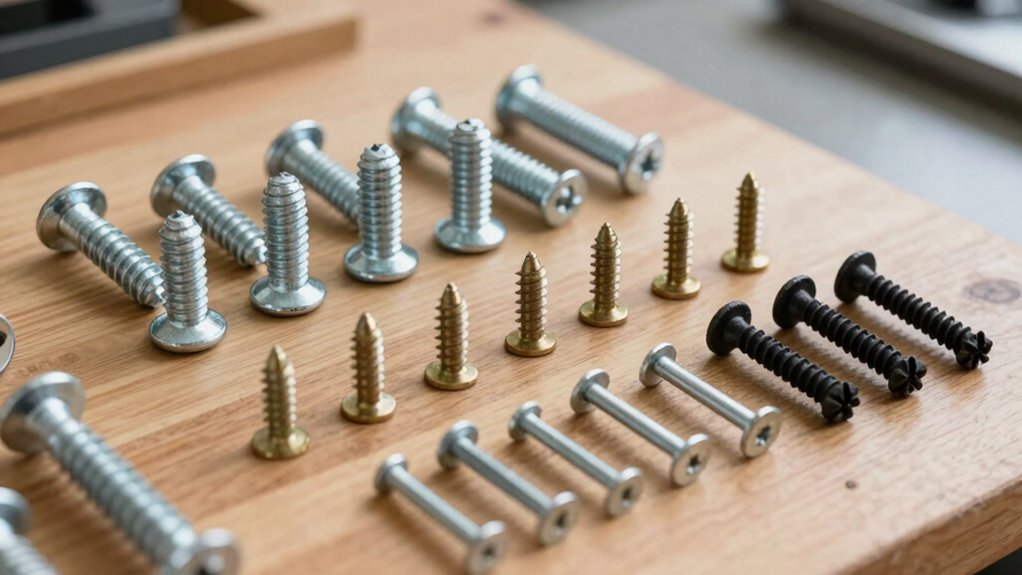
Do indoor and outdoor environments demand different corrosion performance from fasteners, and why does that matter for your project? You assess exposure, material chemistry, and protective coatings to minimize failure.
Indoor corrosion protection hinges on humidity control and cleanliness, while outdoor performance must resist moisture, salt, and temperature swings. Marine grade fasteners deliver superior chromium-nickel or stainless steel corrosion resistance for coastal or high-humidity areas, ensuring longevity where exposure is relentless.
Choose fasteners with appropriate coatings, compatible substrates, and verified outdoor durability to avoid fastener degradation, staining, or joint failure. Prioritize corrosion resistance as a design constraint, not an afterthought, and align material selection with project framing, fastener load, and maintenance expectations.
- Material and coating compatibility
- Environmental exposure assessment
- Marine grade fasteners applicability
- Indoor corrosion protection strategies
- Outdoor durability expectations
Choosing the Right Size: Length, Gauge, and Diameter
Length is your primary determinant of holding power and material compatibility, so start by matching the intended load to your fastener length.
Gauge and diameter selection then control withdrawal resistance and clearances, with thicker diameters providing strength at the cost of fit in tight cavities.
In practice, you’ll balance material type, thread pitch, and access constraints to choose a length, gauge, and diameter that optimize both performance and installation feasibility.
Length Matters Most
Choosing the right fastener length is essential because it determines grip strength, shear resistance, and the integrity of the joint. The length must extend beyond the surface by a safe amount to engage the underlying material without protruding.
You must balance fastener length with substrate hardness, load direction, and compatibility to maximize performance. Mis-sizing compromises pull-out resistance and joint stability, while correct length enhances transfer of loads and shear resistance.
Focus on end-to-end engagement and avoid over-penetration that can weaken surrounding material. Key considerations include material compatibility, embedment depth, and structural requirements to ensure reliable performance.
- fastener length guides
- embedment depth targets
- material compatibility checks
- load-direction alignment
- avoidance of protrusion and under-penetration
Gauge And Diameter Choices
Gauge and diameter choices determine how well a fastener resists pull-out and shear in a given substrate. You select size by predicting load paths, substrate hardness, and thread engagement. For high shear, use thicker diameters to maximize bearing area, while avoiding overstress that cracks softer materials.
Consider fastener length to ensure adequate embedment without protrusion; insufficient length reduces pull resistance and joint integrity. Diameter options influence flexural stiffness and withdrawal resistance, so compare standard gauges against material compatibility and head type.
In wood, choose a core-to-thread ratio that maintains shear capacity; in metal, match pilot diameters to prevent grain splitting or thread failure. Prioritize exact fit over convenience, balancing torque requirements with substrate tolerances to achieve durable, high-performance assemblies.
Pre-Drilling, Pilot Holes, and Driving Techniques
Pre-drilling and pilot holes establish accurate starting points and prevent wood splitting, while proper driving techniques make sure fasteners seat firmly without overdriving.
You enhance reliability by matching bit size to fastener and substrate, ensuring clean, square entry and reduced cam-out. Focus on fastener compatibility and pre-installation planning to avoid misfits and rework.
Precision here accelerates project timelines and strengthens joints.
- Confirm material type and thickness before drilling
- Choose pilot hole diameter that matches screw root and material
- Use correct bit for the fastener head profile
- Control driving speed to prevent stripping or splintering
- Preinstall alignment checks to verify square, plumb, and level
This approach minimizes failure modes and maximizes grip, enabling predictable performance and durable assemblies.
Load-Bearing vs Non-Load-Bearing Applications
When you choose fasteners for load-bearing versus non-load-bearing applications, consider how load paths and safety factors differ between the two.
Material strength differences influence whether a fastener, substrate, or both control failure modes, so you must align fastener type and size with expected stresses.
Understanding failure modes—pull-out, shear, and bearing—helps you anticipate performance under real-world conditions.
Load-Bearing Considerations
In fastener selection, load-bearing vs. non-load-bearing applications determine both the required strength and the installation method. You assess joint load profiles, embedment depth, withdrawal resistance, and the underlying substrate to ensure failure margins meet design intent.
Choose hardware with appropriate shear, tension, and shear-tension balance, while factoring dynamic loads and environmental exposure. Prioritize install techniques that maximize contact area, clamp load, and resistance to loosening.
Consider fastener aesthetics in exposed joints, ensuring continuity with project style. Also plan for fastener recycling where feasible, selecting components designed for disassembly and reuse.
Document torque, spacing, and retrofit options to maintain long-term integrity. Align material choice with maintenance strategy, corrosion resistance, and accessibility for inspection.
- Load profiles and failure margins
- Substrate compatibility and embedment
- Torque, clamp load, and loosening prevention
- Aesthetics and visibility considerations
- Reuse, recycling, and disassembly viability
Material Strength Differences
Material strength differences between load-bearing and non-load-bearing applications hinge on how fastener materials interact with the joined substrates under expected stresses. You assess fastener material properties, including tensile strength, shear capacity, and ductility, against load expectations and environmental exposure.
In load-bearing roles, you prioritize high yield strength, consistent performance across temperature ranges, and minimal creep to prevent gradual deformation. For non-load-bearing assemblies, you can accept lower margins if service life remains predictable.
Consider material corrosion resistance, especially in moisture-prone environments, since corrosion undermines clamp force and shear capacity over time. You also weigh galvanic compatibility with substrates to prevent accelerated degradation.
Clear selection hinges on matching mechanical demands to environmental realities, ensuring reliability, safety, and sustained performance of your fastener material choices.
Fastening Failure Modes
What’re the dominant failure modes you must guard against in fasteners, and how do these modes differ between load-bearing and non-load-bearing applications?
In this section, you’ll analyze fastening failure modes with precision, focusing on load-bearing vs non-load-bearing contexts. You’ll control outcomes by recognizing that fastener loosening and material creep dominate in looser interfaces, while shear, pull-out, and fatigue govern structural members.
Distinctions matter: load-bearing assemblies demand tighter tolerances, preloads, and locking strategies; non-load-bearing setups tolerate less stringent engagement but still require resistance to vibration and cyclic effects.
Implement robust solutions by selecting compatible materials, coatings, and threads, and by applying appropriate torque protocols. Your objective is to minimize failure risk and maximize joint integrity through disciplined design and assembly practices.
- fastening failure modes
- fastener loosening
- preload control
- locking strategies
- vibration resistance
Hidden Fasteners and Aesthetic Considerations
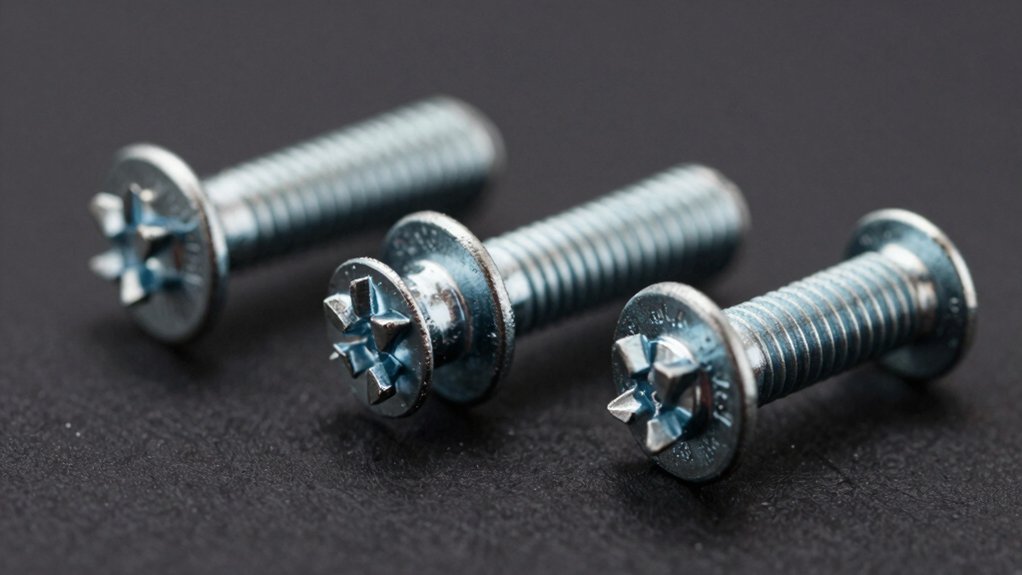
Hidden fasteners deliver a clean, uninterrupted surface by concealing hardware behind the panels or in grooves. Their aesthetic impact hinges on finish, alignment, and material compatibility.
You assess hidden fastener options by evaluating profile, seating tolerance, and cladding compatibility to minimize gaps and misalignment. Precision installation matters: scant misfit amplifies visible seams and undermines uniformity.
Consider material pairing—wood, metal, or composite—with matching fastener heads and countersink depths to avoid glare or shadow lines.
Aesthetic impact considerations include grain orientation continuity, edge treatment, and flushness across joints. You demand repeatable results, so verify load distribution and panel stability under temperature and humidity shifts.
When selected thoughtfully, hidden fasteners deliver professional resilience, balanced by disciplined alignment and finish consistency.
Budget vs Performance: Balancing Cost and Reliability
Balancing cost and reliability means weighing upfront price against long-term performance and risk. You prioritize value without sacrificing safety, selecting fasteners that meet load and environmental demands while curbing lifecycle costs.
Fastener innovation drives better materials, coatings, and joining methods, delivering higher reliability at comparable prices. Historical fastener development informs you which solutions scale with project longevity, reducing retrofit needs and failure risk.
You’ll compare initial purchase price with warranty terms, corrosion resistance, and install ease to forecast total cost of ownership. Make decisions that resist short-term temptations and favor proven performance in critical connections.
Balance is achieved through rigorous risk assessment, field testing, and alignment with standards. Stay disciplined, objective, and focused on outcomes rather than trends.
- fastener innovation
- historical fastener development
- lifecycle cost
- corrosion resistance
- installation efficiency
Tool Compatibility: Bit Types and Driving Systems
Tool compatibility hinges on matching bit types and driving systems to target fasteners and materials, ensuring ideal torque transfer and minimized cam-out. You quantify load, select bit geometry, and pair drives with fastener types to sustain performance under load.
Hex, Phillips, square, Torx, and tamper-resistant profiles demand corresponding shanks and drivers, while impact, drill, and screwdriver settings control torque delivery.
Material hardness, coating, and thread pitch influence insert seating and stripping risk, so you assess drive recess compatibility with fastener types before tightening.
Precision comes from avoiding over- or under-rotation through calibrated torque specs and bit wear monitoring. You optimize tool compatibility by aligning bit size, drive interface, and RPM with the fastener’s design, reducing slips and enabling repeatable results across projects.
Common Fastener Mistakes and How to Avoid Them
Common fastener mistakes cost you time and weaken joins, so identifying and avoiding them is essential. You’ll prevent failures by matching material, coating, and size to your load, environment, and substrate.
Misuse, overtightening, or underdriving damages threads and reduces clamp. Corrosion-prone environments demand correct coatings, while improper reuse wastes strength and integrity.
Consider storage, inspection, and correct disposal practices to support fastener recycling and reliability, not landfill.
- Mismatched material and environment
- Over- or under-tightening
- Reusing damaged fasteners
- Ignoring coatings and corrosion risks
- Poor storage and disposal decisions, inhibiting recycling
Quick Checklist: Selecting the Right Fasteners
Selecting the right fasteners starts with matching material, coating, size, and type to the load, substrate, and environmental conditions. You’ll assess load type (shear, tension, withdrawal), substrate integrity, and corrosion risks before choosing a fastener family.
Consider coating compatibility with exposure and finishing options, then verify thread pitch, length, and head style for seating and tool access. Evaluate installation method, recommended torque, and any need for predrilling or bonding agents.
Keep in mind fastener history to avoid deprecated choices and align with current standards. Explore innovative fastening methods that reduce time, improve pull‑out resistance, or simplify future disassembly.
Conclude with a concise risk/benefit tally, ensuring the selected fasteners satisfy performance, safety, and long‑term durability for your project.
Conclusion
You now know how to match fasteners to materials, loads, and tools with precision. When in doubt, run through the quick checklist and weigh cost versus reliability. An anticipated objection—concern about overengineering simple tasks—gets addressed: for most home jobs, choosing the right type and driver matters more than brand name, and the payoff is fewer failures and faster finishes. So, plan, test fit, and drive confidently with the appropriate fastener for each connection.