
Did you know that smart renovations can add up to 10–15% in resale value on a semi-detached home? You can start by setting a realistic budget with a contingency, then lock in essential upgrades like safety and plumbing before chasing fancy finishes. Keep projects phased, track every dollar, and lean on durable, energy-efficient choices to save long term. If you want practical steps that don’t break the bank, there’s a clear path you can follow.
Set Budget and Renovation Goals
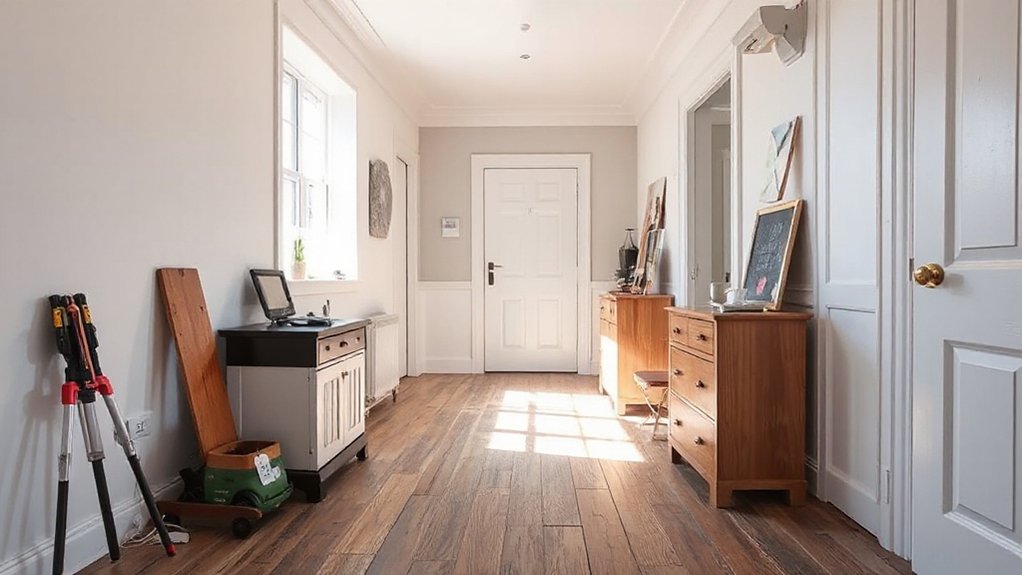
Setting a clear budget and goals upfront keeps renovations focused and affordable. You start by listing must-haves, like structural safety or new plumbing, and nice-to-haves, such as a specific decorating styles vibe.
Define a ceiling for total spend and allocate amounts to rooms, trades, and contingencies. Prioritize scope over aesthetics to prevent scope creep.
Research local permitting costs and factor in unexpected fixes, especially in an older semi-detached home.
When it comes to contractor selection, gather at least three bids, check references, and verify licenses. Use a written brief to compare proposals objectively, not emotionally.
Track every expense in a simple workbook and review weekly. Clear milestones, decision deadlines, and a documented change process keep you on track and protect value throughout the project.
Prioritize Value-Boosting Upgrades on a Budget
Prioritizing value-boosting upgrades on a budget means focusing on changes that add measurable resale value and daily practicality, not just cosmetic flair. You should first identify what buyers notice most: energy bills, storage, and upkeep costs.
Target improvements that deliver ongoing savings and comfort without overcapitalizing. Energy efficiency upgrades, like sealing gaps, insulation, modern LEDs, and efficient appliances, reduce operating costs and appeal to practical buyers.
Historical preservation considerations can enhance value when you preserve character while upgrading systems, improving curb appeal without erasing history.
Concentrate on durable, low-maintenance materials and reliable fixes that stand up to wear. Prioritize work that saves money over time, such as improved ventilation or draft-proofing, and document energy and maintenance savings to bolster your negotiating position.
Choose Affordable Materials That Look High-End
Smart-looking finishes don’t have to break the bank; you can pull off a high-end vibe with smart choices and smart buying. Start by sourcing affordable materials that mimic premium looks, like porcelain tiles that resemble stone or quartz composite countertops with a lower price tag.
Look for basics in calm, classic colors to prevent fast fashion fatigue. Choose durable, mid-range options and finish with high-impact details to elevate the room.
For fixtures, mix budget-friendly plumbing and lighting with small luxury touches—think slim, solid hinges or matte-black hardware. Add designer accents through reversible upgrades, such as a stylish backsplash or a statement faucet, rather than full-room replacements.
Prioritize quality where it shows, and save on hidden, costly maintenance.
DIY-Ready Projects: Paint, Flooring, and Lighting
Now that you’ve pinned affordable finishes, you can tackle DIY-ready projects that give rooms real impact without blowing your budget. Paint, flooring, and lighting are where you pull big sightlines with small spends.
Choose neutral paints first to widen spaces, and swap bold accents later if you crave drama. For flooring, consider durable vinyl planks or refinished hardwood—both can transform a room without a full remodel.
Lighting should mix task, ambient, and accent layers; fixtures with dimmers save energy and mood.
Remember Historical preservation if you’re in an older home: match period-appropriate hues and finishes where possible, and document changes.
Before you start, check permits regulations to avoid retrofits that trigger delays or codes issues.
Plan, budget, and seal gaps to maximize results.
Plan, Track, and Avoid Budget Pitfalls
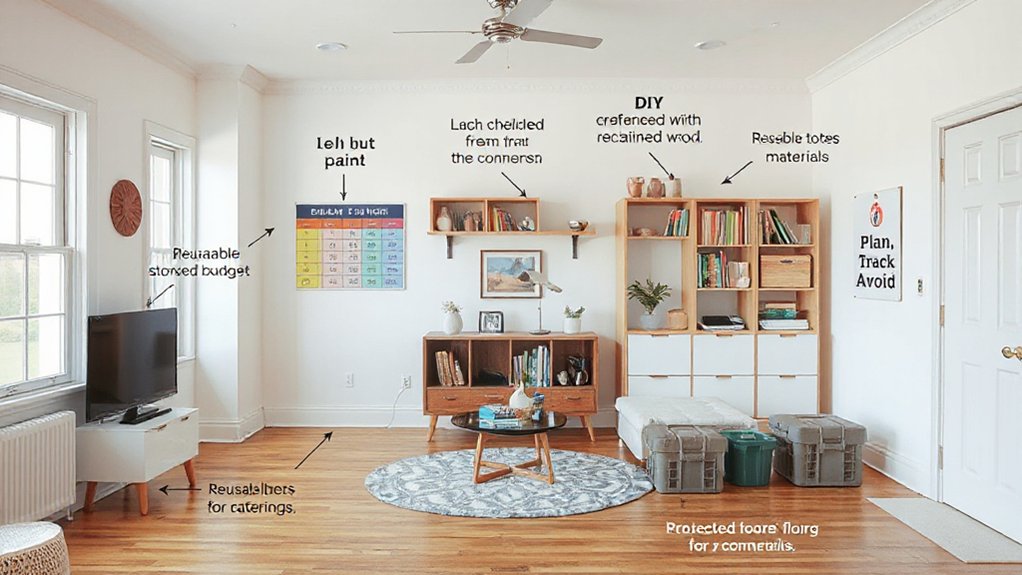
To keep renovations on track and affordable, start with a simple plan, then track every dollar and decision. Begin with your nonnegotiables: Historic preservation priorities, and any energy‑efficient upgrades that pay back.
Set a realistic budget with a 10–15% contingency for surprises. Break the project into phases you can complete in weekends, not months, and lock milestones in a calendar.
Track costs weekly in a single ledger; update it as vendors issue invoices. Prioritize changes that increase value and mood, like insulation, air sealing, and repairing original features rather than flashy replacements.
Get multiple quotes, and negotiate bulk rates for materials. Avoid scope creep by documenting decisions, and pause any “nice-to-have” ideas until funding is verified.
Reflect on progress, adjust plans, and stay disciplined.
Frequently Asked Questions
How Long Does a Budget Renovation Typically Take?
A budget renovation typically takes a few weeks to a couple of months, depending on scope. You’ll streamline with home staging and furniture selection, timing trades carefully, and staying flexible. You’ll finish faster by prioritizing essentials and sticking to budget.
What Credit Options Help Fund a Home Makeover?
Home equity and personal loans are solid options. You could tap home equity for lower rates, or compare personal loans for quicker access. Weigh closing costs, repayment terms, and your budget to choose the most affordable path.
Can Permits Impact Renovation Timelines and Costs?
Like Icarus with hidden wax, you’ll find permits impact timelines and costs. Building permits can cause renovation delays, so budget for extra time and fees, plan contingencies, and stay proactive to keep your project on track and affordable.
How to Source Reputable, Affordable Contractors?
You vet contractors carefully by checking references, licenses, and work samples; ask for detailed bids, then compare line items. Use contractor vetting to confirm reliability, insist on budget pricing, and prioritize written warranties and clear timelines.
What Unexpected Costs Commonly Arise in Semi-Detached Updates?
Unexpected structural issues, hidden utility costs—those pop up, and you plan around them. Prioritize inspections, budget contingencies, and phased work; negotiate warranties, explore permits early, and choose task-based scopes to avoid surprises and overruns.
Conclusion
You’ve laid the groundwork, so finish strong by sticking to the plan and trimming surprises. You’ll save more if you tackle safe, value-driven upgrades first and keep aesthetics simple. Track every dollar, avoid scope creep, and don’t skimp on durability or energy efficiency—the payoff shows up in lower bills and fewer headaches. When in doubt, you can DIY safe tasks like painting or flooring to stretch funds. Stay the course, and you’ll cross the finish line debt-free, chip by chip. Keep your eye on the prize.