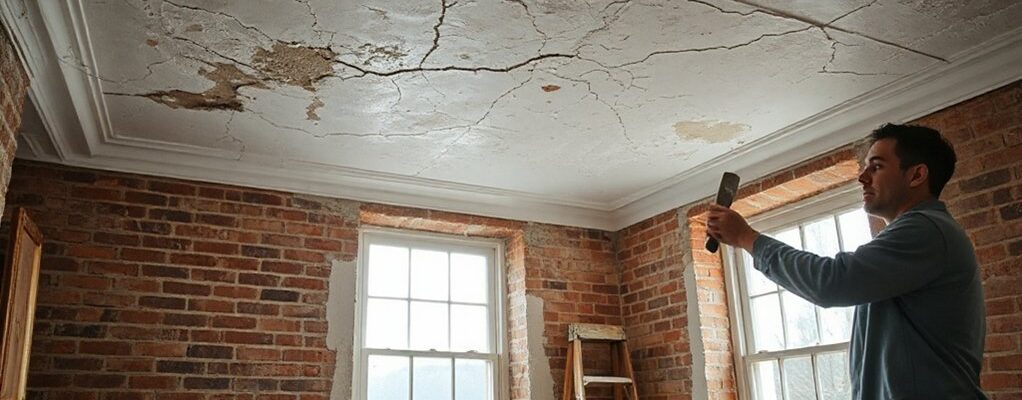
Older terraced homes need a careful balance of preservation and practical upgrades. Start with a clear scan for cracks, damp, and leaks, then map external risks like gutter decay and lintel corrosion. Prioritize breathable insulation, targeted ventilation, and robust drafts sealing to protect character while boosting comfort and efficiency. You’ll want a phased plan that blends routine maintenance with professional assessments for sensitive repairs, keeping you steady as you pursue safer, longer-lasting homes. There’s more to weigh as you proceed.
Diagnose Common Problems in Older Terraced Homes
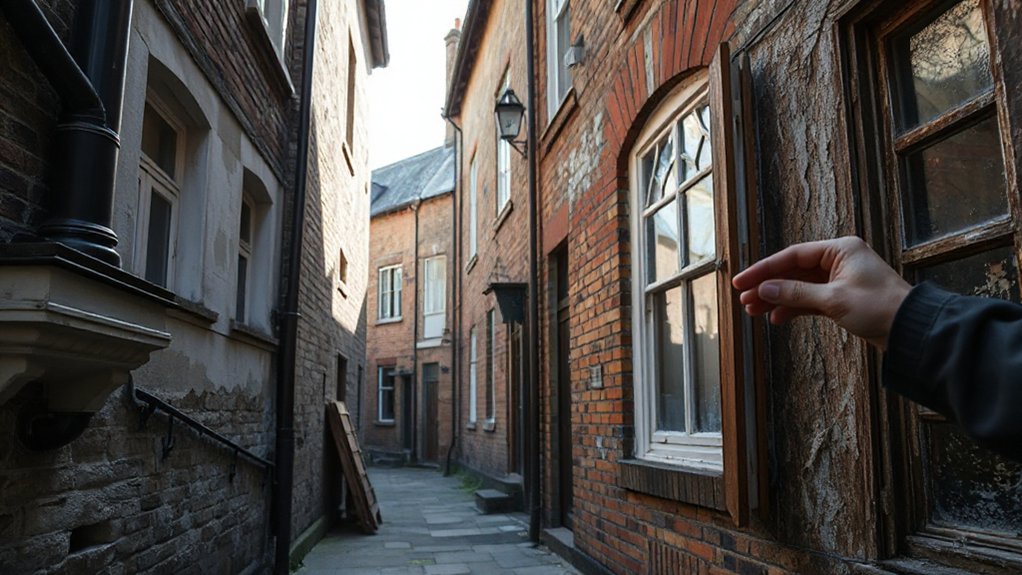
Older terraced homes often conceal a range of interrelated issues that trace back to shared walls, aging materials, and earlier construction practices.
You assess structural soundness by checking cracks radiating from corners, damp patches, and uneven floors, then trace patterns to potential movement or moisture intrusion.
Look at chimney lines, lintels, and masonry joints for deterioration, and verify roof flashings, guttering, and downpipes direct water away from walls.
Examine windows and doors for misalignment, failed seals, and poor drafts, which signal insulation gaps and framing shifts.
Document electrical and plumbing accessibility in service runs within walls, noting outdated wiring or pipe drift.
Prioritize problems by safety, overall preservation, and architectural integrity, ensuring remedies honor historic preservation principles, maintain authenticity, and respect the building’s character while addressing root causes.
Budget Heating Fixes and Insulation Tricks
You’ll explore budget heating fixes and simple insulation tricks that respect the building’s fabric and energy heritage.
Start with low-cost upgrades that yield real comfort without sacrificing preservation, like selective insulation and efficient airflow management.
This discussion invites practical, thoughtful solutions that balance comfort, cost, and long-term integrity.
Budget Heating Fixes
Ever wondered where your money’s going each winter? You can cut costs without sacrificing comfort by focusing on practical, low‑risk fixes.
Begin with simple, targeted maintenance: bleed radiators to remove air pockets, balance the system so hot water distributes evenly, and replace degraded seals on doors and windows to curb drafts.
Use programmable routines to avoid overheating unused rooms, then layer inexpensive upgrades that pay back: add solar heating where feasible for hot water preheating, and install smart thermostats to tailor daytime and overnight temperatures.
Prioritize efficiency over extravagance, choosing durable, retrofit-friendly choices that respect the property’s fabric.
Keep an eye on boiler age and pressure, scheduling professional servicing before the coldest months.
These steps preserve energy, value, and comfort season after season.
Insulation Tricks
Insulation tricks matter in old terraced homes because even small gaps can let heat escape and drafts in. You pursue efficiency with a preservation-minded approach, prioritizing unobtrusive, reversible methods that respect fabric and history.
Start with attic insulation, ensuring quilted or board insulation fills joist bays without compressing existing materials, and seal attic hatch gaps to reduce convection paths.
Next, inspect wall cavities for accessible routes; consider slimline cavity insulation where permitted, avoiding disturbance to historic plasterwork and wooden lath. Use breathable, non-rigid foams or mineral wool where appropriate, always ensuring moisture paths remain controlled.
Address drafts at key junctions—windows, doors, and eaves—with weatherstripping that preserves original profiles.
Document improvements for future care and maintain the building’s integrity.
Stop Damp and Condensation: Practical Steps
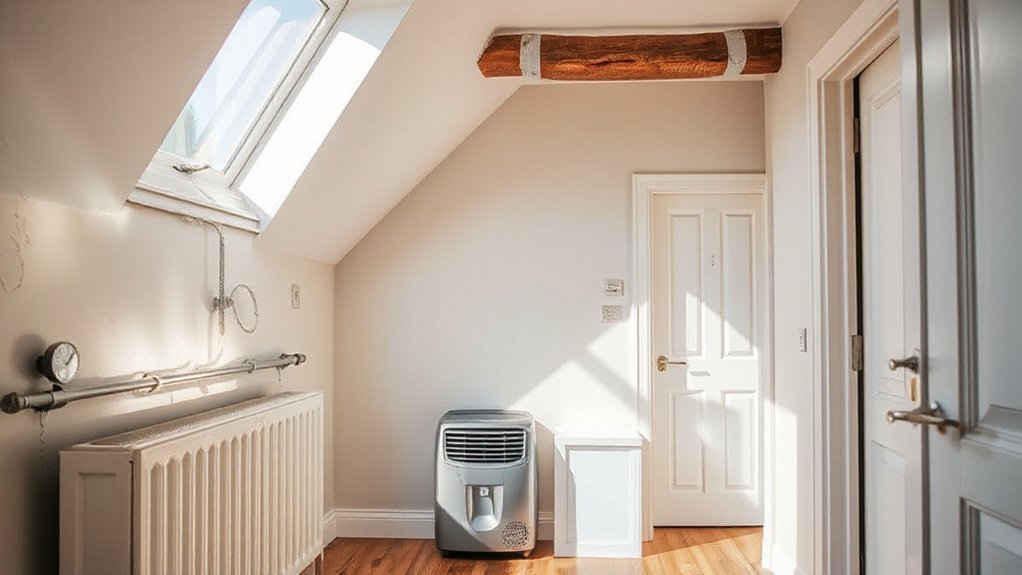
Condensation and damp are common in old terraces, but they’re manageable with practical, targeted steps. You’ll start with ventilation strategies that move air without wasting heat: use trickle vents, exhaust fans in bathrooms and kitchens, and cross-ventilation by opening adjacent rooms.
Maintain consistent moisture control by regulating humidity with dehumidifiers during peak damp seasons and by keeping relative humidity around 40–60%. Reduce interior moisture sources: vent laundry drying to outside, use lids on pots, and fix any obvious leaks promptly.
Insulate cold surfaces where appropriate, focusing on stable, breathable materials that suit historic fabric. Clean mould with a mild mildew solution and repaint using breathable limestone-based or limewash finishes.
Regular checks keep you proactive, preserving the building’s character and structure.
Quick Plumbing Wins: Leaks, Pressure, and Care
Quick plumbing wins start with the basics: fix leaks fast, monitor pressure, and care for fittings to protect your terrace’s fabric.
You’ll start with a visual check—pipes, joints, and seals—looking for drips, corrosion, or damp spots that signal trouble before it worsens.
Address leaks promptly to minimize damage to plaster, plasterwork, and woodwork, and replace worn washers or faulty valves with compatible, heritage-friendly fittings.
Monitor water pressure; aim for a steady, moderate flow to reduce strain on aging pipes and fixtures.
Add pipe insulation where cold spots exist to prevent condensation and freezing risks.
Keep fittings dry and accessible, label shutoffs, and schedule periodic inspections to sustain performance, reduce waste, and preserve the building’s fabric holistically.
Draft-Proofing and Sound Floors for Comfort
You’ll start by evaluating draft-entry points and choose practical seals that respect original fabric, keeping the home breathable and true to its era.
Next, consider quiet floor solutions that cushion footsteps without heavy modification, prioritizing materials that insulate while preserving plaster and timber.
Finally, select comfort-oriented materials that balance performance with historical integrity, so sound and warmth feel natural, not invasive.
Draft-Proofing Techniques
Draft-proofing is essential in old terraced homes, where shared walls and aging frames can let cold air seep in and cause noise transfer. You’ll start with a careful assessment: identify air leakage points at doors, windows, and utility penetrations, and note where plaster cracks or gaps in skirting boards repeat along parties.
Use affordable, reversible measures that respect fabric and history. Install draft stoppers on doors and consider low-profile sweeps for sash windows to curb convective flow without altering original geometry. Seal with breathable, compatible materials to maintain moisture balance.
Prioritize stepwise improvements over one-off fixes to avoid trapping dampness. Combine door seals with weather-stripping and targeted insulation where feasible. This approach minimizes air leakage while preserving the building’s character and comfort.
Quiet Floor Solutions
Ever wondered how to reduce floor noise and cold drafts without compromising historic character? You can pursue quiet floors by a precise, staged approach.
Start with thorough assessment: identify sources of floor vibration and draft paths, then plan discreet interventions that respect timber fabric.
Use slim, removable battens to decouple flooring from joists where feasible, minimizing vibration transmission without visible alteration.
Select soundproofing materials that are breathable and compatible with historic assemblies, such as mineral wool or acoustic boards, installed between joists or under lightweight overlays.
Seal gaps at perimeter edges and at service penetrations with flexible, paintable sealants to reduce draught channels.
Finish with an unobtrusive floor surface that preserves patina while providing comfort.
Prioritize reversible methods and documentation for future preservation.
Comfort-Oriented Materials
Could you improve comfort in old terraces by choosing materials that draft-proof while maintaining acoustic quality and historic integrity? You balance function with form, selecting draft-proofing methods that don’t erode character.
Focus on mineral wool or responsive membranes behind existing plaster, paired with solid doors and gasketed joints to reduce drafts without sacrificing structural breath. For floors, combine underlayment with sound-absorbing boards or cork to dampen footsteps while preserving tactile resonance.
Use fixings and finishes that are reversible, preserving historic preservation values and allowing future restoration. Prioritize natural, breathable materials that regulate moisture and minimize acoustic transfer.
Aim for aesthetic enhancements that are subtle, cohesive, and respectful of period details. Your approach should be holistic: comfort, sound, and heritage in concert.
Safety Checks You Can Do: Electrical, Stairs, Ventilation
To keep older terraced homes safe and comfortable, start with practical checks you can do yourself: inspect electrical outlets and cords for cracks, replace damaged components, and guarantee switches are sturdy and properly labeled. You’ll assess electrical safety by making sure plug sockets are tight, cords aren’t frayed, and adaptors aren’t overloaded.
Check stairs stability by testing handrails, noticing loose treads, and lighting steps clearly for each ascent.
Look at ventilation briefly: make certain unobstructed airflow, verify vents aren’t blocked, and open habits promote air exchange.
Prioritize preservation-minded actions: repair rather than replace when feasible, choose historically appropriate materials, and document changes for future maintenance.
If anything feels unsafe or complex, plan a professional review, but perform routine, low-risk checks regularly to sustain long-term integrity.
Safety hinges on consistent, informed vigilance.
When to Hire a Pro and Plan Long-Term Upgrades
Deciding when to hire a pro and how to plan long-term upgrades hinges on balancing safety, preservation, and practicality: assess your skills honestly, prioritize issues that require licensed expertise, and map a phased approach that protects original fabric while accommodating essential improvements.
You’ll evaluate if tasks are within DIY limits or demand professional oversight, then set clear milestones. Renovation planning should align with listed priorities: structural integrity, energy efficiency, and reversible changes that preserve character.
When it’s time to engage a pro, prioritize contractor selection that values heritage details, transparent schedules, and conservative methods. Document decisions and maintain records for future work.
A holistic plan avoids piecemeal fixes, ensuring each upgrade supports stability, accessibility, and long-term beauty without compromising historic value.
Frequently Asked Questions
Can Older Terraced Homes Have Hidden Structural Issues?
Yes, older terraced homes can have hidden structural issues. You should prioritize a foundation inspection and roof repairs, approach holistically, and preserve integrity, ensuring precise assessment, careful reinforcement, and proactive maintenance to safeguard the dwelling’s long-term stability.
How to Prioritize Repairs With a Tight Budget?
Could you prioritize repairs with budget planning in mind, so you maximize impact? You should map risks, costs, and preservation needs, then implement urgent fixes first, maintaining structure while balancing aesthetics through holistic, preservation-minded repair prioritization on a tight budget.
What Ventilation Setup Best Suits Small Terraces?
You should prioritize a balanced setup: use natural airflow through well-placed operable vents and windows, complemented by mechanical extraction in humidity-prone zones, ensuring continuous, holistic ventilation that preserves structure while reducing moisture and mold risks.
Are There Age-Friendly Electrical Safety Upgrades?
You improve safety by upgrading to age-friendly electric work, like smart wiring and circuit upgrades. Think of it as gardening your home: precise, preservation-minded, holistic, and protective, so you stay safer while enjoying modern convenience and reliability.
How to Maintain Heritage Features Without Compromising Safety?
You maintain heritage features by balancing Historical preservation with Modern adaptations, ensuring safety improvements hideably integrate. You assess materials, preserve detailing, and upgrade systems thoughtfully, prioritizing structural integrity and genuine character while you protect occupants and cultural value.
Conclusion
In preserving your terrace, you tend a living archive. Think of each brick as memory, each gutter a mouthful of rain retold. By diagnosing, insulating, and ventilating, you’re pruning rot and inviting breath back to the walls. When you plan long-term upgrades, you’re laying a rescue rope for future tenants of this home. With steady hands and a holistic eye, you safeguard character while ensuring safety, comfort, and longevity endure—quietly, like a lamp that never quite goes out.