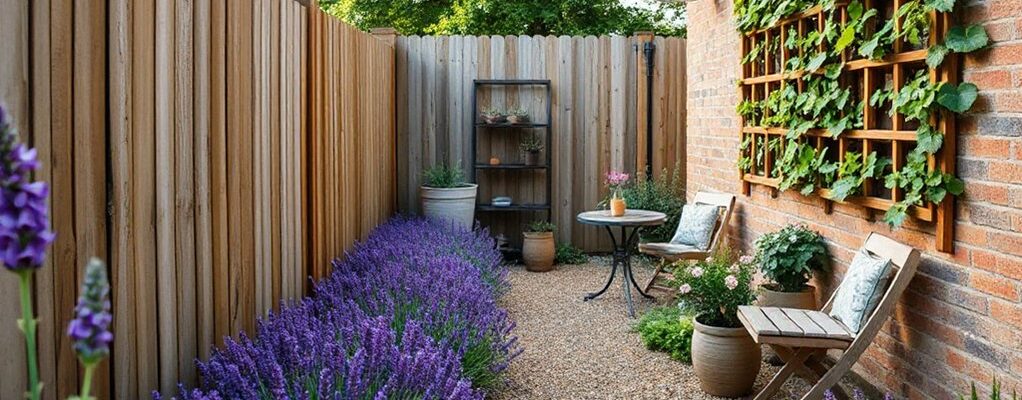
Turn a compact UK garden into a usable, inviting space with smart layout and practical planting. Think layered planting, vertical growth, and careful sightlines to create depth without crowding. Use multipurpose furniture, wide paths, and defined zones to boost function. Add focal points and seasonal interest, but keep maintenance realistic. Curious how small tweaks—containers, tiered stands, and wildlife-friendly touches—could transform yours without breaking the bank? There’s a simple approach that starts with the basics.
How to Make a Small UK Garden Feel Bigger (Foundations and Design Principles)
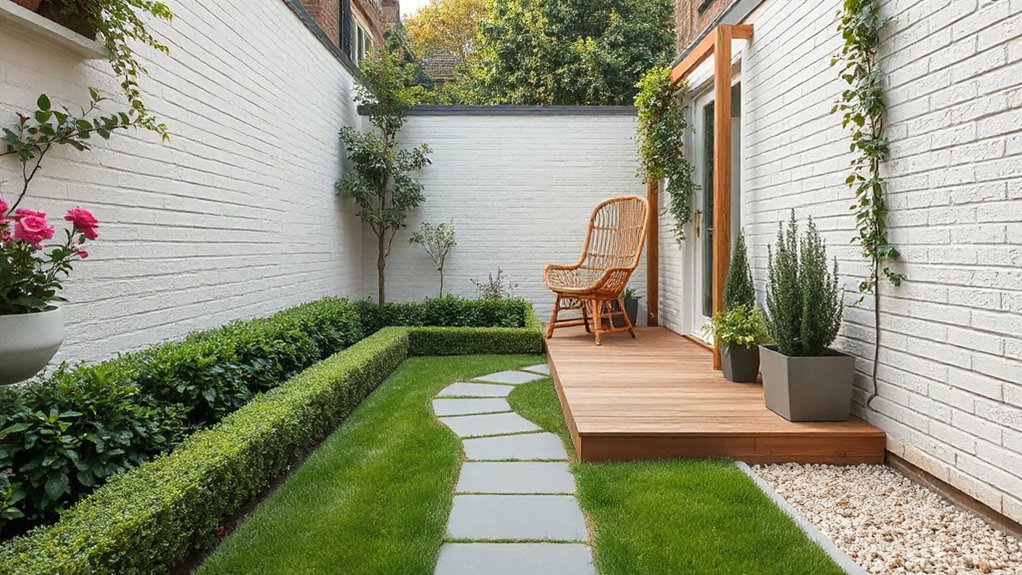
A small UK garden can feel instantly bigger if you think in layers: start with a clear foreground, midground, and background so the eye travels smoothly through the space. You’ll frame each layer with simple, repeating lines—low edging in the front, mid-height shrubs, and a higher backdrop. Use reflective surfaces sparingly to extend light, and keep paths wide enough to invite movement without crowding. Choose a cohesive palette of greens and neutrals to unify elements; run plants in drifts rather than individual steaks. Introduce garden art as focal points along sightlines, not clutter. Create a wildlife habitat with diverse nectar sources, shallow water, and sheltered nooks; these attract birds and insects, enriching texture and seasonality. Maintain scale, avoid overload, and edit annually for balance.
Budget-Friendly Layout Tricks for Compact Spaces (How to Zone, Sightlines, and Flow)
You’ll zone your space for function first, so high-traffic areas stay clear and useful. With careful sightlines and smooth flow, you’ll guide movement and create visual connections from one area to the next. Use budget-friendly tactics like versatile furniture and layered plantings to define zones without clutter.
Zone For Function
Zone planning can transform a compact garden by separating functions without sacrificing openness. When you define zones, use low-cost clues like paving shifts, borders, or step-down levels to guide movement and clarify purpose. Start with a dining or lounge area—position it near the house for buffers from weather and a quick route to indoors. Use portable or foldable Garden furniture to adapt as needs change, and keep storage nearby to maintain tidy spaces. Create a dedicated play or hobby corner with durable flooring and clear boundaries so kids or projects don’t spill into entertaining zones. Add a small Water features or a bubbler to provide sensory cues without dominating space. Maintain sightlines by keeping clutter out of connection paths.
Sightlines And Flow
Sightlines and flow tie zones together so your garden feels open yet organized, even in a tight footprint. You’ll guide sight with low borders, clean steps, and clear focal points, avoiding sight-blocking clutter. Use color coordination to unify areas: choose a cohesive palette for furniture, pots, and timber, then repeat accents to draw the eye along desired routes. Plant layering adds depth: place taller shrubs at the back, mid-height perennials in front, and groundcovers at the feet to create a stepping-stone rhythm that expands perceived space. Keep paths unobstructed and switchback-friendly, so movement feels natural rather than forced. Balance hardscape and softscape with proportionate scales, ensuring each zone remains legible at a glance.
- Define routes with lightweight edging
- Repeat a unifying color scheme
- Layer plants by height and texture
- Use narrow, winding paths
- Design focal points for sightlines
Budget-Friendly Tactics
If you’re working with limited space, smart zoning and clear sightlines don’t have to cost a fortune: start with simple, repeatable layouts that guide movement and define areas. In budget-friendly tactics, use paint, gravel, or stepping stones to mark zones and create flow without major upheaval. Choose compact garden ornaments to add personality without crowding borders; place them at focal points to draw the eye and inform paths. Layer height with low shrubs, verticals, and trellises to produce perception of depth without bulk. Incorporate water features sparingly—a small fountain or bubbler gives movement and sound, elevating space on a budget. Keep scales proportional: avoid oversized furniture or ornaments that overwhelm. Prioritise function: seating, storage, and defined borders to maximise usable space.
Vertical and Multi-Use Planting Ideas to Save Ground Space
Vertical and multi-use planting solutions let you grow more without crowding your beds. You’ll maximise space by stacking, trellising, and pairing plants in clever arrangements, keeping paths clear and beds accessible. Think vertical rails, hanging pockets, and wall-mounted planters to multiply growing areas without widening your footprint. Use versatile, multi purpose containers that suit sun, shade, and moisture, then group plants by needs to simplify care. Choose compact varieties and staggered cadences for continuous harvests. Accessibility matters: place tall elements where you’ll stand, not reach. Regularly rotate crops to maintain soil health and minimize pests. With intent, your garden becomes lush and productive without feeling crowded.
- Vertical gardens with trellis support
- Wall-mounted and hanging planters
- Tiered stand and caddy systems
- Multi purpose containers (varied sizes)
- Compact, fast-cycling crops
Smart Storage Solutions That Declutter and Free Space
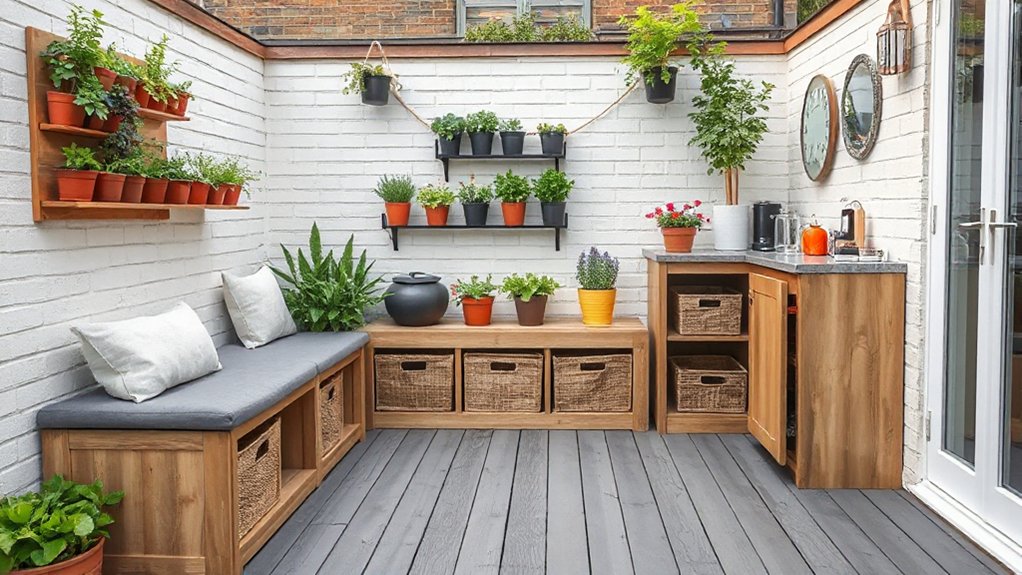
Smart storage can dramatically free up space without sacrificing accessibility. In a small garden, you’ll gain room by choosing furniture with built-in racks, benches that lift to reveal tools, and wall-mounted shelves that keep essentials visible yet off the ground. Opt for compact, stackable containers and label them clearly to simplify duties and reduce overstuffing. Creative containerization lets you group similar items—seed packets with labels, gloves, hoses—in streamlined bays, so every inch serves a purpose. Use decorative accents to soften utilitarian solutions, like woven baskets or ceramic tins that blend with plants. Consider magnetic tool strips and narrow pegboards for quick grabs. Regularly reassess what you truly need, then rotate or retire items to maintain a clutter-free, functional space.
Sunny Seating and Shade Strategies for Microyards
Maximizing sun and comfort in a microyard means choosing seating that invites nearby warmth while staying compact and functional. You’ll balance shade and sun by selecting portable options, folding chairs, and slim benches that tuck along walls or under windows. Position a small, angled table to make meals or coffee easy, and choose cushions with quick-dry fabrics to keep maintenance minimal. For shade, use a retractable parasol or lightweight sail to cover key seating without crowding space. Add greenery near edges to soften heat and create a cool feel. Incorporate style with patio furniture that fits the footprint, and accent with garden art for personality and reflection.
- Compact lounge set with weather-ready cushions
- Slim bench partnered with a foldaway table
- Retractable parasol or shade sail
- Planters aligning seat edges
- Garden art as focal accents
Low-Maintenance Hedges and Groundcovers for Year-Round Structure
Low-maintenance hedges and groundcovers give your microyard structure without demanding time. You’ll choose evergreen hedges that stay tidy year-round, reducing the need for frequent pruning while defining borders and creating privacy. Pair these with low-growing groundcover plants that fill gaps, suppress weeds, and soften edges without choking pathways. Look for species that thrive in UK sun or partial shade, with drought tolerance and steady growth to avoid constant care. Compact forms suit small spaces, while layered textures add depth from spring bloom to winter foliage. Planting is quick: install plugs or small slips, water deeply, and mulch to conserve moisture. Regular but simple checks—snip a few stray shoots, refresh mulch—keep structure intact with minimal effort.
Quick Wins: Seasonal Planting, Maintenance Schedule, and Next Steps
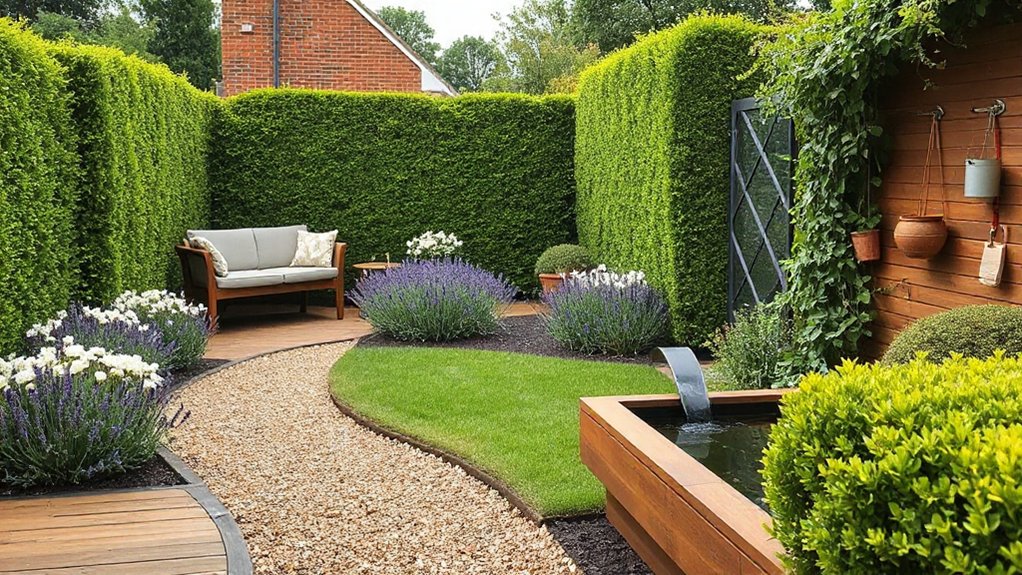
Seasonal planting timelines help you align seeds and starts with your local weather, so you’ll plan now for spring blooms or autumn color. A simple maintenance schedule lays out monthly tasks, keeps chores manageable, and guarantees your garden stays neat and thriving. Next-step actions translate your plan into quick wins, from choosing plantings to setting reminders and tracking progress.
Seasonal Planting Timelines
Seasonal planting timelines guide you to plant the right crops at the right moments, so you can maximize blooms, yields, and garden health all year round. You’ll align seed sowing with frost dates, choose hardy varieties for shade, and time succession plantings to keep spaces productive. Plan container gardening options for compact spots and balcony access, ensuring efficient water use. Include wildlife-friendly choices to support pollinators and birds, creating a lively scene throughout seasons. Track last-frost targets, soil readiness, and monthly notes to stay on schedule. This approach reduces waste, boosts harvests, and keeps your garden visually appealing.
- Map frost dates and last-frost targets
- Schedule succession planting for continuous harvests
- Use container gardening for tight spaces
- Plan wildlife-attracting, pollinator-friendly crops
- Maintain a simple monthly log for adjustments
Maintenance Schedule Essentials
A solid maintenance schedule keeps your garden thriving with minimal fuss, so you can enjoy steady progress without guesswork. Start with a simple weekly check: prune spent blooms, remove debris, and inspect irrigation for leaks. Schedule seasonal tasks like mulching before winter and dividing perennials in spring to keep beds tidy and healthy. Integrate quick wins such as seasonal planting to refresh color without overhauling borders. Record reminders for fertiliser cycles and pest notes, so you never miss a critical window. Let garden art act as focal points, rotating containers and sculptures to keep interest high without crowding space. Encourage wildlife habitat by leaving tiny brush piles, sealing gaps for nesting birds, and choosing native mix that supports pollinators. Your routine stays practical, precise, and rewarding.
Next-Step Action Plan
To kick off your Next-Step Action Plan, focus on three quick wins that keep momentum without overhauling your beds: seasonal planting swaps to refresh color, a practical maintenance schedule to prevent slips, and clear next steps that translate tasks into a simple, time-bound calendar.
- Choose seasonal plants that complement existing borders and attract birds for Bird friendly features
- Create a simple, repeatable maintenance rhythm (weekly quick checks, monthly deeper tasks)
- Map tasks to a calendar with deadlines and responsible days
- Design small wildlife-friendly corners to support Wildlife habitats
- Note seasonal color shifts and plan replacements accordingly to minimize disturbance
This approach keeps space practical, inviting, and ready for ongoing transformation.
Frequently Asked Questions
How Can I Measure My Garden for Small-Space Planning?
To measure your garden for small-space planning, start by outlining the shape and noting boundaries, gates, and slopes. Measure every segment, then map distances for garden furniture and outdoor lighting placements to maximize flow.}else
Which Materials Minimize Upkeep in Tight UK Spaces?
You should choose durable, low-maintenance materials like composite garden furniture and porcelain decorative paving, which resist weather and staining, reducing upkeep in tight UK spaces while staying comfortable, stylish, and easy to clean and arrange.
What Are Affordable, Compact Planting Options for Shade?
You’ll want shade tolerant plants like hostas and ferns, plus compact flower varieties such as calibrachoa and vinca, which thrive in limited light. They’re affordable, space-saving, and easy to maintain while delivering color and texture.
How Often Should I Prune Vertical Garden Features?
Like a clockwork garden, you should prune vertical garden features every 4–6 weeks in growing season. You’ll keep vertical plant care steady, prune frequency steady, and prevent overgrowth while maintaining shape and healthy, productive growth.
Can I Install Irrigation Without Professional Help?
Can you install irrigation without professional help? Yes, you can, but plan carefully. Use DIY installation steps, follow manufacturer guides, and know limits. Schedule Professional consultation if tricky issues arise or for system design and zoning.
Conclusion
In essence, your small UK garden can feel immeasurably bigger with smart zones, vertical layers, and versatile furniture. Think zones that guide flow, reflective surfaces that bounce light, and multi-use planters that cut clutter. A quick stat to note: layered planting can boost perceived space by up to 20% through depth and color contrasts. Start with a simple focal point, add a few containers, and schedule seasonal tweaks—the garden grows with you, not against you.