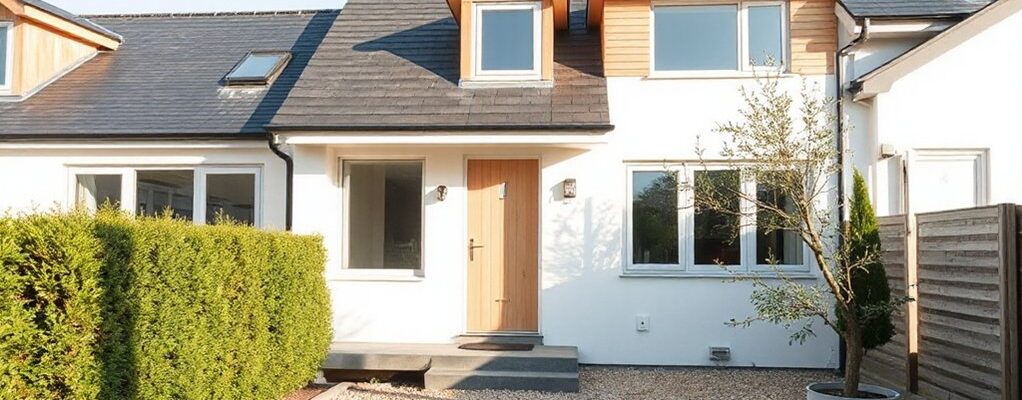
A striking 60% of Nordic homes prioritize natural light in small layouts. You’ll find that bright layouts, warm woods, and neutral textures translate beautifully to semi-detached living, balancing openness with coziness. Think clean lines, tactile finishes, and subtle contrasts that feel calm rather than clinical. Ready to see how simple zoning and sustainable choices can transform your home without sacrificing privacy or personality?
Why Nordic Design Fits Semi-Detached Living
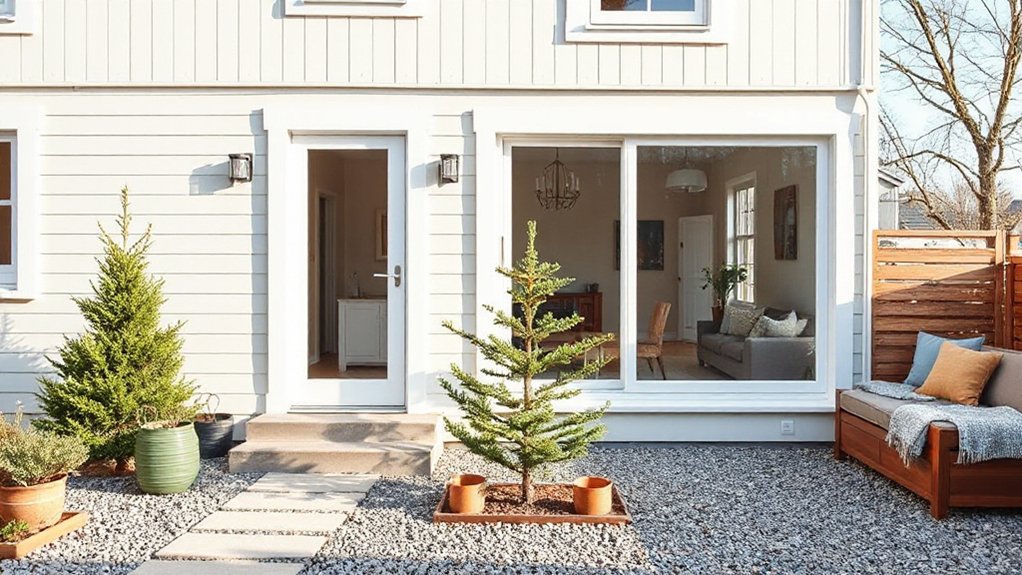
Nordic design fits semi-detached living because its calm, uncluttered aesthetic suits shared boundaries and compact spaces. You’ll notice how clean lines and restrained color palettes create breathing room, even where walls are close. Nordic minimalism guides you toward intentional choices: fewer pieces, more meaning, and a sense of quiet order that makes mornings smoother. You prioritize storage that tucks away essentials, so shared walls stay serene rather than crowded. Scandinavian efficiency informs how you plan light, heat, and flow, ensuring every square meter serves a purpose without feeling crowded. You’ll also value natural materials that age gracefully, reinforcing a cohesive mood across the home. This approach supports harmony, practicality, and enduring appeal in semi-detached living.
Bright Layout Principles for Small Semi-Detached Homes
Brighten small spaces with smarter layouts that maximize every corner. Use clean lines and minimal clutter to keep the flow open and airy. Let the space feel larger by pairing bright surfaces with thoughtful storage and balanced light.
Brighten Small Spaces
To make small semi-detached homes feel airy, maximize natural light and keep surfaces uncluttered. You choose bright, clean palettes and reflectivity to bounce light across rooms. Favor minimal furnishings with sensible, dual-purpose pieces that don’t trap shadows. Use lighting techniques like layered illumination—ceiling, task, and accent lights—to eliminate dim corners without glare. Mirror placements and glass elements amplify daylight, while sheer drapes soften without blocking it. Keep architectural features honest: recessed lighting, slim profiles, and open sightlines preserve space. Color psychology guides you toward cool neutrals with warm undertones to create calm, cohesive atmospheres. Avoid heavy textures; opt for smooth finishes that read as expansive. Plan layouts that invite flow, ensuring every glow serves purpose, not clutter.
Clean Lines, Open Feel
Clean lines create an open feel by reducing visual clutter and emphasizing flow. You embrace this by choosing simple silhouettes and avoiding ornate details. Let spaces breathe, aligning furniture along walls to preserve sightlines and maximize natural light. Minimalist furniture supports a calm, cohesive vibe, while clutter-free surfaces reflect deliberate, intentional living. Use geometric patterns sparingly—think a rug, throw pillows, or wall art—to introduce rhythm without overpowering the room. Keep materials neutral and consistent, mixing wood, wool, metal, and glass for texture without noise. Integrate built-in storage to maintain tidy, hidden surfaces. Choose a restrained palette, with pops of your preferred accent color for focal points. Finally, guarantee continuity between rooms so the home feels seamless, bright, and grounded in purposeful design.
Natural Materials and Warm Woods for Cozy Interiors
Natural materials and warm woods bring Nordic calm to semi-detached interiors. You build a grounded base with exposed timber beams, birch floors, and columns of limestone. Choose boards with visible grain for texture, then balance with soft textiles to keep spaces inviting. Focus on eco friendly finishes that protect surfaces without harsh chemicals, and opt for low-VOC sealants on timber to preserve the warm glow. You’ll find that handcrafted accents—hand-turned knobs, carved bowls, artisanal joins—introduce character without clutter. Keep lines clean: let furniture sit against light walls, not overpowering the wood. Prioritize durability, easy maintenance, and a cohesive palette that lets natural grain lead. The result: a calm, cozy interior that feels intentionally crafted and timeless.
Neutral Palettes With Texture for Calm Interiors
You’ll discover how neutral textures soften spaces while keeping a calm, cohesive feel. Soft finishes layer subtly, creating a tranquil palette that remains visually interesting. Let’s start with subtle material layers and calm color tones that guide the eye through each room.
Neutral Textures, Softens
Neutral textures soften a palette of creams, beiges, and warm grays, creating a calm, cohesive interior across a semi-detached home. You’ll notice how natural fibers and matte finishes gently diffuse light, keeping rooms airy without glare. Textural contrast appears through woven rugs, linen throws, and ribbed cushions, while smooth surfaces provide balance, preventing noise from piling up in corners. You pair timber accents with ceramic pieces to add warmth without overpowering the palette. Tactile layering invites you to explore depth: a soft rug beneath a structured coffee table, a velvet cushion against a cotton sofa, a nubby wall hanging near a sleek cabinet. This approach maintains simplicity while enriching the environment with subtle, refined character.
Calm Palette Inspirations
Calm palette inspirations hinge on soft neutrals paired with tactile textures that soften edges and invite calm. You’ll balance warm and cool undertones to sustain perceptual quiet in rooms that feel expansive yet cozy. Choose pale stone, airy taupe, and muted greys as a base, then layer with textiles that add depth without shouting. Color psychology guides you toward serene, sleep-friendly environments; keep each color dominant in small areas to avoid overstimulation. Painting techniques matter: matte walls reduce glare, while a subtle eggshell or satin finish softens light without sheen. Introduce texture through woven throws, linen drapes, and wool rugs instead of heavy furniture. Maintain cohesion with a restrained palette, allowing natural materials to sing and the space to breathe.
Subtle Material Layers
Soft textures and tactful layering create calm textures without clutter. You’ll find subtle material layers define spaces without shouting. In this approach, neutral palettes meet tactile variety, so your rooms feel cohesive yet inviting. Start with a smooth foundation—plaster walls, pale timber floors—and add restrained contrasts. Introduce layered textures: a wool rug, cotton drapes, linen cushions, and a suede throw, each element softly interrupting the light. Use material contrast to emphasize corners and furniture silhouettes, not overpower them. Keep surfaces clean and free of excess ornament, letting natural grain and matte finishes do the talking. Pair high- and low-sheen surfaces to create depth. The result is calm interiors that read organized, balanced, and timeless, perfectly aligned with Scandinavian restraint.
Nordic Facade Refresh for Quiet Street Presence
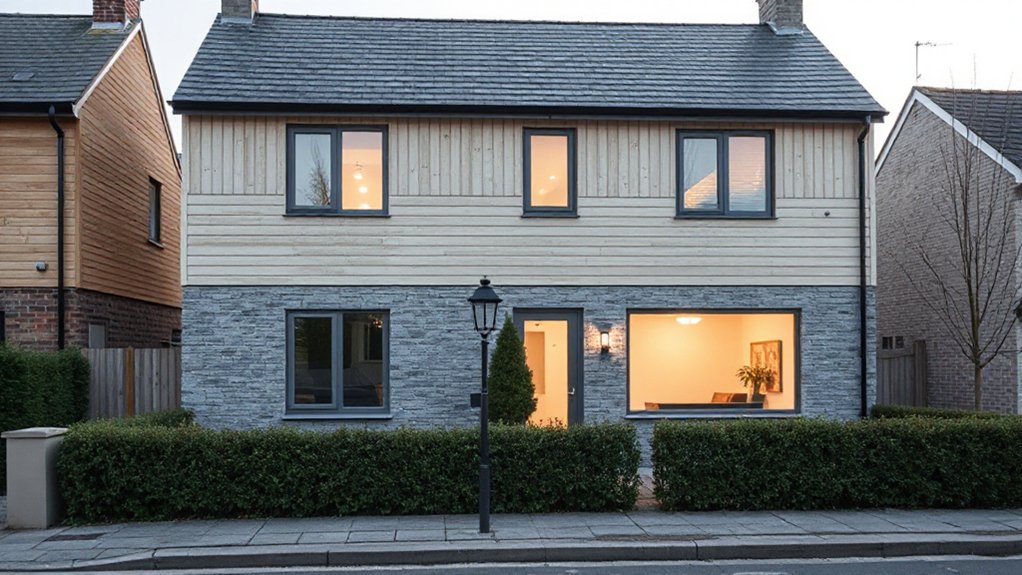
A Nordic facade refresh quietly boosts curb appeal by embracing simple geometry, natural materials, and restrained color. You simplify lines, favoring unadorned geometry that reads clean from the street. Choose Facade materials that feel warm yet light—tinted timber, fiber cement, or smooth stucco—so the house recedes into the neighborhood rather than shouting. A refined palette of whites, pale grays, and earthy undertones preserves a quiet presence. Balance massing with careful proportion; avoid busy ornamentation to keep the façade legible from a distance. Integrate street landscaping that complements the composition: low hedges, a narrow lawn strip, and discrete path lighting. The result is a timeless, approachable face that invites, without competing, with neighboring homes.
Practical Zoning for Open, Connected Living
With a Nordic-inspired facade establishing a quiet, cohesive street presence, you can now shape open, interconnected living zones that suit semi-detached homes. Begin by defining clear zones: cooking, dining, and lounging flow into each other without barriers, yet maintain quiet corners for focus. Prioritize sightlines that connect indoor and outdoor areas, reinforcing the sense of space. Use consistent materials, pale wood tones, and restrained textiles to unify rooms while preserving individuality. Consider Garage conversion as a flexible edge to the living area—a workspace, pantry, or studio that can retract visually when not in use. Plan Private outdoor spaces adjacent to primary rooms, so daylight and furniture placement support usable, year-round enjoyment. Keep circulation logical, door heights generous, and clutter minimal for effortless, open living.
Sustainable Choices That Endure in Nordic Homes
Sustainable choices endure in Nordic homes when you prioritize efficiency, durability, and low-maintenance design. You’ll feel the clarity in every decision, from materials to systems, making daily living calmer and more resilient. Choose builds and components that perform year after year, reducing waste and upkeep. Eco friendly insulation and renewable energy sources empower you to lower bills and carbon impact without compromising comfort.
- Prioritize airtight, well-insulated envelopes for steady warmth
- Use renewable energy systems and smart controls to maximize savings
- Select durable, low-maintenance finishes that age well
- Opt for recycled or responsibly sourced materials with clear lifecycle data
Soft Details: Textiles, Accessories, and Artwork to Finish
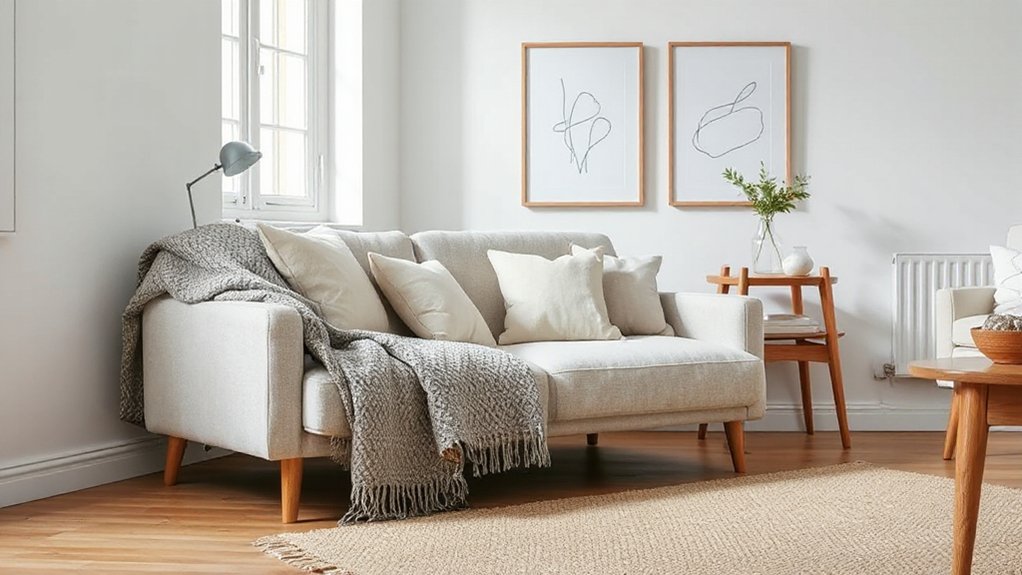
Soft details bring warmth and personality to a semi-detached Scandinavian home. You’ll finish with restraint: select textiles that layer subtly, creating texture without visual noise. Prioritize natural fibers—linen, wool, cotton—in neutral tones, then introduce one or two complimentary hues for depth. Think textile layering in cushions, throws, and a textured rug to anchor the seating area, keeping patterns minimal and cohesive. Accessories should be deliberate: a single vase, a candle, or a woven basket can serve as calm focal points. Artwork placement matters; choose a few well-chosen pieces and hang at eye level for balance, avoiding clutter. Maintain cohesion by repeating materials and finishes across rooms, letting light, space, and form lead the overall finish.
Frequently Asked Questions
How Can Color Influence Perceived Space in Semi-Detached Nordic Interiors?
Color psychology guides how you perceive space: light tones expand rooms, while darker accents add depth. Use tone contrast sparingly to maintain calmness; you’ll feel open, cohesive, and balanced, with color cues directing attention and improving perceived scale.
What Budget-Friendly Nordic Upgrades Work Best for Semi-Detached Homes?
You’ll find the theory that small changes matter holds: start with vintage textiles and minimalist furniture, then add warmth with timber accents. These budget-friendly Nordic upgrades for semi-detached homes feel cohesive, functional, and comfortably timeless, with renewed calm and order.
Which Nordic Lighting Setups Maximize Daylight in Tight Semi-Detached Plans?
You maximize daylight with eco friendly lighting and minimalist fixtures, selecting slim skylights and reflective surfaces. You prioritize layered daylight, use strategically placed fixtures, and pair neutral tones with efficient LEDs to keep spaces bright and cohesive.
How to Balance Privacy With Openness in Semi-Detached Layouts?
You’ll balance privacy and openness by clever sightlines and flexible screens, maximizing garden privacy while maintaining outdoor connectivity. You’ll feel instantly secure yet connected, shaping spaces where privacy thrives and light flows, with minimalist, organized, cohesive design guiding every choice.
What Maintenance Is Required for Natural Materials in Nordic Homes?
Natural finishes require regular cleaning and gentle upkeep, you’ll seal and inspect every year. Use protective coatings sparingly, guard against moisture, and fix spills quickly. This supports material longevity with consistent maintenance and mindful use.
Conclusion
In semi-detached Nordic living, you’ll notice how openness meets coziness: bright layouts, warm woods, and quiet textures harmonize to feel both spacious and inviting. One striking stat: homes designed with natural materials cut air pollution exposure by up to 40% compared with synthetic interiors, boosting wellbeing. Keep your spaces uncluttered, let light flow, and choose sustainable finishes. With thoughtful zoning and soft textiles, you create a calm, durable home that ages gracefully with you.