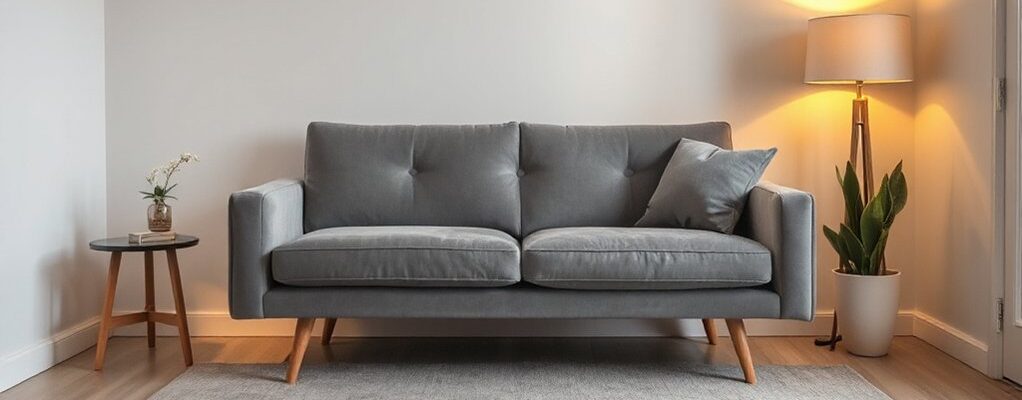
Did you know that a sofa’s depth and leg exposure can make a tiny room feel twice as open? You’ll want a low-profile, slim-arm silhouette that preserves floor space, plus modular options that flex with your layout. Prioritize precise measurements, clear pathways, and exposed legs to maintain airiness. With a calm color, clean lines, and smart textiles, you’ll gain visual breathing room—and a few clever moves to test before you commit. The next step helps you map your space without guesswork.
Define Your Space: Must-Have Functions and Traffic
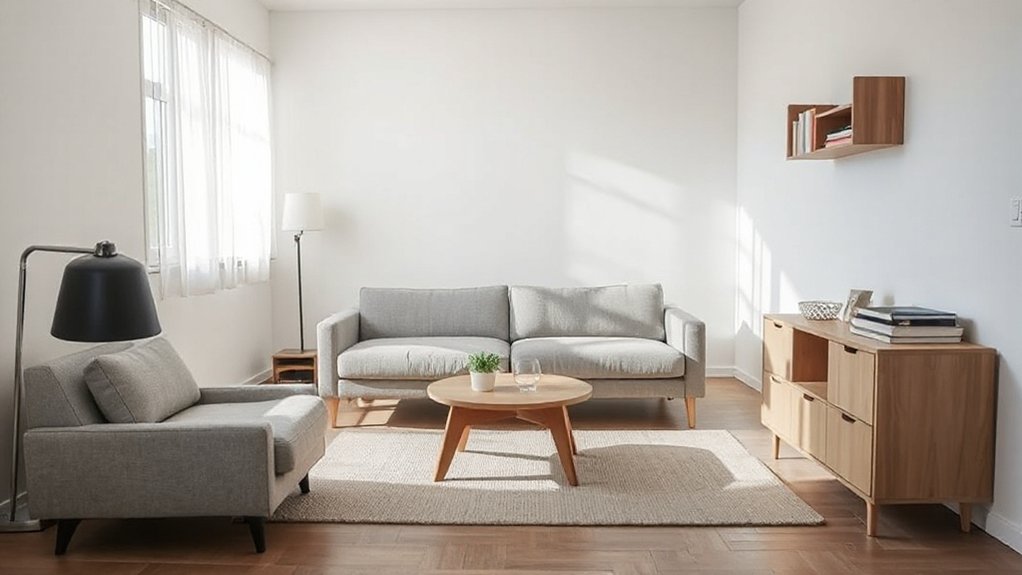
Establishing how you’ll use your sofa is the first step in defining your space. You’ll map must-have functions against traffic flow, avoiding dead zones and bottlenecks. Start by identifying core activities: casual lounging, streaming, hosting guests, or work-focused stretches. Prioritize seating configurations that align with these uses, then assess how often you’ll need to move through adjacent areas. Consider visual impact; a compact, modular layout can flex with changing routines. Think about storage options near the seating for throws, remotes, and magazines, while keeping surfaces clear for clean lines. Decorative accents should reinforce function rather than clutter your path. Finally, test sightlines from key chairs, ensuring you won’t block access to doors or storage. Your space, your rhythm, your intentional, efficient setup.
Measure Like a Pro: Fit, Clearances, and Pathways
Start by measuring before you buy to confirm the sofa fits your space and usage. Consider clearances for movement and access, so doors, hallways, and offsets stay unobstructed. Plan ideal pathway widths to prevent tight squeezes and awkward turns, keeping traffic fluid and the room aesthetically balanced.
Measure Before Purchase
Before you buy, measure like a pro to guarantee the sofa fits your space, flows with traffic, and leaves clear pathways. Accurate measurements prevent misfit, reveal layout constraints, and save returns. Focus on width, depth, and height, then add generous clearance for doorways and entrances. Consider foot traffic and usage patterns to pick a model with durable construction and practical upholstery. Outdoor durability and Material maintenance should guide fabric or finish choices if you’re merging indoor comfort with exterior-facing exposure. Document dimensions and sketch your floor plan to compare options quickly, avoiding impulse purchases.
- Record sofa width, depth, and height, plus doorway measurements
- Check arm and leg stance for unobtrusive passage
- Note ventilation and sunlight exposure
- Match materials to maintenance needs and durability
Clearances For Movement
Clearances aren’t afterthoughts—they’re the backbone of safe, functional living spaces. In small rooms, you measure like a pro to prevent crowding and collisions. Focus on walk-through flow: keep at least 30 to 36 inches of open space between seating and other furniture, and verify doorway access remains unblocked. When you plan decor placement, prioritize sightlines and ergonomic reach—no deep chaises across central paths. Consider furniture arrangement that maximizes movement without sacrificing coziness: opt for compact consoles, slim tables, and elevated storage to reduce footprint. Test each layout by walking the planned route with doors, drawers, and vents in mind. Reassess after adding rugs or throws; small shifts can dramatically improve navigability without compromising style.
Optimal Pathway Widths
Ideal pathway widths balance flow with safety, guaranteeing you can move around the sofa without squeezing or sidestepping furniture. You measure like a pro by prioritizing clearances over aesthetics alone, calibrating gaps to accommodate daily traffic and occasional furniture shifts. Keep doorways, coffee tables, and seating within a single sightline to minimize zigzagging.
- Guarantee main walkways are at least 36 inches wide for comfortable two-person passage
- Reserve secondary paths with 30 inches minimum to prevent crowding
- Plan furniture placement to avoid obstructed routes and allow swift access to storage solutions
- Integrate storage solutions near edges to reduce clutter and maintain open zones for movement
Best Sofa Silhouettes for Small Rooms
When space is tight, choosing a sofa silhouette that fits the room’s scale matters as much as comfort. In small rooms, opt for low-profile profiles that preserve sightlines and airiness, preventing a cramped feel. Slim arms and compact depths optimize seating without crowding floors. Convertible designs offer flexibility without sacrificing footprint, letting you adapt to guests or work zones without moving walls. L-shaped or straight designs can both suit tight layouts, but choose ones with exposed legs or leg-like bases to enhance perceived space. For larger squares, consider sectional configurations that can be rearranged into slim, modular setups, keeping traffic clear. Prioritize solid, neutral fabrics and clean lines to maintain a cohesive, breathable aesthetic throughout the room.
Scale and Proportion: Size Your Sofa Right
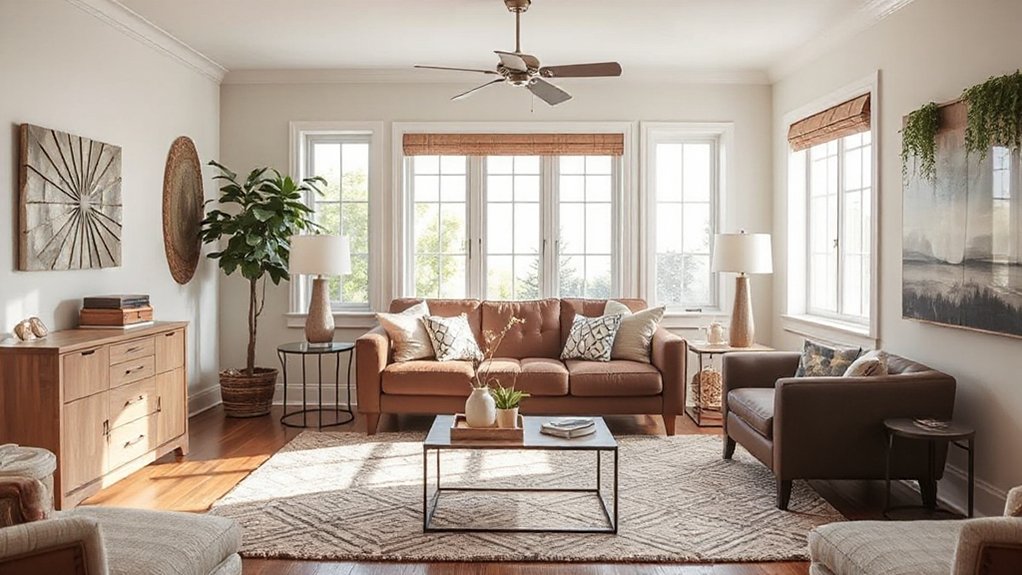
Scale and proportion drive how a sofa sits within a room, not just how it looks. In small spaces, you balance footprint with function, so you avoid overwhelm while preserving seating comfort. Think in ratios: length relative to wall, depth relative to traffic, and height relative to eye level. Choose compact silhouettes, measure doorways, and account for clearance around planters and consoles. Material weight matters—lighter frames feel roomier, heavier upholstery anchors the space. Sofa materials should suit daily use, while upholstery durability keeps this piece looking intentional over time. Prioritize clean lines and proportional arms to maximize forgiving layouts.
- Assess ceiling height and wall length before choosing length
- Compare seat depth to available floor area
- Match arm height to sofa height for visual balance
- Test fabric durability and ease of maintenance
Light, Color, and Fabric: Making a Tiny Room Feel Bigger
Light and color tricks, plus light-weight fabrics, create visual breathing room in a tiny space. You’ll see how reflective surfaces and pale, cool tones widen walls while fabric choices influence perceived depth and brightness. This balance of light-based illusion and fabric color can set the stage for a room that feels larger without sacrificing comfort.
Light-Based Illusion
Bright rooms feel bigger when light colors reflect more, but the secret lies in how you blend light, color, and fabric to create seamless harmony. You’ll use light-based illusion to expand perceived space without sacrificing coziness. Favor ambient lighting that evenly fills corners and softens shadows, avoiding harsh spots. Choose fabrics with subtle sheens or matte textures that bounce light at varied angles, keeping the palette cohesive. In practice, align window treatments with wall tones so daylight reads as one plane, not a contrast burst.
- Use ambient lighting layers to sweep light across surfaces
- Select window treatments that read as part of the wall
- Pair pale textiles with reflective surfaces for cohesion
- Test color under different daylight to preserve balance
Fabric Color Influence
When you choose fabric color in a tiny room, you’re shaping how light travels and how space feels. Light, neutral tones reflect more, expanding perceived depth, while darker hues anchor seating without overpowering viewlines. Color coordination matters: pair a single dominant shade with two supporting tones to maintain cohesion and avoid visual clutter. Fabric durability should guide your selection; choose weaves and finishes that resist wear in high-traffic zones, preserving color integrity over time. Consider tonal variation within a palette to add subtle depth without creating fragmentation. A-movement fabrics with low saturation stay airy yet refined, preventing heaviness. In sum, opt for restrained color stories, durable textures, and deliberate contrasts to prolong the sense of openness.
Seating Plans That Maximize Comfort and Flow
To maximize comfort and flow, arrange seating around a clear focal point—like a TV, fireplace, or conversation cluster—so pathways stay intuitive and traffic isn’t interrupted. You’ll shape a balanced rhythm that guides the eye and preserves openness, using creative seating that invites conversation without crowding. Prioritize sightlines, scale, and proximity so every seat feels cozy, not boxed in. Multi functional furniture helps you reconfigure on demand, converting lounging zones to work nooks or play spaces without clutter. Maintain negative space to avoid friction, and pair textures to reinforce a calm, aesthetic vibe.
- Creative seating adjusts with room needs without sacrificing flow
- Multi functional furniture creates flexible, uncluttered zones
- Strategic sightlines preserve openness while inviting dialogue
- Thoughtful scale aligns comfort with practical movement
Get Value: Budgeting for the Right Sofa
Investing in the right sofa starts with a clear budget bound that honors the seating plan you’ve just designed. You’ll map value against needs, not temptations, prioritizing size, function, and durability over brand hype. Budget planning hinges on choosing fabrics, frames, and warranties that maximize longevity given your space. Look for modular or compact silhouettes that preserve flow without sacrificing comfort. Compare total costs, including delivery, assembly, and potential renovations to accommodate a larger piece later. Consider mid-range options that deliver solid construction, stain resistance, and a generous return policy. Affordability tips: time your purchase during sales cycles, buy secondhand with care, and weigh performance over prestige. This disciplined approach guarantees a sofa that fits now and pays forward.
Finish With Style: Accessories That Extend the Look
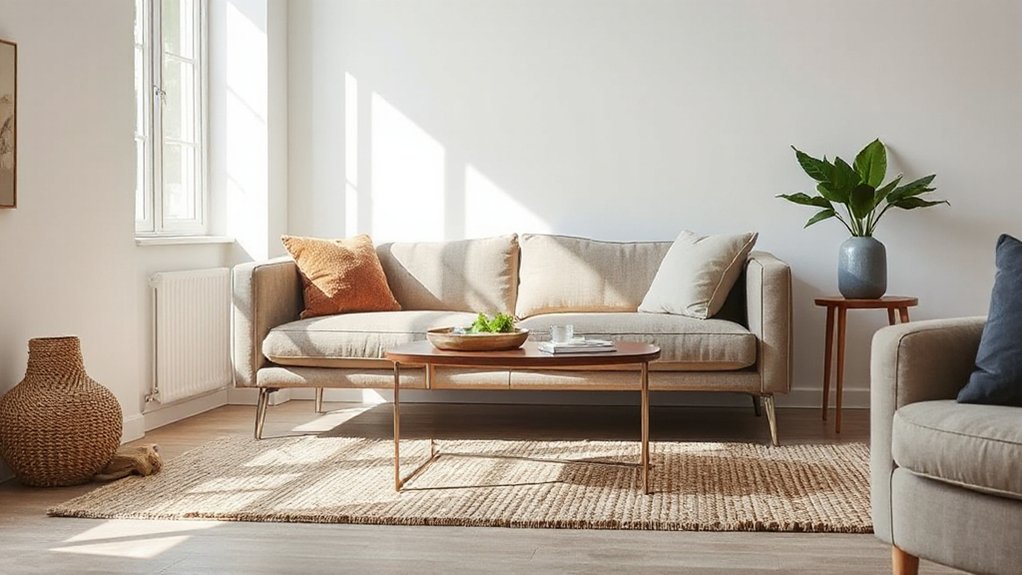
Accessories can extend the sofa’s look by weaving texture, color, and scale into the room without overwhelming it. You want cohesion, not clutter, so choose pieces that echo existing hues and fabrics. Decorative cushions and throw blankets are key, offering instant versatility without changing your layout. Opt for varying textures—knit, velvet, linen—within a restrained palette to maintain calm while adding depth. Size matters: mix small and medium cushions to avoid crowding, and select throws that drape neatly at the arm or back. Balance patterns with solids to prevent visual noise. Layer finishes, not surfaces, using a single metallic or wood accent to unify the space. Keep maintenance simple to preserve a polished, lived-in feel.
- Decorative cushions
- Throw blankets
- Coordinated textures
- Thoughtful balance
Frequently Asked Questions
How Do I Test Sofa Comfort in a Small Space?
You test sofa comfort in a small space by sitting through a few minutes, noting back support, seat depth, and ease of repositioning. Consider fabric durability and armrest design, then compare firmness with your daily tasks and layout needs.
What Sofa Height Works Best for Low-Ceiling Rooms?
A low-profile sofa around 16–18 inches works best in low ceilings. You’ll feel taller, not cramped. Color options and Fabric choices matter; pick light hues and textured fabrics to widen the space and keep lines clean.
Can a Sectional Fit in a Narrow Living Area?
A sectional can fit in a narrow living area if you choose a slim-profile design and plan layout carefully. Prioritize color options that illusionistically expand space and material choices that balance durability with clean lines and comfort.
Are Sleeper Sofas Practical for Tiny Apartments?
Yes, sleeper sofas are practical for tiny apartments when you value form and function. Convertible beds save space, and multi functional furniture keeps rooms uncluttered while still offering guest sleeping options and everyday seating.
How Do I Maximize Seating Without Crowding Traffic?
Maximize seating by using a compact sectional and slim-profile chairs, keeping pathways clear. Color coordination unifies tones, while accent pillows add seating texture. Choose multi-functional pieces and arrange with visual balance to avoid crowding traffic.
Conclusion
When you pick a sofa for a small living room, balance scale, proportion, and flow. You’ll gain about 20% more perceived space by choosing low-profile silhouettes with exposed legs and neutral fabrics. Prioritize modular, compact depths, and flexible arrangements so pathways stay clear. Use cushions to switch looks without crowding. Design’s rhythm comes from contrast—light woods against quiet textiles, sharp lines with soft textures. You’ll create a calm, versatile hub that feels larger yet perfectly livable.