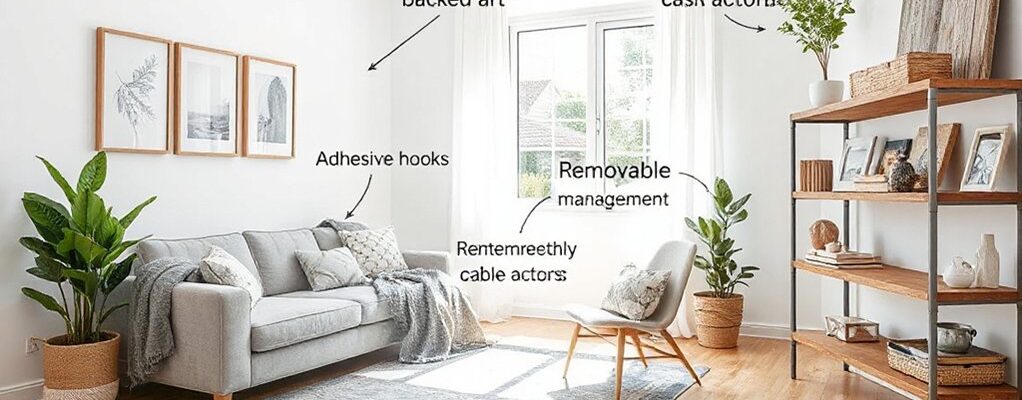
You can refresh a rental without risking your deposit by using removable, non-damaging options like peel-and-stick wallpaper, decals, and adhesive hooks. Think lightweight fabrics, freestanding screens, and washable rugs you can swap out. Document every change with photos and receipts, and keep the landlord in the loop for permissions. Plan textures, colors, and layout tweaks that feel fresh yet reversible, and you’ll have a stylish space—without permanent marks or surprises that could come back to bite you. Now consider your first swap.
Why Rental Decorating Works: Deposits, Permissions, and Safety
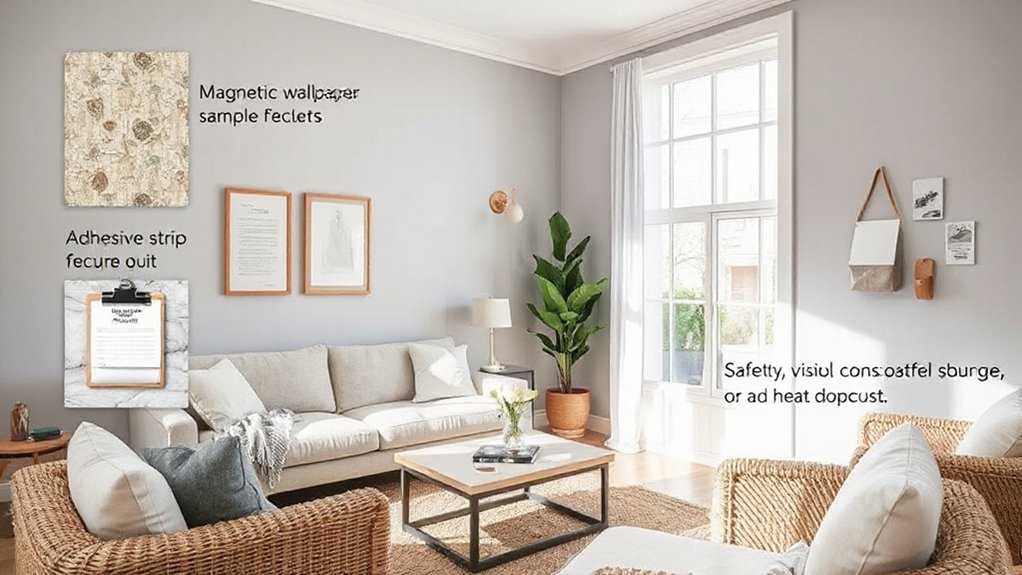
Working within a flat’s constraints actually makes decorating easier: deposits, permissions, and safety give you a clear, practical framework to protect your security deposit while still crafting a space you love. When you tackle wall art and decorative lighting, you’re choosing reversible, non-destructive options first. Use removable hooks, adhesive strips, and temporary wallpaper to test ideas without holes or damage. Confirm permissions for any changes that affect wiring or fixtures, and document conditions before you start. Keep safety at the forefront: choose low-heat bulbs, stable fixtures, and fire-rated materials. Plan a cohesive palette and focal pieces that align with your lease terms. This approach minimizes risk, keeps landlords confident, and lets you personalize with confidence and clarity.
Quick-perm vs. No-perm: What Landlords Actually Care About
Quick-perm tells you what landlords expect upfront, while No-perm hides the details you’ll actually need to know. You’ll want to understand which fixes are allowed, which require written approvals, and what counts as “damaged but repairable.” This quick guide flags the must-knows so you decorate confidently without surprises.
Quick-Perm Signals Landlords
When landlords weigh quick-perm signals against no-perm approaches, they’re really looking for reliability: can you handle tweaks and fixes promptly without inviting damage or delays? You show this with small, reversible actions that stay within the lease’s spirit. Quick-perm signals aren’t about shortcuts; they’re about communication, preparation, and accountability. You document changes, use removable options, and confirm approvals in writing so no backtracking is needed. You prioritize durable, reversible updates that don’t harm structure or resale value. You propose garden décor ideas and pet friendly modifications that are temporary, clearly labeled, and easy to revert. Your approach proves you care about the property’s integrity while still personalizing space—balancing creativity with clarity, speed, and respect for the lease.
No-Perm Must-Knows
Managing no-perm scenarios means focusing on what landlords actually value: minimal risk, clear outcomes, and easy reversibility. When you’re choosing wall art or removable decals, think reversible, not permanent. Prioritize products labeled as removable and low-residue; test a small patch first to confirm no damage. Document placements with photos before you start, so you can reproduce or reverse them later. Keep measures simple: avoid holes, nails, or adhesives that peel paint. If you’re unsure, ask for written permission on specific items and boundaries. Choose lightweight pieces and plan for easy removal during turnover. Respect sightlines, avoid blocking switches or vents, and keep color schemes neutral enough to restore. No-perm success hinges on planning, documentation, and choosing truly reversible decor.
Temporary Textures That Refresh Walls and Floors
Temporary textures are a fast, low-commitment way to refresh walls and floors without permanent changes. You can add tactile interest without tools a landlord might flag. Wall textures range from removable wallpaper and fabric panels to textured decals you lift with ease. For flooring options, consider peel-and-stick vinyl planks, choreographed grout tape patterns, or washable Area Rugs that don’t cling to the floor underneath. The aim is subtle depth, not drama, so pick patterns that echo your furniture and lighting. Installments should be reversible, leaving no residue or damage. Test a small patch first, then proceed in measured steps. Keep edges clean, align seams, and store samples for quick reverts. Temporary textures offer impact with minimal risk or commitment.
Color Tricks and Finishes You Can Swap Without Damage
You can swap wall finishes and color tricks without drilling a thing, keeping walls pristine while you refresh the vibe. Think removable coatings, decals, and reversible paints that wipe clean and peel off cleanly. Let’s discuss which options balance impact with no-damage practicality.
Swap-Friendly Wall Finishes
Swap-friendly wall finishes let you change the look without nailing your landlord to a new lease. You’ll want options that flex with your vibe and come off cleanly. Consider wall decals for quick, reversible statements—geometric shapes, quotes, or art that peels away without residue. They’re ideal for temporary themes, kids’ rooms, or accent walls you want to switch with seasons. Removable wallpaper gives a more expansive transform than decals, delivering texture and color with minimal commitment; choose papers labeled removable to simplify removal in one piece. If you crave a tactile finish, try fabric wall panels or peel-and-stick tile effects that divide spaces without drilling. Prioritize products that promise low or no damage, easy cleanup, and quick redecorating when your lease terms change.
Non-Damaging Color Tricks
Color tricks let you reshape the room without leaving a mark. You can swap mood, not walls, with smart, non-damaging ideas. Start with color layering: layer textiles, cushions, and throws in differing tones to create depth without repainting. Keep palettes cohesive, choosing a dominant base and two accent hues to guide your choices. Next, embrace pattern mixing—pair stripes with florals or geometrics with solids to add visual interest while staying reversible. Use removable decals or washi tape for temporary accents on furniture, frames, or doors. Light plays a big role, so test color in small, exposed areas before committing. Finally, balance contrast with texture: matte fabrics against glossy accents; soft surfaces with sharp lines. These tweaks refresh spaces while protecting rental walls.
Space- and Light-Maximizing Furniture Layouts
To maximize space and light, start by choosing furniture that serves multiple purposes and fits the room’s flow. Think modular, stackable, and slim-profile pieces that keep floor space open. Place seating to encourage natural traffic paths, aligning edges with walls to widen the feel of the room. Use a rug to anchor zones without crowding, and select a coffee table with glass or a low profile to avoid visual clutter. For the dining area, opt for a foldable or expandable table that pulls apart only when needed. Mirror placement and light-reflective surfaces boost natural lighting, so position lamps to fill shadows without overpowering overheads. Consider vertical storage to free floor space, and favor a cohesive furniture arrangement that emphasizes openness over bulk.
Safe Upgrades You Can Do Without Nails or Damage
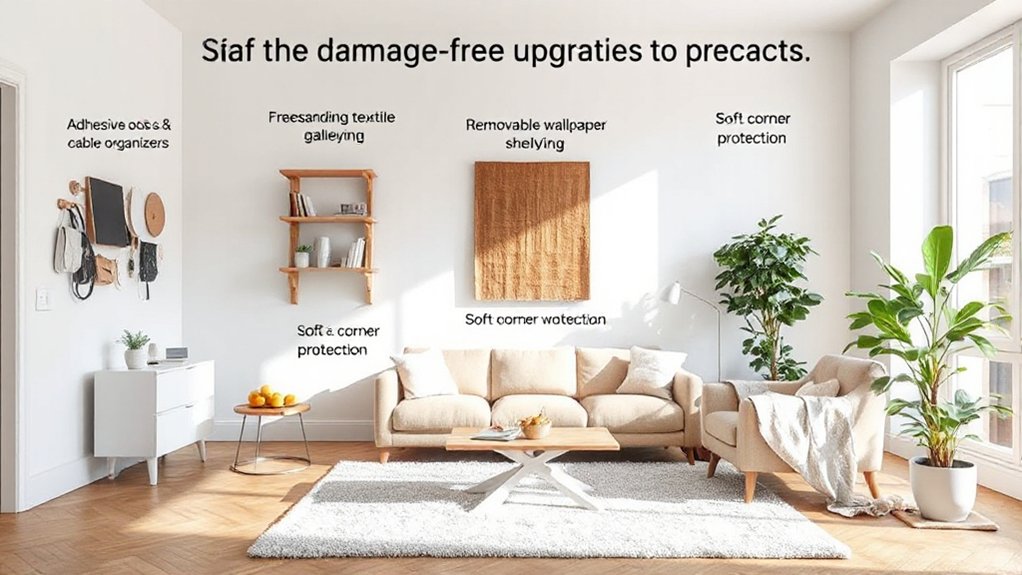
You can upgrade your space safely without nails or damage by choosing temporary, damage-free accessories that stay put but come down easily. Start with decorative lighting that clips or uses removable adhesive strips, avoiding screws or wires routed across walls. Aim for soft, layered lighting to transform a room without patches or repainting later. Next, craft plant arrangements in freestanding planters or wall-mounted options that use removable hooks or tension rods, so you can reposition without marks. Choose lightweight decor: fabric wall hangings on tension rods, modular screens, and magnetic or adhesive-backed pieces that won’t leave residue. Invest in décor you can swap seasonally to refresh the vibe. Keep a simple inventory of what came with the rental and what you added, so you can restore effortlessly.
Before-and-After Steps: Document, Negotiate, and Protect Your Deposit
Before you move out, document everything you changed or added so you can negotiate from a solid, verifiable baseline. You’ll take before-and-after photos, list paints, decals, and furniture placements, and note any temporary fixes. Keep receipts, rent-claim forms, and copies of Rental policies handy to show what’s allowed and what isn’t. When you review the deposit, present a concise, itemized summary of improvements and their impact on the space. Emphasize that your aim is no damage, just personalized decor that preserves the unit’s value. If there’s pushback, offer to restore common areas or revert changes under agreed terms. This approach builds trust, reduces disputes, and protects your deposit while still letting you enjoy personalized decor.
Frequently Asked Questions
How Can I Document Pre-Existing Wall Textures Before Decorating?
Document your wall texture by creating a photo inventory up close, labeling each shot with room and description. Include timestamps, note existing flaws, and store images digitally. This wall texture documentation helps you track changes and protect deposits.
Are There Lease Clauses That Forbid Temporary Décor Changes?
Yes, some leases include lease restrictions that forbid temporary décor changes, and others allow it with permission. You should review clauses carefully, understand Damage liabilities, and document changes to minimize disputes and protect your security deposit.
Can I Remove Temporary Wallpaper Without Leaving Residues?
Yes, you can remove temporary wallpaper without residue, like a careful painter lifting a stickered moon from the sky. You’ll cleanly lift removable wall decals and peel and stick tiles, preserving walls and preserving peace of mind.
What Pet-Friendly, Non-Damaging Options Exist for Rentals?
Yes—opt for pet-safe, non-permanent fixtures like removable wall decals, freestanding furniture, and fabric window coverings. You’ll protect pets and deposits, while keeping rental limits in mind; prioritize pet safety and damage-free charm with simple, smart choices.
How Do I Get Written Landlord Approval for Safe Upgrades?
Yes, you’ll draft a polite, clear request and obtain written landlord approval for safe upgrades. You’ll cite tenant rights and upgrade permissions, presenting practical details, timelines, and safeguards, while ironizing the process to keep expectations playful yet precise.
Conclusion
You can transform a rental into a personal haven without risking your security deposit. Use removable fixes, document everything, and talk openly with your landlord. Quick stat: nearly 60% of leases allow non-permanent decorating with consent, if you ask first. Focus on peel-and-stick accents, fabric panels, and washable, lightweight updates. Plan, measure, and photograph each step, then roll back cleanly when you move. Your space should feel yours—without permanent changes or drama.