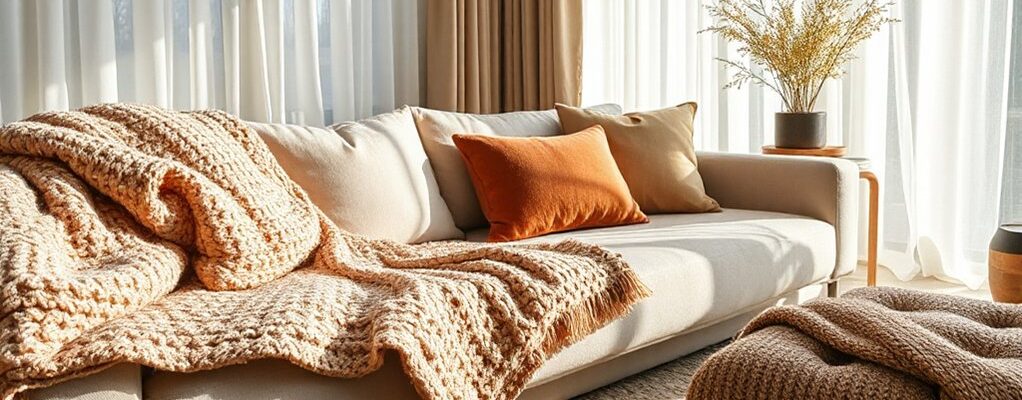
Think of textiles as the quiet anchor in a new build, a nod to the room’s future comfort you’re quietly shaping. You’ll layer plush velvets, wool throws, and textured rugs to trap air and add warmth, while curtains and cushions define cozy zones and curb heat loss. The right fabrics are durable, easy to care for, and sustainable, so your spaces stay inviting long after the initial glow fades. There’s more to balance, patterns to pair, and choices that matter—keep going.
How Textiles Warm Up a New Build: Core Principles
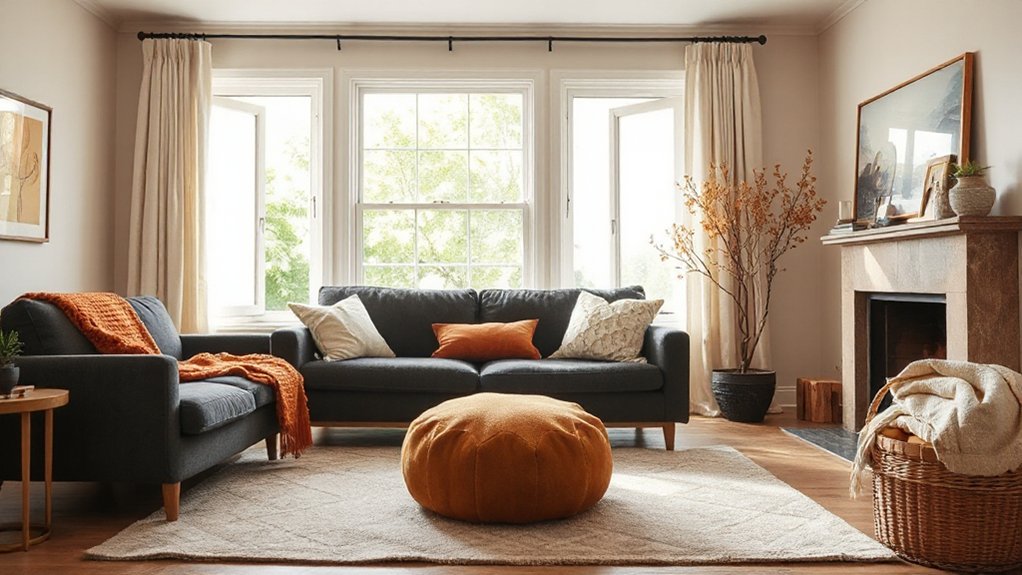
Textiles aren’t just decorative; they’re the frontline in warming a new build. You’ll leverage core principles that blend function and efficiency: insulation value, moisture handling, and thermal mass without overburdening spaces. Choose fabrics with natural fiber blends that trap air yet breathe, supporting indoor air quality and reducing energy swings. Prioritize tight weaves and midweight textures that slow heat loss while maintaining comfort. Align choices with fabric sustainability to minimize embodied carbon and extend lifespan, cutting replacement cycles. Pair textiles with strategic placement—curtains, throws, and soft panels—to create gradated warmth zones rather than single-heating fixes. Remember, performance hinges on alignment with airflow, humidity, and occupant comfort. Smart textile selection elevates efficiency, clarity, and overall warmth. Indoor air quality benefits reinforce responsible, durable design decisions.
Layer Textures for Instant Coziness
Layer textures instantly conjure coziness, because you feel depth and warmth in every surface you touch. Start with plush fabrics that trap air for insulation, then layer varying densities to add visual interest without bulk. Use tactile contrasts—soft velvets, nubby knits, and smooth linens—to create a richly inviting, composed look.
Layered Textures, Instant Coziness
Even in a new build, you can summon instant coziness by layering textures that play off each other—think velvet cushions against wool throws, a boucle rug anchoring a sleek sofa, and linen drapes softening sharp architectural lines.
- Hanging curtains to frame windows and soften light
- Decorative pillows in varying fibers for tactile contrast
- Textured throws pulled over seating for instant warmth
- Mixed weaves (corduroy, bouclé, felt) to create visual depth
You align scale and sheen, not just color, so surfaces read as a cohesive whole. Let materials converse: matte wool with satin-sheen velvet, natural linen against structured leather. Prioritize comfort zones where people linger, and dimmable lighting to highlight the layered textures without shouting.
Plush Fabrics For Warmth
Plush fabrics instantly warm a room by inviting touch and stacking comfort. You’ll feel immediate depth when you introduce pile-rich textiles, because texture absorbs and disperses heat softly, creating a cocooning effect. Choose dense weaves and short-nap piles for durability in high-traffic areas, then layer with complementary tones to amplify warmth without overpowering space. Silk elegance adds a refined sheen, elevating a practical throw into a statement piece, while velvet luxury delivers tactile richness that reads as upscale and inviting. Pair with sturdy furniture silhouettes to balance heft and avoid visual clutter. For effortless maintenance, opt for blends that resist snagging and fading. Finish with coordinated cushions and a drapery panel to lock warmth around seating zones.
Durable, Easy-Care Fabrics: What to Look For
Durable, easy-care fabrics are non-negotiable for new builds, where traffic and spills are predictable but frustrating. You want textiles that endure daily use without constant care, so prioritize construction, fiber, and finishes that resist wear and staining.
- Fabric durability: look for tight weaves, balanced blends, and reinforced seams that hold up under shifting furniture and active households.
- Stain resistance: choose treatments or fibers that repel liquids and resist color transfer, especially for upholstery and cushions.
- Easy care: seek machine-washable options, colorfast dyes, and minimal specialty cleaning needs to reduce maintenance.
- Longevity signals: check warranty terms, fade resistance, and proven performance in similar environments to ensure lasting value.
Textiles That Cut Heat Loss: Insulating Curtains, Throws, and Rugs
After focusing on durable, easy-care fabrics, you’ll want textiles that actively reduce heat loss in new builds. Insulating curtains, throws, and rugs work by adding strategic layers that trap air and slow convection. Choose thermal insulation needs and fabric layering thoughtfully: dense weaves, microfiber liners, and brushed surfaces boost warmth without bulk. Curtains should reach the sill or floor, with side hems tucked to minimize drafts. Throws can be layered over seating and beds for quick comfort, while rugs cover cold floors, especially in high-traffic zones. Prioritize lightweight, heat-retaining materials that compress well for storage. In practice, combine variables—fabric weight, pile, and backing—to tailor warmth to room uses while preserving color, texture, and airflow. Your spaces gain efficiency, comfort, and quiet warmth.
Textiles-Driven Color Palettes for Calm, Clarity, and Space
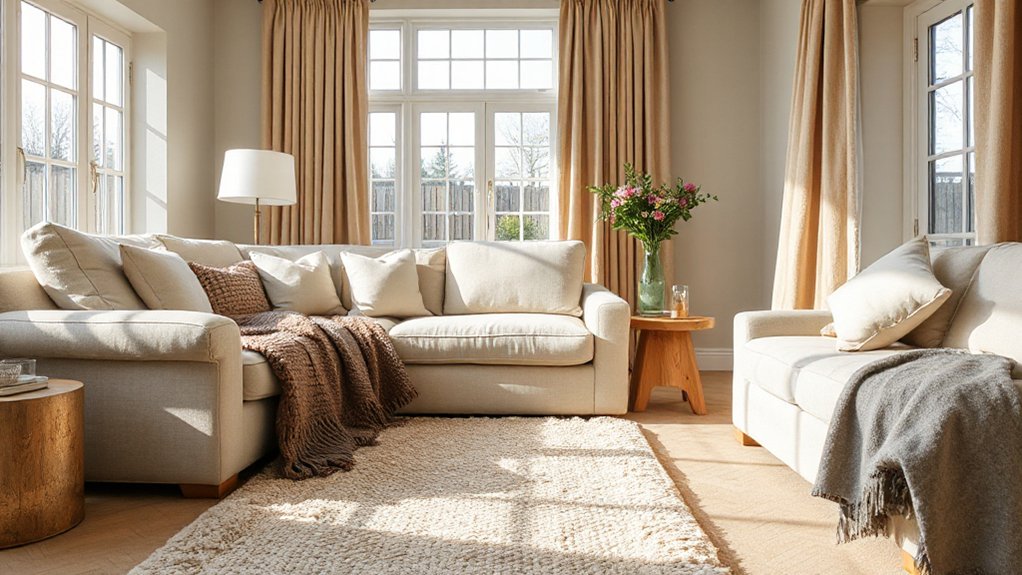
Color influences perception as much as pattern does, so textiles-driven palettes should unify calm, clarity, and space by pairing restrained hues with purposeful contrast. You shape rooms that feel open and serene by aligning color psychology insights with material choice, prioritizing natural fibers for warmth and tactility. In practice, build palettes around soft neutrals, cool accents, and grounded earth tones, then anchor them with texture and light. Let color guide zoning, not overwhelm it, so that shelves, upholstery, and curtains read as cohesive rather than competing elements. Favor breathable fabrics and durable finishes to sustain calm through seasons. Use contrast sparingly to delineate function, improving perception of space while preserving quiet mood. Subtle shifts in tone can transform ambience without clutter.
- Start with a neutral base and introduce measured color accents
- Pair cool and warm neutrals to modulate mood
- Leverage natural fibers for depth and warmth
- Test color in lighting conditions before committing
Acoustic Textiles for Calmer Rooms
Acoustic textiles can quiet the hum of busy spaces, enhancing comfort with noticeably lower ambient noise and clearer speech. The choice of fabric materials directly shapes absorption, reverberation, and overall room ambience, so you’ll want fabrics that balance softness with performance. By prioritizing acoustic comfort, you set the tone for calmer rooms that feel more intimate and focused.
Acoustic Comfort Benefits
What if you could soften the noise in a new-build without sacrificing style? Acoustic comfort isn’t just quiet; it shapes how you experience space. By choosing textiles with sound-absorbing qualities, you create calmer rooms that feel more refined and productive. You’ll curb reverberation, reduce chatter creep, and preserve speech intelligibility where it matters most. Use this approach to complement, not replace, architectural soundproof barriers and acoustic panels, keeping a cohesive design language. The result is a healthier, more focused environment that supports daily living and work.
- Sound-absorbing textiles complement, not replace, structural barriers
- Strategic placement reduces flutter echo and glare
- Texture and color reinforce a calming ambiance
- Easy maintenance preserves long-term acoustic performance
Fabric Materials Impact
Fabric textures and fiber choices drive how quietly a room performs, not just how it looks. You’ll find that fabric materials impact absorption, diffusion, and overall acoustic performance, shaping calm without sacrificing style. When you weigh options, consider porosity, density, and layering potential—these factors influence sound energy at the source and through the room boundaries. You’ll benefit from selecting textiles designed for acoustic efficiency rather than generic comfort alone. Fabric manufacturing matters: the way fibers are spun, woven, and finished affects both performance and durability in new-build settings. Stay attuned to textile trends that favor recycled content, low-emission dyes, and optimized weaves for mid-to-high frequency control. Informed material choices translate to calmer spaces and refined, lasting interiors.
Room Ambience Enhancement
To create calmer rooms, choose acoustic textiles that balance texture and performance, guiding sound absorption where it matters most.
You’ll tame reverberation with panels, curtains, and upholstered pieces that don’t shout style—just quiet precision. Prioritize textiles that align with Textile trends and use eco friendly materials, so acoustics feel deliberate, not gimmicky. Consider layering fabrics of varying porosity to catch mid and high frequencies while preserving warmth. Opt for breathable weaves that resist sag and maintain form, ensuring long-term effectiveness. Pair soft furnishings with strategic placement to shape reflections and create intimate zones. Sustainability stays central as you select dyes and fibers that lessen environmental impact without compromising acoustics.
- Layered textures for balanced absorption
- Strategic placement to shape reflections
- Durable, breathable fabrics
- Eco-friendly materials in aesthetic context
Room-by-Room Textile Strategies for Cohesion
Even as you tackle a new-build, start with a unified textile plan that threads through every room. You create cohesion by selecting a restrained palette and repeating motifs across fabrics, trims, and upholstery. Prioritize texture over loud color—think boucle, linen, and wool blends that read warm without shouting. Design rules should translate room to room: a consistent scale, similar weight fabrics, and aligned patterns that don’t clash when furniture shifts. Embrace Textile sustainability by choosing durable, easy-care materials, and plan for longevity rather than fast fashion. Incorporate vintage inspired fabrics sparingly as accent moments to evoke character without datedness. Document your choices in a mood board, then execute with precise seam allowances, subtle piping, and matched patterns to deliver a calm, cohesive home.
Smart Shopping for Textiles: Cost, Quality, and Sustainability
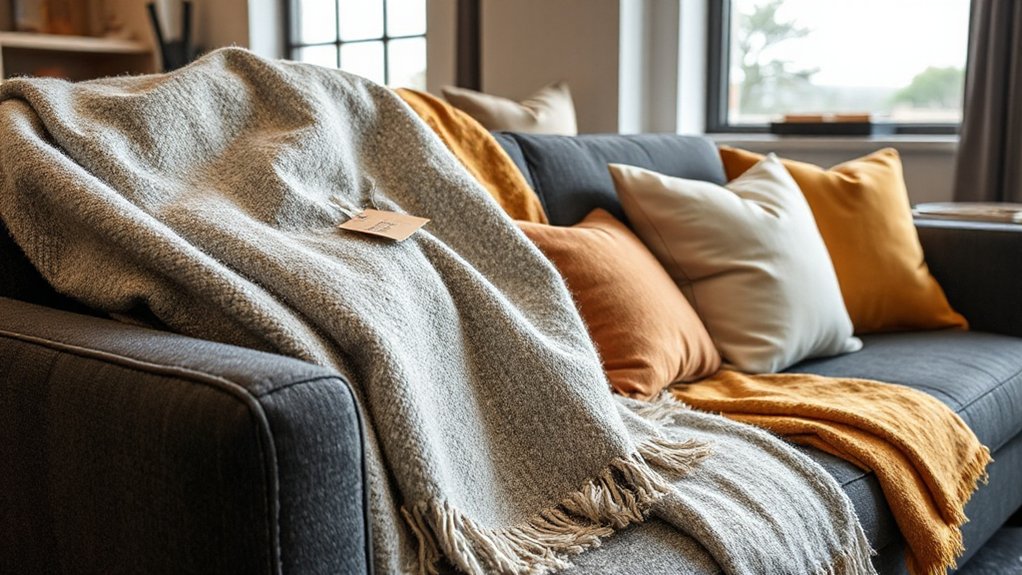
As you move from planning cohesion to sourcing, smart shopping for textiles means balancing cost, quality, and sustainability without sacrificing the look you’ve set. You’ll evaluate textile fiber types and how they affect durability, feel, and care, then weigh performance against price. Prioritize fabrics with proven longevity and simple maintenance, and choose suppliers who disclose material origins. Consider sustainable dyeing practices to minimize environmental impact without sacrificing colorfastness or vibrancy. Seek transparent certifications that verify claims, and don’t overbuy—measure rooms, list essentials, and set a realistic budget. Smart decisions save money over time and reduce waste, keeping your project cohesive and responsible.
- Textile fiber types influence durability and care needs
- Sustainable dyeing reduces environmental impact without sacrificing color
- Verify supplier transparency and certifications
- Buy purposefully, measure twice, avoid overstock
Troubleshooting Common Textile Pitfalls in New Builds
When you’re outfitting a new build, small textile missteps can derail your design intent—and costs can creep up if you don’t spot them early. You’ll reduce risk by confirming fabric performance matches room conditions before purchase: test lightfastness, washability, and abrasion for high-traffic areas. Inspect colorways under natural and artificial light to avoid mismatches after install. Size your window treatments to balance daylight control with privacy, and avoid bulky backtabs that abrade walls. Plan storage for swatches and samples to prevent duplications and waste. Consider Seasonal fabric updates to stay current without overhauling schemes, and favor eco friendly textile options to align with sustainability goals while maintaining durability. Document selections and care routines to simplify future refreshes and repairs.
Quick Fixes: Practical Textiles Tricks for Immediate Impact
Texture is the quickest way to transform a space, so start with a few targeted tweaks you can implement today. You’ll see immediate impact by layering simple textiles that reveal character without a full overhaul. Focus on contrast, texture, and timing; small changes feel purposeful, not gimmicky. Choose sustainable fibers for a lasting impression and lower environmental impact, then mix in bold textile patterns to add depth. You’ll create warmth and sophistication with minimal effort.
- Swap in cushions and throws made from sustainable fibers for instant coziness
- Mix textile patterns strategically: scale, motif, and color for balanced drama
- Introduce a tactile rug to anchor seating areas and define zones
- Swap drapery or a throw for a quick, cohesive color refresh without redesign
Frequently Asked Questions
How Do Textiles Affect Indoor Air Quality in New Builds?
Airborne allergens can linger from paints and emissions until you ventilate properly, so textiles help or hinder depending on fabric durability and filtration. You’ll reduce risks by choosing low-emission fabrics with durable, easy-to-clean surfaces, minimizing lingering pollutants.
Which Fabrics Are Best for Allergy-Prone Households?
Sure, you’ll love these: hypoallergenic materials and breathable fabrics keep allergens at bay. You, of all people, deserve comfort, so choose fabrics that reduce irritation, resist particles, and stay fresh—ironically, less is more for cleanliness.
Can Textiles Influence Mold Risk in Humid New Builds?
Yes, textiles can influence mold risk in humid new builds. Use Textile insulation and Mold resistant fabrics to minimize moisture retention, improve airflow, and reduce damp hotspots, helping you maintain healthier, mold-resistant indoor environments.
Are There Affordable, Tech-Enhanced Fabrics for Energy Saving?
Smart fabrics exist, and yes, they’re affordable and energy-saving when you choose passive, practical options. You’ll gain Thermal insulation benefits, monitor conditions, and adapt usage—saving you money without turning your home into a tech showroom.
How Often Should Textiles Be Replaced in New Builds?
Textile durability varies, but in new builds you should replace textiles roughly every 5–15 years, depending on usage. You’ll preserve aesthetic longevity by choosing durable fibers and proactive maintenance, shrinking replacement frequency while maintaining comfort and energy efficiency.
Conclusion
Step into a space where fabrics breathe warmth into every corner. Picture velvet shadows catching the glow, wool throws cocooning you from drafts, and rugs stitching quiet steps across the floor. Layered textures trap air, curtains billow softly, and cushions anchor zones of calm. You’ll feel the difference—cohesion, comfort, and character—immediately. With smart picks and sustainable buys, your new build becomes a living canvas of warmth, style, and lasting ease.