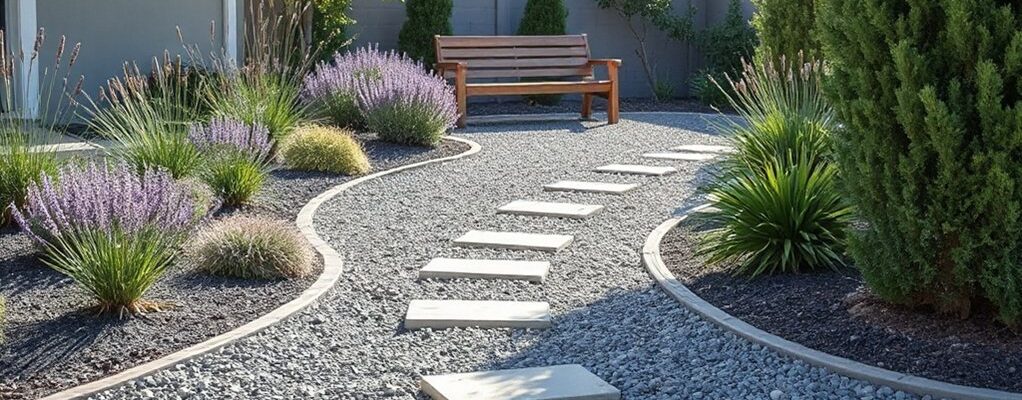
Starting out with a cautious first step, you can aim for a front garden that looks effortless rather than perfection. You’ll pick drought-tolerant natives, group by sun and water needs, and set up simple beds with mulch and a clean path. A modular, evergreen backbone keeps things tidy, while drip irrigation minimizes fuss. Curious how the initial layout and routine you establish now will pay off month after month?
Key Takeaways
- Plan a low-maintenance layout with clear paths, evergreen backbone plants, and modular decor for year-round structure and minimal pruning.
- Choose drought-tolerant, native, low-maintenance plants suited to sun and drainage, grouped by water needs for easy care.
- Improve soil with organic mulch, compost, and targeted amendments to build resilient beds and reduce future disturbances.
- Implement a waterwise irrigation system (drip) with zoned planting areas and seasonal checks for efficiency.
- Schedule quarterly pest/weed inspections and seasonal assessments to adapt care and keep the garden scalable and flexible.
Define Your Goals for a Low-Maintenance Front Garden
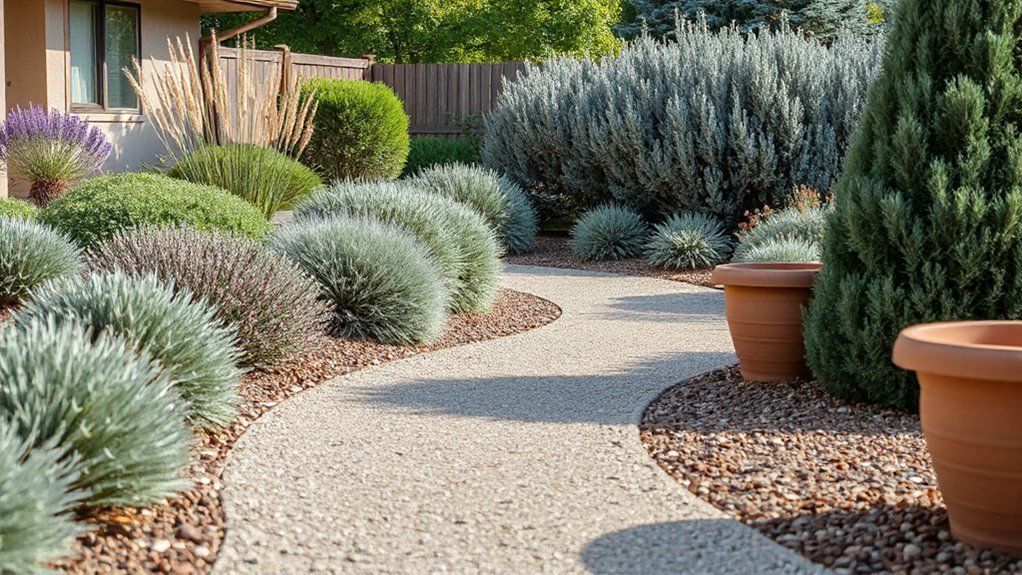
To define your goals for a low-maintenance front garden, start by identifying what you’ll actually use and enjoy. You’ll map chores to must-haves, not nice-to-haves, prioritizing quick access to doors and paths.
Think about time, effort, and budget, then translate those limits into concrete outcomes: a tidy, welcoming space with minimal upkeep.
Pin down your preferred style and how garden decor will support it without crowding functionality. Decide on a color palette and structure that stays legible year-round, reducing pruning and weed work.
Plan outdoor lighting to extend usability and safety after dusk, while keeping energy use sensible.
Finally, document a short plan: features, maintenance intervals, and fail-safes, so your garden remains predictable and enjoyable with minimal fuss.
Choose Drought-Tolerant Plants for Your Site
Choosing drought-tolerant plants starts with understanding your site’s sun exposure, soil, and water constraints. You’ll pick species that survive on less water and thrive in your microclimates. Start with native species; they resist local pests, timing challenges, and seasonal stresses.
Match each plant to its preferred sun and drainage, then test for drought tolerance before planting. Favor clumping perennials and low-growing shrubs that establish quickly, reducing maintenance.
Group plants by water needs to simplify irrigation, and plant in layered structure to maximize shade, wind protection, and soil stability.
Plan for pest prevention by avoiding high-sugar ornamentals and encouraging beneficials through diversity rather than chasing quick fixes.
Finally, map a resilient palette: texture, color, and seasonal interest that endure drought without daily care.
Improve Soil Health and Mulch for Longevity
Healthy soil is the foundation of a low-maintenance front garden; improve structure, enrich biology, and you’ll cut ongoing care. You’ll optimize soil fertility with simple steps that boost resilience and reduce weeding. Mulch properly to conserve moisture, moderate temperature swings, and slow nutrient loss. Focus on organic inputs and steady layering rather than quick fixes.
With consistent composting techniques, you’ll feed microbes that liberate nutrients for plants, minimizing fertilizer needs. Test soil lightly to tailor amendments, then monitor shifts over seasons. Build a living soil community that supports drought tolerance and slow growth, not quick turnover.
Your aim is lasting structure, fewer disturbances, and healthier beds.
- Assess soil fertility and tailor amendments
- Apply textured mulch for moisture and temperature control
- Layer composting techniques with seasonal adjustments
- Monitor and adjust based on plant performance
Design Low-Maintenance Bed Layouts
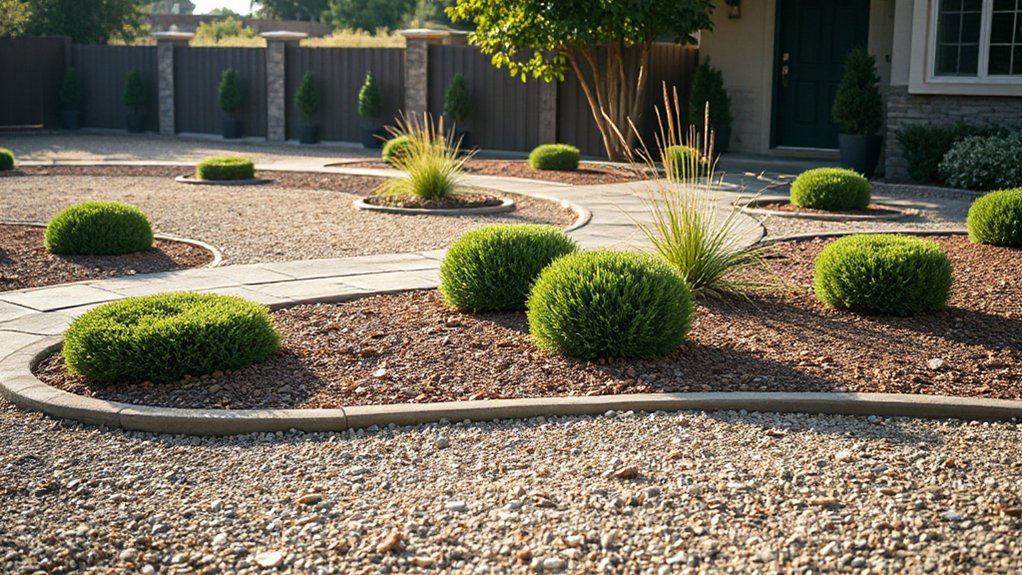
A well-planned bed layout keeps maintenance to a minimum and dreams simple: group plants by sun and water needs, place drought-tolerant species toward the sunny edges, and reserve shade-loving varieties for cooler pockets.
You’ll design compact, cohesive blocks rather than scattered specimens, reducing weed competition and pruning. Start with a backbone of evergreen structure, then fill in with seasonal interest that doesn’t demand constant care.
Use Plant pairing to match textures, heights, and microclimates, so each plant supports the others while conserving water. Choose color schemes that repeat across the bed for visual unity, avoiding busy contrasts that draw extra attention and maintenance.
Label zones clearly, keep paths narrow, and leave space for future swaps as needs shift.
Implement Waterwise Irrigation and Feeding Routines
To keep your front garden hydrated and fed without waste, set up a simple, repeatable routine that matches your plants’ needs. You’ll use drip irrigation for efficiency and apply fertilizer scheduling that fits growth stages without overdoing it.
Monitor rainfall and adjust so you only water when necessary, then feed at set intervals aligned with bloom and root growth. Keep zones organized by plant type and soil moisture. Automate where possible, but check manually monthly to verify delivery and concentration.
Reassess after seasonal changes to preserve low maintenance.
- Use drip irrigation as your core delivery method
- Align fertilizer scheduling with plant cycles
- Group by sun exposure and soil type
- Schedule checks after rain events and heat waves
Add Seasonal Touches That Require Little Work
Seasonal touches should feel effortless and stay low-maintenance. You’ll add small, repeatable cues that don’t demand ongoing attention. Choose holiday decorations that store compactly, withstand weather, and align with your garden’s palette so you can swap them in and out quickly.
Favor durable containers, clipped evergreens, and low-growing annuals for color bursts that don’t require daily care. Incorporate Wildlife friendly features that double as seasonal accents—bird feeders near planting beds, a solar lantern path, or a bee-friendly pollinator strip—that operate with minimal upkeep.
Keep focal points simple: a single wreath on the gate, a seasonal planter, and a quiet musical wind chime. Plan substitutions in advance, so you maintain visual rhythm without extra maintenance or clutter.
Create a Year-Round Maintenance Checklist
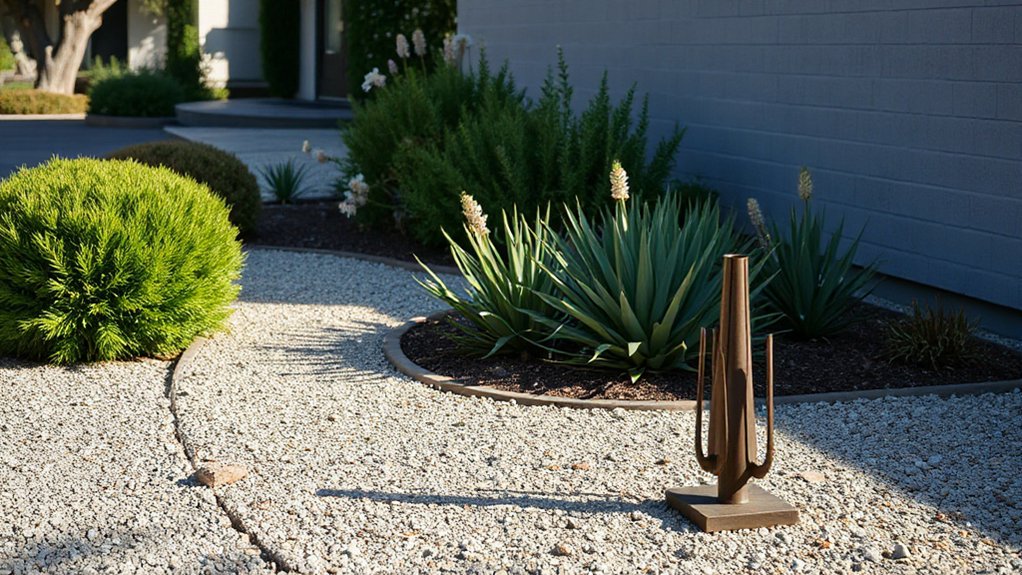
A year-round maintenance checklist keeps you on track with a simple seasonal tasks roadmap. You’ll map essential duties and smart, tool-free steps you can do in minutes, every month.
This approach makes upkeep predictable, minimizing surprises and garden chaos.
Seasonal Tasks Roadmap
What needs doing and when? You map a year-round rhythm that respects wildlife habitats and edible plants, keeping maintenance calm and predictable. Each season, target a few clear tasks, then re-evaluate with minimal effort.
Spring emphasizes light pruning, mulch refresh, and sowing diverse, edible plants while supporting pollinators.
Summer keeps watering smart, weed control tight, and shade gaps filled for resilience.
Fall shifts to cleanup, soil amendment, and seed collection, preserving habitat variety.
Winter concentrates on plan refinement, tool storage, and resilient perennials that thrive with less input.
- Schedule seasonal checks aligned with plant cycles and wildlife needs
- Prioritize mulch depth, irrigation efficiency, and soil health
- Integrate edible plants into borders for consistent harvest
- Leave habitat patches intact to support birds and beneficial insects
Tool-Free Maintenance Plan
Ever wondered how to keep a front garden tidy without tools or fuss? This tool-free plan gives you a concise, year-round checklist you can actually follow.
Start with soil: mulch to suppress weeds, conserve moisture, and keep plantings neat.
Schedule seasonal inspections rather than daily chores, noting damaged stems, snail trails, and dead leaves for quick removal.
Prioritize low-maintenance plants that fit your light and soil, reducing intervention needs.
Use garden art strategically—focus points that reduce wandering through beds and discourage false pruning.
Create a wildlife habitat with native species, water features, or shallow dishes to attract beneficial insects and birds, inviting a natural maintenance rhythm.
Maintain edges with a simple hand snip and let groundcover do the heavy lifting, sustaining tidy structure throughout the year.
Plan Budget, Timeline, and Beginner-Friendly Steps
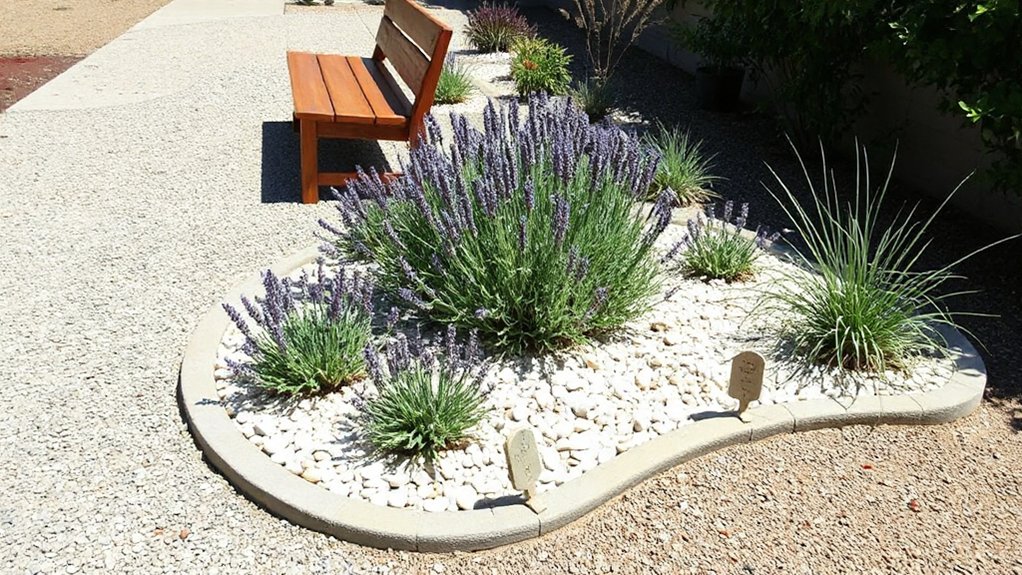
Start with a clear budget and a realistic timeline, then map out beginner-friendly steps that keep costs low and maintenance simple. You’ll plan in phases, choosing tough, native plants and durable materials to reduce care.
Set a maximum spend for plants, mulch, and hardscape, and build in a small contingency for surprises.
Timeline steps align with seasonal gardens: prep, plant, mulch, and assess.
Prioritize low-effort features like drought-tolerant perennials and container accents for impact without fuss.
Integrate practical Garden decor ideas that enhance curb appeal without clutter, and plan basic Pest control methods that don’t rely on constant upkeep.
Your approach stays lean, scalable, and easy to modify as you learn.
- Define budget caps and timelines per phase
- Select hardy, low-maintenance plants
- Use simple, modular decor accents
- Schedule quarterly quick checks for pests and weeds
Frequently Asked Questions
How Often Should I Prune for Low Maintenance?
You should prune about every 6 to 8 weeks during the growing season for a tidy, low-maintenance result. Focus your efforts on removing dead or damaged wood and shaping only where needed.
Prioritize plant selection that stays compact and easy to manage. Start with solid soil preparation to prevent frequent pruning, and adjust schedules as your landscape matures.
This keeps your front garden disciplined, reduces work, and preserves plant health long-term.
Which Mulch Insulates Best in Winter Climates?
Mulch types vary, but bark mulch often provides solid insulation benefits for winter climates. You’ll notice soil temperature stabilizes faster, reducing freeze-thaw stress on shallow roots.
In practical terms, choose thick, even layers about 2–4 inches deep to maximize insulation benefits while staying manageable. This minimalist approach helps you maintain moisture and weed suppression.
Can I Convert Existing Lawn to a Drought-Tolerant Bed?
Yes, you can convert existing lawn to a drought-tolerant bed. Start by marking the area, then remove turf to a shallow depth and replace with a mulch-ready, soil-rich layer.
Install drought resistant plants compatible with your climate, spacing for growth and airflow.
For a lasting effect, add a weed barrier and don’t overwater. Aim for a low-maintenance lawn replacement that reduces watering, mows, and fertilizer, while keeping visual appeal.
What Pests Are Common in Low-Water Gardens?
Common pests in low-water gardens include aphids, snails, slugs, scale, and spider mites.
You’ll tackle them with practical, proactive steps: monitor regularly, prune infested growth, and water at plant bases to reduce humidity that invites mites.
Use pest resistant plants where possible, and apply targeted treatments only when needed.
Build a simple routine: inspect weekly, remove affected leaves, and favor integrated pest control over broad sprays.
Prioritize pest control methods that minimize disruption.
Which Irrigation Type Reduces Maintenance Most Effectively?
Using drip systems with rain sensors reduces maintenance the most. You’ll automate watering precisely when needed, avoiding missed days or overwatering.
Install a low-pressure drip line, add emitters at plant roots, and zone by sun exposure.
Pair it with a rain sensor that shuts off irrigation after rain, saving energy and time.
Keep filters clean and check connections monthly.
This minimalist setup minimizes fuss, maximizes efficiency, and keeps your front garden thriving.
Conclusion
You’ve got a plan that wins with less work. Choose drought-tolerant natives, mulch to lock in moisture, and simple, modular paths for a clean look. Install drip irrigation and a straightforward maintenance routine, then let nature do the heavy lifting. Schedule quick inspections, prune lightly, and refresh mulch as needed. Stay deliberate, stay flexible. And yes, even in this high-tech garden, a vintage watering can will still turn heads—an anachronism that reminds you to stay practical. Your low-maintenance front garden begins now.