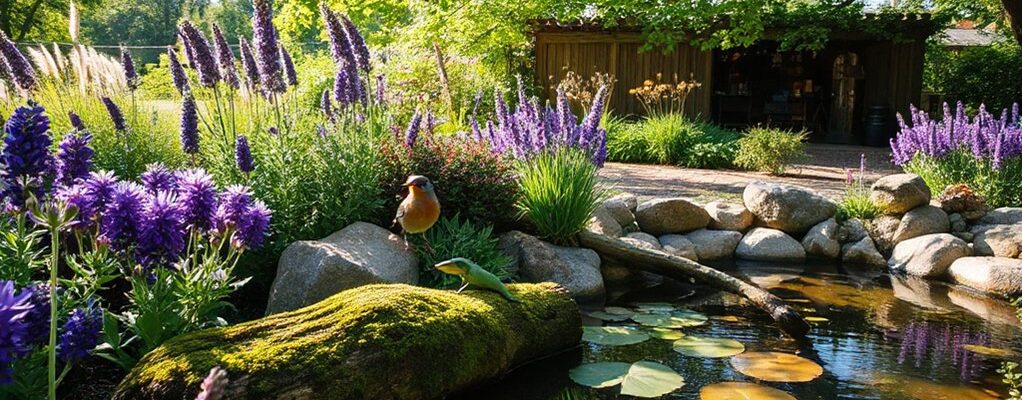
A neighbor transformed a half-acre corner into a wildlife-friendly zone by planting native perennials that bloom across seasons and installing brush piles and a small bird nest box. Start by defining your goals and analyzing site constraints—sun exposure, soil health, and wind breaks. Then select year-round nectar sources and shelter features that fit your space. You’ll balance pest control, water use, and maintenance, while planning for seasonal shifts to keep wildlife connected and thriving. There’s more to tune before you begin.
Key Takeaways
- Assess site constraints, target wildlife, and connectivity to design corridors that support movement and habitat suitability.
- Plant native, nectar-rich species with overlapping bloom windows to ensure year-round food for pollinators.
- Create multi-layered habitats with shelter, nesting sites, hedgerows, and ground cover to support diverse wildlife.
- Maintain a chemical-free, low-impact garden using soil-building practices and natural pest management.
- Plan for seasons and microclimates by grouping plants by flowering times and adding microhabitats for year-round resilience.
Define Your Wildlife Goals and Site Constraints
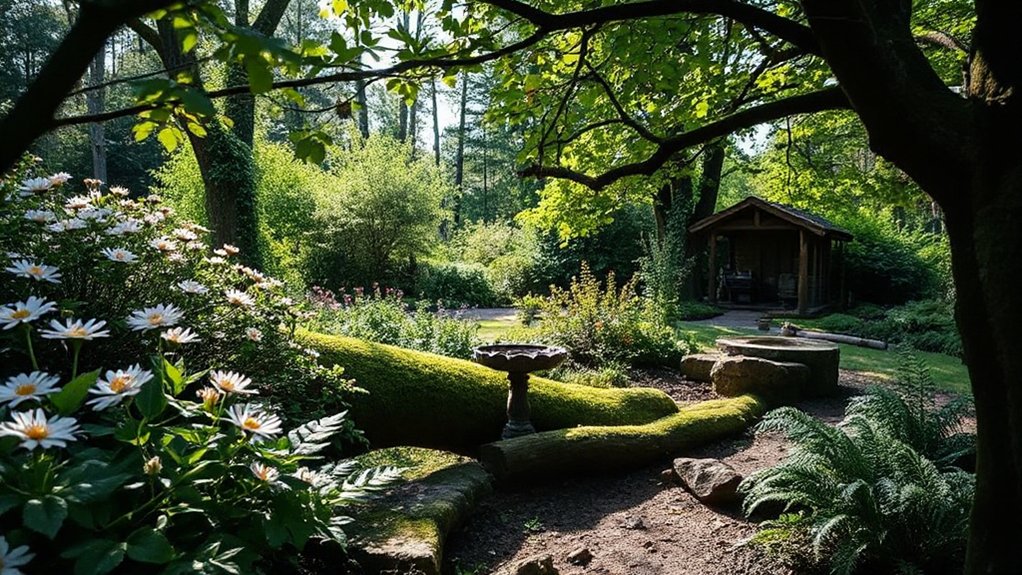
To define your wildlife goals and assess site constraints, start with a clear picture of what you want to attract and what spaces you can plant or restore. You’ll map target species, habitat types, and interaction patterns, then translate them into actionable plots.
Assess sun exposure, soil quality, moisture, drainage, and existing vegetation, noting barriers like fences or roads. Prioritize connectivity to nearby green patches, designing discreet wildlife corridors that link areaways, hedgerows, and small woodlands.
Integrate practical pest control methods that align with your targets, favoring non-chemical approaches and monitoring results.
Establish measurable milestones, assign timelines, and track success quarterly. Refine plans as you learn what thrives, ensuring your garden remains resilient, inviting, and capable of sustaining diverse wildlife over time.
Choose Native Plants With Year-Round Nectar
Choose native plants that supply nectar throughout the year, ensuring a steady food source for pollinators across seasons. You’ll optimize plant selection by matching bloom windows to local pollinator lifecycles, avoiding gaps between major nectar pulses.
Prioritize species with overlapping flowering periods, extended bloom, and multiple cultivars to broaden temporal availability. Assess plant traits like nectar volume, bloom duration, and drought tolerance, then chart a year-round nectar map for your site.
Consider native-forced diversity to support pollinator diversity without risking invasiveness. Favor low-maintenance, pest-resilient choices that fit your soil type and light conditions.
Document bloom timing and nectar payoff, reassess annually, and adjust plant selection as populations shift. Your goal: consistent forage, resilient pollinator networks, and a garden that energizes ecosystem services.
Build Shelter and Habitat Features for Wildlife
After securing year-round nectar, you can extend wildlife support by adding shelter and habitat features that invite a broader range of species and encourage natural behaviors.
Begin with a layered shelter plan: integrate brush piles, rock cavities, and stacked logs to create microhabitats at multiple heights.
Install nest boxes tailored to local species, spacing them to minimize competition.
Include hedgerow segments and ground cover to conceal the approach paths of prey and predators alike.
Establish wildlife corridors that connect patches, ensuring continuous movement across the garden and beyond.
Place predator hideouts with dense cover at strategic distances to reduce risky exposure for small birds.
Maintain drainage and shelter from prevailing winds to sustain activity through seasons and promote stable foraging behavior.
Maintain a Chemical-Free, Low-Impact Garden
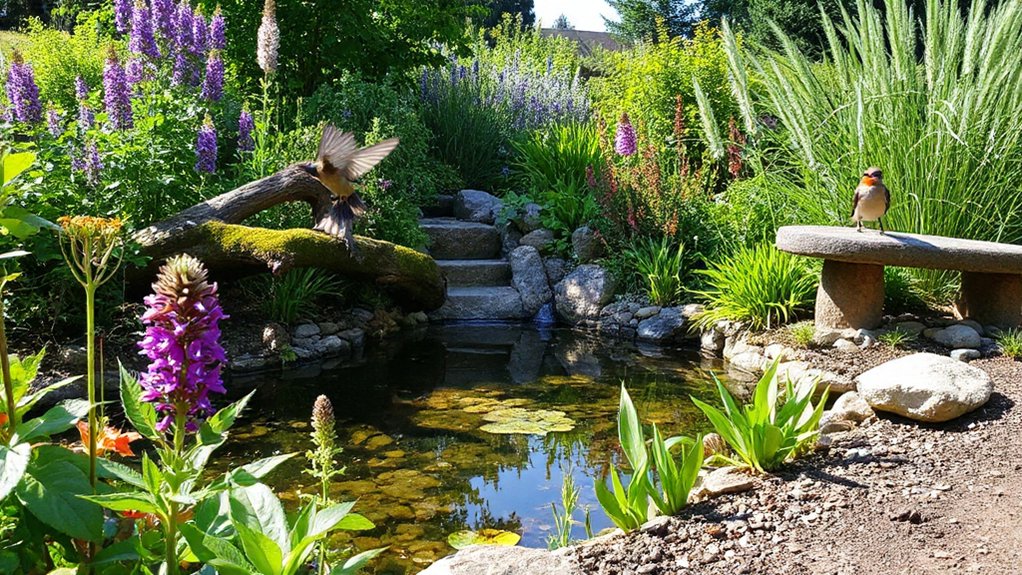
A chemical-free, low-impact garden relies on prevention, observation, and natural processes rather than synthetic inputs. You minimize risks by choosing resilient plantings, timing tasks, and sustaining soil health.
Begin with soil care: test, then build organic matter through composting techniques, mulching, and cover crops to improve structure, moisture retention, and nutrient cycling.
Implement targeted pest management with pesticide alternatives like encouraging beneficial insects, manual removal, row covers, and habitat diversification that disrupts pest life cycles.
Water wisely via drip irrigation and deep, infrequent watering to reduce runoff and disease.
Regular monitoring guides actions, letting you intervene early with mechanical controls, pheromone traps, or traps that avoid broad-spectrum disruption.
Document results, adjust plans, and maintain a low-impact routine that supports biodiversity without synthetic inputs.
Plan for Seasons and Yard Types to Boost Biodiversity
To boost biodiversity across seasons and yard types, tailor plantings, timing, and maintenance to your specific microclimates and spaces. You’ll map sun, shade, wind, and moisture pockets, then group species by flowering windows and food timing.
Plan for seasonal contrasts: early bloomers, mid-season nectar sources, and winter structure with seeds and berries. Use layered plantings—groundcovers, perennials, shrubs, and small trees—to create vertical diversity and refuges.
Consider yard types such as patios, meadows, and woodland edges, and deploy microhabitat features accordingly: log piles, stone basins, and sparse turf for invertebrates.
Align garden aesthetics with ecological function, selecting native or well-adapted plants to reduce maintenance. Practice pest control by monitoring, encouraging beneficial predators, and avoiding broad-spectrum interventions.
Frequently Asked Questions
How Do I Attract Specific Wildlife Species to My Garden?
To attract specific wildlife, identify species you want and tailor habitats accordingly.
Plant native plants that provide nectar, seeds, and shelter, and cluster them to create dense food sources.
Include water features like shallow dishes or a small pond for drinking and bathing.
Offer year-round resources, avoid pesticides, and provide sheltered nesting sites.
Use seasonal flower blooms, extend bloom times, and adjust mowing to preserve overwintering habitats.
Monitor results and adapt strategies for target species.
Which Soil Types Support the Most Pollinators?
Pollinators thrive in loamy soils with good drainage and organic matter, so your best bet is, in allegory, a mapmaker’s compass: choose native plants across layers, from groundcover to canopy, that feed and shelter them.
You’ll prioritize loamy or sandy loam soils that retain moisture yet drain well. Include reliable water sources, like shallow dishes or splash pools, and maintain steady moisture.
You’ll plant precisely, monitor results, and adjust to boost pollinator visitations.
Can I Garden for Wildlife in a Small Urban Space?
Yes, you can garden for wildlife in a small urban space. Start with native plant selection to maximize nectar and shelter, and choose compact varieties for containers or narrow beds.
Add a water feature design that’s shallow, accessible, and safe for birds.
Use layered plantings, mulch, and vertical growth to create microhabitats.
Plan your maintenance schedule, and seasonally rotate blooms to sustain pollinators and wildlife year-round.
Stay observant and adapt patterns as needed.
How Do I Manage Pests Without Harming Wildlife?
You’ll act like a careful captain steering through stormy seas, choosing native plants and patience over quick fixes.
When pests appear, use integrated pest control: blast heat or water jets softly, attract predators with diverse habitats, and introduce beneficial insects if needed.
Avoid broad-spectrum sprays that harm wildlife.
Monitor closely, rotate crops, and remove problem culprits gently.
With native plants, pest pressure stays balanced, and your garden thrives without harming wildlife.
What Shade Structures Are Best for Habitat Diversity?
Shade structures that work best for habitat diversity include layered canopies and permeable coverings. You’ll want Shade options that balance sun and shelter, like tall shade trees paired with understory shrubs and trellises for vertical structure.
Use natural materials to avoid heat islands. This Habitat enhancement supports pollinators and birds by offering cool refuges, nesting sites, and varied microhabitats.
Guarantee airflow, water access, and safe planting zones to maximize biodiversity year-round. Monitor, adjust, and expand as needs emerge.
Conclusion
You’ve set up a habitat that thrives year-round for pollinators and birds. By choosing native plants with constant nectar and layering shelter features, you create a resilient corridor that supports biodiversity. An interesting stat: native plantings can boost local pollinator abundance by up to 50% within two seasons. Keep soil healthy, water efficiently, and stay chemical-free to maintain balance. Monitor needs, adapt beds seasonally, and refine habitats to sustain wildlife-rich resilience for years to come.