
You might worry that peace and space mean giving up accessibility, but you don’t have to trade convenience for quiet. In the most desirable downsizer-friendly areas, you’ll find gentle climates, low-density layouts, and walkable neighborhoods that still offer parks, healthcare, and cultural hubs within easy reach. Curious about which regions fit this balance best, and how to spot the right fit during visits? Let’s map out the core criteria that keep serenity within reach.
Key Takeaways
- Choose regions with mild climates, consistent sunshine, and scenic landscapes that support outdoor routines without crowds.
- Favor low-density towns with single-story homes, durable materials, and simple, private layouts to minimize maintenance.
- Prioritize walkable, compact neighborhoods with accessible sidewalks, benches, and short blocks for easy independent movement.
- Seek areas with nearby clinics, reliable transit, social hubs, and opportunities for community engagement and health access.
- Emphasize abundant green spaces, wildlife corridors, and tranquil trails that promote relaxation and solitude.
Find Regions With Gentle Climates You’Ll Love
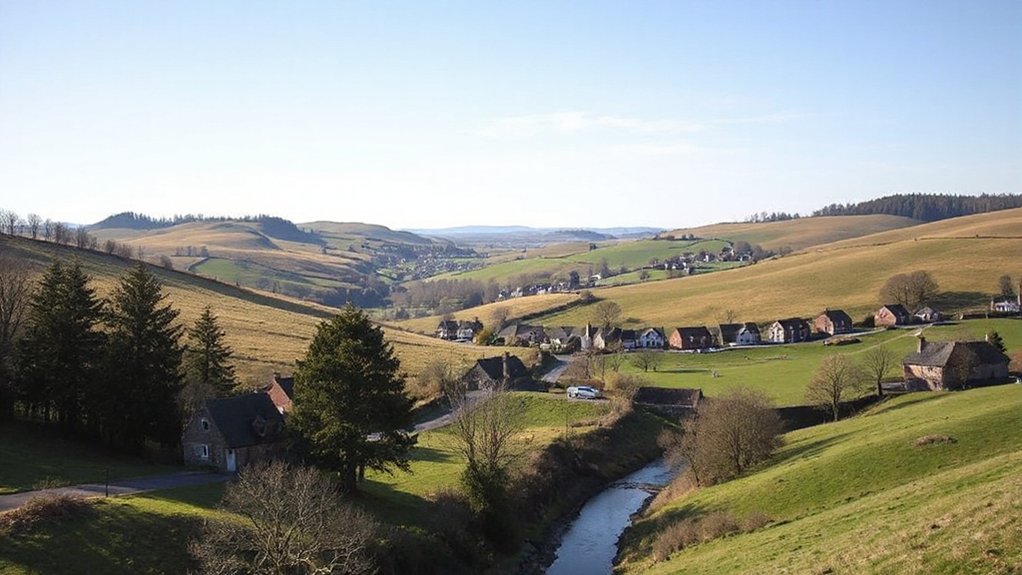
If you’re downsizing, start by targeting regions with mild, predictable weather that reduces seasonal stress. You’ll want climates that minimize extreme swings, so you feel steady year-round and can plan without weather surprises.
Prioritize areas offering climate comfort, where seasonal *shifts* aren’t punishing and heating or cooling costs stay reasonable. Look for places with consistent sunshine and manageable humidity, which supports outdoor activities and daily routines without fatigue.
Consider the everyday vibe: scenic landscapes that invite short, frequent outings, yet aren’t overrun with crowds. A gentle climate pairs well with walkable neighborhoods, accessible services, and low-maintenance amenities.
In short, choose regions that blend ease of living with natural beauty, so your downsized life stays calm, purposeful, and enjoyable. Climate comfort matters; scenic landscapes matter more.
Towns With Low-Maintenance Homes Ideal for Downsizers
Towns with low-maintenance homes let downsizers keep life simple without sacrificing comfort. When you choose these places, you’ll enjoy homes designed for easy upkeep: smaller lots, streamlined yards, and fewer structural chores.
Look for single-story layouts, durable materials, and smart storage that reduces clutter. The downsizing benefits go beyond size—fewer stairs, accessible bathrooms, and forgiving maintenance costs free resources for activities you love.
Community services can further cut effort, from HOA standards that minimize exterior work to nearby shops offering convenient access. Consider towns with reliable weather and solid infrastructure, so you spend more time on moments that matter.
Prioritize neighborhoods with clear upkeep expectations and responsive local support to maximize peace of mind.
Walkable Communities With Senior-Friendly Amenities
Think through how walkable neighborhoods pair with senior-friendly amenities to save you time and stress.
When everyday needs are within a short stroll or a quick ride, you get more independence and fewer trips up stairs or into cars.
Prioritize places where accessible local conveniences—groceries, pharmacies, medical services—are clustered near sidewalks, benches, and clear crossings.
Walkable Senior Amenities
Walkable communities with senior-friendly amenities put essential services, social hubs, and safe, easy paths within reach. You’ll value compact neighborhoods that reduce trips and friction, helping you stay independent longer.
Look for gateways to daily life: nearby clinics, grocery options, and pharmacies, all within a manageable stroll or short ride. Beyond basics, a legible street layout, well-maintained sidewalks, and clear crosswalks matter as you navigate at different speeds and with varying textures.
Seek spaces that invite connection, like urban parks for gentle strolls and benches for rest. Cultural events nearby can offer low-effort engagement with neighbors, sustaining routines without overcommitment.
Prioritize places where transit links are reliable and where you feel secure, supported, and free to downsize with confidence.
Accessible Local Conveniences
Look for compact, mixed-use neighborhoods that blend groceries, pharmacies, cafes, and medical services within a short stroll.
Senior-friendly design matters: gentle slopes, benches, good lighting, clear signage, and accessible entrances.
You’ll value predictable routes, safe crossings, and reliable transit links for appointments or social outings.
For lasting appeal, compare nearby options against luxury estates and urban amenities in the same area to gauge true ease of living.
The right balance delivers peace, routine, and dignity, without sacrificing privacy or space.
Access to Healthcare, Services, and Social Connection
Access to healthcare, services, and social connections are essential for a smooth shift to a smaller home. You’ll value neighborhoods with nearby clinics, pharmacies, and reliable public transit, so routine visits stay simple.
Prioritize healthcare accessibility, including specialists, eldercare options, and clear information about appointments.
Community engagement matters too: chances to join volunteer groups, senior programs, or walking clubs help you maintain purpose and momentum after downsizing.
Look for dense but walkable cores that support quick trips to urgent care or pharmacies without a long commute.
Social connection opportunities should feel natural, not forced—coordinated activities, book clubs, or neighborhood gatherings foster comfort and safety.
In short, choose areas that blend practical healthcare access with chances to stay meaningfully involved.
Financing and Housing Options That Keep Space Affordable
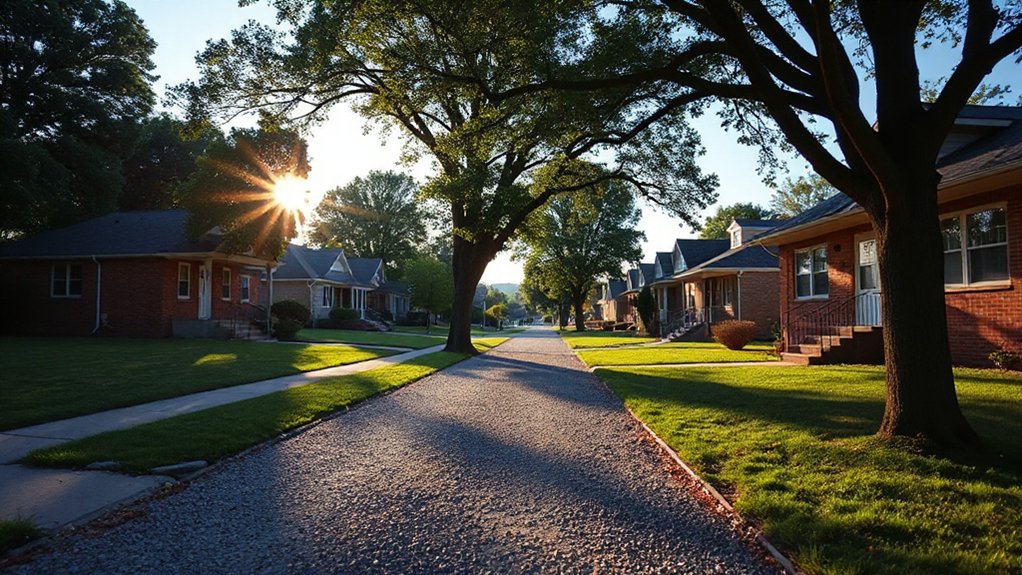
Housing costs don’t have to limit your plans to downsize; with smart financing and flexible options, you can keep a smaller home within reach. You’ll explore affordable mortgages, which lower monthly outlays while preserving essential space and comfort.
Look for lenders that offer energy-efficient or 15-year terms, and consider biweekly payments to shave years off the loan.
Think about down payment flexibility, such as leveraging a retirement or investment asset, or a seller assist to reduce upfront costs.
Community investment programs can extend value beyond the house, funding shared spaces or maintenance that keeps costs predictable.
Finally, pair mortgage choice with a realistic budget for taxes, insurance, and utilities. With disciplined planning, you gain space without compromising peace of mind.
How to Visit and Vet a Downsizer-Friendly Community: A Practical Checklist
You’ve looked at financing and options that keep space affordable, so you’re ready to see how a community stacks up for downsizing. Visit with a purpose: test accessibility, walkability, and transit links during peak times, then confirm quiet streets and reliable services.
Ask how residents engage in local affairs: does the HOA host forums, or do informal meetups shape decisions? Check safety patterns, maintenance responsiveness, and the consistency of property upkeep.
Evaluate cultural amenities close by—libraries, galleries, clubs—that sustain connection without excess travel. Observe new resident integration: are there welcoming programs, mentors, or buddy systems?
Talk to a few neighbors about noise, pace, and the rhythm of life. This practical checklist helps you assess community engagement and the value of cultural amenities before you commit.
What Downsizers Look for in Peaceful Neighborhoods
You’re drawn to quiet street appeal and a sense of calm that doesn’t shout. You’ll value proximity to nature as a daily reset, from morning walks to easy outdoor escapes.
In peaceful neighborhoods, these elements work together to support relaxed living and practical everyday comfort.
Quiet Street Appeal
You value simple road patterns—no cut-throughs, gentle bends, short blocks—that reduce surprises and brighten mornings.
Garden privacy matters, because you want outdoor space usable any season, without feeling exposed to passersby. Practical landscaping—hedges, fences, thoughtful setbacks—shrinks street noise and creates a buffer from traffic, while preserving openness.
Parking ease and quiet driveways matter too, so you can come home, unload, and unwind without fuss.
In essence, the street should invite calm, not drama, and maintain a clear line between private living and public view.
Proximity To Nature
How close you’re to nature can shape daily life as surely as a well-placed park or trail. Proximity to natural spaces matters because it influences routine, health, and mood without extra effort. You’ll value easy access to natural retreats that feel like extensions of your home, not distant excursions.
A neighborhood with visible greenery, thoughtful landscaping, and nearby trails supports gentle strolls, morning stretches, and quick escapes after busy days. Consider how wildlife corridors link yards and parks, offering serenades and quiet observation rather than crowds.
This isn’t about wilderness paralysis; it’s about balance—ease of outdoor time, lower stress, and a sense of belonging. Prioritize walkers, cyclists, and small gateways to nature that fit your pace and preferences.
Frequently Asked Questions
How Soon Should Downsizers Start Planning Their Move?
Start planning now, because you should begin at least six to twelve months ahead. Prioritize energy efficiency upgrades and budget for renovation costs, balancing timelines with vendor availability while you assess downsizing needs and secure suitable, peaceful spaces.
What Taxes Affect Smaller Living Spaces After Downsizing?
Taxes that affect smaller spaces include potential tax deductions for mortgage interest and property taxes, plus any local transfer or assessment changes. You can optimize by tracking deductible costs and appealing property tax assessments when appropriate.
Do Downsizers Need Long-Term Care Insurance Coverage?
One in three seniors will need long term care, so you should consider insurance coverage. If you can afford it, yes, get coverage now; it shields assets and helps maintain peace of mind for long-term care needs.
How Can I Verify Actual Community Safety and Light Pollution?
You verify actual safety by checking Community crime rates from local police data and neighborhood watch reports, and you map Light pollution sources with apps or astro-friendly public maps, comparing night sky clarity and incident trends across potential areas.
What Are Typical HOA or Municipal Restrictions for Retirees?
HOA fees and Municipal regulations vary, but typically you’ll face caps on age-restricted amenities, quiet hours, parking rules, and mandated accessibility features. You’ll want to review documents, ask for exceptions, and calculate ongoing costs before committing.
Conclusion
You’ll find peace fast when you pick a place that fits your pace—gentle climate, walkable streets, and homes you can lock and leave. Trust the practical details: proximity to care, social hubs, and easy outdoor access. Use the checklist, visit with an eye for privacy and low maintenance, and compare financing options that keep space affordable. When you discover a community that feels right, you’ll know it’s the real deal—quiet, spacious, and somehow magical. blissfully.