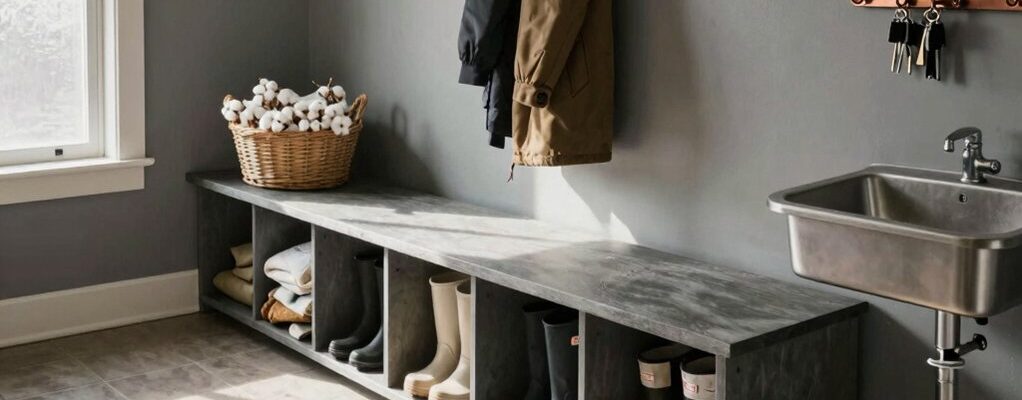
A mud room is a practical entry space you use to corral dirt, moisture, and clutter before it hits your main living areas. It relies on durable, easy-to-clean surfaces and organized storage—hooks, cubbies, and a bench—to keep coats, shoes, and gear in place. Designed for weather and wear, it streamlines daily routines and protects carpets and floors. If you want a tidier shift from outdoors, you’ll want to explore layouts and storage ideas that fit your space.
Defining a Mud Room
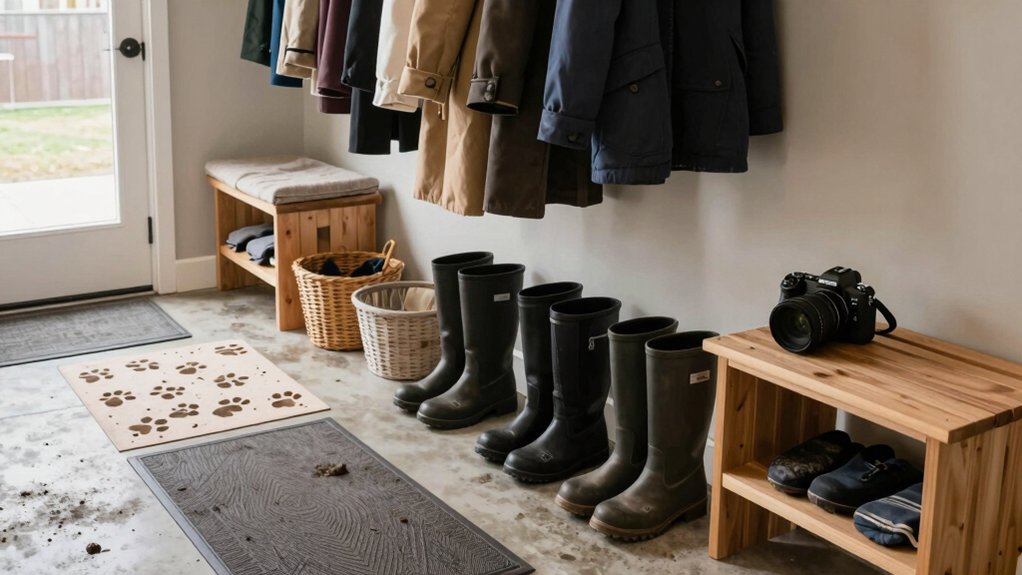
A mud room is a practical entryway designed to keep dirt, moisture, and clutter contained. You define it by function first: a zone that handles coats, shoes, and weather gear without dragging it through the house. It’s not a hallway; it’s a targeted station with organized steps and purpose.
You’ll distinguish it from adjacent spaces by layout, storage, and cleanable surfaces. Think durability over decoration, yet stay restrained in style to support quick maintenance.
A mud room pairs a weatherproof floor with a drainage plan and a sensible storage hierarchy, so you reach for what you need and return what you’ve used. You shape it around flow, accessibility, and minimal friction, ensuring every item has a dedicated spot, and every user moves efficiently.
Benefits of a Mud Room
A mud room acts as a smart first line of defense, streamlining daily routines with practical storage that keeps gear, shoes, and outerwear organized and easy to reach. You’ll notice how targeted storage solutions reduce clutter and speed up shifts, all while contributing to a cleaner, more organized home entry.
From weather defense to tidy interiors, the design-ready benefits support durability and efficiency without sacrificing style.
Practical Storage Solutions
Mudrooms streamline daily routines by providing a centralized, easy-to-access storage hub. You’ll organize gear, shoes, coats, and bags with purpose-built compartments that keep every item visible and reachable.
Start with a durable cubby system or lockers sized for your family, then add a bench with hidden storage for shoes and gloves. A wall-mounted peg rail or magnetic strip keeps frequently used tools in reach without clutter.
Incorporate a dedicated space for mail, keys, and backpacks to reduce everyday rummaging. Use labeled bins for seasonal items and a shallow tray for receipts or coupons.
Choose materials that resist dirt and moisture, and finish with a neutral palette and simple hardware to maintain a calm, functional flow.
Weather Defense Benefits
A well-planned mud room shields the rest of your home from outdoor moisture and dirt, making your living spaces cleaner and more comfortable. Concerning weather defense, you gain a controlled entry that minimizes bulk air exchange and drafts.
A durable threshold, tight seams, and sealed cabinetry keep rain and snow from migrating into hallways, while a well-ventilated halt to dampness prevents musty odors. You’ll notice reduced condensation on interior surfaces as you curb temperature swings near exterior doors.
Thoughtful material choices—ceramic, stone, and coated woods—resist moisture without sacrificing style. Layered entry zones and boot benches slow wind-driven debris, so seasonal changes stay organized.
Prioritize airtight seals, durable finishes, and simple maintenance to sustain year-round comfort and energy efficiency.
Common Features Found in Mud Rooms
Think of mud room design as a workflow: you’ll pair storage solutions with weather-ready surfaces to keep coats, boots, and sports gear organized and accessible.
Quick-access cubbies, hooks, and labeled bins streamline daily routines, while durable, easy-to-clean flooring and counters resist wet, muddy use.
This balance sets the stage for a functional space that looks polished and performs reliably.
Storage Solutions
Where storage in a mud room is most effective, design focuses on quick access, durability, and organization that lasts. You choose built-in cubbies and hooks at reachable heights, so coats, bags, and shoes drop into defined spots without clutter.
Use a bench with a wide top for seasonal items and a lower rack for boots, nourishing a simple shift from entry to daily routines. Integrate closed bins for small gear and label shelves to cut search time.
Materials matter: water-resistant laminates, powder-coated metal, and sturdy wood withstand daily use. Optimize airflow with open slats or a vented cabinet to prevent mildew.
Plan modular components you can add or reconfigure as needs shift, keeping the space tidy and efficient.
Weather-Ready Surfaces
When selecting mud-room surfaces, prioritize weather-ready materials and finishes that resist moisture, debris, and temperature swings. You want flooring that stands up to wet shoes and tracked grit, so choose sealed concrete, quarry tile, or textured vinyl with a non-slip surface.
For walls, select washable panels or beadboard with a moisture barrier, making cleanup quick after storms.
Countertops should tolerate water and abrasions; opt for quartz, solid surface, or sealed granite with integrated edging to avoid gaps.
Curb dust and salt stay manageable with dark, dense materials and visible seams that simplify maintenance.
Jump out of the dirt with long-lasting finishes and tight tolerances, ensuring your mud room remains functional, resilient, and visually coherent with adjacent spaces.
Efficient Layouts for Small Spaces
Efficient layouts for small mud rooms maximize every square inch by prioritizing circulation and storage within a clear, single path. You design for flow: keep the entry line straight, so you never backtrack, and place primary hooks within arm’s reach along one wall.
Use vertical storage to save floor space—tall cabinets or open cubbies draw clutter upward, leaving a clean floor. A compact bench with integrated shoe cubbies creates a functional pause for removal and donning, while a narrow console can hold keys, mail, and daily essentials without crowding the door.
Choose a single, durable finish palette to enhance perceived space; matte neutrals with a reflective surface on doors amplify light. Prioritize quick access zones and replaceable organizers to adapt as needs change.
Storage Solutions for Shoes and Outerwear
Shoes and outerwear deserve dedicated, reachable zones that keep the mud room tidy. Start by separating daily wear from seasonal items, using a tall, slim storage unit for shoes and a wall-mounted hook strip for coats.
Opt adjustable shelves or baskets so you can customize heights as needs shift. Use labeled bins to corral accessories like gloves, scarves, and hats, keeping surfaces clear.
Magnetic or adhesive hooks near the door offer quick grab-and-go options without clutter. Prioritize a dedicated bench with a shoe tray to catch moisture and dirt, encouraging tidy habits.
Choose materials with stain resistance and simple maintenance. Aim for a calm, organized entry that supports swift progression and ongoing cleanliness.
Mud Room Materials and Durability
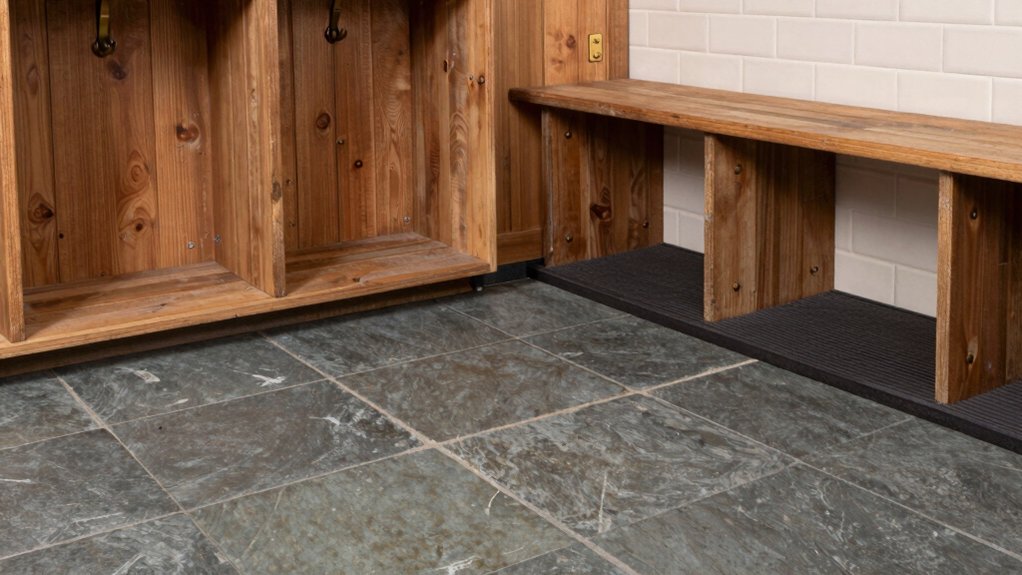
Mud rooms endure daily foot traffic and wet, muddy messes, so choosing durable materials with easy maintenance matters as much as layout. You’ll want surfaces that resist abrasion, moisture, and stain, yet read as cohesive design.
Favor porcelain or ceramic tiles for floors with slip resistance, paired with a textured grout that hides grime. For walls, watercolor-friendly/acrylic-coated panels or TFP boards deliver wipe-and-go cleanliness.
Cabinets should be melamine or PVC-coated plywood, with UV-finished doors to prevent fading and warping. Stainless steel or rounded-edge metal accents resist fingerprints and dings.
Sinks or troughs benefit from resin or concrete-like composites that tolerate impact. High-contrast trim defines zones without visual clutter.
Prioritize concealed fasteners and washable finishes to keep maintenance minimal. Durable, easy-care materials support long-term function and style.
Budget-Friendly Mud Room Upgrades
You’ll start with affordable storage solutions that keep your mud room organized without breaking the bank. Choose durable, easy-clean materials that stand up to daily use and wipe away messes in seconds.
This budget-friendly approach keeps the design focused, practical, and ready for everyday life.
Affordable Storage Solutions
Small additions can transform a cluttered entryway into a functional mud room without breaking the bank. Affordable storage solutions focus on modular, space-efficient systems you can install today.
Begin with a slim bench that doubles as a drop station for shoes and bags, built-in cubbies, or a peg rail for coats. Use labeled baskets or bins on open shelving to corral keys, gloves, and seasonal gear.
Overhead hooks maximize vertical space without crowding floor area. Mirror panels add light and a quick check before you step out.
Choose durable, moisture-resistant materials, and keep color and hardware cohesive for a tidy look. Prioritize accessibility: reachable storage at seat height and clearly defined zones reduce clutter and save time.
Durable, Easy-Clean Materials
Durable, easy-clean materials keep a budget mud room looking fresh with minimal upkeep. Choose resilient surfaces that handle shoes, wet paws, and muddy paws with ease. Porcelain, ceramic, or porcelain-look tiles resist stains and scrapes, while large-format options reduce grout lines and cleaning time.
For flooring, vinyl plank or coated concrete offer durability, slip resistance, and simple mopping. Countertops benefit from solid-surface or quartz-like materials that tolerate water, salt, and abrasion without sealing.
Cabinets in thermofoil, laminate, or plywood with a sealed veneer resist scratches and moisture intrusion. Integrated trays, drainage bays, and shallow sinks simplify mess management.
Keep finishes matte or satin to disguise wear. Minimal seams, rounded edges, and easy-to-replace panels streamline maintenance and budgeting.
Design Styles for Mud Rooms
Mud rooms benefit from a cohesive design style that blends practicality with easy maintenance. In this space, you prioritize function first, then texture and color to guide mood.
Start with a simple base: neutral walls, durable flooring, and ample storage. Use locker-style cubbies or built-in benches to organize gear, bags, and shoes, keeping surfaces clear for quick cleanups.
Choose materials that resist moisture and scuffing, like ceramic tile, sealed concrete, or wide-plank vinyl. Introduce texture through open shelving, woven baskets, and a rugged rug that’s easy to wipe.
Accent with purposeful hardware—towel hooks, magnetic strips, and labeled bins. Keep lighting bright and shadow-free for safe entry, exit, and visibility, ensuring a calm, orderly workflow.
Maintenance and Cleaning Tips
To keep a mud room looking sharp and working hard, establish a simple weekly routine: wipe down high-traffic surfaces, sweep or vacuum floors, and check for moisture or mold spots. You’ll prioritize durable materials and smart storage to minimize grime buildup.
Use a mild, neutral cleaner on wall panels and benches, then wipe dry to prevent streaks. Vacuum crevices and corners where dirt collects, and mop sealed floors with a damp—not soaking—wipe.
Address moisture promptly: fix leaks, improve ventilation, and dry damp towels or boots to deter mildew. Replace weathered mats and liners seasonally to maintain appearance and hygiene.
Schedule quarterly checks for seals, gaps, and hidden dust. Design-focused tips: keep lines clean, edges tight, and materials protected with appropriate sealants and finishes.
Transforming an Existing Entryway Into a Mud Room
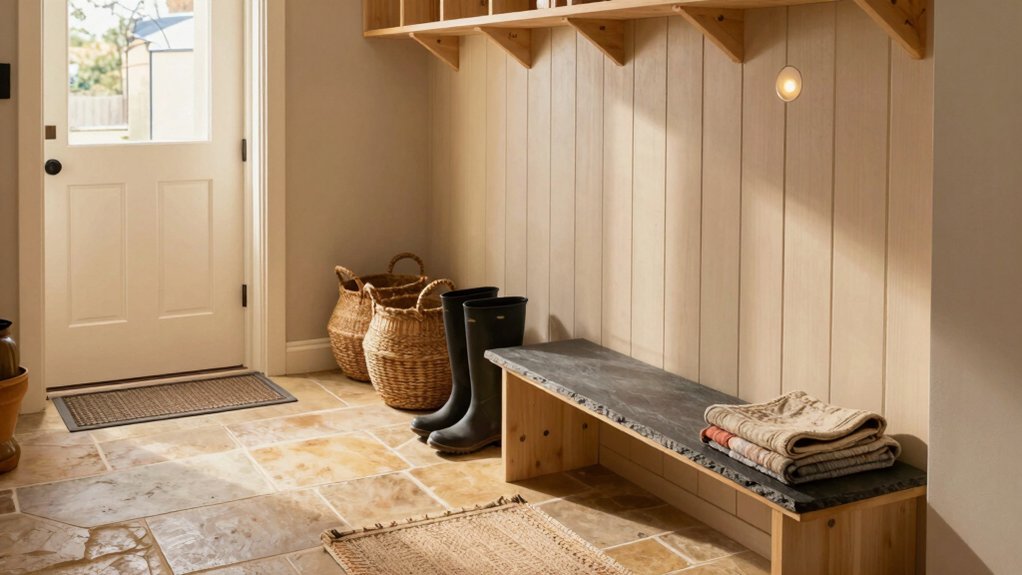
If you’re repurposing an existing entryway, start by defining a mud-room zone the moment you enter—clear, durable surfaces that handle wet and dirty gear without fuss. Layout matters: choose a practical path, keep footwear near a rack, and place a bench for changing.
Prioritize materials that tolerate moisture: porcelain, quartz, sealed wood, or high-grade laminates with slip resistance. Install a shallow tray or trench for runoff and a practical storage wall with hooks, cubbies, and ventilated baskets.
Use a consistent color palette and cohesive hardware to reinforce the zone’s function. Add lighting targeted to the floor, plus a mirror for quick checks.
Finally, integrate a hidden or accessible cleaning station to maintain order without clutter. This approach yields a focused, easy-to-maintain transition space.