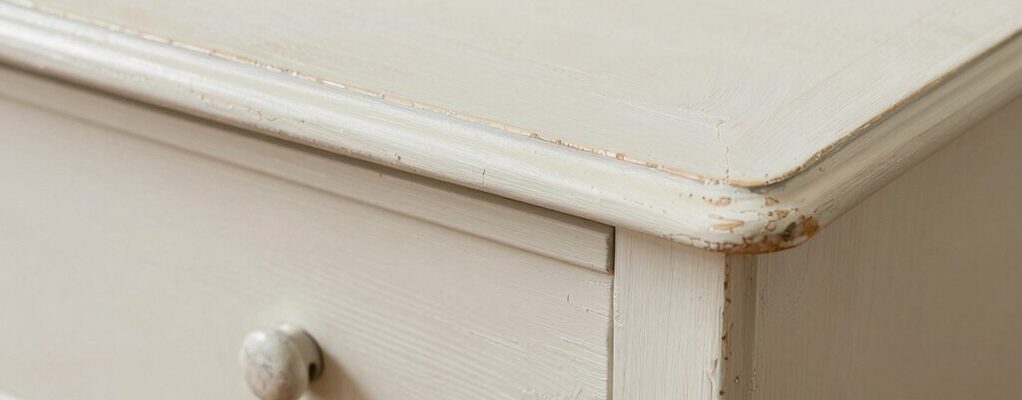
Chalk paint and milk paint each offer distinct looks and handling, and you’ll weigh velvety, matte finish against crisper, grain-emphasizing patina. You’ll assess texture, durability, and aging behavior to decide which suits your project’s mood and wear. Consider preparation, sealing needs, and application techniques before choosing. The decision sets your workflow and final aesthetic on a path that invites further comparison as you plan your next piece.
Quick Overview: Chalk Paint Vs Milk Paint
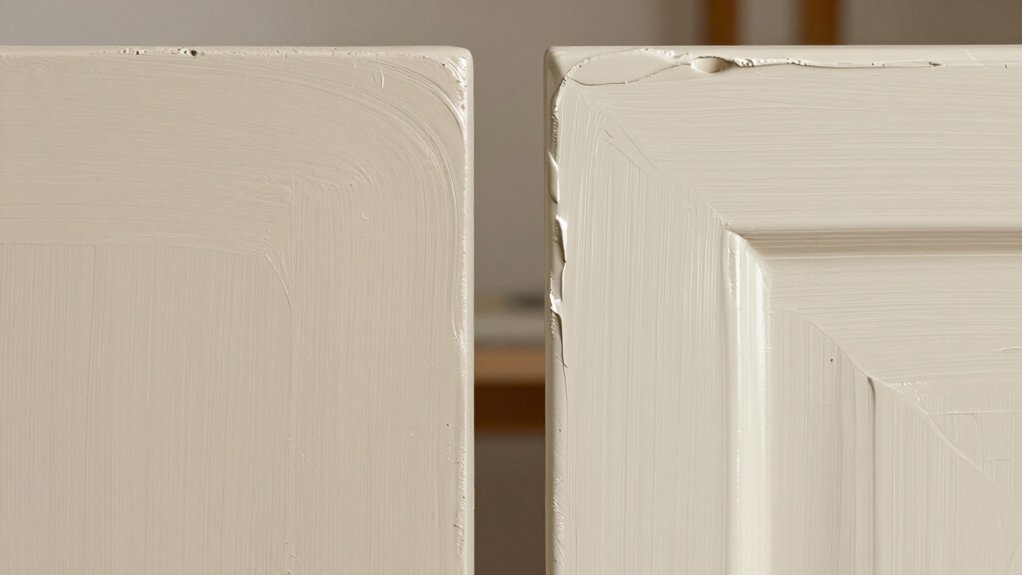
Chalk paint and milk paint serve similar decorative goals but differ fundamentally in composition and behavior. You explore chalk paint as a waterborne, velvety finish that dries quickly, adheres to many surfaces, and accepts minimal preparation.
You observe its tendency to self-level, creating soft edges, and its larger pigment load yields a muted, chalky appearance. Milk paint, by contrast, relies on natural binders and pigments, offering a porous, breathable film with authentic patina as it dries and cures, sometimes revealing grain or brush marks.
You note water resistance is limited without sealing, while tannins from wood can interact with the finish. In selection terms, you weigh blending ease and rapid results against historical authenticity and potential color shift over time.
Texture and Finish: What Each Paint Looks Like
From here, the emphasis shifts to how each finish actually looks and feels on surfaces. You assess texture and sheen, not just color. Chalk paint typically yields a velvety, matte to soft-satin appearance with pronounced brush marks and surface irregularities that enhance tactile character. It often dries with a chalky film, inviting light patination over time.
Milk paint presents a crisper, slightly glossy to satiny finish, depending on base and preparation, with more pronounced drape and edge wear as part of its aging signature. You’ll notice consistency and brush stroke visibility differ, influencing perceived depth.
Application technique matters: layering, sanding, and topcoat choice alter texture, durability, and tactile feedback. Overall, finish properties define the material’s authenticity and patina trajectory.
Opacity and Color: How They Dress Your Wood
Opacity and color sit at the core of how wood reads under chalk and milk paints: the pigment load, base, and dilution determine coverage, depth, and warmth, while translucency or opacity reveals grain and texture. You assess how a given formula limits or enhances visibility of wood features, balancing opacity with the natural character you intend to preserve.
Chalk paints typically offer higher porosity and a softer, chalky overlay that softens contrast, whereas milk paints can emphasize grain through more pronounced absorbency and variable saturation.
Color choices modulate perceived warmth and tone, independent of pigment mass, by shifting light interaction across the surface. Consider how layering, glaze intensity, and base color collectively influence final perception, ensuring the result aligns with your design intent.
Prep and Priming: Prep Steps for Best Results
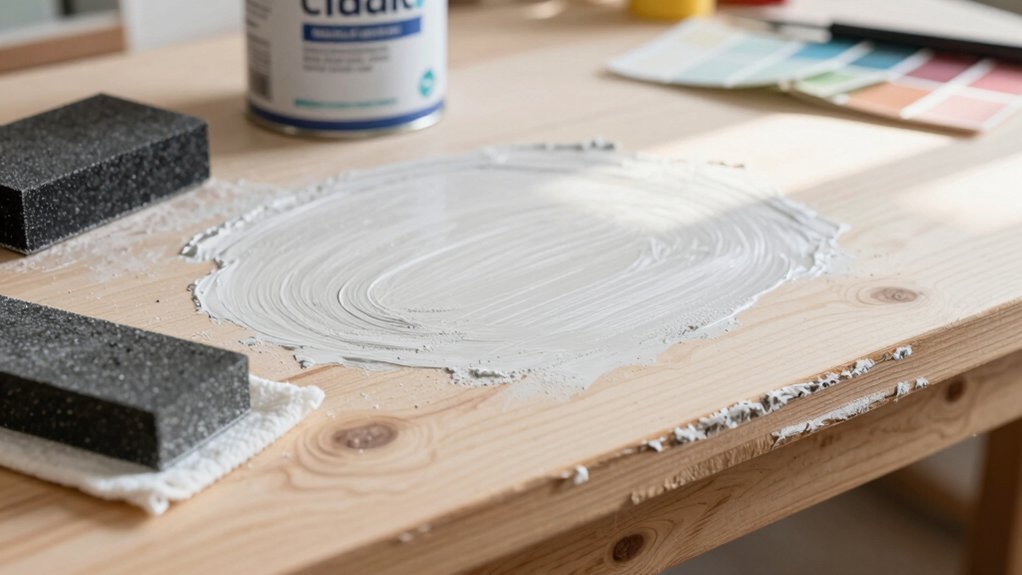
Prep and priming establish a stable foundation for chalk or milk paint by addressing surface conditions that influence adhesion, texture, and durability. You begin by inspecting for contamination, dust, oil, and old coatings, then choose a compatible primer or sealant.
If you’re painting raw wood, select a stain-blocking or bonding primer to reduce tannin bleed and improve grip. Sanding erfolgt: light abrasion creates micro-roughness that enhances adhesion without creating deep scratches. Wipe with a tack cloth to remove residues, ensuring a clean canvas.
Prime concealed joints, repairs, and patched areas to prevent uneven absorption. For porous substrates, apply a thin initial coat to normalize porosity, then a second coat where needed. Allow primer to cure fully according to product guidelines before proceeding to paint.
Application Techniques: Brushing, Brayer, and Distressing
Brushing, brayer, and distressing each shape the final texture and coverage of chalk and milk paints, so select a technique that aligns with surface condition and desired look.
You apply brushing for even, matte film build, controlling stroke direction to minimize texture while maximizing color depth.
A brayer delivers consistent coverage on flat or glossy areas, reducing brush marks and creating a smoother, more uniform surface.
Distressing introduces controlled wear, revealing underlying layers and imparting character; execute selectively to emphasize edges and corners.
Consider paint consistency, drying time, and tool cleanliness to prevent texture anomalies.
Alignment between technique and substrate reduces coat thickness and drying variability.
Test samples on scrap panels to anticipate adhesion, raise, or wiping issues, then adjust pressure, overlap, and movement to achieve your target finish.
Durability and Maintenance: Longevity, Wax, and Protection
Durability and maintenance hinge on how you seal and care for chalk and milk paints, balancing protection with the look you want. In practice, longevity depends on surface prep, appropriate sealers, and controlled use.
Chalk paint benefits from breathable sealing options, while milk paint often requires a durable topcoat to prevent flaking. Wax yields a low-sheen finish and easy touchups but can be less protective in high-use areas; polymer or resin-topcoats offer stronger abrasion resistance and moisture protection.
Maintain surfaces by dusting regularly, avoiding harsh cleaners, and reapplying sealer when sheen dulls or micro-scratches appear. Weigh the tradeoffs between maintenance frequency, tactile feel, and environmental exposure to determine the most suitable protective strategy for your project.
Suitable Projects: When to Reach for Chalk or Milk Paint
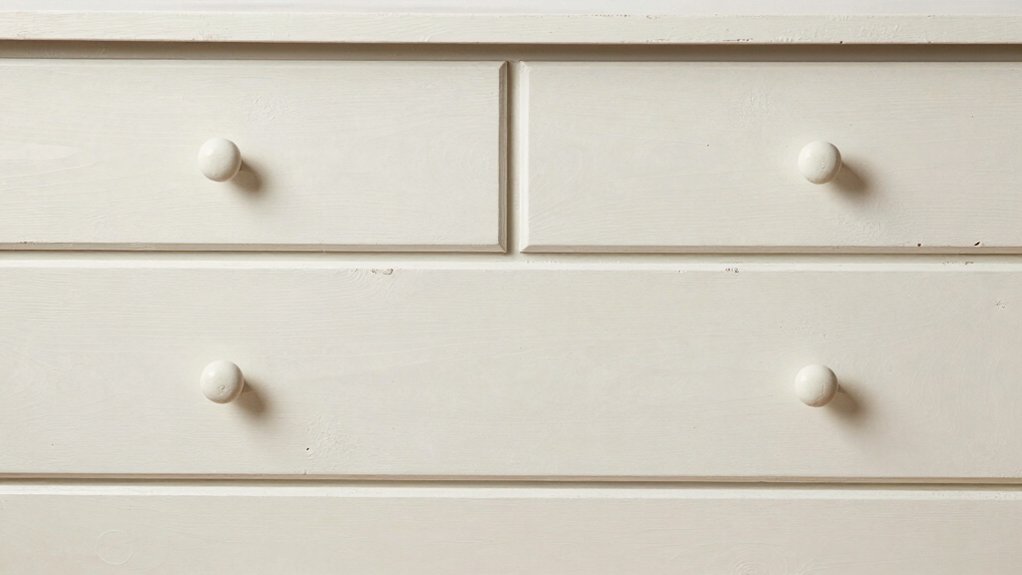
Chalk paint and milk paint each suit different project profiles based on finish goals, substrate compatibility, and wear patterns. You’ll reach for chalk paint when you want a smooth, even surface, crisp color, and easier topcoat layering on porous woods or formerly varnished pieces. It performs well on indoor furniture, cabinetry, and decorative accents where a matte-to-satin look suffices.
Milk paint suits projects demanding authenticity, visible brush strokes, subtle texture, and a chalky patina, especially on reclaimed or distressed surfaces. Choose chalk paint for rapid transformation with minimal prep, and milk paint for character and historical accuracy—even if it requires more preparation and careful handling.
In mixed-media pieces, consider combining both approaches to balance durability, texture, and finish variety.