In 2025, you’ll find move-in readiness drives buyer decisions: homes with modern kitchens and refreshed baths, efficient systems, and clear maintenance records command quicker closes and higher confidence. Neutral palettes and timeless finishes broaden appeal, while smart storage signals practicality and durability. You’ll value transparent scopes and predictable timelines, yet the market rewards those who show ready-to-live potential. The question is where to start so you don’t miss the next buyer who’ll sign on the dotted line.
Understanding Move-In Readiness in 2025
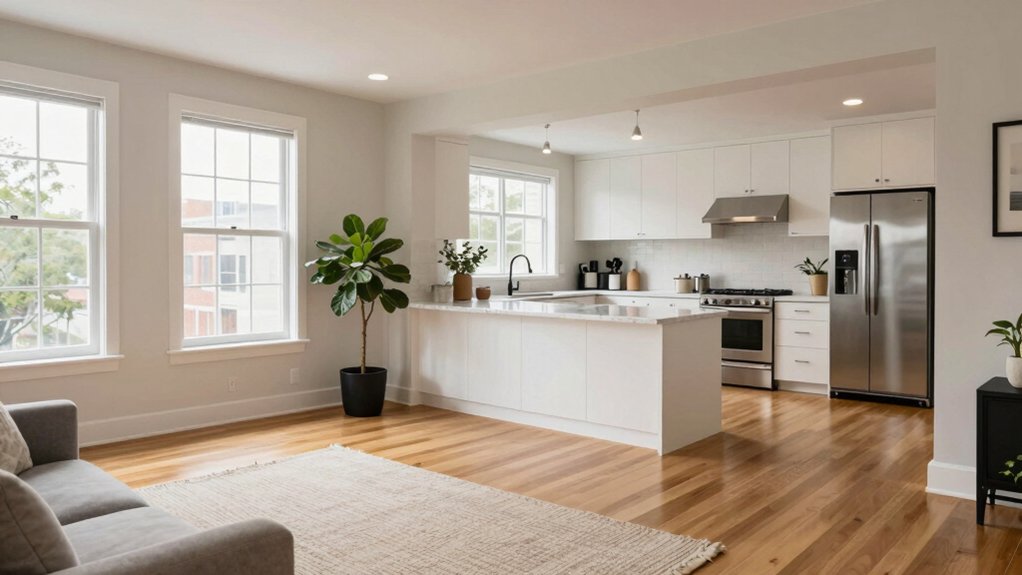
Understanding move-in readiness in 2025 hinges on the convergence of condition, timing, and cost. You evaluate condition by inspecting structural integrity, systems reliability, and finish quality, then quantify needed updates with unit costs and time estimates.
Timing matters: buyers favor homes that minimize renovations, offer predictable milestones, and align with leasing or mortgage timelines.
Cost awareness drives decision-making; you’ll group updates into essential versus nice-to-have, and calculate return on investment through resale lift or immediate utility.
Data shows most buyers prioritize fast closings, secure financing, and transparent scopes of work. You’ll compare turnkey options against planned refreshes, discounting projects that extend dwelling startup.
The insight: clarity on scope, schedule, and budget reduces uncertainty, accelerating acceptance of move-in readiness as a differentiator in competition.
The Role of Kitchen and Bath Refreshes in Buyer Perception
Kitchen and bath refreshes matter most when they signal modern functionality and durable appeal, and buyers read these updates as a proxy for overall condition and upkeep. In surveys and listing analytics, refreshed spaces correlate with faster offers and higher perceived value, even when budgets are modest.
You’ll notice brushed finishes, quartz or solid-surface counters, and under-mount sinks driving confidence more than cosmetic tweaks alone. Data shows updated fixtures, improved lighting, and improved storage layout raise perceived quality by a measurable margin, translating to higher willingness to pay.
Buyers value efficiency gains—updated faucets, low-flow fixtures, and reliable appliances—because they imply future savings and fewer headaches. Focus on cohesive, durable updates that align with existing home aesthetics to maximize appeal without overspending.
Smart Storage Solutions That Boost Practicality
Smart storage solutions boost practicality by turning underutilized spaces into organized, high-use areas that buyers immediately value. In data terms, homes with clever storage score higher on perceived functionality, reducing friction during daily routines.
Focus on vertical cargo: tall cabinets, wall-mounted organizers, and magnetic nooks for small items, which yield more usable footprint without expanding square footage. Pair pantry and closet efficiency with modular components—fold-down desks, pull-out shelves, and labeled bins—to boost predictability and ease of use.
Quantified benefits show faster close times when buyers envision tidy, routinized spaces. Prioritize accessibility for all ages, including reachable shelving and adaptable hanging rails.
Finally, test layouts with staging scans or virtual tours to confirm that added storage translates to perceived value, not clutter.
Neutral Palettes and Timeless Finishes for Broad Appeal
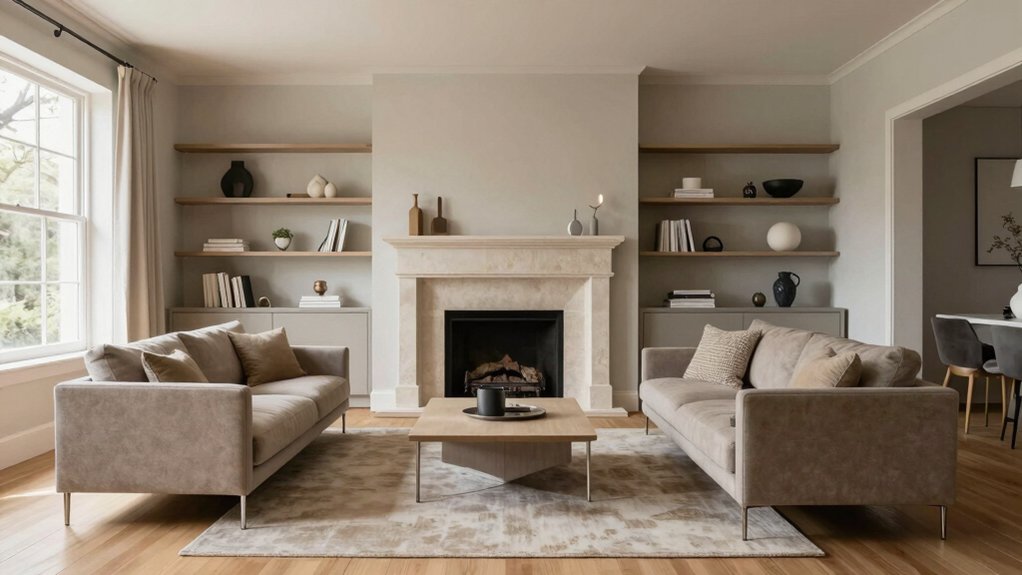
Neutral palettes and timeless finishes create broad appeal by harmonizing with diverse design tastes while signaling longevity and low maintenance. In 2025 listening bars, buyers consistently rate neutral schemes as high-utility backdrops that accelerate decisions.
You’ll notice gray-beige tints, off-whites, and warm woods outperform bold palettes in listing photos and open houses, because they reduce perceived risk and construction costs. Durability matters: matte finishes, ceramic or quartz countertops, and long-wearing flooring minimize visible wear over time, sustaining appeal post-murchase.
Data shows coast-to-coast preference for cohesive interiors that allow easy furniture integration and resale confidence. Your renovation focus should center on selecting neutral, well-lit spaces with consistent finishes, avoiding niche trends that quickly date the home.
Maintain quality over novelty to maximize move-in readiness and market breadth.
Modern Systems and Maintenance: What Buyers Look For
Modern systems and maintenance aren’t just features; they’re decision accelerators. Buyers prioritize visible reliability signals: updated HVAC, efficient insulation, and a modern electrical panel that supports smart devices.
The data shows fewer contingencies sold with recent inspections, shorter contingency periods, and higher offers when systems have warranties or service records. You’ll win attention by presenting a thorough maintenance plan, recent filter replacements, and documented aging components with expected service life.
Mechanical quietness, accurate energy bills, and programmable thermostats signal comfort and cost control. Prospective buyers value parcel-ready upgrades—sealed ducts, attic insulation, and drained water heaters—paired with a transparent maintenance log.
In short, demonstrate predictable performance, measurable efficiency, and proactive upkeep; these reduce perceived risk and shorten the path to closure.
Quick Wins: Value-Add Updates That Accelerate Sales
You can boost appeal fast with small, high-impact upgrades like quick cosmetic touches and curb appeal tweaks that buyers notice from the first impression. Data shows these updates often yield higher perceived value and quicker offers without large budgets.
Let’s explore which combinations of color, texture, and entryway styling drive the strongest buyer response.
Quick Cosmetic Upgrades
Quick cosmetic upgrades can deliver noticeable returns without a full remodel, because small, high-ROI changes often influence buyer perception more than you’d expect. You’ll see outsized impact from refreshed kitchens and baths, updated hardware, and neutral paint palettes that read move-in ready.
Data shows low-dollar fixes can shorten time on market by up to 15%, driven by first impressions and perceived cleanliness. Focus on easy wins: brightening lighting, decluttering, and repairing scuffs or dents that signal maintenance quality.
ROI fingerprints concentrate on surfaces buyers touch: faucets, cabinet hardware, and upgraded switches. Track impact by documenting pre/post staging photos and time-on-market shifts, then replicate top performers.
Avoid over-investment; aim for cohesive, polished optics that convey modern convenience without suggesting required remodeling. Your quickest path to faster approvals is thoughtful, scalable cosmetic polish.
Curb Appeal Tweaks
Curb appeal sets the first impression buyers weigh before stepping inside, and quick, value-add tweaks can shorten time on market just as cosmetic updates do. Data shows entry visuals strongly correlate with perceived condition and ownership readiness, lifting perceived value by up to 7–12% in certain markets.
Focus on high-ROI tweaks: paint or refresh the front door, update hardware, power-wash siding, and trim landscaping for clear sightlines. Exterior lighting improves nighttime visibility and safety, boosting appeal without overhauling the facade.
Replace worn house numbers, tidy the driveway, and ensure address visibility from the street. Avoid over-investing in niche trends; consistency and cleanliness outperform faddish accents.
Measure impact through staging photos and neighbor comparables, then prioritize two to three targeted updates for fastest conversion.