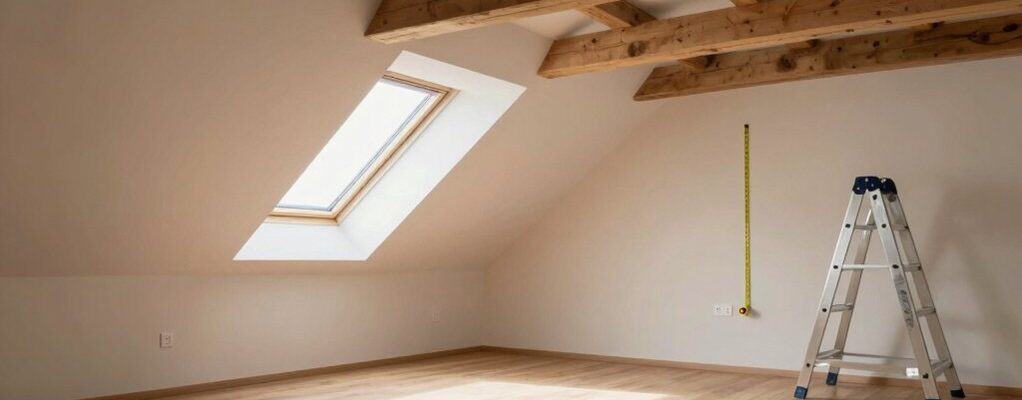
When you’re weighing loft conversion options, you’ll compare dormer, hip-to-gable, and Velux approaches through a cost and value lens, weighing space gains, light, aesthetics, and disruption. Each path has distinct price drivers—from structural work to planning needs and energy efficiency—so you’ll want a clear framework to judge payback and long-term comfort. The next step breaks down what drives costs and how to align them with your priorities, before you commit to a course of action.
Cost Overview: Dormer vs. Hip-to-Gable vs. Velux Extensions
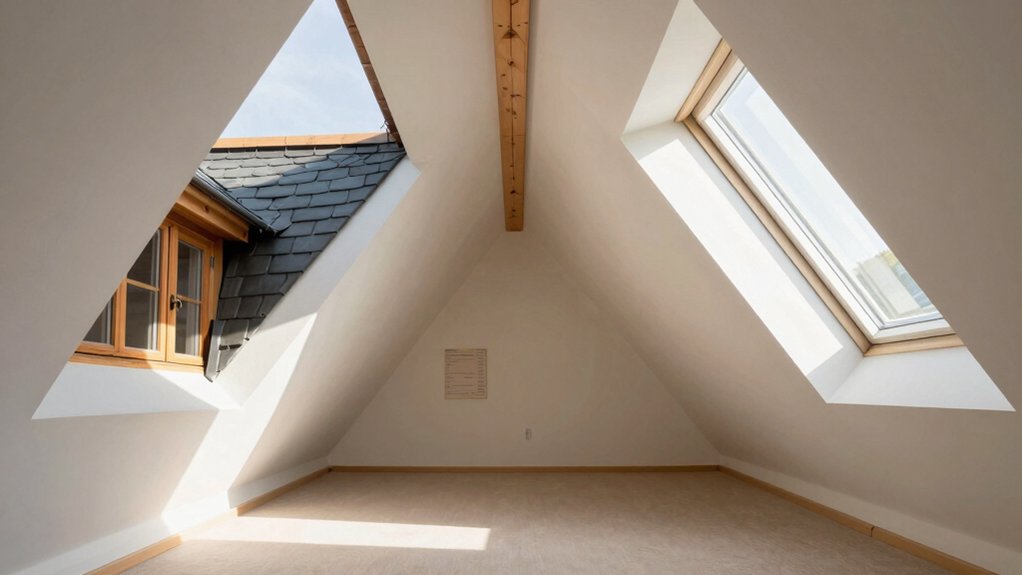
Dormer, hip-to-gable, and Velux extensions each impact loft conversion cost in distinct ways. You’ll compare roof alterations, structural requirements, and finish levels to quantify overall expenditure.
Dormers add complexity: they require framing, waterproofing, and potential reconfiguring of floor space, often increasing wall height and usable area but with variable materials.
Hip-to-gable extensions reduce complication by transforming a hipped roof into a gable, typically lowering reinforcement needs yet demanding precise alignment with existing rafters and new ceiling lines.
Velux conversions emphasize skylights, skylight units, and roof-line insulation, usually delivering lower material costs but higher window sizing and flashing precision considerations.
Across options, labor intensity, insulation standards, and planning permissions drive cost dispersion, while internal layout, head heights, and thermal performance define long-term value.
When to Choose a Dormer: Pros, Cons, and Price Drivers
Dormers markedly influence both usable space and headroom, making them a practical choice when you need to increase floor area or ceiling height without altering the roof’s fundamental geometry.
You should choose a dormer when the goal is to optimize interior volume, improve window distribution, and maintain existing external lines.
Pros include significant headroom gains, better natural light, and straightforward installation relative to full-hip alterations.
Cons encompass higher construction complexity, potential impact on insulation performance, and marginally increased heat loss if not properly sealed.
Price drivers are roof slope, dormer type (flat, pitched, or eyeline), foundation adjustments, and local labor rates.
Consider planning constraints, zoning guidelines, and potential need for structural reinforcement.
In budget planning, quantify added value from additional usable space versus incremental costs.
Hip-to-Gable Extensions: Value, Limitations, and Budget Considerations
Hip-to-gable extensions increase usable space and headroom. However, the value hinges on ceiling height, room shape, and alignment with the existing structure.
You’ll want to assess how much space is gained versus the added complexity, framing, and potential disruptions to eaves, slopes, and insulation.
Budget considerations should tie directly to material quality, labor scope, and any required structural or planning adjustments.
Value of Hip-to-Gable
Hip-to-gable extensions can increase usable headroom and improve exterior symmetry, but their value hinges on the roof geometry, local building codes, and the resulting interior layout.
You assess cost against benefit by quantifying added floor area, potential changes to eaves, and the need for structural reinforcement. The gain in liveable space is often offset by increased framing effort, potential alteration of existing utilities, and higher approvals risk in heritage or restricted zones.
Energy performance and glazing choices influence long-term operating costs, while skylight or dormer integration affects daylight quality and thermal loads.
Market value uplift varies with neighborhood norms and resale expectations; gains are most tangible when alignment with the existing floor plan yields usable rooms with functional access and minimal wasted space.
Space and Headroom Limits
Space and headroom are the primary constraints that determine the feasibility and cost-efficiency of hip-to-gable extensions. You assess existing ceiling heights, knee-wall clearance, and the usable floor area beneath the lowered eaves.
Headroom must remain functional in habitable zones, typically over 2.0 meters on at least one side and more for comfortable circulation.
The extension’s geometry affects light intake, with dormer-like builds preserving natural light differently than full-gable forms.
Structural integration hinges on preserving load paths, aligning ridge lines, and ensuring adequate ridge ventilation.
You’ll evaluate insulation continuity, vapor barriers, and airtightness, as headroom constraints interact with thermal performance.
Plan for access, egress, and potential ceiling slope reductions, recognizing that limited height can cap usable rooms and influence project viability.
Budgeting and Costs
What’re the true costs and value drivers behind a hip-to-gable extension, and how do they shape your budget and decision-making?
In budgeting terms, material costs include timber, insulation, plaster, windows, and roofing, plus finishings. Labor dominates the tally, with carpentry, structural alterations, electrical, plumbing, and plastering driving the price; approvals and scaffolding add fees.
Value drivers hinge on usable floor area, headroom, and window quality, which affect resale value and daily comfort.
Limitations—access, structural load, and party-wall constraints—can trigger additional reinforcement or alternatives, raising cost risk.
Contingencies should account for 10–20% of the base estimate.
Schedule dependencies influence opportunity costs; extended build times raise financing costs.
Compare dormer, Velux, and hip-to-gable options to balance upfront spend against long-term utility and market appeal.
Velux (Rooflight) Conversions: Costs, Fit, and Practical Trade-offs
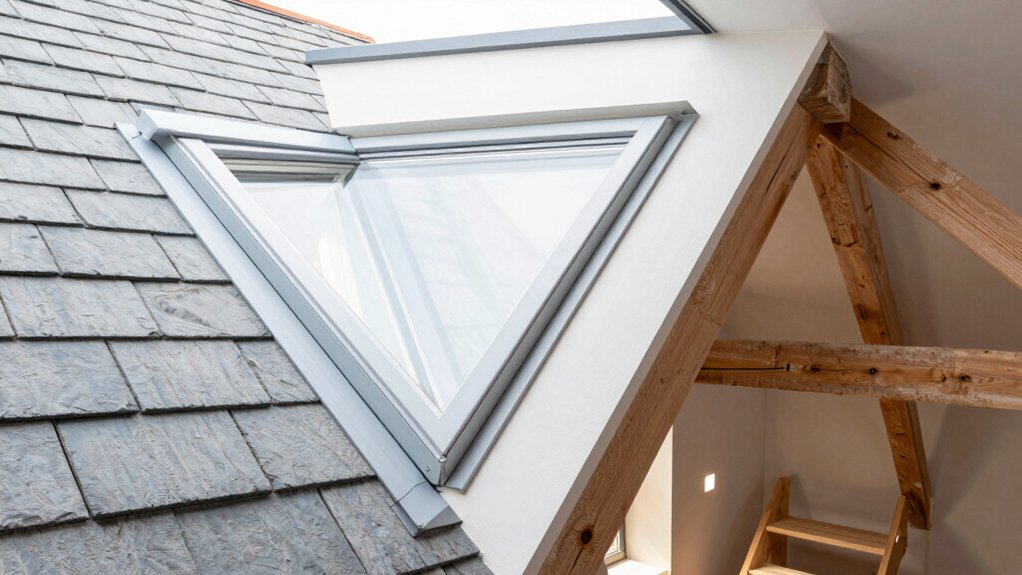
Velux rooflight conversions offer a compact, cost-efficient way to add usable headroom and daylight without reconfiguring the entire roof. You’ll assess roof slope, opening size, and installation constraints to determine feasible gains in usable space.
Fit considerations include mounting hardware, flashing compatibility, and lintel adequacy, ensuring watertight seals across varied roof substrates.
Costs center on unit price, supplementary flashing, and potential dormer-free reinforcement; labor scales with roof access, insulation upgrades, and crew expertise.
Performance trade-offs involve limited headroom, smaller egress options, and reduced thermal buffering relative to full dormers.
Expect incremental gains in daylight rather than significant volume increase, with comparable energy performance to standard skylights when properly sealed and insulated.
Precision measurements, manufacturer specifications, and site surveys guide selection to avoid retrofit complications or warranty voids.
Planning, Permits, and Disruption: Timeframes and Hidden Expenses
Planning, permits, and disruption are the practical rails that shape a loft conversion timetable and budget. You must map regulatory steps upfront, because permit timelines vary by jurisdiction and project scope. Expect planning permissions, building control sign‑offs, and potential neighbour consultations to add days or weeks, not just formal costs.
Document-intensive processes rise with complexity: site plans, structural calculations, fire safety strategies, and access arrangements all factor into the critical path.
Disruption costs appear beyond labour and materials; access restrictions, scaffold hires, and temporary utility interruptions accumulate even when you’re not actively renovating. Build a contingency for unforeseen hold-ups, inspections, and plan changes.
Track milestones against baseline forecasts weekly, adjusting schedules and budgets to prevent cascading delays and surprise charges.
Energy Efficiency, Comfort, and Long-Term Value: Break-Even Insights
Energy efficiency directly influences operating costs and occupant comfort, making energy upgrades a cornerstone of long-term value. You’ll assess insulation, glazing, and airtightness as primary drivers of a retrofit’s payback, not merely comfort when windows face dominant heat loads or winter drafts.
Break-even calculations hinge on incremental capital outlay, energy tariffs, and occupancy patterns; subtle gains from long-lived components compound over time. Dormer or Velux options diverge in thermal performance, ventilation needs, and potential for solar gains, affecting seasonal heating and cooling loads.
You’ll quantify annual savings, then discount future benefits to present value, comparing with maintenance costs and resale premiums. This analysis informs project scoping, ensuring choices align with projected usage, climate, and regional energy incentives while minimizing overcap.