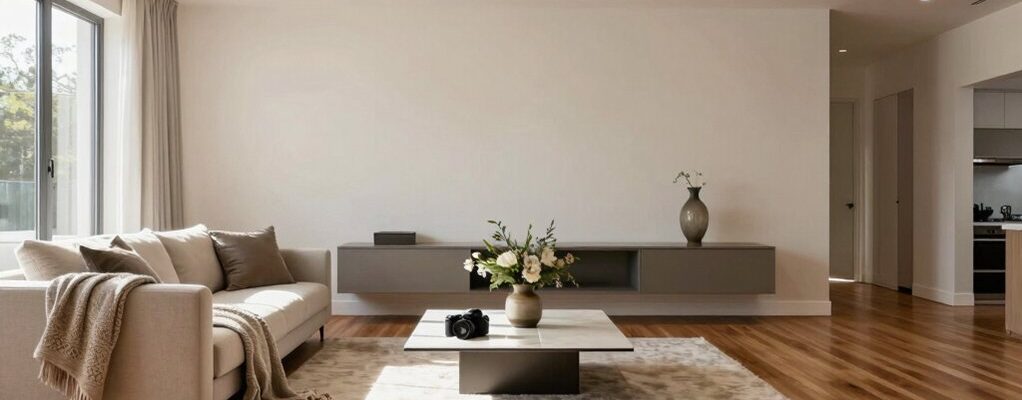
If you want to maximize your home’s value before selling, start with curb appeal, then move inward to key updates like the kitchen and baths, while keeping costs in check with smart finishes and neutral palettes. You’ll gain traction by addressing minor repairs, decluttering, and staging, plus improving outdoor space and landscaping. The approach should balance measurable ROI with buyer perception—a combination that often determines how quickly you move and at what price, but there are tradeoffs to weigh before you proceed.
Quick Fixes for Immediate Curb Appeal
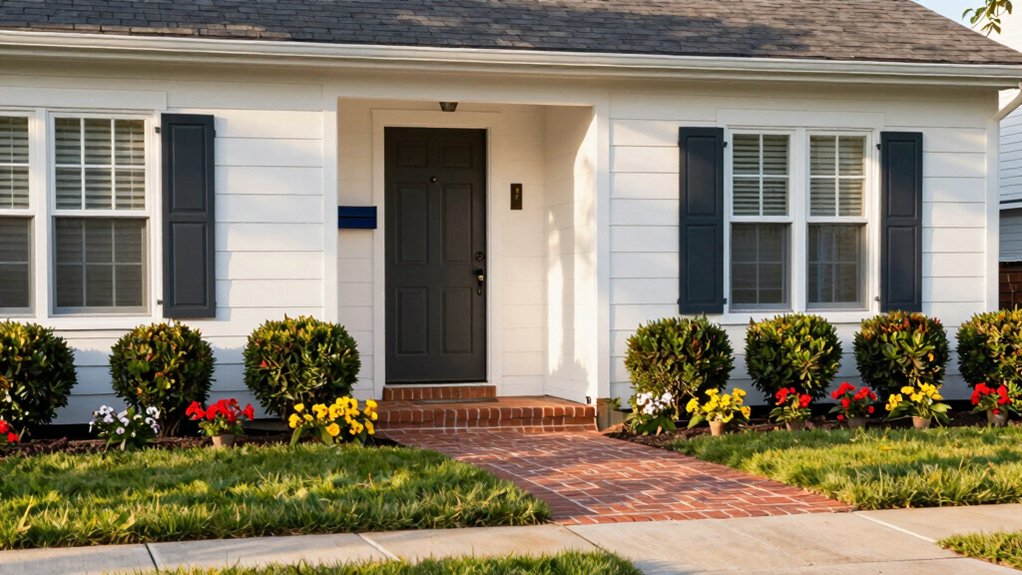
Q: What quick changes can dramatically boost your home’s first impression? You assess curb appeal with focus and precision, prioritizing actionable, low-cost improvements. Begin with the exterior’s condition: tidy pathways, trimmed hedges, and fresh mulch reduce visual clutter and signal ongoing care. Garden maintenance matters, since well-kept plantings convey vitality and structure, yet avoid overgrowth that blocks sightlines.
Exterior paint or siding should look uniform; address peeling areas to prevent corrosion or moisture issues. Roofing appears in sightlines during visits, so schedule roof inspections to confirm integrity and catch granule loss or flashing gaps early. Lighting should be balanced, not harsh; soft, evenly spaced fixtures extend perceived value without drawing excessive attention.
Document improvements for buyers, linking each enhancement to perceived durability and maintenance responsibility.
Kitchen Upgrades That Pay Off
Upgrading cabinets yields high ROI by improving storage and aesthetics without a full remodel.
Modernize countertops with durable, low-maintenance materials to boost value and kitchen workflow.
Focus on an efficient layout to maximize counter space, workflow, and overall usability for potential buyers.
High-ROI Cabinet Upgrades
If you’re aiming to boost resale value, focus on cabinet upgrades that deliver noticeable impact without oversized costs. High-ROI strategies hinge on perceptible quality gains without major disruption.
Begin with cabinet hardware; upgrading pulls, hinges, and pulls can refresh the perceived durability and style without a full makeover. Choose finishes and finishes that coordinate with existing hardware and room lighting to avoid jarring contrasts.
Next, cabinet painting can transform a tired look at a fraction of the cost of new cabinetry, especially with strategic color choices that suit current market trends. Pay attention to doors, drawer fronts, and visible seams for a cohesive result.
Prioritize durable, easy-to-clean surfaces and professional installation where needed to preserve long-term value.
Modernize Countertops Smartly
Countertops are a high-impact upgrade that can refresh a kitchen’s look without gutting the space. Modernizing them requires prioritizing durability, maintenance, and resale appeal.
Granite countertops offer natural variation, resistance to heat, and a premium perception, but require resealing and careful staining prevention.
Quartz countertops deliver uniform patterns, low maintenance, and consistent performance, with non-porous surfaces that resist stains and bacteria.
When choosing, assess durability, edge profiles, and seam visibility, since buyers notice these details.
Budget vs. lifespan matters: granitoid options may cost more upfront but can add perceived value through natural beauty; quartz often provides stronger resale confidence due to predictable performance.
Installation quality, color coordination with cabinetry, and overall kitchen balance determine impact more than material choice alone.
Avoid overly niche trends to maximize market broadness.
Efficient Kitchen Layouts
Efficient kitchen layouts maximize workflow and minimize wasted movement, delivering measurable value when you’re preparing meals or entertaining buyers. You should design around the work triangle, ensuring the sink, stove, and refrigerator form a balanced path that minimizes steps.
Analyze traffic patterns from common areas—pantry doors, island seating, and doorway clearance—to prevent bottlenecks. Appliance placement matters: group high-use devices for quick access and maintain clear counters near prep zones.
Consider storage optimization by aligning cabinets with typical task zones, using tall cabinets for cookware and a shallow drawer for utensils. Integrate ample counter depth near the primary prep area to reduce clutter and improve surface efficiency.
Favor standardized cabinet widths to simplify updates and improve perceived value without overhauling existing layouts.
Bathroom Refreshes on a Budget
Renovating a dated or cluttered bathroom doesn’t have to break the bank; smart, cost-conscious updates can yield solid value. You’ll maximize impact by prioritizing efficiency and durability over flashy trends.
Begin with a focused refresh: regrout tile to brighten surfaces, update lighting to brighter, cooler tones, and replace worn seals to reduce moisture risk. Consider midrange vanity upgrades and a refreshed mirror to sharpen the space without over-investment.
When choosing fixtures, opt for timeless hardware and water-efficient models that deliver long-term savings. Spa-inspired upgrades can be achieved with neutral color palettes, cohesive accessories, and a simple, high-contrast metal finish.
Avoid over-personalization; you want a universal, not polarizing, bathroom that appeals to buyers. Prioritize perceived cleanliness, organization, and flow to drive value.
Flooring and Carpet Opportunities
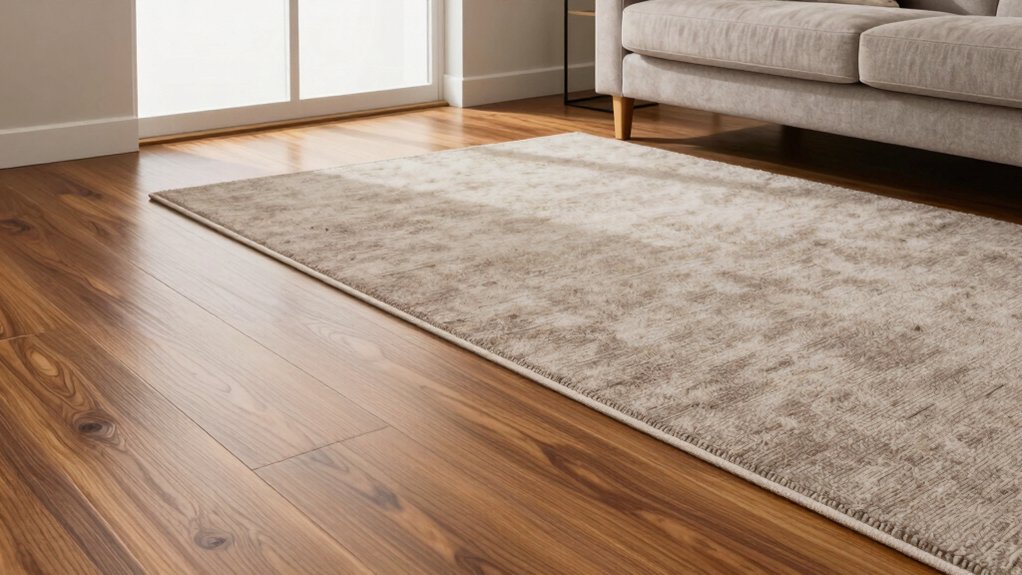
Upgrading flooring can boost first impressions and overall value, so start by evaluating durability, maintenance, and cost per square foot for options like engineered wood, tile, or luxury vinyl.
Replacing carpet offers tangible benefits in resale appeal, especially in bedrooms and high-traffic areas, with attention to pile life, stain resistance, and underlayment.
Consider sequencing projects to balance impact and budget, targeting materials that endure wear while aligning with your home’s style.
Flooring Upgrade Ideas
When selecting flooring upgrades to boost resale value, focus on materials that balance durability, aesthetics, and cost. You should evaluate long-term maintenance, wear resistance, and installation disruption to homeowners.
Hard flooring options like solid hardwood, engineered wood, and large-format porcelain offer clean lines and higher perceived value, yet vary in cost and durability. Consider hardwood refinishing as a strategic option to refresh existing character without full replacement, aligning with budget-conscious renovations.
If you pursue carpet, prioritize high-quality fibers sparingly, ensuring a modern underfoot feel and better resale alignment. Area rug placements can define spaces without committing to permanent changes, improving flow and appeal.
Finally, guarantee consistent transitions, underlayment quality, and color harmony with adjacent rooms to maximize appeal in key selling zones.
Carpet Replacement Benefits
Carpet replacement can markedly enhance your home’s resale value by improving comfort, acoustics, and perceived cleanliness, especially in high-traffic living areas and bedrooms. Replacing worn carpet reduces visible wear and minimizes allergens, contributing to a healthier, more appealing interior.
When selecting carpet, consider carpet durability to ensure long-term performance under frequent foot traffic and family use, which helps maintain value between listing and sale. Plush textures offer a refined, inviting feel without sacrificing practicality; a mid-to-low pile can balance softness with ease of maintenance in busy households.
Consider pad quality and underlayment to optimize insulation, noise reduction, and durability. Neutral tones support broader buyer appeal, while uniform installation avoids patching and visible seams, enhancing perceived condition and move-in readiness.
Paint and Interior Finishes That Win Buyers
Paint color and interior finishes have a meaningful impact on buyer perception, so choose neutral tones and simple textures that read as clean and modern. You should prioritize consistency across spaces to reduce distraction and project quality.
Opt for low-gloss or eggshell sheens that resist fingerprints while maintaining a fresh look. When selecting wall textures, favor smooth or subtle finishes over busy patterns, which can limit perceived space.
For ceilings, choose a uniform ceiling finish in white or off-white to enhance brightness and perceived height. Guarantee color transitions are cohesive from room to room, with minimal accent walls.
Document paint brands, codes, and touch-up plans for disclosures, and align finishes with durable, easy-to-clean surfaces to support resale value.
Lighting, Energy Efficiency, and Smart Upgrades
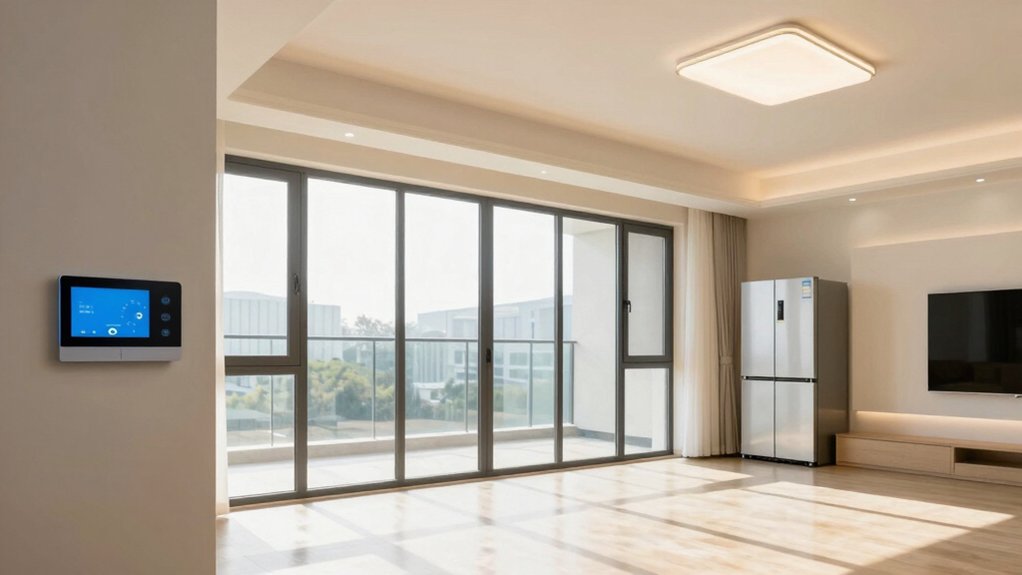
Lighting, energy efficiency, and smart upgrades directly influence a home’s operating costs, comfort, and appeal to buyers. You assess how modern lighting reduces electricity use, while ensuring consistent, high-quality illumination in key rooms.
Implement smart lighting where it enhances ambiance and scheduling, but avoid overcomplication or excessive features that don’t add value. Pair lighting choices with energy saving upgrades, such as programmable thermostats, high-efficiency HVAC components, and well-sealed envelopes, to maximize performance and buyer confidence.
Prioritize controls that are intuitive, reliable, and compatible with common ecosystems. Present quantified benefits—annual savings estimates, payback periods, and potential tax incentives—when possible.
Focus on actionable, verifiable improvements rather than decorative trends, so your home’s value proposition remains clear, credible, and grounded in practicality.
Decluttering and Staging for Maximum Impact
Decluttering and staging are essential to spotlight a home’s layout, flow, and potential, enabling buyers to envision daily living without distractions. You should assess each room for functional zones, eliminating excess furniture that blocks movement and reduces perceived space.
Prioritize neutral surfaces and cohesive decor to create a calm, decision-friendly environment. Implement deliberate storage solutions that minimize visual clutter while preserving accessibility, such as multi-functional furniture and concealed organizers.
Pair staging with objective color balance and consistent lighting to reinforce readability of spaces. Apply Feng shui principles to promote balanced energy flow, e.g., clear entryways, harmonious furniture placement, and uncluttered corners.
Measure impact through before/after photos and retailer-projected pricing, using data-driven adjustments rather than intuition alone. The result: sharper perceived value and faster buyer engagement.
Outdoor Living and Landscaping Enhancements
Investing in hardscape improvements, native plant benefits, and outdoor lighting upgrades can enhance curb appeal and outdoor usability without excessive upkeep.
These elements together create defined spaces, reduce long-term maintenance, and improve energy efficiency.
Hardscape Improvements
Hardscape improvements, including outdoor living spaces and landscaping enhancements, add functional value and curb appeal by extending usable area, improving drainage, and creating low-maintenance features.
You evaluate layout efficiency, ensuring walkways and seating areas maximize space without crowding traffic flow. Garden pathways should be narrow enough to feel intimate but wide enough for accessibility, with non-slip surfaces to reduce maintenance.
Decorative walls can define zones, provide seating, and support erosion control, while integrating lighting for safety and ambiance. Material choices influence durability and resale appeal; consider permeable pavers to manage runoff and reduce pooling.
Regular maintenance plans, including joint sealing and debris clearing, preserve appearance and function. A well-executed hardscape lowers ongoing costs, minimizes future upgrades, and complements interior design, contributing measurable value without requiring substantial ongoing upkeep.
Native Plant Benefits
Native plants integrate with outdoor living and landscaping by matching local conditions, reducing maintenance, and supporting ecosystem health. You’ll likely see lower water needs and straightforward care routines compared to non-native species, which translates into cost savings over time.
Native plant benefits include improved drought resilience, better pest resistance, and enhanced habitat for pollinators and birds, contributing to a healthier yard ecosystem. When you plan, select species suited to your microclimates, soil, and sun exposure to maximize performance.
This approach aligns with sustainable landscaping by minimizing chemical inputs and irrigation demands, while preserving regional biodiversity. Thoughtful plant placement can create functional outdoor spaces that require less upkeep yet offer year-round interest.
Clear labeling and maintenance schedules help buyers understand ongoing care expectations without overpromising results.
Outdoor Lighting Upgrades
Outdoor lighting upgrades can extend your outdoor living season and enhance safety by illuminating key paths, entry points, and seating areas with efficient, well-placed fixtures. You should evaluate lighting goals based on function, contrast, and energy use.
Prioritize low-profile solar powered fixtures for ease of installation and reliability, especially in areas without existing wiring. Assess pathway lighting for clear delineation of walkways, preventing trips while guiding visitors at dusk.
Use a layered approach: ambient, task, and accent lighting to balance security with atmosphere. Consider color temperature and CRI to render exterior materials accurately.
Schedule maintenance to preserve performance, including cleaning lenses and inspecting connections. Ensure compliance with local codes and warranties, and document upgrades for potential buyers.
Minor Repairs That Signal Quality
Minor repairs that signal quality are those quick fixes buyers notice first, and they set the tone for the home’s overall condition. You target obvious defects, prioritizing safety and functionality. Address sticking doors, squeaky hinges, and chipped paint to convey upkeep without overhauling interiors.
Small fixes to plumbing leaks, running toilets, and cartridge replacements reduce hesitation and demonstrate ongoing maintenance. Tighten loose faucets and cabinet pulls to reflect attention to detail.
Replace burnt-out bulbs and outdated switches to improve lighting consistency, a subtle quality indicator for perceived care. Prioritize level surfaces, clean grout, and intact caulking in kitchens and baths to prevent perceived neglect.
These minor repairs signal quality indicators, reinforcing value without promising excessive renovation costs. You maintain credibility by documenting repairs with receipts and warranties.
Timing Your Sale for Maximum Return
Timing your sale for maximum return hinges on aligning that earlier focus on quality signals with market dynamics. You should monitor demand cycles and adjust your listing timing to avoid prolonged market exposure.
Analyze local inventory, average days on market, and price trends to identify windows with stronger buyer competition. Consider market timing patterns: spring peaks often favor priced homes with curb appeal, while winter activity may hinge on motivated buyers. Seasonal considerations matter since holidays and weather can dampen or concentrate demand.
Stay ready to accelerate or delay based on new comparables and broader economic signals, not emotions. Prepare a crisp pre-sale package and schedule showings for peak hours to maximize impressions.
Align pricing strategy with the selected window to optimize perceived value.