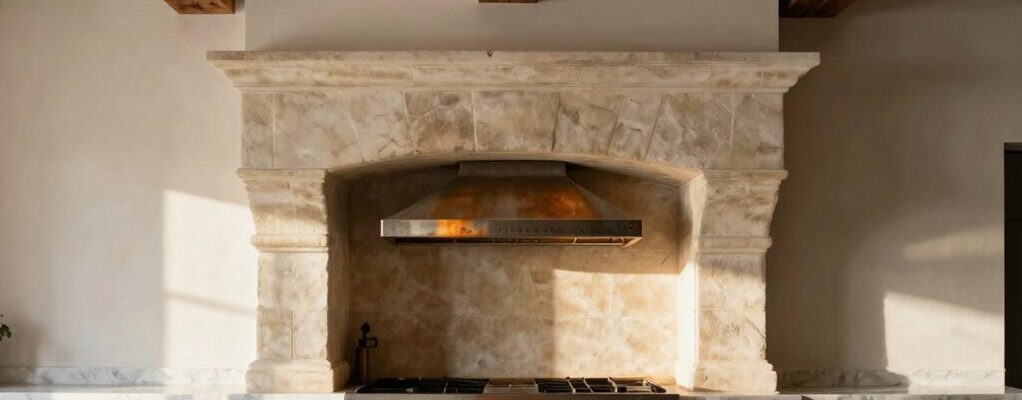
A range alcove frames the stove or cooktop, defines the zone, and integrates it with cabinetry. You gain a dedicated, visually cohesive space that balances function with design. The alcove’s built‑in or recessed core keeps lines clean and materials continuous, while thoughtful lighting and venting complete the look. It hints at tradition and modernity alike, inviting you to weigh how this architectural feature could shape your kitchen’s rhythm and texture.
Defining a Range Alcove

A range alcove is a recessed, purpose-built space inside a kitchen where your stove or range sits neatly against a wall, its doorways and venting integrated with the surrounding counters. You experience a clean, intentional axis where hardware remains tucked away, creating uninterrupted lines and a calm focal point.
This configuration supports decorative accents that echo the room’s palette, textures, and finishes without visual clutter. You gain a sense of refined order, since the enclosure guides sightlines and defines the workspace with minimal excess.
Space optimization becomes tangible as appliances sit within the cabinetry depth, freeing counter real estate for prep and display. Its restrained silhouette emphasizes craftsmanship, proportion, and balance, transforming a functional element into a cohesive, aesthetically pleasing architectural feature.
How a Range Alcove Differs From Other Kitchen Nooks
Unlike other kitchen nooks, a range alcove is a built-in, purpose-mitted enclosure that tucks the stove into the cabinetry with its doors and venting seamlessly integrated. You’ll notice how the alcove defines a dedicated culinary zone, separating heat, ventilation, and prep from adjacent counters.
This arrangement contrasts with freestanding islands or open recesses, where appliances compete for visual balance. Cultural influences shape its form: midcentury practicality gave compact, integrated lines, while contemporary designs favor clean planes and hidden hardware.
The historical evolution shows a shift from freestanding ranges to purpose-built recesses, optimizing sightlines and airflow. You experience a cohesive flow where materials and finishes align with cabinetry, creating quiet, refined rhythm.
Essentially, the range alcove merges function with elegance, signaling intentional design rather than improvisation.
Key Features That Signal a Range Alcove
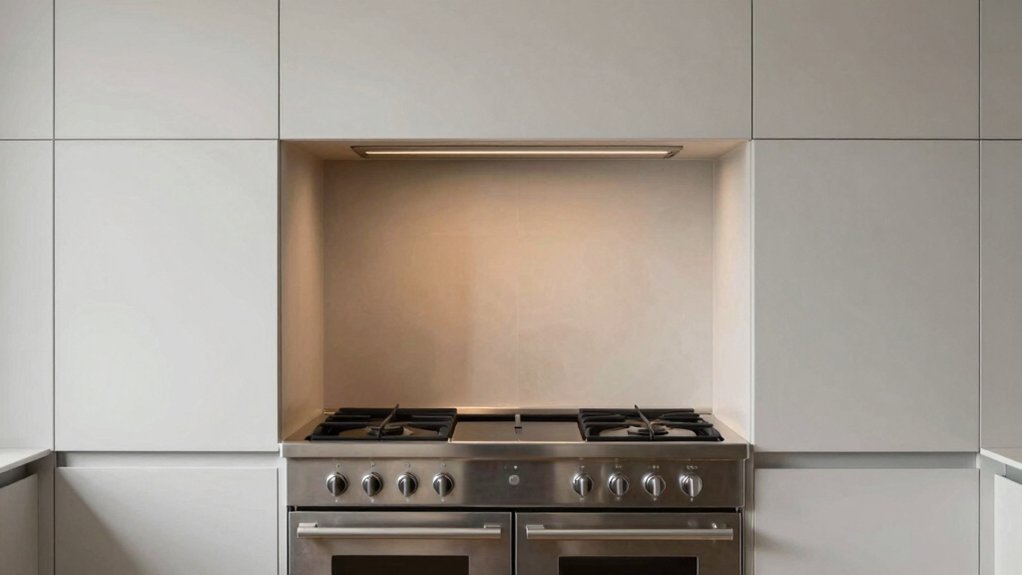
You’ll notice a distinctive nook design that wraps around your cooking zone, creating an intimate, purpose-built space.
Practical placement traits—like alignment with appliances and ideal counter flow—signal a dedicated range alcove.
These features combine to define a focused, efficient hub that feels both integrated and intentional.
Distinctive Nook Design
Range alcoves showcase a distinctive nook design through a compact, sculpted silhouette: a curved sidewall, built-in seating, and a subtle blend of stone or tile that anchors the space. You notice how the curvature guides the eye, creating an intimate perch without crowding the room.
The seating is seamlessly integrated, reinforcing a sense of flow and purpose. Materials hold a restrained, tactile signature—soft grout, natural textures, calm color palettes—so light plays with depth rather than competing with it.
This design speaks to historical context, where small, purposeful rooms foster conversation and warmth. Cultural influences appear in detailing: tile patterns, stone veining, and wood tones that echo regional craft.
The result is a refined, timeless nook that signals a Range Alcove with quiet confidence.
Practical Placement Traits
Practical placement traits reveal a Range Alcove the moment you enter the room: look for a compact, sculpted footprint that naturally anchors a seating nook without claiming surrounding space. You’ll notice clean lines, deliberate gaps, and a sense that the alcove hums with purpose rather than decoration.
Seating aligns with sightlines and traffic, while verticals stay understated, letting the area breathe. Storage solutions appear as integrated compartments or discreet cabinetry, maintaining a tidy silhouette without visual clutter. Lighting is purposeful, often layered to enhance mood without harsh contrast.
Material choices emphasize restraint—soft, durable finishes that age well. Aesthetic enhancements are subtle: a tailored cushion palette, refined hardware, and precision joints. The result feels intentional, calm, and adaptable, inviting quiet focus and practical use.
Materials and Finishes Commonly Used
Stone, stainless steel, and heat-resistant composites top the list for range alcove construction, chosen for durability and a polished, timeless look. You’ll notice these materials form clean planes that resist heat, stains, and wear, while maintaining a sleek, cohesive silhouette.
Finishes favor matte or satin sheens to minimize fingerprints and glare, with subtle textures that read refined rather than industrial. Decorative trim is used sparingly to emphasize lines without overpowering the space, ensuring a cohesive edge around panels and cabinetry.
Surfaces are selected for easy maintenance, often epoxy or vitrified ceramic coatings that resist chips and heat transfer. Color schemes tend toward neutral bases—greys, creams, and taupes—accented by restrained metallics or deep accents that evoke elegance without distraction.
Ventilation and Lighting Considerations
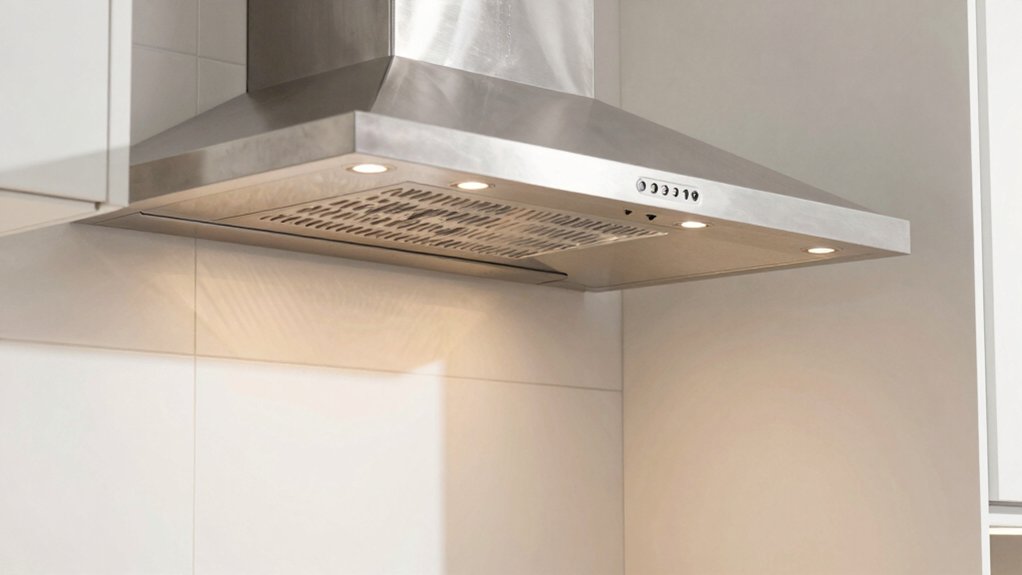
How do you guarantee air moves cleanly and quietly around a range alcove while light plays across its surfaces? You pursue a thoughtful ventilation design that couples performance with form.
Position intake and exhaust to minimize turbulence, drawing air through surrounding cabinetry at a gentle, continuous rate. Use quiet, high-efficiency fans and ductwork that nestles into the wall cavity, preserving clean lines and acoustics.
For lighting placement, align fixtures to accent corners without glare, choosing recessed or diffused sources that wash the alcove evenly. Consider task lighting for the work surface and ambient glow that evokes atmosphere rather than brightness.
Select materials and gaps with precision to prevent heat siphon and ensure comfort, safety, and visual coherence throughout the kitchen’s core.
Benefits of Incorporating a Range Alcove
A range alcove redefines the kitchen’s focal point, combining performance with design elegance that enhances daily use. You gain improved workflow through integrated ventilation, counter space, and a seamless aesthetic that minimizes clutter.
The enclosure creates dedicated zones for cooking, prep, and cleanup, boosting efficiency without sacrificing style. By defining clear sightlines, it reduces distractions and focuses your attention on precision work.
Durability is enhanced by purposeful materials and thoughtful protection from heat and steam, extending appliance life. It communicates craftsmanship, elevating the room’s value and appeal to guests.
The benefits extend beyond function: it quietly honors historical origins and cultural significance, weaving a sense of tradition into modern routines. In short, a range alcove merges utility with refined, lasting beauty.
Potential Drawbacks to Weigh
While the range alcove elevates function and beauty, it introduces several drawbacks worth weighing before committing. You’ll encounter space limitations that can constrain adjacent cabinetry, countertop depth, and circulation, making the kitchen feel narrower or less flexible for sudden layout changes.
The alcove’s depth and framing demand precise measurements, increasing the risk of misalignment or compromised ventilation if not planned carefully. Maintenance challenges arise when cleaning tight corners or concealing gaps between wall, cabinet, and chimney cap; grime can accumulate where you can’t reach easily.
Additionally, installation often requires skilled trades, elevating upfront costs and scheduling complexity. If you value modularity, the fixed footprint may hinder future remodels or appliance swaps.
Weigh these factors against aesthetics to determine if the trade-offs fit your long-term vision.
Planning Steps for Your Own Kitchen
Wondering where to begin planning your own kitchen? Start by clarifying your priorities and constraints. You’ll map how you cook, how you store, and how you entertain, then translate that into a functional scale of space, flow, and timing.
Establish a design rhythm: keep sightlines clean, choose durable finishes, and balance warmth with modern restraint. Consider appliance integration from the outset—smart controls, built-in panels, and seamless ventilation—to reduce clutter without sacrificing performance.
Prioritize workflow, placing the sink, prep zone, and range on a confident triangle, and reserve quiet corners for storage and prep.
Define lighting layers—ambient, task, and accent—to enhance aesthetic appeal while guiding your movements.
Finally, draft a phased plan to implement upgrades without disrupting daily life.
Real-World Examples and Design Inspirations
From real kitchens to showroom showpieces, range alcoves prove that form follows function without sacrificing style. You’ll notice how architectural lines frame a stove-anchored focal point, guiding traffic and lighting, while materials echo the room’s palette.
In practice, designers adopt cultural influences—from industrial metal in lofts to warm timber in countryside kitchens—to temper tech with tactility. Consider historical examples: masonry arches, tiled backsplashes, and built-in mantle cues that whisper heritage while housing modern performance.
Real-world layouts balance integration and display, keeping ventilation discreet and accessibility central. Showroom conversations reveal adaptable configurations, adjustable clearance, and seamless cabinetry transitions.
The result is a cohesive vignette where function, texture, and virtue of space converge, inviting routine cooking into a curated, timeless setting.