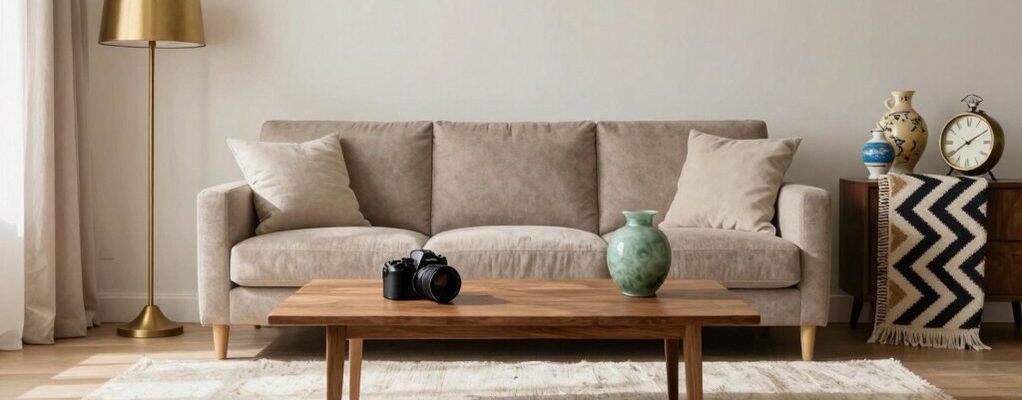
When you compare matching everything to embracing eclectic style, buyers today prefer intentional contrasts that feel curated, not costume-like. You’ll gain cohesion through shared textures, recurring motifs, and a restrained color story, while still allowing personal pieces that tell a story. Eclectic approaches mix patterns, metals, and fabrics to create focal points with balance. This mix signals confidence and longevity, not clutter. If you keep exploring, you’ll discover practical steps to dial in harmony without sacrificing character.
The Allure of a Cohesive Look
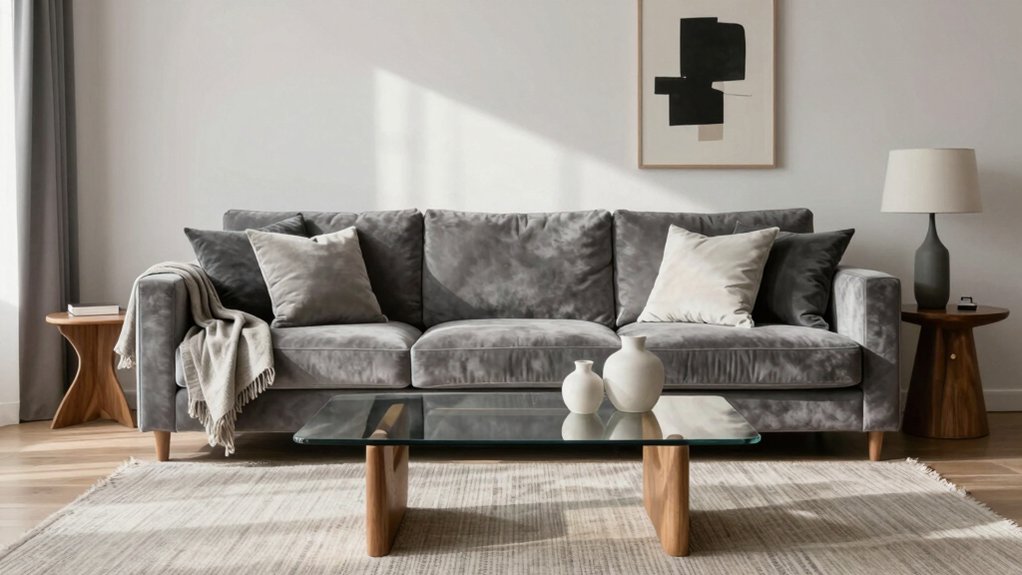
Achieving a cohesive look isn’t about matching every piece exactly; it’s about a deliberate harmony that threads color, texture, and form through every room. You’ll notice how a restrained palette anchors spaces, while shared materials carry the through-line. Instead of chasing perfect sameness, you curate repeated motifs—a rug’s weave, a lamp’s metal, a sofa’s silhouette—that signal intentionality.
Balance matters: one bold piece can anchor calm surroundings, preventing monotony. Proportion and negative space keep flows clean, ensuring furniture grouping reads as a single story rather than separate scenes. Lighting acts as the unifier, shaping perception and texture.
Subtle contrasts—matte versus gloss, warm versus cool undertones—add depth without fragmentation. In practice, deliberate consistency yields timeless appeal, scalable across rooms, while still allowing restrained personal accents to breathe.
Eclectic Style: Personality in Every Corner
You bring a personal touch by mixing pieces that speak to you, creating a room that feels lived-in and unique.
Varied textures keep the eye moving and the mood dynamic, so your spaces read as intentionally collected rather than staged.
Rich visuals—color, pattern, scale—tie the corners together while letting your personality shine through.
Personal Touch Through Mix
Eclectic style thrives on deliberate contrasts that fuse personal memories with present-day flair, turning every corner into a narrative rather than a showcase. You curate a mix that feels lived-in, not curated for perfection. The trick is intentional imbalance: a vintage chair beside a modern lamp, a bold artwork with subdued textures.
You shouldn’t chase matching, you should chase resonance—items that spark conversation or recall a moment. Lean into color clashes and varied metals, but maintain enough cohesion through a common thread, like era, tone, or material. You measure success by story, not symmetry.
In practice, swap impressions quickly: test, edit, repeat. Your space should read as you, evolving with experiences, deliberate yet effortless, a testamentary to taste that adapts with time.
Varied Textures, Rich Visuals
Varied textures and rich visuals anchor eclectic spaces in tangible feel and character. You mix surfaces—worn leather, matte stone, woven fabrics, lacquered wood—to create depth that reads as intentional rather than busy.
Think contrast over coincidence: velvet next to metal, linen beside silk, a rug’s fringe meeting terrazzo. Your goal is tactile curiosity, not overload, so balance scale, light, and color to let textures speak without competing.
Layer patina with polish, antique with contemporary, so each piece signals a story. You’ll notice buyers respond to texture cues that imply comfort, durability, and personality.
In practice, prioritize a few anchor textures and sprinkle varied ones as accents. The result feels curated, dynamic, and distinctly you, guiding buyers to perceive space as a living, sensory narrative.
Buyer Trends: Matching Vs Mixing
As consumers lean toward personal expression, matching finishes and motifs is giving way to intentional mixing across rooms, with buyers pairing bold statement pieces with quieter neutrals to balance impact. You’re seeing a shift from uniform palettes to curated contrasts, where texture, scale, and color weight define cohesion more than sameness.
Mixing patterns, metals, and woods creates focal points without abandoning harmony, and you adapt by layering pieces that speak to different vibes in each zone. You weigh practicality against risk, favoring versatile foundations that allow later updates without a full redo.
The trend leans into controlled eclecticism: you test combos, then refine until rooms feel intentional rather than random. In short, mixing signals confidence, personal brand, and a modern eye for evolving interiors.
When Harmony Boosts Value and Appeal
Harmony isn’t just aesthetically pleasing—it also underpins perceived value and buyer confidence. When you align color, texture, and proportion, you create a coherent narrative that buyers read as intentional curation rather than guesswork.
Consistency across rooms reduces decision fatigue, elevating perceived quality and speed of commitment. You don’t need matching everywhere; you need purposeful harmony that signals longevity and easy upkeep. Subtle repetition—doorway accents, sofa fabrics, or rug motifs—build trust without feeling rigid.
In trends, balanced schemes with natural materials and soft contrasts endure, while jarring mismatches trigger hesitation. Your aim: a calm, breathable flow that supports lifestyle stories, not just visuals.
If buyers sense ease and predictability, value perception rises, and appeal expands beyond a single room.
Whimsy That Works: Adding Character Without Clutter
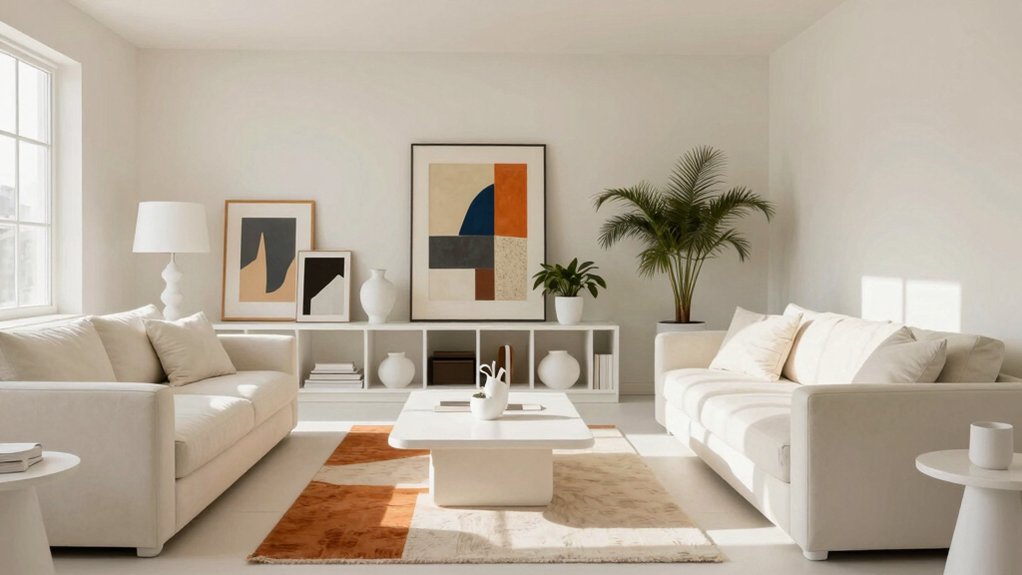
Whimsy that works blends personality with practicality, letting playful touches elevate space without tipping into clutter. You’ll want deliberate accents that spark character rather than chaos, focusing on scale, cohesion, and purpose.
Pick a signature motif—quirky lamps, artful ceramics, or a bold textile—that repeats thoughtfully across rooms to unify eclectic elements. Prioritize negative space around statements so whimsy feels intentional, not crowded.
Opt for compact, multifunctional pieces that nod to whimsy while serving function, like a playful storage bench or a patterned throw that doubles as seating accent. Color stories should stay cohesive; use one or two accent hues to tie disparate objects together.
Remember: restraint creates impact. Whimsy should read as curated, not accidental, elevating mood without overwhelming flow.
Practical Guidelines for a Balanced Decor Strategy
Balanced decor hinges on deliberate structure that reconciles personality with practicality. You’ll blend scale, rhythm, and function, so every piece serves a purpose rather than mere decoration.
Begin with a restrained palette to establish cohesion, then layer texture and line to add interest without chaos.
Prioritize three focal zones: a comfortable seating anchor, a practical work/display area, and a quiet retreat.
Use proportion rules—pair large furniture with lighter accents and ample negative space to avoid clutter.
Introduce adaptable storage and modular pieces so you can reconfigure as needs shift.
Limit trends to one or two bold moves per room to stay timeless.
Finally, iterate by evidence: observe how traffic flows, how light shifts, and how you feel in the space after daily use. Adjust until balance feels effortless.
Conclusion
You crave harmony, you crave character, you crave clarity. You weigh matching against mixing, you weigh value against vibes, you weigh trend against timelessness. You’ll win with balance, you’ll win with intention, you’ll win with fewer pitfalls and more personality. You align buyers’ preferences with purpose, you align scale with space, you align color with cohesion. You empower spaces that feel curated, but not crowded, polished, but not sterile, and inviting, not predictable. You choose a decor strategy that resonates, evolves, endures.