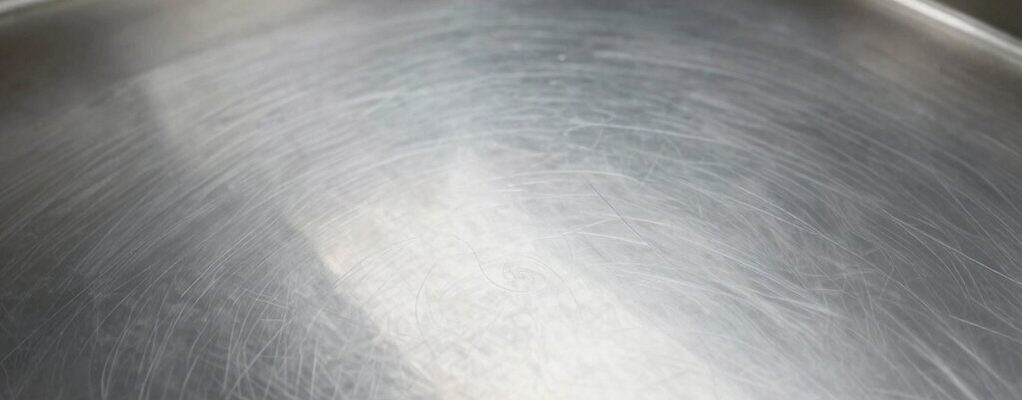
Yes, you can paint stainless steel, but it’s not as simple as painting most metals. You must start with thorough cleaning to remove oils and contaminants, then lightly abrade the surface to create micro-roughness. Use a stainless-specific primer for adhesion and corrosion resistance, then topcoat with an appropriate durable finish (epoxy or polyurethane). make certain compatibility, proper curing, and safe ventilation. If you keep going, you’ll get step‑by‑step guidance and troubleshooting tips.
Why Painting Stainless Steel Is Trickier Than It Looks
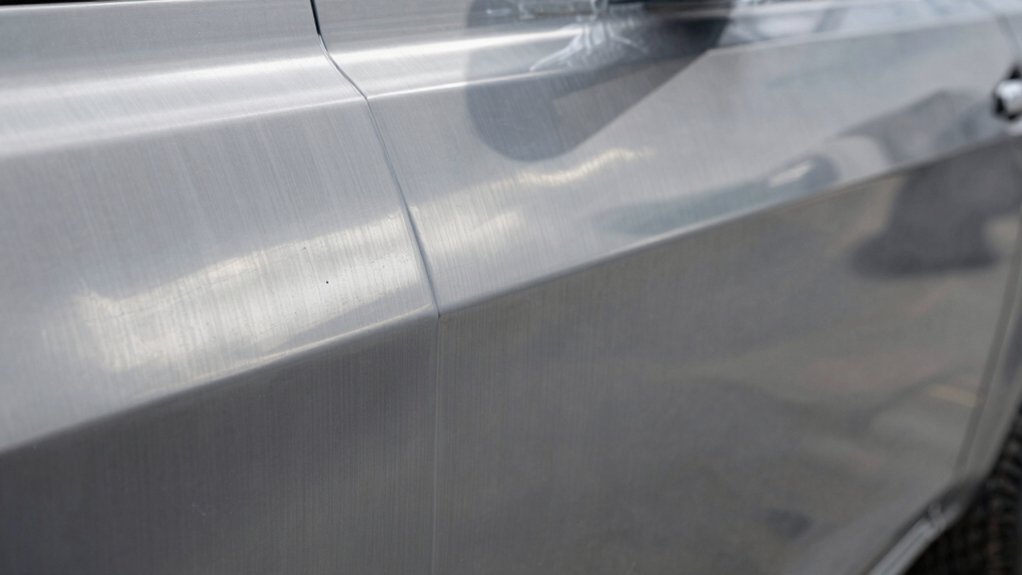
Painting stainless steel is trickier than it looks because the metal’s natural shine, oxide layer, and low surface energy make adhesion challenging. You’ll confront reduced surface adhesion without proper prep, so you must control contamination, rust, and oils before coating.
Start with a thorough cleaning using a solvent wipe, then a wipe-down with isopropyl alcohol to remove residues. Lightly abrade the surface with fine grit to create micro-roughness, then wipe again to remove dust.
Apply a compatible etch or primer designed for stainless steel to boost grip and paint durability. Use a high-quality, 100% solids or polyurethane topcoat for durability under temperature and wear stress.
Monitor cure times precisely, avoiding premature handling. Proper prep and compatible products ensure consistent surface adhesion and lasting paint durability.
Is Painting Stainless Steel Worth It? When to Decide
Is painting stainless steel worth it? You weigh cost against risk and benefit before deciding. If aesthetics matter or you need corrosion resistance beyond the base alloy, painting can help.
Consider a clear cost comparison against alternatives like finishes or coatings that may last longer with less maintenance. You’ll want predictable results, so assess the color match, durability, and ease of cleaning.
In many cases, the look you get now doesn’t justify recurring touch-ups. When you want uniform color or concealment of imperfections, painting offers tangible aesthetic benefits.
If longevity, maintenance, and replacement costs dominate your budget, painting may not be the best path. Use this quick guide to decide.
- Cost comparison
- Aesthetic benefits
- Durability expectations
- Maintenance needs
- Long-term budget impact
How to Prepare Stainless Steel for Painting
To prep stainless steel for painting, start with a clear plan that bridges aesthetics and protection from the previous topic’s cost and durability considerations.
Begin with a thorough cleaning to remove oils, fingerprints, and surfaces. Use a stainless-compatible degreaser, then rinse completely.
Inspect for surface contaminants, rust spots, or pitting; address these before proceeding.
Lightly abrade with 320–400 grit abrasive, enough to create micro-roughness for adhesion without scoring.
Wipe down with a lint-free cloth or tack cloth soaked in isopropyl alcohol to remove dust.
If you encounter corrosion, treat rust spots with a rust converter or gentle mechanical removal, then re-clean.
Ensure the surface is dry, dust-free, and uniformly matte.
Apply a high-adhesion primer designed for stainless steel, following manufacturer guidance.
Prioritize surface adhesion and rust prevention to maximize coating longevity.
Best Primers That Stick to Stainless Steel
Basically, choosing a primer that sticks to stainless steel hinges on adhesion, corrosion resistance, and compatibility with your topcoat. You’ll want primers that promote surface adhesion and tolerate stainless substrates without lifting later.
Focus on primer selection that creates a uniform, chemically compatible bond, resisting rust and moisture ingress. Pick corrosion-inhibiting formulations designed for metal, and verify your topcoat compatibility before application.
- Choose a stainless-specific bonding primer that promotes surface adhesion
- Confirm rust inhibitors align with your topcoat chemistry
- Check cure time, recoat windows, and UV stability
- Favor primers with good coverage on smooth, polished steel
- Test adhesion with a small, controlled sample before wide use
Topcoat Options for Durable Stainless Finishes
Durable stainless finishes hinge on choosing a topcoat that pairs with your primer and substrate, delivers excellent corrosion resistance, and remains stable under service conditions. You should evaluate topcoats for chemical compatibility with stainless steel, flourishes of surface finishing, and long-term weather or heat exposure.
Epoxies offer wear resistance and chemical stability, while polyurethane systems provide UV resistance and color retention. If you need a decorative touch, consider hybrid or broadcast finishes that maintain cleanability without sacrificing protection.
For high-humidity environments, opt for moisture-curing or high-solids formulations with proven adhesion to stainless substrates. Apply within your planned cure window, avoiding solvent entrapment and thermal shock.
Document performance, recoat windows, and compatibility with your decorative coatings to ensure durable, serviceable aesthetics.
Step-By-Step Painting Workflow for Appliances and Panels
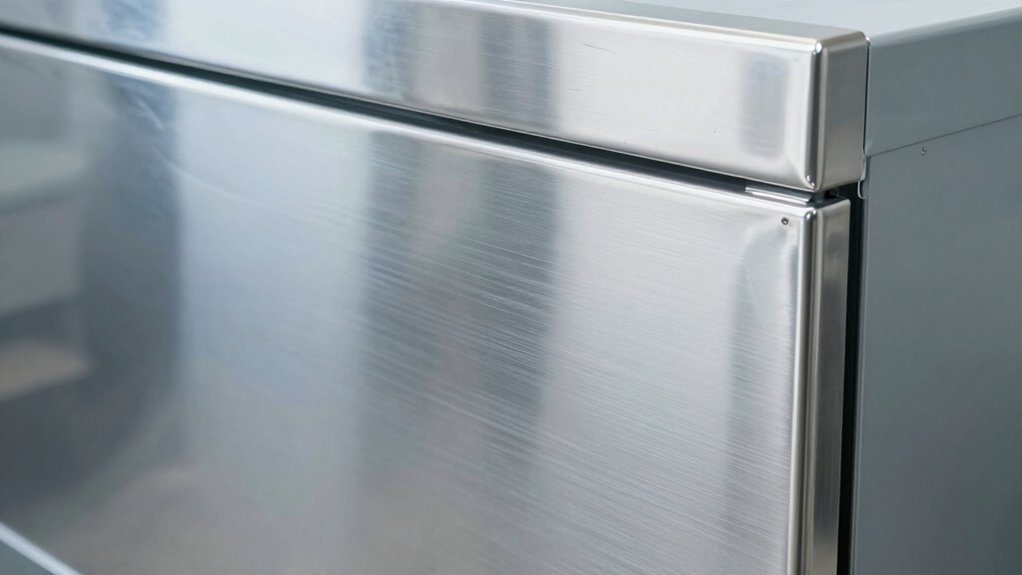
Begin with thorough prep to guarantee adhesion on every surface, including cleaning, degreasing, and a light scuff to key the metal.
For appliances, follow a strict order: pre-clean, mask, prime, and then sand between coats as needed.
This workflow emphasizes Prep Before Painting and clear Steps For Appliances to prevent failures and maximize durability.
Prep Before Painting
Prep begins with a clean, dry surface to guarantee the paint adheres properly. In this prep phase, you’ll control coatings, minimize pinholes, and set up a reliable foundation for a long-lasting finish.
- Remove oils and grease with a dedicated degreaser
- Wipe with a lint-free cloth until residue is gone
- Lightly abrade with fine-grit paper to promote adhesion
- Clean dust and debris to prevent surface contamination
- Precisely dry and inspect for any streaking or residue
This disciplined approach targets rust prevention and maintains a pristine substrate. Confirm you work in a well-ventilated area, wear protective gear, and recheck the surface before coating.
Steps For Appliances
Next, follow a precise, step-by-step workflow for painting appliances and panels: start with a clean, dry surface, then apply primer, guarantee proper adhesion, and proceed with multiple thin coats of finish.
You begin by scuffing the surface lightly to enhance bonding, then wipe away dust. Apply a high-adhesion metal bonding primer compatible with stainless steel, ensuring uniform coverage. Let it dry fully before sanding with a fine grit to smooth any imperfections.
Choose a compatible topcoat; aim for a color matching your appliance and surrounding decor. Apply in thin, even layers, allowing each coat to cure before the next.
Finish with a clear or satin sealant for durability. Inspect edges and seams, touching up as needed to maintain a consistent, professional appearance.
Common Finish Problems and How to Fix Them
Surface prep sets the foundation for flawless results, so make certain you remove oils, dust, and residues before any finish work.
When issues show up, rely on the basics of surface prep and the proven fix techniques to restore adhesion and even appearance.
Stay focused on crisp, repeatable steps to diagnose and address problems without unnecessary steps or guesswork.
Surface Prep Essentials
Even small finish problems on stainless steel trace back to imperfect prep, so start with a thorough cleaning to remove oils, fingerprints, and residues that can prevent adhesion.
- Cleaning techniques: use a mild detergent, warm water, and a soft cloth to break surface oils without scratching.
- Rinse thoroughly to avoid haze or residue that undermines bond.
- Dry completely with a lint-free towel to prevent water spots.
- Inspect for contamination; re-clean if fingerprints or smudges reappear.
- Note: paint removal or residue must be fully completed before any coating is applied.
This preparation minimizes contamination, improves grip, and sets a predictable base for coatings.
Avoid aggressive abrading unless necessary; if you must, proceed with controlled, light abrasion only where specified.
Common Fix Techniques
When finish problems appear, identify whether the issue is adhesion, gloss, color inconsistency, or contamination, and apply targeted fixes before proceeding with any touch-up.
In practice, you diagnose first, then execute.
For adhesion issues, perform paint adhesion testing and revisit surface prep, ensuring proper cleaning and roughening per spec.
If gloss is low or uneven, re-abrade the area and apply a compatible topcoat with even thickness.
For color inconsistency, blend edges with a controlled spray and verify cure conditions before full coverage.
Contamination requires additional cleaning and potential deglossing to restore uniformity.
Use stainless steel polishing to restore substrate luster before retesting.
Finally, confirm film formation and cure, then proceed with consistent recoat strategy to maintain durable, aesthetic results.
Maintenance Tips to Extend the Life of the Paint
To extend the life of painted stainless steel, establish a routine that protects the finish from moisture, contaminants, and daily wear. You’ll benefit from regular, targeted cleaning and preventive checks that reduce corrosion risks and surface damage.
Use appropriate cleaners and tools to avoid micro-scratches, and document any changes in gloss or color for early intervention. Focus on paint integrity, adhesion, and uniform appearance, addressing issues before they escalate.
Employ simple, repeatable steps that minimize downtime and keep maintenance efficient.
- Clean with non-abrasive agents and soft cloths to prevent scratches
- Rinse thoroughly to remove residue and avoid streaks
- Inspect edges and seams for chipping or peeling
- Schedule periodic touch-ups to maintain uniform film thickness
- Note any changes in finish for timely paint removal decisions
Safety, Ventilation, and Environmental Considerations
Safety, ventilation, and environmental considerations are non-negotiable when painting stainless steel; you should establish clear protocols to protect personnel, minimize exposure to fumes, and reduce environmental impact.
Begin with a dedicated, well-ventilated workspace and use local exhaust ventilation to capture vapors at the source. Select eco-friendly paints labeled for metal use and verify compatibility with stainless substrates; prioritize low odor formulations when possible.
Enforce respirator use, eye protection, and gloves, and implement air monitoring for VOCs to ensure compliance with safety thresholds. Schedule regular tool and waste disposal routines, segregating solvent-based wastes and containers.
Communicate emergency procedures, spill response plans, and PPE requirements clearly. Document VOC safety records and training to demonstrate ongoing, proactive environmental stewardship.
Frequently Asked Questions
Can You Paint Stainless Steel Without Sanding?
You can’t reliably paint stainless steel without some preparation. To maximize paint adhesion, focus on surface preparation, such as cleaning, degreasing, and mild abrasion, then apply a suitable primer and high-adhesion topcoat for durable results.
Will Paint Peel on Stainless Steel Over Time?
Yes, it will peel less if you prepare properly. You’ll improve peel resistance and surface adhesion by cleaning, abrading lightly, priming with a stainless-specific primer, and using a high-quality topcoat designed for metal. Re-coat as needed.
Do You Need a Clear Coat on Stainless Steel?
Yes, you don’t always need a clear coat on stainless steel, but you do need surface protection. Consider a durable primer and topcoat; use a clear coat if extra UV or chemical resistance is required for long-term protection.
How Long Does Painted Stainless Steel Last?
Painted stainless steel lasts about 5–15 years with proper prep and topcoats; durability concerns include coating adhesion and environmental exposure, while color options range from neutrals to bold hues. You should prep, prime, and seal for best results.
Can You Repaint Stainless Steel Appliances After?
Yes, you can repaint stainless steel appliances after proper prep. To guarantee durability: perform stainless steel prep, scuff the surface, clean thoroughly, and choose paint that adheres to metal. Then select paint, test finish, and cure according to instructions.
Conclusion
Painting stainless steel is possible, but it’s not a casual upgrade. With proper surface prep, the right primer, and a durable topcoat, you can achieve a clean, long-lasting finish. Be mindful of edge wear, heat exposure, and wipe-down compatibility to avoid poor adhesion or peel. If you value a showroom look, plan for maintenance and touch-ups. In short, take a careful, methodical approach, and you’ll get professional results without committing to costly replacements.