
Gutters matter because they direct rain away from your foundation, protecting your home from leaks, stains, and costly damage. Start with a quick check for debris, rust, sagging sections, and loose hangers. Use a sturdy ladder, gloves, and a scoop to remove leaves, sweeping from the downstream end toward the downspout. Rinse to test flow and seal joints where needed. Regular inspection and timely repairs extend life and efficiency—keep at it, and you’ll uncover more essential steps ahead.
Why Gutters Matter for Your Home
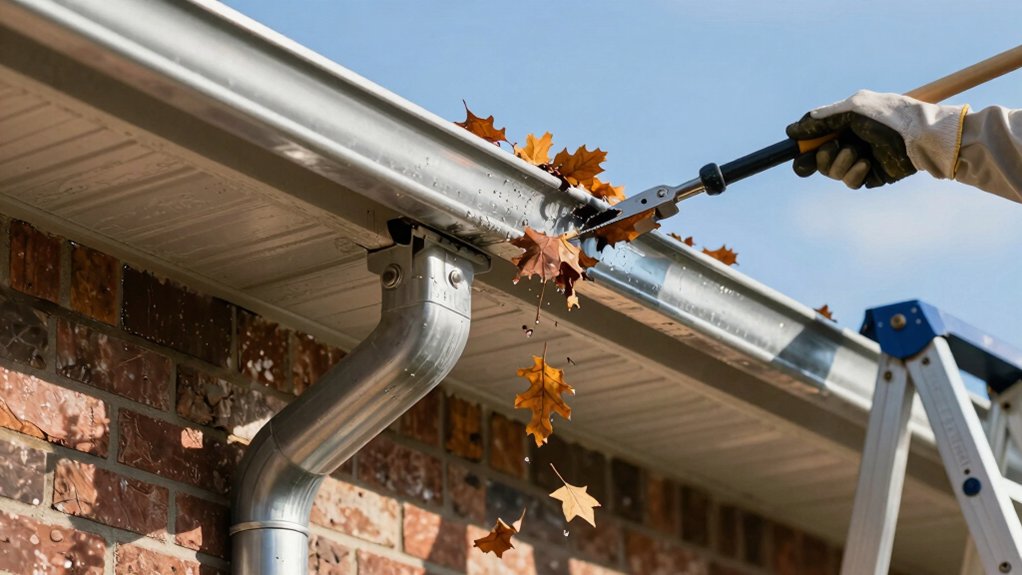
Gutters protect your home by directing rainwater away from the foundation, walls, and landscaping. You’ll notice fewer splash marks on siding and a reduced risk of basement dampness when your system channels runoff efficiently.
This matters because rainwater management isn’t just about keeping water off surfaces—it preserves structural integrity and long-term value. When gutters work, you gain a predictable, low-stress routine: you know where the water goes, you know when to clean, and you know your home stays dryer and healthier.
You deserve confidence in your exterior and curb appeal, too. Proper gutter aesthetics aren’t vanity; they reflect care and consistency. With well-maintained gutters, you reinforce protection, function, and belonging in your home’s everyday landscape.
Common Gutter Problems to Spot
Common gutter problems can creep up quietly, but spotting them early saves you costly damage. You’ll want to look for telltales that indicate trouble before it worsens.
Leaf buildup can clog channels, creating pooling water that weakens fasteners and invites pest nests. If debris lingers, your gutters won’t shed rain efficiently, risking overflow that infiltrates siding and foundation.
Rust spots signal moisture exposure or material aging, and they merit immediate attention to prevent perforation.
Sagging sections mean fasteners have loosened or the supporting brackets are compromised, reducing flow and increasing strain on joints.
Bird nesting, broken seams, and detached hangers also degrade performance.
Tools and Safety for Gutter Cleaning
You’ll want the right gutter cleaning gear and a solid safety plan before you start. Keep PPE handy, choose sturdy ladders and tools, and test stability from the ground.
We’ll cover must-have gear and safety basics to keep you protected and efficient.
Gutter Cleaning Gear
To clean gutters safely and efficiently, you’ll need the right gear and a solid safety plan: sturdy ladders, non-slip footwear, eye protection, gloves, a scoop or trowel for debris, a trash bag or bucket, a hose with a spray nozzle, and a pry bar or trowel for stubborn clogs.
Gutter cleaning gear isn’t just tools—it’s confidence you can rely on. Choose gear that fits you well and keeps you stable on the job. A lightweight, extendable ladder and a comfortable harness or belt can boost control.
Use galvanized scoops for dirt, and save your hands with durable gloves. Keep a dedicated bucket for debris and a nozzle with adjustable spray.
Gutter cleaning safety becomes part of your routine, not an afterthought. Belong here by staying prepared and precise.
Safety First Measures
When you tackle gutter cleaning, safety comes first, and the right tools make all the difference. You should map your plan, inspect ladders, and set stable footing before you lift a finger.
Prioritize ladder safety: choose a sturdy extension or step ladder, secure it on solid ground, and use a ladder stabilizer or you’ll risk slips. Wear personal protective equipment: gloves, eye protection, and non-slip boots, plus a dust mask if debris is dusty.
Keep hoses and scoops handy, and never overreach—move the ladder instead. Work with a companion when possible for spotting and assistance.
Clear leaves and debris gradually, and respect weather conditions. With disciplined habits, you create a safer routine that invites belonging and confidence in every clean.
Step-by-Step Gutter Cleaning Guide
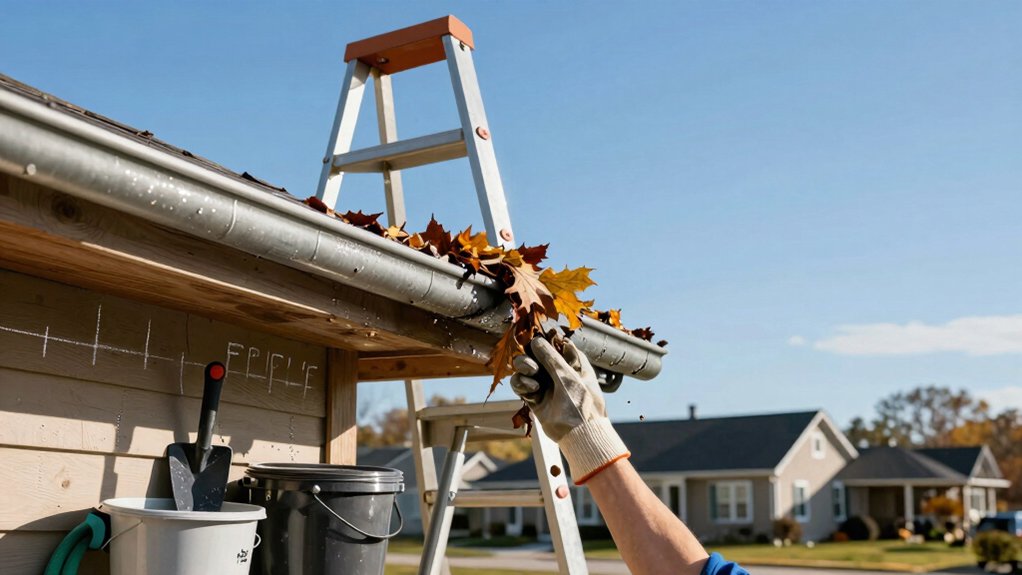
Cleaning gutters is a hands-on task you can tackle safely with the right plan. In this Step-by-Step Gutter Cleaning Guide, you’ll follow a clear sequence to protect your home and feel confident in the process.
Start by inspecting for obvious damage and evaluating leaf accumulation. Use sturdy gloves, a scoop or trowel, and a bucket to collect debris.
Begin at the downstream end, loosening clumps, then sweep toward the downspout.
Remove obstructions from the gutter screen or helmet, if present, and test flow with a careful rinse.
Note any gutter repair needs, such as loose hangers or sagging sections, and plan fixes promptly.
Finish with a final flush, guiding water toward the downspout, ensuring clear drainage and sustained protection.
Clearing Debris Without Damaging Gutters
To clear debris without harming your gutters, you’ll focus on safe debris handling and the right tooling and techniques. Use sturdy gloves, a scoop or small trowel, and a soft brush to minimize abrasion, while never pinching or yanking on the gutter hangers.
We’ll discuss practical steps to manage debris safely and efficiently, protecting the gutter system and your surfaces.
Safe Debris Handling
Ever wonder how to clear gutter debris without scratching or denting the metal? You approach debris handling with calm, deliberate steps so you stay safe and keep your system intact. Wear gloves and eye protection, and dispose of content as you go to minimize splash and exposure.
Lift fallen leaves and twigs gently, avoiding metal contact that could gouge the coating. Be mindful of biological hazards if damp material collects, and never handle unknown debris with bare hands. If you encounter mold or damp buildup, treat it with appropriate cleaners and follow chemical safety guidelines—never mix cleaners.
Keep pets and children away during cleanup. Clear the channel first, then bag waste for proper disposal, maintaining a tidy, secure environment that fosters belonging to a careful community.
Tooling And Techniques
When clearing debris from gutters, choose the right tools and techniques to prevent scratches, dents, or misalignment. You’ll start with a sturdy ladder, work gloves, a plastic scoop, and a soft-bristled brush to lift clogs without gouging metal.
Use a bucket or bag to collect debris, not the ground, and stay on stable footing. Work from the ladder’s center, pulling debris toward you and out of the gutter, then flush with water to verify complete clearance.
Consider gutter guard options to reduce future buildup, and apply gutter sealants where joints show wear to maintain a watertight system.
Maintain control, avoid raw force, and document any misalignment for professional adjustment if needed.
Flushing Downspouts: When and How
Flushing downspouts should be done after you’ve cleared the debris in the gutter and downspout itself. You’ll test flow by briefly pouring water into the gutter to see where slowdowns start.
If you notice resistance, move to the downspout and spray with a flexible wand or hose attachment. Use steady pressure to avoid forcing joints loose, and back off if you hear sudden gurgles.
This is about downspout flushing, not brute force—precision matters for proper water flow management. Confirm the water exits freely at the base, with no pooling or backwash.
If you encounter stubborn clogs, pause and reassess your approach rather than forcing a fix. Regular, controlled flushing keeps systems efficient and reinforces your belonging to responsible, proactive homeowners.
Maintenance Tips to Extend Gutter Lifespan
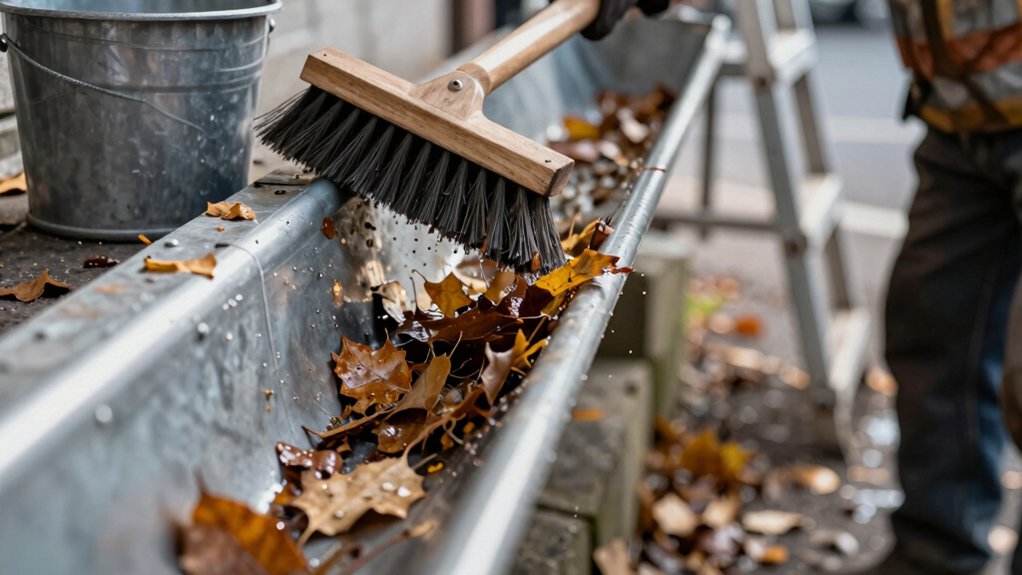
Regular maintenance is your best defense against costly gutter repairs, so adopt a simple routine: inspect for damage after storms, clean out leaves and debris, and tighten any loose fasteners before they loosen further.
Maintenance tips to extend gutter lifespan aren’t flashy, but they’re effective. By focusing on leaf accumulation and the specific gutter material you have, you prevent corrosion, sagging, and leaks. Small, regular checks catch hidden wear early, saving you bigger fixes later.
Choose fasteners and seals compatible with your gutter material, and replace worn sections before failure. Keep brackets tight, faces clean, and joints sealed. This proactive approach builds confidence and belonging, knowing you’re protecting your home.
- Prioritize regular inspections and timely repairs
- Match components to your gutter material
- Clear leaves and debris after storms
When to Hire a Pro: Quick Decision Guide
Careful maintenance helps gutters last, but there are times you’ll want a pro. You’ll know it’s time when the job feels beyond DIY limits or safety risks rise.
Start with cost considerations: compare hiring a pro versus renting gear, and weigh potential repair savings against replacement costs. If gutters are bowed, severely clogged, or you spot leaks after a rain, don’t delay.
Seasonal timing matters: aim for mild, dry days to avoid working on slick surfaces and to prevent weather-induced delays.
If you have complex gutters, unusual materials, or a two-story setup, a pro’s expertise safeguards your home and footage of needed fixes.
When uncertainty remains, a quick expert consultation clarifies scope and ensures you aren’t compromising your system’s integrity.
Frequently Asked Questions
How Often Should Gutters Be Cleaned in High-Rain Areas?
You should clean gutters more often in high-rain areas, about quarterly or after heavy storms. Consider rainfall frequency and your gutter material, since metal and vinyl respond differently to clogging and wear, guiding maintenance timing with confidence.
Can Gutter Guards Replace Regular Cleaning Entirely?
No, gutter guards can’t replace regular cleaning entirely. They have limitations, so you still perform maintenance. Guards reduce debris, but you must inspect, clear clogs, and balance maintenance vs guards for reliable drainage.
What Color Gutters Last Longest in Harsh Climates?
You’ll want gutters with high color fading resistance and strong gutter material durability, because the best option lasts in harsh climates. You choose colors that endure, feel confident, and fit your home’s rhythm while you preserve curb appeal.
Do Leaf Packs Cause More Ice Dam Issues Than Windfalls?
Leaf pack buildup increases ice dam formation more than windfalls, you’ll want to clear debris promptly. You’ll reduce ice dam formation by keeping gutters clean, improving heat flow, and encouraging a sense of belonging through proactive maintenance.
Is DIY Gutter Cleaning Riskier With a Tall Home Than a Bungalow?
Yes, it’s riskier with a tall home. You’ll rely on ladder safety and careful roof access; stay grounded when possible, use fall protection, and plan stable footing to feel secure and belong in the process.