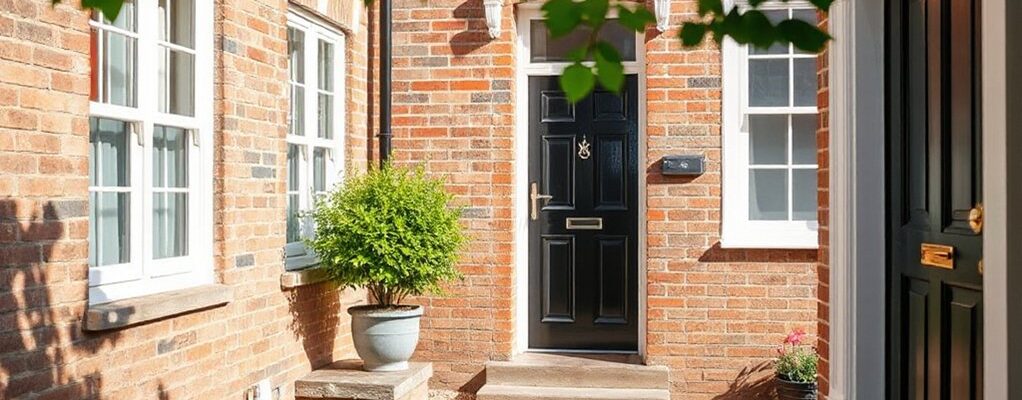
Think of your Leeds terrace like a blank canvas waiting for a practical upgrade. You’ll want to prioritize small, high-impact fixes—fresh neutral paint, tidy gardens, and exterior touches—while addressing any structural, electrical, or plumbing concerns first. Energy efficiency matters, too, with draught-proofing and smart thermostats. You’ll boost appeal with smart storage, entry updates, and layout tweaks that improve flow. But the key question remains: which improvements will buyers in your area value most, and how quickly can you recover the cost?
Identify Leeds Buyers’ Top Terrace Priorities
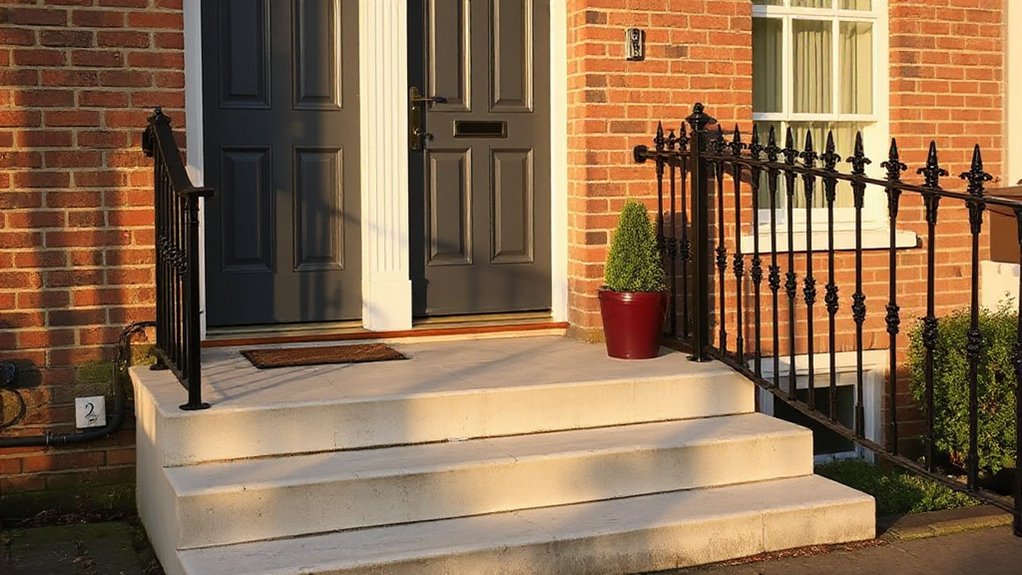
Understanding what Leeds buyers want in a terrace begins with identifying their top priorities. You’ll assess price sensitivity, layout efficiency, and outdoor space because buyers in this market emphasize usable square footage over size alone.
A logical, data-driven approach shows preferred features: a modern kitchen, sufficient storage, and reliable energy performance.
Historical context matters, revealing how past renovations influence current expectations and resale value.
Neighborhood trends guide where to invest: proximity to transport, schools, and amenities correlates with faster re-sale and higher premiums.
You’ll quantify demand signals from recent sales, noting average time on market and price per square foot by area.
Quick Cosmetic Fixes That Pay Off Fast
A fresh coat or repaint can yield visible value quickly, especially on high-traffic walls and front-facing spaces.
Simple garden fixes, like edging and weed control, enhance curb appeal and may improve perception of overall upkeep.
These fast upgrades tend to deliver measurable impact in buyer interest and first-impression scores.
Fresh Coat Magic
Fresh coat magic delivers quick, cost-effective improvements you’ll notice immediately: a fresh layer of paint on walls, doors, and trim can elevate brightness, cover minor scuffs, and refresh dated color schemes without major renovations.
You’ll see lower perceived age of interiors and faster buyer interest when rooms read cohesive and neutral. Opt for high-visibility ceilings and feature walls in restrained tones to avoid over-personalization.
Use semi-gloss for trim to improve contrast without glare. In living spaces, choose light neutrals to maximize perceived space; kitchens benefit from satin finishes that resist fingerprints.
Exterior doors or shutters in coordinated hues support curb appeal, boosting garden lighting perception from street to entry. Align interior decor with consistent color tempo to minimize negotiation friction and shorten time on market.
Quick Garden Fixes
Quick garden fixes pay off fast by boosting immediate curb appeal and buyer perception with minimal effort. You should start with a targeted cleanup: remove debris, prune overgrowth, and tidy borders to create a neat baseline for evaluation.
Focus on garden maintenance tasks that deliver high return, such as edging beds, reseeding worn patches, and replacing brittle mulch with fresh material.
Add a focal point, like a potted evergreen or seasonal color, to anchor the view from the curb.
Improve outdoor lighting to extend perceived value; consider low-voltage path lights and a small wall washer for entrances.
Emphasize low-cost upgrades that don’t require professional remodeling, ensuring the exterior aligns with the interior’s perceived quality and overall property value.
Energy Upgrades That Don’t Break the Bank
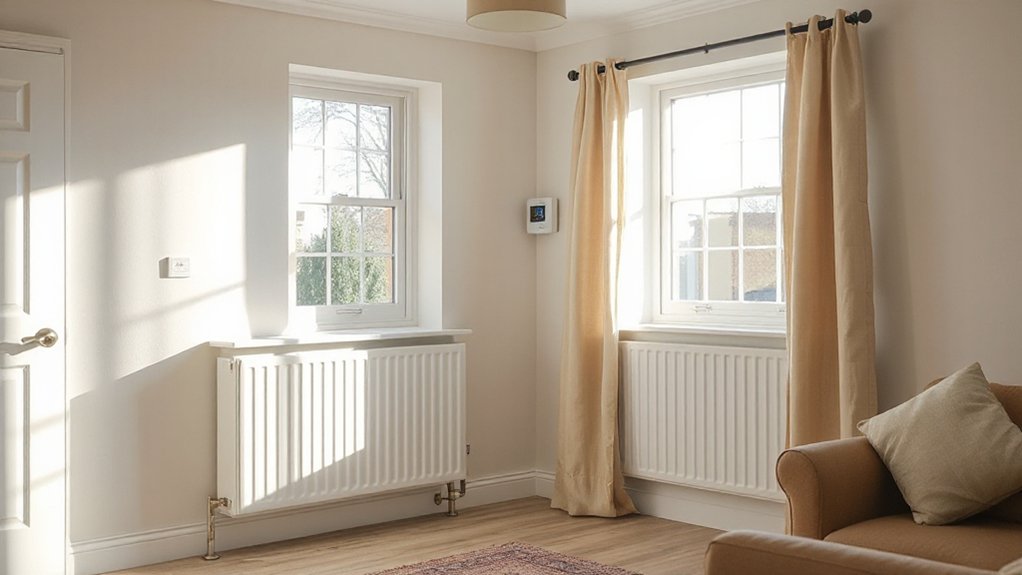
Energy upgrades that don’t break the bank deliver measurable savings with practical, low-cost steps. You can begin with a simple energy audit to identify gaps in efficiency, focusing on the largest heat losses.
Prioritize insulation upgrades, such as loft insulation and cavity wall fills, which typically offer payback within 1–3 years depending on property size.
Seal leaks around doors, windows, and pipe penetrations using tape and caulk before considering more costly fixes.
Install programmable thermostats to optimize heating schedules and reduce daily usage.
Replace inefficient bulbs with LEDs and install low-flow fixtures to cut hot water demand.
Consider draught-proofing gaps under doors and between floors.
These measures support energy efficiency goals while preserving market appeal and resale value.
Small Layout Tweaks That Improve Flow
Small layout tweaks can considerably improve flow in a Leeds terrace by guiding movement and increasing perceived space. You’ll design pathways that minimize overlap between activities, using door placements and furniture alignment to reduce congestion.
Prioritize open sightlines from entry to living areas, which enhances perceived roominess by up to 15% in behavioral studies of compact homes. Implement clear zones: circulation, dining, and lounging, with consistent flooring progressions to avoid trips.
Consider interior lighting to heighten depth perception and highlight focal points, while avoiding harsh contrasts that fragment spaces. Flooring upgrades should maintain uniformity across main levels to sustain seamless movement, reducing perceived thresholds.
Track potential bottlenecks, like narrow hallways, and address them with repositioned furniture or pocket storage to preserve flow.
Curb Appeal Ideas That Catch Buyers’ Eyes
Start by evaluating Fresh Frontage Boost options to maximize curb visibility, since prime frontage correlates with higher buyer interest in property listings.
Pair this with Welcoming Entry Details that create an immediate sense of accessibility, as entry appeal often drives initial in-person and online engagement.
Together, these cues establish a data-supported foundation for attracting buyers and improving perceived value in a Leeds terrace.
Fresh Frontage Boost
A fresh frontage instantly boosts curb appeal by signaling solid maintenance and value to potential buyers. You assess frontage improvements through observable, low-risk actions with measurable impact. Start with a tidy doorway, clean brickwork, and fresh paint in colors compatible with terrace history and local architecture.
Small changes—cleaned façades, restored railings, and asphalt-free paths—translate into higher perceived quality and, in some cases, quantified value uplifts in local market studies. Prioritize durable materials and historically appropriate palettes to align with terrace history and street character.
Track spend against expected gain using comparable property data from local agents. Avoid over-personalization; instead, emphasize consistency with surrounding homes.
Document renovations for buyers, ensuring compliance with preservation guidelines where applicable.
Welcoming Entry Details
Welcoming entry details are a focal point for curb appeal because first impressions start at the door. You should prioritize metrics-backed improvements that standardize appeal across buyers.
Use entrance lighting to extend perceived space and improve safety ratings; evenly illuminate steps, doorways, and addressing numbers to reduce trip hazards. Compare lighting temperatures to ensure a cohesive exterior glow that complements brick tones and window frames.
Door decor should be restrained yet distinctive, with a weatherproof, low-maintenance finish and a single focal accessory that complements the home’s style. Avoid over-personalization; select durable hardware and a modern, neutral hue.
Measure return-on-investment by cost per lumen and installation time, guaranteeing minimal disruption to the surrounding frontage while maximizing curb-appeal signals for showings.
Smart Storage Solutions for Small Spaces
Smart storage is essential in a Leeds terrace where space is at a premium. You optimize square footage by prioritizing built-in solutions that align with room geometry, reducing clutter and improving flow.
Use verticality: tall wardrobes, wall-mounted cabinets, and under-stair drawers maximize capacity without enlarging footprints. Consider modular systems with designated zones for seasonal items and daily essentials, allowing quick access and reduced friction when selling.
In kitchens, shallow pull-out pantries and corner carousels boost usability, while bathrooms benefit from over-bath cabinets and mirrored storage.
Integrate smart technology for inventory tracking and automated lighting that activates on motion, saving energy. Pair these with tasteful creative lighting to enhance perceived space, ensuring finish quality, materials, and hardware support enduring appeal rather than transient trends.
Budgeting a Value-Boost Plan: Timeline and Costs
Budgeting a value-boost plan starts with a clear financial baseline and a realistic timeline. You map the project scope, list improvements, and assign a firm budget to each item using recent quotes.
Budget planning hinges on separating essential updates from optional enhancements, then sequencing tasks by return on investment and disruption risk. You’ll conduct a cost analysis for materials, labour, permits, and contingency, typically allocating 10–15% for unforeseen expenses.
Establish milestones with start and finish dates, linking each to cash flow requirements and funding availability. Track variances weekly and adjust as needed to avoid overruns.
Present the forecast to stakeholders with transparent assumptions, documenting sources and confidence. This disciplined approach clarifies timing, aligns expectations, and supports confident decision-making before selling.
What to Fix Now vs Skip in a Leeds Terrace
In deciding what to fix now versus skip in a Leeds terrace, start with a clear ROI lens: prioritize fixes that reduce ongoing maintenance costs, improve safety, or unlock marketable appeal.
Defer cosmetic updates with low impact on resale value. Focus on structural, electrical, and plumbing reliability, as these reduce future defects and insurance risk.
Address damp, insulation, and ventilation to lower energy bills and support comfort ratings.
Preserve character where it adds value, but consider historical preservation constraints and any listed features that require approved approaches.
Engage the local community involvement to understand neighborhood expectations and potential support for targeted improvements.
Document decisions with cost-benefit analyses to justify timing and scope to buyers and appraisers.
Avoid overinvesting in nonessential aesthetics.
Presenting Improvements for Maximum Listing Impact
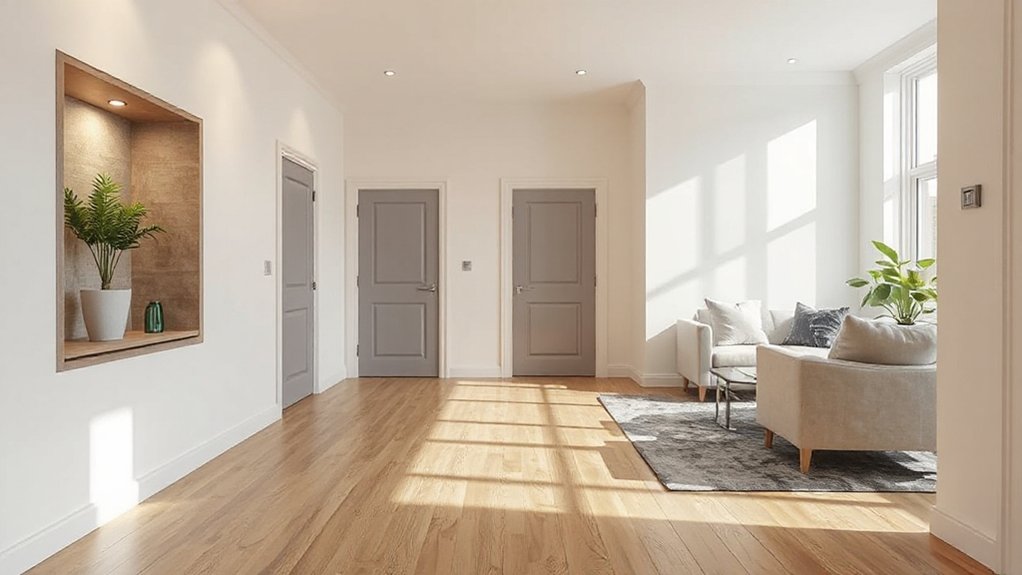
To maximize listing impact, prioritize improvements that deliver tangible, buyer-relevant benefits and measurable ROI. Present options with quantified results, citing cost per square foot, expected sale price uplift, and occupancy timelines.
Focus on high-impact areas: kitchen and bathroom updates, energy efficiency, and curb appeal. Ensure each improvement aligns with market data for Leeds terraces.
Emphasize finish quality, durable materials, and standardized dimensions to reduce buyer uncertainty.
Frame upgrades around lifestyle metrics: reduced utility costs, enhanced daylight, and improved acoustics.
Acknowledge Historical preservation where applicable, balancing modern conveniences with heritage constraints to maintain value.
Highlight Neighborhood amenities, such as proximity to schools, parks, and transit, as catalysts for demand.
Present a clear sequencing plan, budget ranges, and measurable milestones to support negotiation leverage.
Frequently Asked Questions
How Long Before Selling Should I Start Renovating a Leeds Terrace?
You should start renovations about 6–12 weeks before selling to optimize timing, timeline, and costs. Prioritize garden landscaping for curb appeal and interior decor upgrades for buyer impact, sequencing projects to minimize disruption and maximize data-backed value.
Which Tradespeople Should I Hire First for Best ROI?
Direct trades first: hire plasterers and electricians, then joiners for interiors. Coincidence: a fresh wall, bright wiring, and a cohesive layout align like synchronized gears. Prioritize interior decoration, then landscaping upgrades for maximum ROI.
Do Energy Upgrades Increase Sale Price in Leeds Sooner?
Yes, energy upgrades can raise market value and speed up sale in Leeds. Energy efficiency improvements often attract buyers, reduce running costs, and deliver measurable ROI, potentially shortening time on market while boosting perceived quality and overall market value.
What Are the Hidden Costs of Terrace Improvements?
Nicknamed “a penny saved is a penny earned,” you’ll find hidden costs include planning fees, survey work, potential renovation overruns, and permit delays. Historical preservation and Modern design overlap, but expect compatibility permitting, structural updates, and professional assessments to protect value.
Can I Stage a Terrace on a Strict Budget?
Yes, you can stage a terrace on a strict budget. Budget friendly decorating and DIY renovation tips help you maximize impact while keeping costs low, improving appeal with practical, data-driven choices you implement confidently and efficiently.
Conclusion
You’ll see the value when buyers notice the same priorities you did: solid basics, cost-efficient polish, and smart, durable updates. Coincidence plays here—today’s energy upgrades align with lower bills, today’s fresh paint matches recent market trends, and today’s staging mirrors what buyers say they want. If you hit essential fixes, curb appeal, and practical storage, you’ll likely close faster and at a stronger price. Plan, budget, and time it right; the market rewards coherent, well-executed improvements.