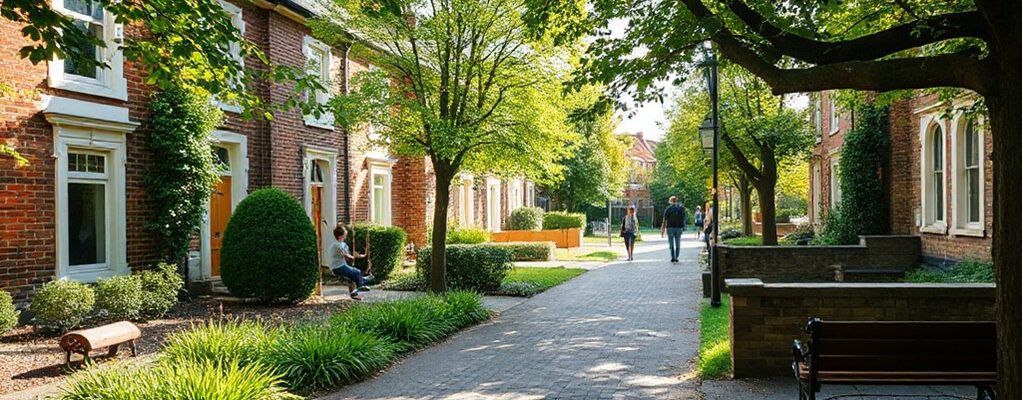
You might think Manchester’s family appeal stops at pretty parks, but the right district matters as much as the vibe. You’ll want strong Ofsted-rated schools, safe streets, and quick access to green spaces and community resources. Start with a north, south, or inner-city mix that fits your budget, then weigh housing options and commute times. Curious which neighborhoods best balance all that for families like yours? Let’s break down the choices and what they really offer.
What Makes Manchester Family-Friendly: The Decision Framework
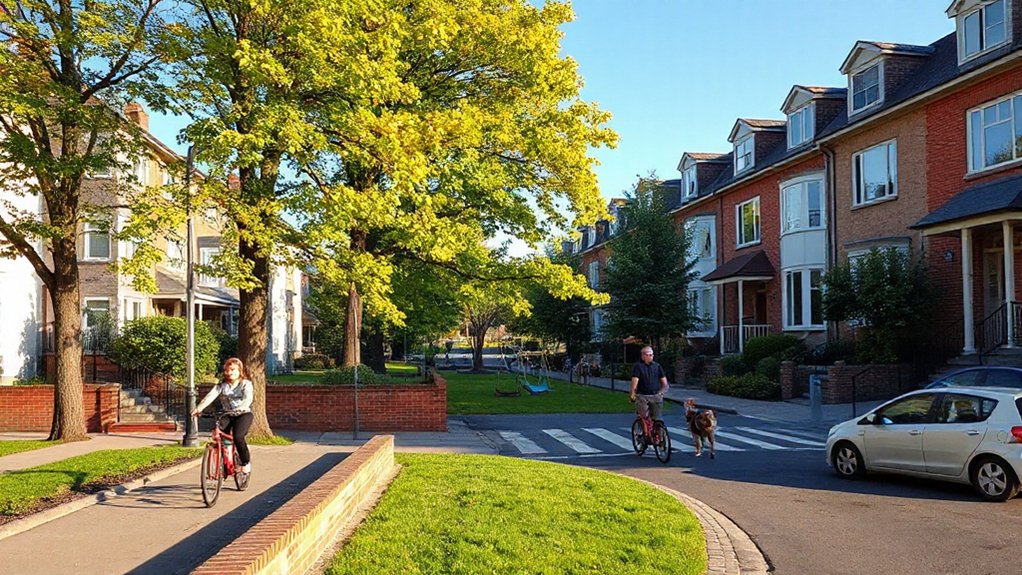
Manchester family life centers on practical choices: easy access to schools, parks, safe streets, and affordable housing. You assess neighborhoods by how they support daily routines, not just charm.
Proximity to reliable transport matters, as do quality Ofsted-rated schools and after-school facilities. You look for safe sidewalks, well-lit routes, and a responsive local council that fixes issues quickly.
Community events help you build routines and meet neighbors; they signal an area’s social vitality. Local cuisine options matter too, offering convenient dining with kids after sports or recitals.
You prize green spaces for playdates and calm weekends. A strong local economy reduces commuting stress, while low crime rates preserve predictability.
Manchester Neighborhoods by Families: North, South, and Inner City Overview
Northern Manchester offers family-friendly options with strong schools, accessible parks, and reliable transport links. You’ll find the north presenting straightforward access to leafy suburbs, housing that’s more affordable than central zones, and compact city centers with practical amenities.
In the South, communities emphasize sporting facilities, growing local markets, and affordable family homes, often near larger green spaces and riverside paths.
The Inner City blends multicultural scenes with quick commutes, diverse eateries, and pausing spots for kids’ activities close to museums and libraries.
Local cuisine and cultural festivals shape weekly routines, from weekend markets to seasonal events.
You benefit from clear boundary lines, predictable services, and targeted local councils enhancing safety, waste, and schooling support across these interlinked neighborhoods.
Best Manchester Areas for Primary Schools and Early Education
In Manchester, you’ll find several areas with standout primary schools and strong early education options, often clustered around well-connected districts and family-friendly neighborhoods. You’ll notice higher-rated primaries in central and suburban hubs, with feeder nurseries and early years settings above average.
Areas near good transport links offer convenient commutes for families, while primary-focused catchment areas shape choices. Expect robust Ofsted results, consistent attainment, and dedicated staff in key primary clusters.
Local cuisine and cultural festivals color school trips and community events, enriching daily life beyond classrooms. Look for schools with strong early intervention programs and known partnerships with local libraries and community centers.
Choose districts that balance reputable primaries with safe, walkable neighborhoods and accessible amenities.
Parks, Playgrounds, and Outdoor Fun by District

Across Manchester districts, parks, playgrounds, and outdoor spaces shape family life just as strongly as top primary schools. You’ll find a mix of green spaces, safe play areas, and riverside paths across neighborhoods, with each district offering distinct outdoor wins.
In the city centre, you’ll enjoy compact parks, accessible playgrounds, and quick routes to urban farming plots that teach kids about growing food.
In Moss Side and Hulme, family-friendly parks pair with community allotments and local festivals that spark weekend activity.
Chorlton and Didsbury emphasize larger green corridors, cycling routes, and nature reserves nearby.
In Bolton and North Manchester, playgrounds are well-kept and well-signposted for busy mornings. Focused, practical outdoor options fuel everyday family life.
Housing in Manchester: Affordability and Home Styles
How affordable is housing in Manchester today, and what styles could you reasonably expect to find? You’ll notice a mix of terraces, semis, and modern apartments across family-friendly districts.
Affordability factors include location, property age, and local demand, with outer areas offering larger chances for value without sacrificing access to schools.
Renowned house styles range from traditional red-brick terraces with bay windows to contemporary builds featuring open-plan layouts and communal spaces.
Mid-market family homes remain common in trusted suburbs, while new builds cluster around regeneration zones, often including better energy efficiency.
Expect stamp duty considerations and market cycles to influence pricing, particularly for first-time buyers.
In short, you’ll find accessible options and diverse housing styles aligned to family needs.
Commuting and Transport Links for Busy Families
Manchester’s bus, tram, and rail links put you within reach of work, school, and activities without long drives. We’ll compare typical commute times and routes from family-friendly neighbourhoods to key city and outlying destinations.
Start by weighing Public Transport Access against your daily needs to spot where timing and connections best fit your family rhythm.
Public Transport Access
In practice, you’ll notice daytime services that align with school run patterns and after-school activities, plus concise connections to Ringway and regional hubs.
Commuting safety is a priority in station designs, lighting, and clear wayfinding, helping you feel secure during early morning or late-evening trips.
Timetables are typically stable, with real-time updates via apps, so you can plan around weather or congestion.
Commute Times and Routes
For busy families, commute times in Manchester hinge on reliable routes that connect schools, work, and after-school activities. You’ll notice that principal corridors like the M60 and A34 offer quick links between suburbs and city centre, with peak-time grip focused around junctions near big schools.
In practice, you’ll benefit from consistent bus routes and well-maintained cycle lanes that cut through residential areas to parks and libraries. Local trains from Manchester Victoria and Piccadilly stations keep your options flexible, especially for weekend trips or work shifts later in the evening.
Plan around community events and local markets to avoid congestion, and build routines that minimize surprises. With thoughtful routing, you reclaim time for family evenings and quiet weekends.
Family-Friendly Cafes, Libraries, and After-School Activities
You’ll find family-friendly cafes with kids’ menus and quick access to power outlets across Manchester’s neighbourhood hubs.
Local libraries offer free events, story times, and study spaces that fit busy schedules.
After-school activity spots cover sports, arts, and STEM clubs, helping you plan reliable routines close to home.
Family-Friendly Cafes Guide
Looking for family-friendly cafés that fit into Manchester’s busy after-school routine? You’ll find practical spots near top schools and parks, with stroller-friendly layouts and quick service. Many venues offer kid menus, high chairs, and open-access Wi‑Fi so you can plan a quick refuel after practice or a library run.
Choose cafés with flexible seating, sunny corners, and safe outdoor spaces for little feet. Local options emphasize consistent hours, reliable cleanliness, and friendly staff who know local routes to after-school clubs.
Some venues host family events and craft mornings, supporting neighborhood festivals and local artisans. In practice, prioritize places close to home, with clear pricing and straightforward menus, so your family stays energized without late dinners or fuss.
Local Libraries Access
Local libraries add a practical layer to after-school routines, offering welcoming spaces for both study and play. You’ll find clean study zones, kid-friendly reading corners, and quiet rooms for homework without the noise of cafés.
In Manchester’s family-focused neighborhoods, libraries provide reliable access to resources, free Wi‑Fi, and extended hours during holidays.
Library programs cover homework help, storytelling, and creative workshops, helping you balance learning with downtime.
Book clubs in branch spaces give your children a chance to discuss stories, meet peers, and gain confidence speaking aloud.
Local librarians can guide you to age-appropriate shelves and lend devices for research.
Regular events build routines, trust, and a sense of belonging, making libraries a practical cornerstone of family life.
After-School Activity Spots
After-school spots in Manchester blend practicality with kid-friendly options, making it easy to extend the school day with structure and variety. You’ll find family-friendly cafes near primary schools offering quick meals and spaces to decompress after lessons.
Libraries host quiet zones, storytimes, and homework clubs, supporting literacy and local engagement.
Indoor sports facilities provide supervised practice after classes, from basketball to badminton, with affordable memberships and seasonal leagues.
Art classes run by community centers and galleries give kids hands-on creativity in a structured setting, helping them build skills while socializing.
Many venues offer multi-use programs, combining reading, crafts, and light fitness.
Look for local schedules online and in school bulletins to plan a balanced after-school routine that fits your family’s rhythm.
Safety Cues and Community Vibe in Manchester Neighborhoods
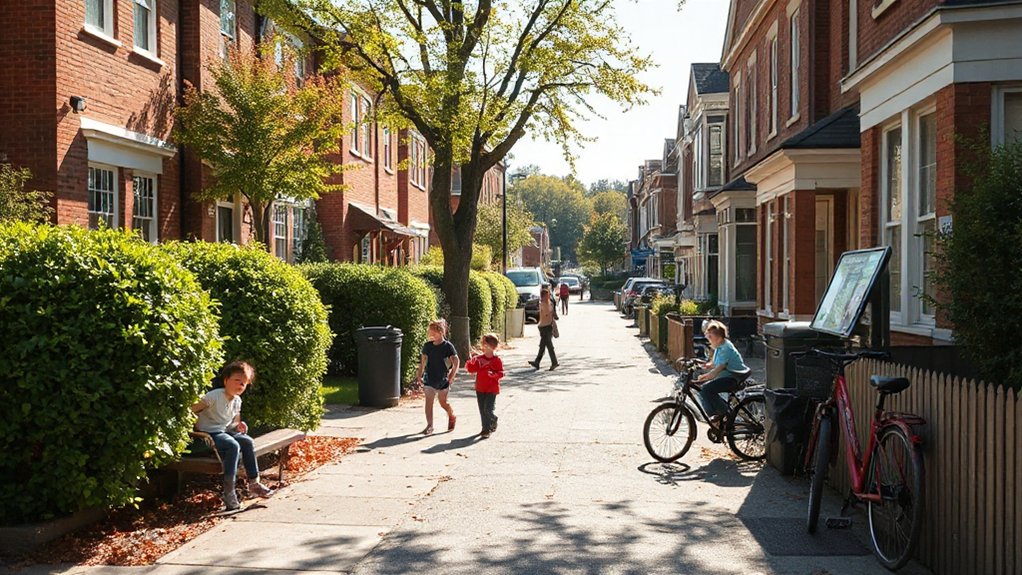
In Manchester, safety cues and the neighborhood vibe hinge on visible policing, well-lit streets, and active community groups that deter crime and build trust.
You’ll notice that neighborhoods with strong community engagement feel safer and more welcoming, with residents looking out for one another.
Street lighting, clear sightlines, and regular patrols contribute to a sense of security you can rely on for family routines, school runs, and evening outdoor time.
Local forums and residents’ associations coordinate clean-ups, safety campaigns, and social events, reinforcing trust and practical information sharing.
Neighborhood safety isn’t just about policing; it’s about how people connect, report concerns, and support neighbors.
When you see these cues, you’ll sense a healthier, more cohesive community.
How to Scout School Catchments in Manchester
To scout school catchments in Manchester, start with the official council and school websites to confirm current boundary maps and any recent changes. You’ll want to note which primary and secondary schools fall inside each catchment, then check admissions policies and deadlines.
Use the Local Authority’s catchment area search tool to compare multiple addresses and understand exceptions, such as sibling rules or selective admissions.
Verify inspection outcomes and Ofsted ratings for context, but base decisions on live boundary data.
Look at each school’s common offerings: school curriculum and key programs, plus available extracurricular activities.
Visit open days or virtual tours when possible to gauge environment, transport links, and surrounding facilities.
Keep a concise record of ZIP codes and feeder options for your shortlist.
Budgeting for Family Living in Manchester
In Manchester, you’ll want a clear plan for Housing Costs and Rent, balancing space with affordability.
Factor in Schooling and Daycare Budget to align with your family’s needs and local options, from nurseries to primary schools.
Don’t overlook Green Space and Transport Costs, since parks, pedestrian routes, and bus or tram access impact daily routines and total expenses.
Housing Costs and Rent
How much do you need to budget for housing in Manchester? In this city, housing costs vary by neighborhood, but you’ll find clear patterns. Expect higher rents near the city centre and popular family zones, with cheaper options toward outer suburbs.
For a two-bedroom flat, average rents commonly land around several hundred pounds more than regional averages, so plan for a realistic cushion.
Housing affordability matters: rent often consumes a sizable share of monthly income, especially if you’re balancing mortgage or council tax alongside utilities.
Rental affordability hinges on your income, lease terms, and any housing benefit you qualify for. Look for long-term leases, inclusive bills, and well-maintained properties to protect your budget and comfort.
Schooling and Daycare Budget
Manchester’s schooling and daycare costs add a predictable layer to family budgeting after you’ve weighed housing. You’ll want to compare local nurseries, primary schools, and secondary options in nearby neighbourhoods to spot value and quality.
Daycare rates vary by age and hours, so map typical schedules against your work needs, then build a monthly calendar with fees, trips, and deposits.
Some schools offer wraparound care or after-school clubs that cut out extra commute costs, while others charge for transport.
In Manchester, consider local cuisine and cultural festivals that shape family life and free-time costs, from breakfast runs to weekend events.
Target three budget tiers: essential, moderate, and contingency, and review yearly to reflect changes in funding or fees.
Green Space and Transport Costs
Green spaces shape weekend menus for family budgets, and Manchester’s parks, trails, and allotments are free or inexpensive options that cut activity costs. You’ll notice how urban art pops in public spaces near play areas, giving kids visual treats without added expense.
Local markets offer affordable, fresh produce and occasional kid-friendly workshops, letting you stretch weekly groceries. For transport, choose bike routes and pedestrian-first corridors to reduce fuel and parking fees, especially around family-friendly corridors like the city center and inner neighborhoods.
When you plan outings, pair parks with short, practical rides to minimize transit costs while keeping calendars full. Overall, green space supports healthier routines and steadier budgets for busy families.
Hidden Gems: Underrated Family Neighborhoods
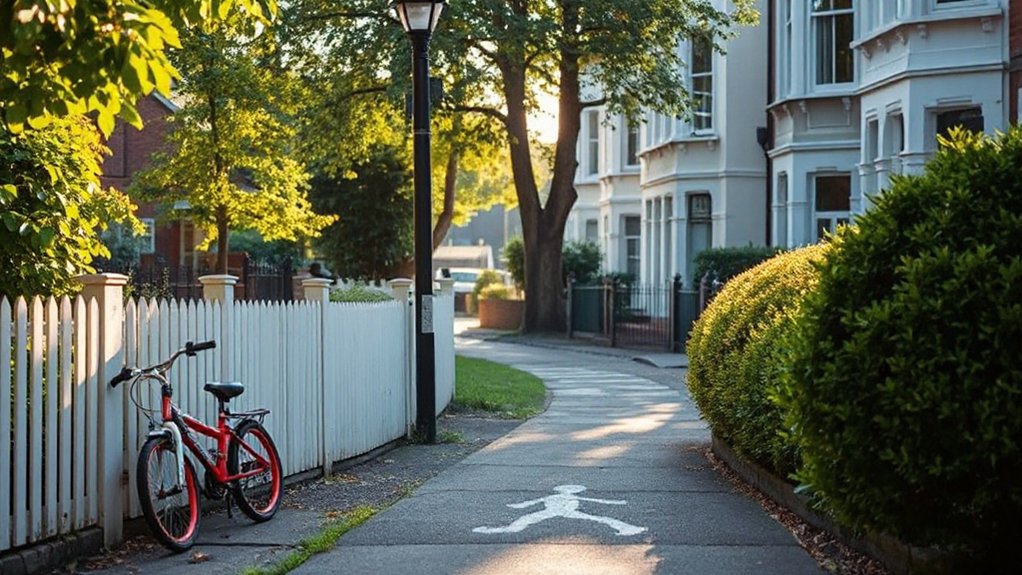
Hidden gems often fly under the radar, but these underrated Manchester neighborhoods are first choices for families seeking value, accessibility, and a strong sense of community.
You’ll find affordable homes with practical layouts, mid-century touches, and evolving urban architecture that still preserves character. Local schools and community centers anchor daily life, while nearby parks offer easy outdoor breaks.
Transit links are reasonable, keeping commutes predictable without sacrificing neighborhood vibe. You’ll notice family-friendly amenities cluster around libraries, shops, and cafes that serve as social hubs.
Local cuisine influences appear in markets and casual eateries, giving you reliable options for weekend dinners. These areas reward savvy buyers with growth potential, stable rents, and a welcoming, connected feel that helps you put down roots quickly.
Moving Tips: How to Plan Your Manchester School Move
Moving between family-friendly Manchester neighborhoods can be smoother if you plan ahead. Begin by mapping school catchments and travel times during rush hours, not just on paper but with a trial commute using your typical routine. Check school calendars, term dates, and any special intake procedures, so you don’t miss deadlines or open days.
Prioritize housing near reliable transport links to reduce daily stress for mornings. Build a simple moving checklist: pack supplies, update addresses, and arrange utility transfers before moving day. Tap into local networks for recommendations on after-school programs, community events, and kid-friendly routes.
Explore nearby parks, libraries, and cafes offering local cuisine—these stops help kids settle faster and keep your move practical, connected, and calm.
What to Look for in Your Ideal District: A Practical Checklist
Prioritize districts with easy access to parks, so you and the kids can play outside without long trips.
School proximity matters for morning routines and after-school flexibility, keeping shifts smooth for your household.
Plan safe, direct commute routes to minimize delays and stress during busy times.
Accessibility To Parks
Having easy park access is key for busy families, so look for districts where green spaces are within a short walk or a quick bike ride from homes, schools, and shops.
In Manchester, practical accessibility means noting park networks, footpaths, and cycle routes that connect residential blocks to playgrounds, sports fields, and recreation hubs.
Prioritize areas with multiple entry points, well-maintained paths, and safe crossings near busy streets.
Consider how parks serve as spillover spaces for community use, from morning jogs to weekend gatherings.
Evaluate the frequency of park-related activities and the presence of amenities like toilets, benches, and shaded areas.
Look for signs of community engagement and local events that draw residents together around outdoor spaces.
School Proximity Matters
School proximity can shape daily routines and long-term choices, so look for districts where good school access is within a short walk, bike ride, or quick bus ride from homes, work, and amenities. You’ll want neighborhoods where school catchments align with your commute, minimizing morning stress.
Check walking routes, safety factors, and crosswalks near residences and primary destinations. Proximity matters not just for you, but for kids building routines and after-school plans.
Evaluate which neighborhood amenities cluster near schools, making errands efficient after class hours. Ask about school communication with families and participation in community events tied to campuses.
A practical checklist helps you compare districts quickly, ensuring you pick an area that supports consistent attendance, steady routines, and a connected, child-friendly environment.
Safe Commute Routes
Look for bike lanes separated from traffic and sidewalks-wide enough for strollers. Proximity to reliable public transit reduces car use and supports community safety, especially during peak hours.
Note which streets show frequent pedestrian activity and crosswalks with adequate lighting.
Assess traffic congestion patterns at typical commuting times to avoid gridlock near schools and clinics.
Check for safe route options around main bottlenecks, like busy junctions or distracted-driver hotspots.
Favor districts with consistent enforcement of speed limits and visible crosswalks, keeping neighborhoods calmer and more predictable for families.
Moving Timeline: From House-Hunt to First School Day
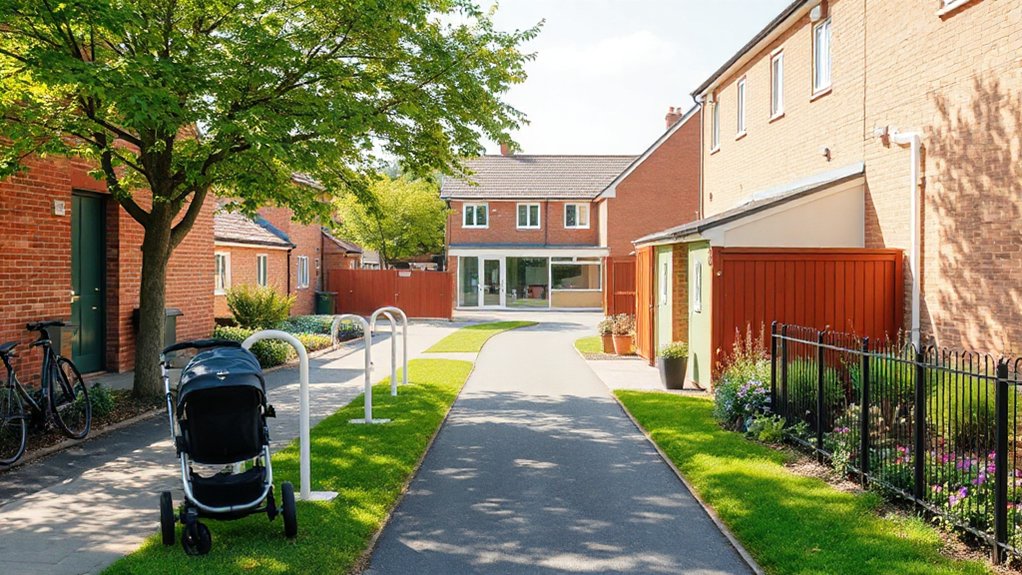
When you’re planning a move with kids, timing matters as much as locations. In Manchester, map your calendar to match school term dates and open house slots, not just shiny listings. Start with a week-by-week plan: secure a viewing during weekdays, then finish offers within 7–14 days, allowing for acceptance and conveyancing.
Once you’ve exchanged, set a realistic moving date that minimizes disruption to nursery or pre-school drop-offs. Register all kids with a local GP and complete school admissions forms early. Build in settling days between unpacking and the first day, plus a familiar route to school.
During weekends, explore local cuisine and cultural festivals to help new routines feel welcoming and familiar. A steady pace reduces stress and helps kids adjust quickly.
Next Steps After Choosing a District: A Family Move Plan
So you’ve picked a district—now here’s your practical family move plan to get you settled quickly and smoothly. Confirm your move date, then line up school registrations, childcare, and medical records in advance.
Map your daily routines: commute times, school drop-offs, and nearby parks. Create a simple inventory of essentials to buy locally, avoiding overordering.
Find a trusted GP and dentist, and set up council tax, utilities, and broadband early to prevent delays.
Explore neighborhoods by walking routes with kids to spot safe shortcuts and playgrounds. Attend community events to meet neighbors and learn about local services.
Sample local cuisine at family-friendly spots to ease the changeover and build familiarity. Keep a running list of contacts for babysitters, clubs, and emergency information.
Frequently Asked Questions
How Do I Choose a Family-Friendly Manchester District Quickly?
You’ll pick a district by checking local parks and community centers first, then consider schools and safety. Visit neighborhoods, talk to locals, compare commute times, and note family-friendly amenities like libraries and playgrounds to decide quickly.
Which Areas Have the Best School Transitions for Kids?
School admission policies show clear paths, while extracurricular programs glow in practice. You’ll want areas with stable shifts, juggling timelines and test scores, because you’ll benefit from school networks, maps, and localized guidance that keep kids consistently progressing.
What Are Typical School Catchment Changes Yearly?
School boundary updates shift yearly as councils adjust due to enrollment, housing, and capacity. You’ll see minor redraws, sometimes a new catchment for nearby neighborhoods. Education policy changes can alter feeder patterns and transport implications for families. Stay informed locally.
Which Neighborhoods Offer Affordable Family-Sized Homes?
Affordable housing here sits in districts like Chorlton and Eccles, where you’ll find family-sized homes and nearby family parks, making it easier to settle in while keeping costs sensible and daily life locally focused.
Where Are the Most Kid-Friendly Weekend Activities?
You’ll find the most kid-friendly weekend activities at local playgrounds and weekend markets, where you can explore crafts, snacks, and entertainment, plus easy strolls for families. Bring kids’ bikes, sunscreen, and reusable bags for a practical outing.
Conclusion
In Manchester, you’re planting roots in a quilt of neighborhoods—each patch bright with schools, parks, and friendly faces. You’ll map routes to top primaries, race the greenways with kids in tow, and weigh house styles like constellations in a night sky. Your move becomes a relay, handed from search to settling in. When the first school day dawns, you’ll feel the city’s rhythm syncing with your family’s heartbeat, steady, safe, and wonderfully yours.