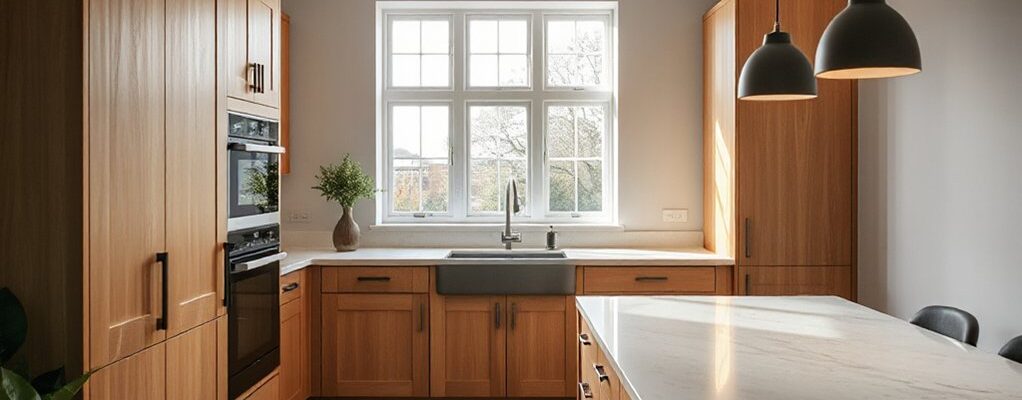
When you plan a modern UK kitchen, you prioritize function, flexibility, and durability; you prioritize function, flexibility, and durability. You’ll balance space-smart layouts, sustainable materials, and energy-efficient appliances to create a kitchen that ages well. You’ll layer lighting and texture to warm the space while keeping clutter under control with clever storage. You’ll future-proof through budgeting and timing, and you’ll stay ready for what’s next, because the right details make every trend last.
Define the Priorities for a Modern UK Kitchen
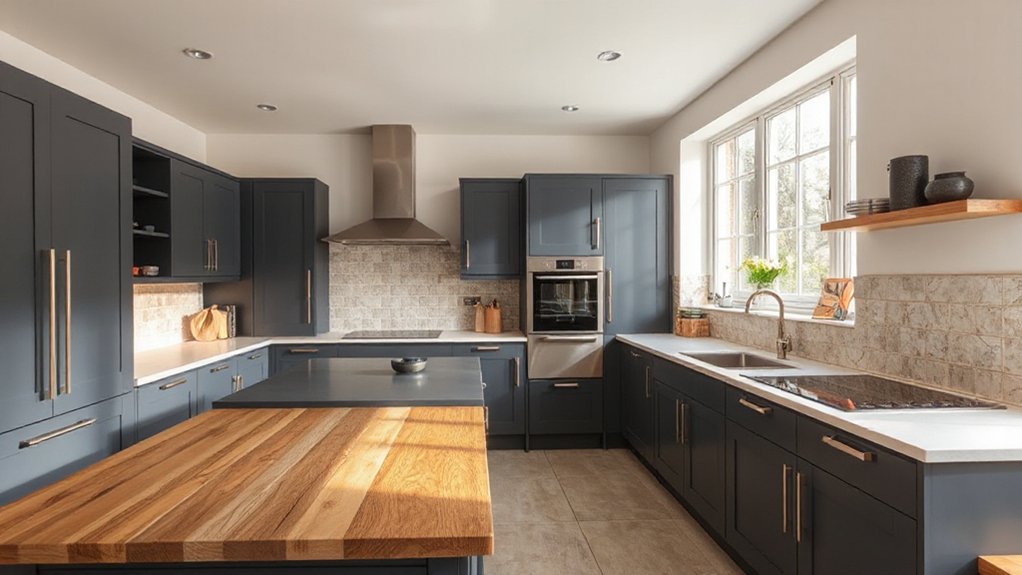
When defining the priorities for a modern UK kitchen, you should start with function: how you cook, entertain, and clean matters most. You’ll map routines and workflows first, then fit gear to support every task with minimal friction. Prioritize durable materials, quiet appliances, and smart storage that streamlines prep and cleanup. Storage should vanish clutter, yet feel accessible, so you can prep confidently without hunting for tools. Lighting matters for safety and mood, with layered options for task, ambient, and accent. Integrate a cohesive aesthetic that balances practicality with personality, including Vintage charm and Rustic accents to create warmth without sacrificing modern performance. Finally, plan for easy maintenance, reusable surfaces, and a layout that adapts as your needs evolve.
Choose Space-Smart Layouts for Open-Plan UK Homes
You’ll want space-smart layouts that carve distinct kitchen zones without closing the open plan, prioritizing Space-Smart Kitchen Zones for fluid, multitasking use. Flow-Driven Island Designs guide traffic and work zones, creating natural pathways that separate cooking, prep, and social areas. Pair this with Multi-Use Nook Options to add flexible, tucked-away storage or a compact dining corner that keeps the room versatile and bright.
Space-Smart Kitchen Zones
Space-smart kitchen zones are redefining open-plan UK homes by demarcating distinct work areas without breaking the flow. You design clear zones for cooking, prep, and cleanup, while keeping sightlines and social interaction intact. This approach leverages subtle boundary cues—benches, colors, and different textures—to signal function without walls. You’ll gain better organization through smart storage solutions that tuck away appliances, utensils, and pantry items, freeing surfaces for prep and display. Zoning flexibility lets you reconfigure spaces as needs change, from hosting dinner parties to weeknight meals. Lighting becomes directional, highlighting each zone’s purpose while maintaining a cohesive ambience. Prioritize airflow, ergonomics, and accessible storage to sustain efficiency, ease, and a sense of calm in your open-plan layout.
Flow-Driven Island Designs
Flow-driven island designs build on space-smart layouts by treating the island as both workspace and social hub. In open-plan UK homes, you’ll prioritize fluid progressions between cooking, dining, and living zones, so traffic flows without pressure. Choose a dominant island footprint that aligns with primary work zones, then layer in seating for casual dialogue and quick meals. Materials should emphasize seamless integration with cabinetry, countertops, and appliance panels, avoiding visual clutter. Consider a 360-degree prep zone, integrated lighting, and outlet placement that supports multitasking. Opt for contrasting yet cohesive finishes to cue distinct zones while maintaining a unified look. This approach strengthens interaction and efficiency, delivering a streamlined, contemporary kitchen that feels spacious, inviting, and naturally connected.
Multi-Use Nook Options
A well-placed nook can transform an open-plan UK kitchen into a flexible, daily-use zone. For multi-use layouts, you’ll blend dining, work, and casual meals in a compact footprint. Think pull-out surfaces, compact seating, and built-in storage that disappears when not needed. Hidden storage is essential—diagonal shelves, pedestal cabinets, and slim drawers keep counters clear while you, as the user, stay organized. Create cozy corners with upholstered banquettes or armchairs tucked against a wall, inviting quick coffee breaks or homework sessions without formal dining. Use modular, space-smart furniture that can reconfigure for guests or family breakfasts. Add integrated lighting and charging points to sustain a clutter-free, efficient flow, ensuring open-plan spaces remain versatile and easy to maintain.
Pick Durable, Easy-Care Finishes That Age Well
When choosing finishes for a kitchen renovation, durability and low maintenance should drive your picks, because well‑aged surfaces reduce ongoing upkeep and repaint cycles. You’ll want materials that resist stains, scratches, and moisture while staying appealing as trends evolve. Durable finishes and easy care surfaces save you time and money, letting you enjoy your space rather than constantly refurbishing it.
- Scratch‑resistant quartz countertops that mimic stone without heavy upkeep
- Porcelain or ceramic tiles with matte finishes that hide fingerprints
- Solid‑surface cabinets with sealed edges for wipe‑down ease
- LVP flooring that’s feet‑warm, durable, and easy to replace
These choices balance longevity with style, ensuring your kitchen remains fresh decades later.
Fit Energy-Efficient Appliances and Smart Tech That Work in UK Homes
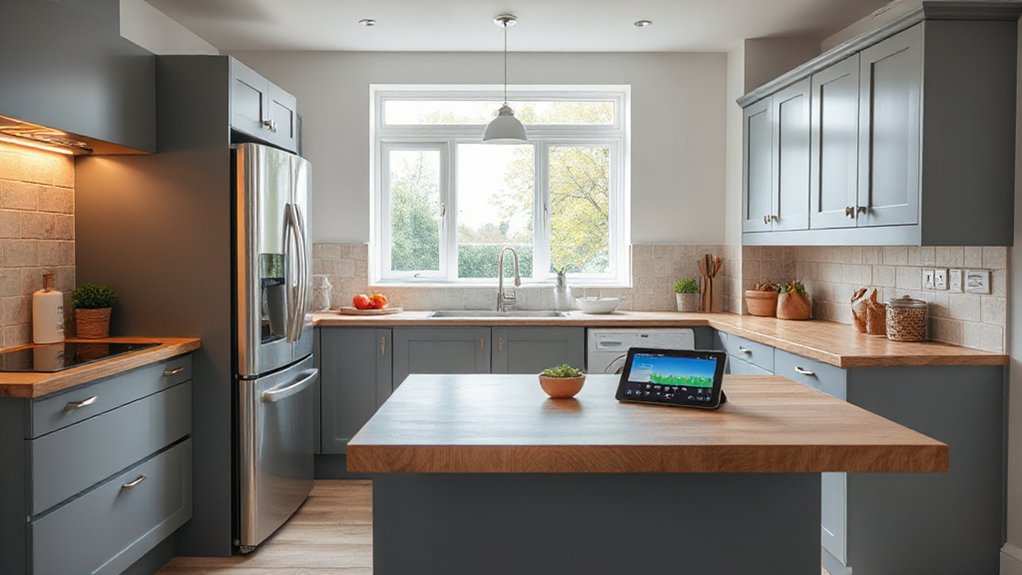
Smart, energy-saving appliances and smart tech are must-haves in UK kitchens today, helping you cut bills and boost convenience without overhauling your space. You’ll prioritise models with excellent energy ratings and low standby draw, then look for smart features that genuinely simplify routines. Think adaptive wash cycles, delayed-start options, and heat pump dryers that slash consumption without sacrificing performance. Integration matters: choose systems that talk to one another, enabling accurate energy tracking and coordinated usage. Implement energy saving tips like setting temperature targets, using automation to reduce idle times, and pairing appliances with a smart meter for real-time feedback. Focus on practical, proven tech that fits your workflow, not gimmicks, so you gain efficiency without complexity.
Master Clever Storage for Clutter-Free Kitchens
Curious how a small tweak to storage can transform a kitchen? You’ll access efficiency with clever layouts and smart fixtures that reduce clutter and save counter space. This approach centers on accessible, modular storage and hidden compartments that keep everyday essentials at arm’s reach while concealing the bulk. You’ll gain workflow benefits, from pull-out spice towers to deep drawer dividers, all designed for UK kitchens without sacrificing style. The goal is a calm, organized space that supports cooking routines and easy cleaning.
- hidden compartments cleverly integrated into cabinetry
- modular storage that reconfigures as needs change
- pull-out pantries and appliance garages for instant access
- drawer dividers and tray inserts to tame utensils and gadgets
Create Warm, Tactile Aesthetics With UK-Friendly Materials and Colors
Warm, tactile surfaces bring instant warmth to UK kitchens, pairing cozy textures with durable materials suited to daily life. You’ll prioritise textures that invite touch, from linen-look laminates to raked brick-style tiling, because texture communicates comfort as you cook and entertain. Textured finishes add depth without sacrificing practicality, resisting fingerprints and daily wear. Choose warm color palettes—creams, taupes, terracotta accents, and soft greens—to foster a welcoming mood while remaining versatile for evolving schemes. Pair these tones with natural wood or aged, matte metals to enhance tactility. You’ll balance softness with performance, opting for materials that endure damp, heat, and everyday knocks. The result is an inviting, resilient kitchen that feels crafted and timeless.
Source Sustainable, Locally Produced Materials for Kitchens
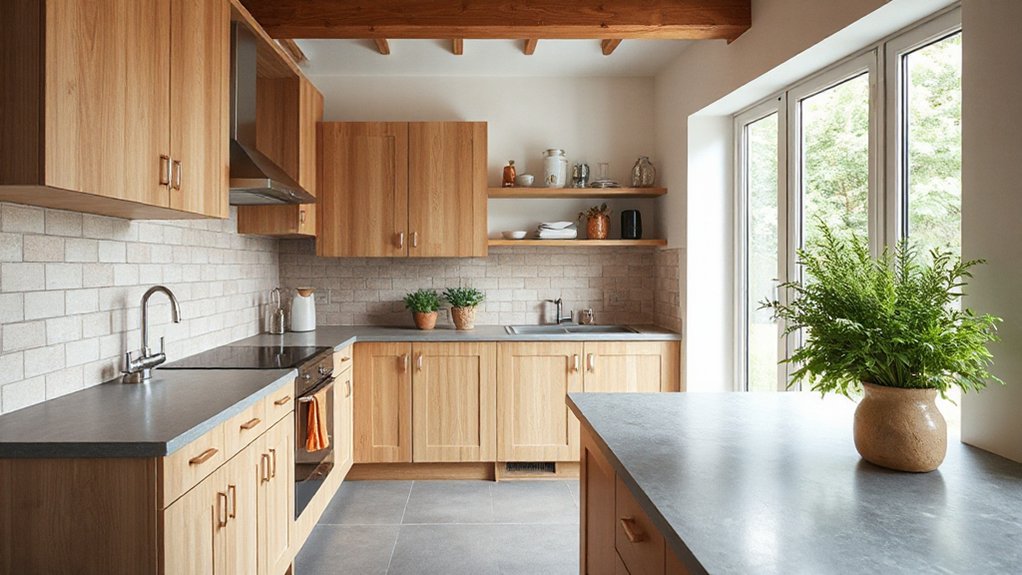
sourcing sustainable, locally produced materials for kitchens starts with a clear brief: prioritize suppliers within your region, verify certifications, and choose options that minimize transport emissions while maximizing durability and repairability. You’ll shape a practical, forward-looking space by selecting locally sourced materials that support nearby economies and reduce waste. Focus on eco friendly materials that perform under daily use, resisting wear and tear while easing disposal at end of life. Sustainable kitchen cabinetry should combine beauty with longevity, using finishes and joints that can be repaired rather than replaced. Your choices set a trend across the home, balancing function, carbon impact, and style.
- Locally sourced timber and veneers with low formaldehyde finishes
- Recycled-content countertops and durable, repairable surfaces
- Certifications like FSC/PEFC for responsibly harvested wood
- Local suppliers partnering for reduced transport emissions
Plan Budgeting, Timing, and Value for a Future-Proof Renovation
Plan your kitchen renovation with a clear budget, a realistic timeline, and a value-driven mindset to future-proof the space. Start with cost estimation that includes fixtures, fittings, and delivery delays, then set a cap for unforeseen expenses. Build a practical timeline by mapping procurement, trades, and install phases, and update it as milestones shift. Prioritize durable, low-maintenance materials that retain value and reduce life-cycle costs. Align design choices with expected usage trends to avoid overinvestment in niche finishes. Use value scoring to compare options, balancing upfront price against long-term savings. Maintain strict timeline management by assigning owners for each task and enforcing contingency buffers. Regularly review progress, adjust priorities, and communicate changes to stakeholders to protect the project’s scope and budget.
Frequently Asked Questions
How Much Should a Typical UK Kitchen Renovation Cost?
Typically, a UK kitchen renovation costs £8,000–£30,000, depending on scope. You’ll want solid budget planning, top-tier finishes, and durable kitchen material choices. You’ll compare quotes, factor installation, and prioritize essentials to stay on trend and under budget.
Which UK Building Regulations Affect Kitchen Upgrades?
Building permits bring bold, basic safety regulations into your kitchen upgrades; you must comply. You’ll carefuly check planning permissions, electrical, gas, and ventilation standards, ensuring compliance, safeguarding staff, and staying smoothly compliant with current building regulations.
How Long Does a UK Kitchen Remodel Usually Take?
A UK kitchen remodel typically takes 2–8 weeks, depending on scope and approvals. You’ll prioritize a smart kitchen layout and efficient appliance selection to minimize disruption while maximizing flow, efficiency, and on-trend functionality throughout the project.
What Grants or Funding Are Available for UK Renovations?
For example, you could secure a grant for energy-efficient renovations. Funding options vary, and grant eligibility hinges on measures like insulation or heat pumps. You’ll compare schemes, apply promptly, and document energy savings to maximize support.
Which Environmental Standards Apply to UK Kitchen Materials?
You should follow UK environmental standards like CE marking and UKCA for materials, prioritize Eco friendly materials, and embrace sustainable design. Guarantee suppliers share lifecycle data, reduce embodied carbon, and choose low-VOC finishes for healthier, compliant kitchens.
Conclusion
You’ll stand in a kitchen that breathes with you: warm light, tactile woods, and calm surfaces that glow with efficiency. Your space flexes around daily rhythms—smart tech nudging you through chores, islands inviting chats, storage vanishing clutter. Sustainable choices age gracefully, while locally sourced materials count down your footprint. With a clear plan and steady timing, your renovation becomes not just stylish, but enduring—a confident, modern heartbeat for your UK home.