
Leicester offers family-friendly neighborhoods defined by safety, solid schools, green spaces, and practical amenities. You’ll find areas with strong transport links, steady property values, and diverse services that support long-term stability. Data on crime, Ofsted ratings, and market trends guide how you choose a home that suits both today and tomorrow. As infrastructure projects unfold, purchase decisions should balance affordability with growth potential—keeping a careful eye on where value is most likely to compound next.
Why Leicester Is a Great Fit for Families: Key Criteria
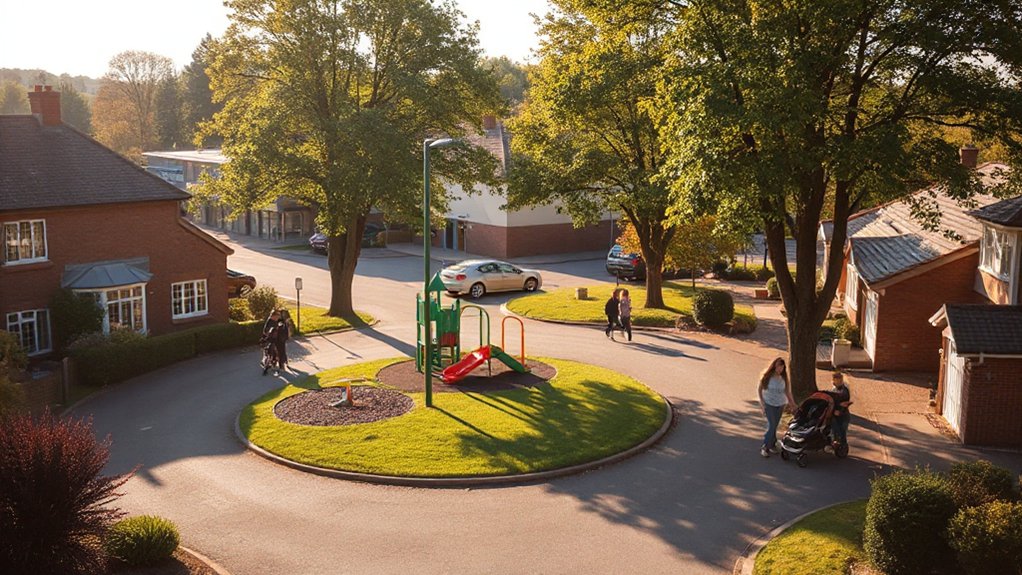
Leicester stands out for families because it balances affordability with strong essentials: safe neighborhoods, good schools, and ample green space. You’ll see a data-driven picture of why families choose this city: steady job options, accessible housing markets, and reliable public services that scale with population growth.
When you track urban development, you’ll notice mixed-use projects that enhance walkability without sacrificing neighborhood character. Investment in schools and transit upgrades points to predictable property value trajectories, helping you plan long term.
You’ll also encounter thriving cultural life anchored by historical landmarks that attract families seeking continuity and identity. In short, Leicester’s future-oriented planning aims to preserve affordability while expanding amenities, making it a pragmatic choice for stable, long-term family living.
Leicester Family-Friendly Neighborhoods: Safe Streets and Parks
Safe streets and ample parks define many Leicester neighborhoods that families rely on today and plan for tomorrow. You’ll notice that neighborhood amenities cluster near schools, libraries, and recreation centers, enabling quick, safe outings with kids.
Data shows low crime hot spots align with active community initiatives and well-lit pedestrian routes, reducing travel time for essential services.
Parks with varied recreation spaces encourage daytime play and evening strolls, supporting physical health and neighborhood cohesion.
Local traditions, from farmers’ markets to street events, reinforce social safety nets and create predictable routines for families.
Looking ahead, investment in cycle lanes and maintained green buffers will sustain access and safety.
In short, these patterns promote resilient, family-friendly environments that adapt to evolving needs.
How to Evaluate Leicester Schools: Ratings, Ofsted, and Community Feedback
To evaluate Leicester schools effectively, start with ratings and Ofsted reports, then cross-check with recent parent and student feedback to gauge day-to-day performance.
You’ll synthesize test scores, progression data, and inspection outcomes to build a clear picture of academic strength and consistency.
Look beyond headline ranks to understand classroom experience, leadership stability, and resource allocation.
Prioritize schools that clearly invest in school facilities and maintain robust extracurricular programs, since these elements correlate with engagement, attendance, and long-term achievement.
Compile a concrete short list with verifiable metrics: Ofsted grade trajectory, average attendance, pupil premium impact, and pupil progress measures.
Use community input as a diagnostic tool, but weight objective data for future planning and informed decisions.
Neighborhoods With Strong Transport Links in Leicester
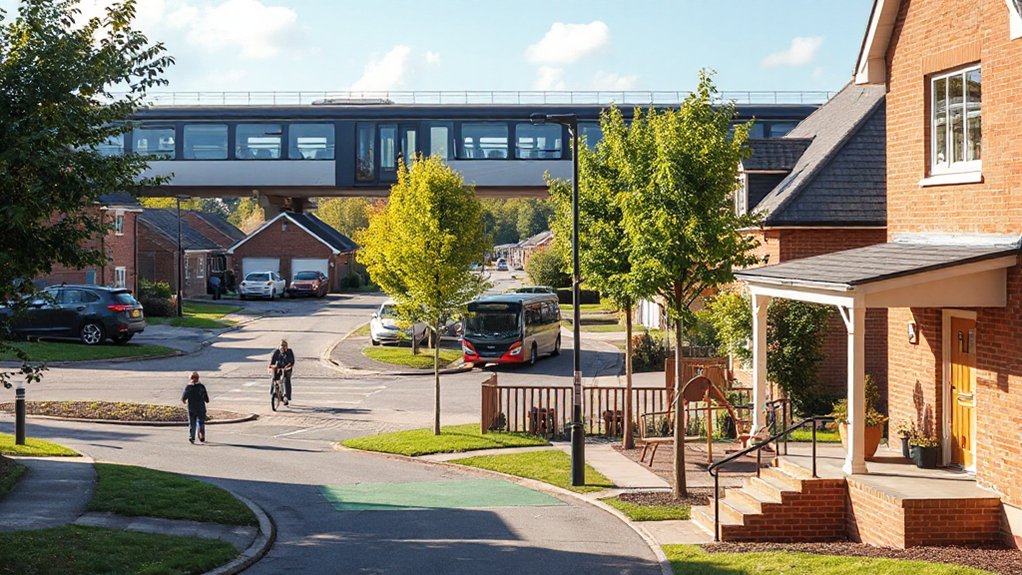
Which neighborhoods in Leicester offer the strongest transport links, and what does that mean for families and buyers?
In this section, you’ll see how connectivity translates to daily convenience and long-term value. Leicester’s strongest corridors cluster around central rail routes, frequent bus services, and access to major ring roads, reducing commute times and widening job options.
You’ll notice higher transit reliability in areas with integrated ticketing and park-and-ride facilities, which supports predictable planning for family routines. Public transport improvements attract rental demand and can stabilize prices, aiding housing affordability over time.
Look for neighborhoods near stations, high-frequency routes, and bus priority lanes as indicators of resilient access. For buyers, these factors signal lower transport friction and steadier resale appeal as mobility needs evolve.
Value for First-Time Buyers in Leicester: Where to Start
For first-time buyers, start by comparing Affordable Starter Homes across Leicester neighborhoods to identify where upfront costs and ongoing maintenance fit your budget.
Monitoring Property Price Trends helps you time purchases and spot areas with potential for value growth.
While prioritizing Kid-Friendly Neighborhoods can save you commute and school-search time.
This data-driven approach points you toward practical options now, with a clear view of future opportunities.
Affordable Starter Homes
Across Leicester, first-time buyers can find affordable starter homes by targeting rising, commuter-friendly areas with solid resale potential and ongoing regeneration. You’ll see affordable housing options concentrated in Starter neighborhoods that balance price, accessibility, and future growth.
Look for developments near key transport links, schools, and green space to bolster long-term value. Data suggests lower entry costs in these zones, paired with steady appreciation as infrastructure upgrades arrive.
Prioritize areas with planned regeneration that expands services, jobs, and demand, ensuring your initial purchase remains financially viable and saleable.
Avoid overpaying in mature, high-price pockets; instead, align with market-led incentives, starter mortgages, and energy-saving features.
Your strategy should combine affordability with scalable, practical upgrades for lasting equity.
Property Price Trends
Market data indicates modest annual appreciation overall, with sharper gains in luxury apartments and redeveloped districts that attract professionals and investors.
For first-time buyers, this means targeted search should prioritize areas with good transport links, recent upgrades, and proven price resilience. Historic landmarks add value through district character and ongoing amenity improvements, though they can carry slightly higher entry costs.
Plan exits and mortgage terms with a focus on stable income prospects and long-term capital growth.
Kid-Friendly Neighborhoods
Data shows lower crime tiers, good Ofsted ratings, and consistent average rents that keep ownership feasible for new buyers. Look for neighborhoods with planned green space, reliable bus routes, and proximity to essential services to reduce daily costs.
Pet friendly parks and weekend family activities become depots for community engagement, boosting long-term value. Future-oriented buyers should target areas with council-led infrastructure improvements and strong resale demand, ensuring steady equity growth as Leicester evolves.
Kid-Centric Hubs in Leicester: Parks, Play Areas, and Activities
Leicester’s parks, play areas, and kid-focused spots are expanding with new amenities and safer design, so you can plan weekend outings that fit every family’s schedule.
By looking at current access, greener spaces, and programmed activities, you’ll see which hubs maximize playtime while minimizing travel time.
This data-driven view helps you prioritize parks, playgrounds, and community spots that support ongoing family engagement and future-friendly options.
Parks And Play Areas
In planning for the future, expect more multi-use fields and modular play zones that adapt to age ranges, from toddlers to tweens. Dog parks coexist nearby, providing socialization for pets without compromising gates and supervision.
You’ll benefit from clearly marked paths, seating, and accessible facilities, supporting inclusive visits. Budget-conscious improvements focus on durable materials and routine safety checks.
Family-Friendly Activities
How can Leicester’s family-friendly landscape grow smarter and more engaging for kids? You’ll find data-backed options that boost time-savings and developmental benefits.
In parks and hubs, structured activity schedules, free-to-use facilities, and supervised zones elevate safety and participation, while footfall and program adoption metrics guide where to invest next.
You’ll see trendlines pointing to multi-use spaces that blend outdoor exploration with STEM or arts micro-events, keeping children engaged without over-scheduling families.
For planning playdates, you’ll use curated playdate ideas linked to nearby kid-friendly routes and transit-friendly venues, reducing friction.
And when meals are part of outings, you’ll lean on family friendly restaurants that support early dining, speed, and accessible menus, maximizing consistency across neighborhoods.
Kid-Centric Community Spots
Kid-centric hubs in Leicester blend green spaces, safe play zones, and structured activities to support families and young movers. You’ll notice parks with shaded picnic areas, age-appropriate equipment, and well-kept paths that invite quick routes for strollers or bikes.
Local play facilities emphasize supervision and inclusive design, reducing wait times and optimizing supervision ratios. Community centers offer after-school programs and weekend workshops that pair physical activity with creative learning, backed by attendance data and feedback loops.
Neighborhood festivals and family-oriented events create predictable opportunities for social connection, while curated routes highlight safety, accessibility, and rideability. Local art installations and rotating exhibits keep spaces engaging for older children without compromising safety.
Planning guidance prioritizes scalable infrastructure to sustain growth and family satisfaction.
Quiet, Leafy Streets vs. Bustling Family Hubs in Leicester
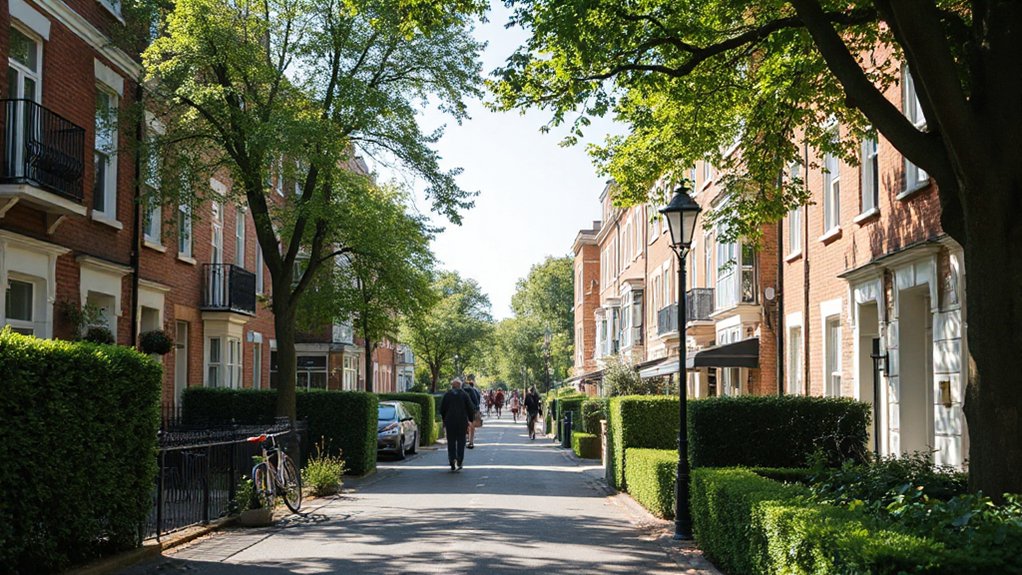
Quiet, leafy residential streets in Leicester offer a calm baseline for families prioritizing low traffic, local amenities, and predictable property values, even as demand shifts toward new schools and green spaces. You’ll notice steadier price growth where established cul-de-sacs meet small parks, with occupancy trends showing longer tenancy durations.
Yet, bustling family hubs deliver higher daytime footfall, stronger local services, and nearby urban parks that support weekend rituals and kid-friendly recreation. Data indicates trade-offs: quieter corridors reduce commute variability but may limit shopping density, while hubs boost convenience and social networks.
For long-term value, evaluate proximity to green corridors, walking routes, and planned development. Local festivals and urban parks shape neighborhood identity, influencing future desirability and investment logic. Prioritize clarity, not noise.
How to Assess Schools, Commute, and Safety Ratings
To assess schools, commute, and safety ratings effectively, start with verifiable data: school performance scores, pupil-teacher ratios, and Ofsted-style assessments. Then map these against typical commute times, transit reliability, and route safety.
You’ll compare School rankings, safety statistics across neighborhoods, weighting recent trends and gaps. Prioritize objective indicators: exam outcomes, progression rates, and attendance consistency, then overlay with median travel times and peak-hour variability.
For safety, quantify crime density, neighborhood patrols, and lighting scores, translating them into personal risk impressions. Use dashboards that flag gaps and forecast changes over 3–5 years, guiding decisions about suitable schools and commutable, safe routes.
This approach keeps you future-ready, data-driven, and aligned with practical living needs.
Growth, Resale, and Stability: Investment Considerations in Leicester
Leicester’s growth trajectory, resale potential, and neighborhood stability hinge on a mix of growth drivers, market fundamentals, and risk indicators. You should track population growth, infrastructure plans, and employment shifts to gauge upside and resilience.
Real estate supply dynamics matter: new developments, land use changes, and planning approvals shape price paths and rental demand. Market volatility can compress returns during macro shocks, so stress-test scenarios for interest-rate spikes and funding access.
Compare neighborhoods by price-to-rent ratios, vacancy rates, and time-on-market trends to identify durable value. Rental yields remain a key metric for cashflow potential, though they vary by submarket and asset class.
Prioritize locations with diversified amenity access, strong schools, and steady long‑term demand to support stable resale.
Practical Living in Leicester: Shopping, Healthcare, and Community

From groceries to healthcare, Leicester offers a practical, future-focused framework for daily living, with data showing strong access to affordable shopping, expanding healthcare options, and vibrant community networks.
You’ll find shopping districts with frequent discounts, reliable public transport, and supermarkets delivering consistently low prices.
Healthcare access is improving, with GP wait times trending shorter and new clinics opening in underserved neighborhoods.
Community engagement is measurable through active volunteers and sanctioned programs that align with local needs.
You’ll also enjoy local cuisine and cultural festivals that reinforce social ties while supporting small businesses.
Plan for the future with data-driven decisions on commute times, school routes, and safety metrics, ensuring your family’s routines stay efficient, resilient, and connected.
Upgrading Your Leicester Family Home: Best Areas to Consider
If you’re upgrading your Leicester family home, focus on Prime Family Zones where long-term value and top schools align with solid resale potential.
You’ll compare upgraded living options—from larger footprints to smart-home features—against clear, data-backed benchmarks like school performance, transport access, and neighborhood development plans.
This approach keeps your decision future-ready, pragmatic, and aligned with measurable growth in demand.
Prime Family Zones
Are you unsure where to upgrade for a family-friendly Leicester postcode that balances schools, safety, and value? In Prime Family Zones, you’ll see measurable advantages across schools, crime stats, and capital growth.
Data shows pockets with consistently high OFSTED ratings, lower burglary rates, and strengthening local economies, signaling durable demand. You’ll also notice thriving neighborhood amenities—green spaces, shopping hubs, and accessible public transport—that reduce daily frictions for families.
Rent-to-buy metrics and long-term resale values point to prudent, future-proof choices rather than short-term flips. Prioritize areas with clustered family services, reputable sports programs, and active community groups to reinforce stability.
Balance proximity to work with quality-of-life indicators, ensuring your family traditions endure amid evolving city development.
Upgraded Living Options
Upgrading your Leicester family home starts with pinpointing areas that blend space, safety, and long-term value. You’ll compare floor plans, school proximity, and transport links to project scalable living.
Look for neighborhoods where recent property upgrades already raise resale potential, then target streets with room for extensions or mezzanines. Prioritize homes sized for growing needs, but evaluate efficiency over flashy features.
Implementing home automation can boost daily convenience and energy savings, while luxury renovations should be scoped for durability and return on investment, not just aesthetics.
Prioritize builders with transparent timelines and post-completion support. In future markets, demand will favor adaptable layouts, robust insulation, and smart systems.
This data-driven approach narrows options to upgrades that compound value for families.
Your Leicester Family Map: Putting It All Together
Your Leicester Family Map pulls the data together to guide decisions you’ll make in the next few years: where to live, what schools to prioritize, and which neighborhoods balance affordability with long-term value. You’ll merge housing costs, crime trends, school scores, commute times, and planned developments into a single baseline.
The map highlights family outdoor options, identifying parks, trails, and safe play spaces that align with your schedule. It also surfaces neighborhood amenities, from shops to healthcare, ensuring essentials are near you.
Use the insights to compare future value scenarios and prioritize upgrades that protect liquidity. With this approach, you transform raw data into a concrete, actionable housing strategy tailored to your family’s growth.
Frequently Asked Questions
Which Areas Have the Best Daily Life Balance for Families in Leicester?
You’ll find the best daily life balance in areas with strong community safety and robust local amenities, improving over time as investments grow and crime rates drop; you should prioritize neighborhoods that track positive safety and access metrics.
How Do School Catchment Changes Affect Family Housing Choices?
School zoning subtly shifts housing choices; you’ll notice families respond to changing catchments, nudging demand and price signals. You’ll track school zoning and housing market impact, planning ahead with data-driven, pragmatic, future-oriented expectations for your move.
Which Neighborhoods Offer the Most Affordable Family-Friendly Housing?
You’ll find affordable housing in safer neighborhoods, with price-to-value trends indicating steady future gains; compare census data, crime stats, and school proximity to target areas where family-friendly amenities align with ongoing development and investment.
What Are Typical Commute Times From Top Family Areas?
Typically you’ll spend 20–40 minutes commuting from top family areas, depending on route; expect smoother travel off-peak. Public transport reduces car reliance, but Traffic congestion spikes during rush hour, so plan alternatives and track live updates.
Which Parks and Playgrounds Are Must-Visits for Families?
Like a well-planned route, you’ll want Abbey Park and Rectory Park for accessible playgrounds. You’ll prioritize playground safety and park accessibility, noting future upgrades, and you’ll plan visits to Tapper Green and Knighton Park accordingly.
Conclusion
You’ll dodge soggy stereotypes and actually read the data. Leicester isn’t a fairytale; it’s a low-drama spreadsheet with parks, schools, and transport as pivot points. Our forecast shows safe streets, solid value for first-time buyers, and steady growth with balanced risk. Picture future resale potential rising like a well-managed budget—no magic, just metrics. So pack practicality, map your priorities, and invest where evidence points. The city’s not perfect, but the trend line is promising.