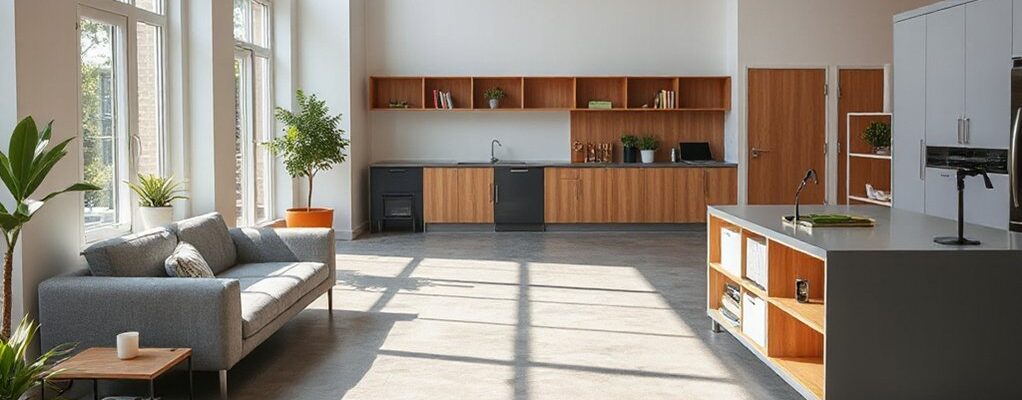
Professional tenants want HMOs that keep you productive and comfortable. You’ll rely on reliable high‑speed Wi‑Fi, enterprise-grade with strong backhaul and multiple access points, plus smart security and remote access for peace of mind. Flexible leases fit busy schedules, with clear onboarding and move‑out steps. Dedicated workspaces and quiet zones boost focus, while eco‑friendly, well‑insulated spaces cut costs. Proximity to work and amenities reduces downtime. Everything scales with your needs, and more improvements await.
What Professional Tenants Expect From Modern HMOS
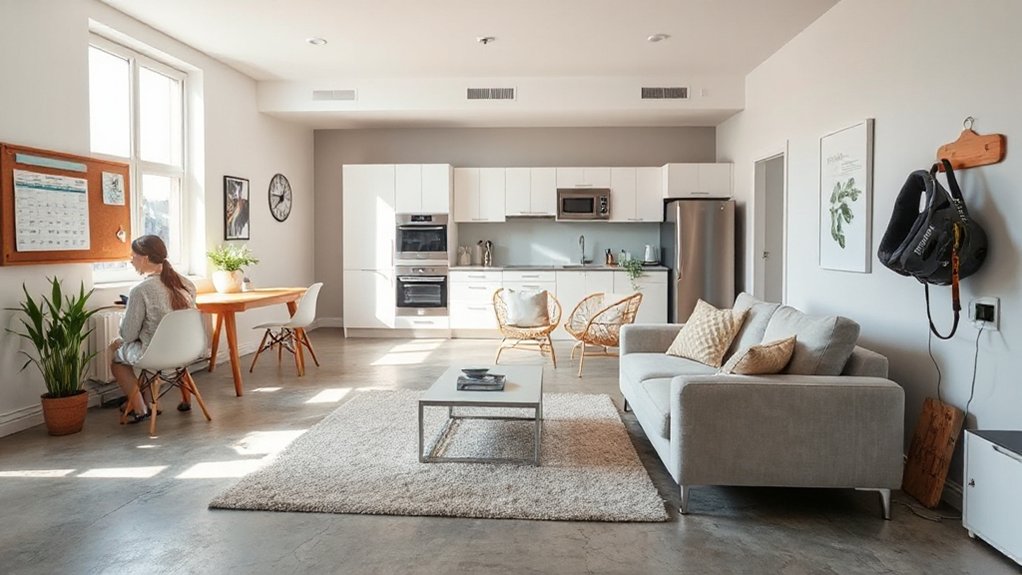
Professional tenants expect modern HMOs to combine reliability with flexibility. You seek spaces that minimize downtime between contracts and maximize personal control over your living terms.
Data shows high occupancy rates when properties offer transparent maintenance SLAs, rapid issue resolution, and consistent safety standards. You value clear communication channels, so you can track repairs and foresee lease milestones without ambiguity.
Tenant privacy matters, so you prefer thoughtfully designed layouts, soundproofing, and secure access as baseline expectations.
Lease flexibility matters too: options for short- or mid-term renewals, straightforward rent adjustments, and predictable renewal processes.
You’re drawn to operators who publish performance dashboards, show responsiveness to feedback, and demonstrate custody of compliance records.
How to Deliver Reliable High‑Speed Wi‑Fi Everywhere
To deliver reliable high‑speed Wi‑Fi everywhere, start with a fiber‑backed, enterprise‑grade backbone and scalable access that grows with occupancy. You’ll design for density with multiple APs per floor, a centralized controller, and automated band steering to minimize interference.
Monitor latency, jitter, and packet loss in real time, backing decisions with data dashboards that show peak usage by time and space. Prioritize wired backhaul where possible and deploy mesh as a redundancy layer, not a primary solution.
Consistency matters: guarantee peak throughput for video calls and large file transfers, while balancing guest demand. This approach delivers high speed connectivity and Reliable streaming, supporting work from anywhere and predictable tenancy experiences without overengineering.
Regular reviews keep performance aligned with occupancy shifts.
Smart Security and Access Control for Peace of Mind
Smart door access control and remote monitoring give you real-time visibility into who enters and when.
By weighting incidents, you’ll see patterns—and respond faster with automated alerts that protect both residents and property.
Let’s compare options to balance convenience, security, and cost, so you can tailor peace of mind to your tenant mix.
Smart Door Access Control
Digital key usage enables seamless guest turnover and temporary access for cleaners, while audit trails provide accountability without manual logs.
You’ll want scalable systems that support role-based permissions, so lease terms align with access windows and common-area reliability remains high.
Biometric entry adds another layer of verification, discouraging credential sharing and strengthening incident response.
Data-driven insights show lower incident rates where smart doors integrate with building management platforms, occupancy analytics, and automated locking sequences.
Prioritize robust encryption, offline operation options, and user-friendly provisioning to balance security with resident experience.
Remote Monitoring & Alerts
Remote monitoring and alerts elevate security by providing real-time visibility into activity across common areas and entry points. You’ll act on data rather than guesswork, benefiting from proactive risk management and faster incident response.
With automated alerts and centralized dashboards, you can confirm anomalies quickly and document trends for tenancy decisions. Remote diagnostics keep systems healthy, reducing downtime and extending device life.
This approach supports scalable oversight across multiple units without micromanagement, preserving resident autonomy while maintaining accountability. Consider how integrated sensors, cameras, and access control create a cohesive security posture that tenants trust.
- Automated alerts trigger immediate notifications for suspicious access or door propping
- Centralized dashboards streamline incident review and reporting
- Remote diagnostics minimize maintenance disruptions
- Behavioral analytics flag unusual patterns for proactive care
- Scalable, cross-unit visibility supports asset protection
Flexible Leases Tailored to Busy Schedules
Flexible leases are increasingly essential for busy tenants who juggle work, study, and personal commitments. You benefit from lease flexibility when schedules shift between high-demand weeks and lighter periods, reducing the risk of overcommitted housing costs.
Data show that adaptable terms correlate with higher occupancy stability and lower turnover, delivering predictable revenue for operators and steadier housing for you.
Schedule adaptability means options like short-term renewals, month-to-month extensions, and mid-cycle adjustments without penalties. In practice, you’ll value pro-rated rent, flexible move-in dates, and transparent renewal terms that align with project timelines or rotations.
Clarity matters: clear notice periods, defined exit clauses, and what constitutes allowable subtenancies. When leases mirror your tempo, you reduce friction and regain focus on productivity and performance.
Dedicated Workspaces and Quiet Zones for Productivity
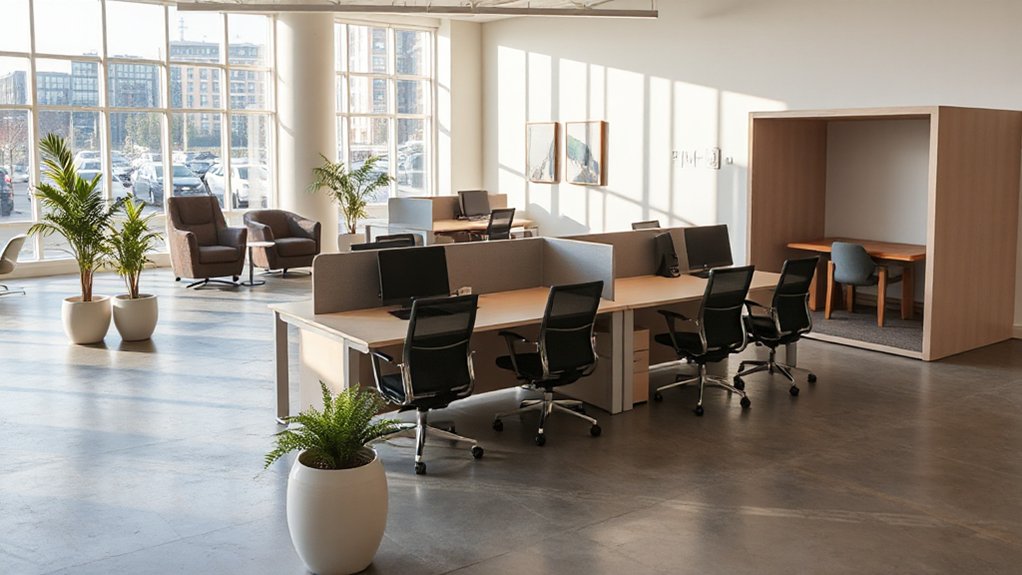
Dedicated workspaces and quiet zones are essential for sustained focus in modern HMOs. You’ll benefit from clearly defined areas that minimize distractions, align with remote work routines, and boost productivity metrics.
Evidence shows that dedicated workspaces reduce context-switching and fatigue, while quiet zones support deep work during peak hours. In well-designed HMOs, residents report higher satisfaction when spaces accommodate both collaboration and solo tasks, with ergonomic setups and ample natural light.
Careful zoning ensures privacy without isolation, sustaining professional habits. Use cases range from virtual instruction to client calls, all supported by acoustically treated rooms and accessible power.
Quiet zones, alongside dedicated workspaces, create repeatable routines that translate into consistent performance and fewer workflow disruptions.
- Clear zoning for work and rest
- Ergonomic, device-ready desks
- Sound-managed spaces for calls
- Sufficient lighting and climate control
- Fast, reliable Wi-Fi access
Durable, Stylish Furnishings That Last
You’ll want furnishings that pair durability with a cohesive aesthetic, because long-lasting room essentials cut total costs and maintenance hassles.
Data show that high-density materials and timeless silhouettes reduce replacement cycles while sustaining appeal in shared spaces.
Durable Furnishings Aesthetic
Durable furnishings aren’t just a selling point; they’re a practical baseline for modern HMOs where wear and turnover are constant. You’ll prioritize pieces that marry furnishings durability with a clean, cohesive aesthetic appeal, reducing replacement costs while preserving a professional vibe.
In practice, durability supports predictable upkeep, smoother routines, and higher tenant satisfaction scores.
- Resilient upholstery that cleans easily without visible wear
- Scratch-resistant surfaces with timeless finishes
- Modular, repairable components to extend life
- Neutral palettes enhanced by durable textures
- Quality hardware and fasteners designed for high-traffic use
Long-Lasting Room Essentials
Choose modular furnishings with simple repair options and standardized components to simplify replacement cycles. Prioritize upholstery and finishes that balance comfort with cleanability, supporting consistent turnover quality.
Invest in energy-efficient lighting and robust hardware to cut long-term operating expenses and minimize guest friction. Track life-cycle data to inform procurement—replacing items before failure saves disruption and preserves citations of value.
Eco-conscious upgrades and long-term sustainability emerge as core criteria, guiding supplier selection and product mix. Your strategy blends performance metrics with design fidelity, delivering rooms that sustain appeal while delivering predictable, measurable savings.
Hygienic, Efficient Shared Kitchens and Laundry
Shared kitchens and laundry facilities in modern HMOs must be hygienic, efficient, and reliable to support consistent tenant wellbeing and operational flow. You’ll value standardized cleanliness standards and documented hygiene practices that minimize contamination risk, streamline turnover, and protect occupancy health.
Data shows well-maintained shared spaces reduce complaints and downtime, boosting resident satisfaction and retention. Focus on layout that promotes easy cleaning, clear labeling of storage, and robust scheduling for peak usage.
Regular audits, quick‑response maintenance, and durable finishes curb wear and ensure long‑term reliability. By embedding evidence‑based protocols, you create predictable routines that tenants can trust.
- Clear cleanliness standards and routine hygiene practices
- Sufficient sinks, surfaces, and venting for shared use
- Timely maintenance and fault reporting
- Dedicated cleaning rotas and product accessibility
- Transparent rules to protect space integrity
In‑Unit Tech That Teaches Your Tenant Experience
In-unit technology that informs and elevates the tenant experience builds on the reliable, hygienic shared spaces you’ve standardized in the previous topic. You’ll leverage data-informed devices that ease daily routines and reduce friction, aligning usage patterns with your operational metrics.
Smart thermostats tailor comfort while optimizing energy, giving tenants responsive control without overconsumption. Real-time occupancy signals can guide maintenance and cleaning cadence, extending the lifespan of high-traffic zones.
Virtual tours aren’t just onboarding; they empower residents to understand space configurations, amenities, and safety features, reinforcing trust from move-in onward.
The result is a measurable uplift in satisfaction scores and retention, driven by transparency, consistency, and proactive service. Maintain privacy guardrails, collect aggregate insights, and iterate features to align with evolving tenant expectations.
Transparent Utility Billing That Keeps Surprises Low
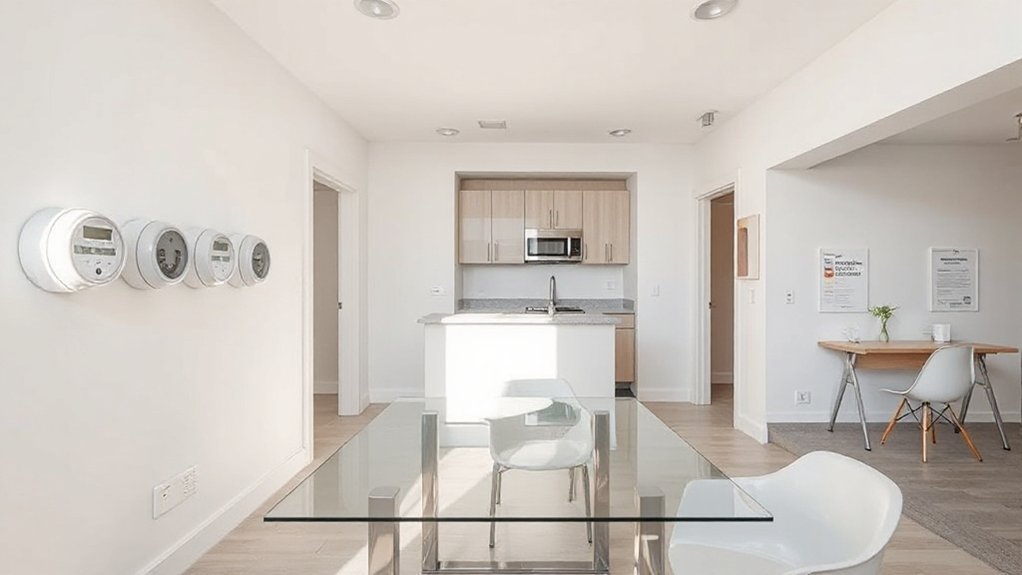
You’ll want a transparent utility breakdown that makes costs predictable and easy to audit. When you implement clear slabs and itemized charges, you can reduce resident questions and strengthen trust with data-driven explanations.
Start the discussion by showing how usage patterns map to bills and where the margins are, so surprises stay low.
Clear Utility Breakdown
- Metered consumption visibility
- Fair shared-usage calculations
- Historical billing records
- Consistent invoicing intervals
- Clear anomaly explanations
No-Surprise Billing Slabs
Transparent utility billing hinges on clearly defined, tiered slabs that align cost with actual consumption while minimizing surprises. You’ll see landlords present a simple, predictable structure: base allowances, then incremental rates that scale with use. This approach reduces random spikes and clarifies how charges accrue, so you can forecast monthly expenses more accurately.
In practice, billing transparency means each slab is documented, with clear unit prices and consumption thresholds, helping you compare properties without deciphering dense footnotes. Avoiding surprise charges requires real-time access to readings, historical usage, and an easy explanation of any deviations.
When no-surprise billing slabs are applied, tenants routinely verify meters, track trends, and challenge anomalies quickly. The payoff is a reliable budget, fewer disputes, and a stronger professional tenant experience overall.
Rapid Maintenance and Clear Issue Resolution
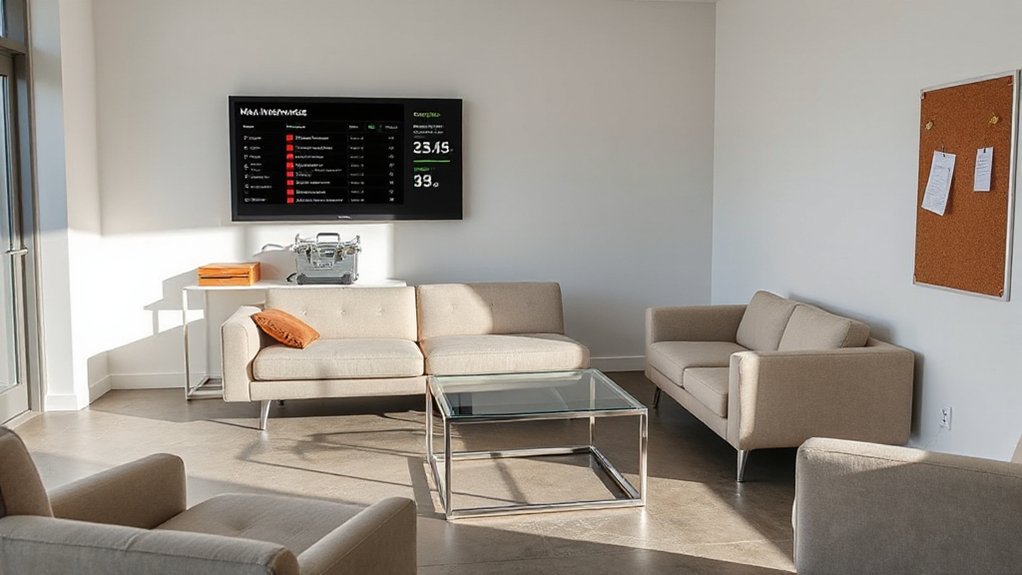
- Maintenance scheduling that aligns with your routines and minimizes disruption
- Immediate acknowledgment of issues with trackable progress
- Structured issue escalation to ensure accountability
- Proactive preventative care to avert recurring faults
- Transparent status updates and post-service verification for closure
Safety Compliance as a Core Standard
You expect safety to be woven into every facet of your HMO operations, from Fire Safety Protocols to ongoing Compliance Documentation Practices.
Data shows that regular Safety Audits reduce incident rates and improve tenant trust, so you’ll want a clear cadence and transparent records.
Fire Safety Protocols
- Fire evacuation routes and exit signage audit cadence
- Smoke detection coverage by floor and unit
- Regular testing and record-keeping of alarms
- Clear occupant responsibilities during drills
- Contractor vetting and maintenance SLAs for life-safety systems
Compliance Documentation Practices
Compliance documentation isn’t an afterthought; it’s the backbone of safety compliance in modern HMOs. You’ll succeed by organizing records so inspections flow, not fizzle. Track who conducted what, when, and the outcome, linking documents to specific safety standards for rapid verification.
Documentation audits become a competitive edge, signaling proactivity to tenants and regulators. You should standardize formats, version histories, and storage protocols to minimize gaps and misfiled items. Emphasize measurable proof: maintenance logs, certification renewals, and incident reports with corrective actions tracked to completion.
Pair this with targeted compliance training so staff understand expectations and their roles. When documentation is current and transparent, you mitigate risk, accelerate decision-making, and demonstrate that safety isn’t optional—it’s integral to your property’s value.
Regular Safety Audits
- Clear metrics tie audits to remediation timelines
- Regular drills validate response times and roles
- Equipment logs show maintenance status at a glance
- Incident trend analysis guides preventative work
- Stakeholder transparency reinforces safety accountability
Flexible Parking and Secure Bike Storage
Data shows properties with varied options—permit systems, reserved bays, and short-term guest spaces—drive higher occupancy and longer tenancies.
You also prioritize Bike security: robust locks, CCTV coverage, well-lit access, and indoor facilities that deter theft and corrosion.
A streamlined process for gaining access to storage and parking, plus clear rules on usage fees, reduces friction during onboarding.
When amenities align with commuting realities, tenants stay longer and report higher satisfaction.
Inclusive Community Guidelines That Respect Boundaries
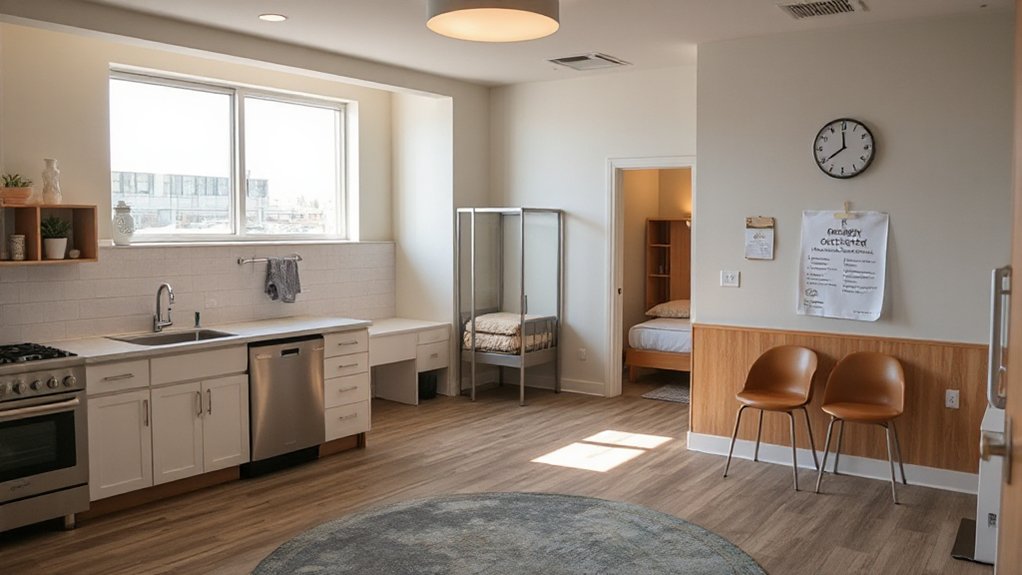
A clear set of boundary rules helps everyone know what to expect, reducing friction and speeding up collaboration in shared spaces.
With respectful conflict protocols, you can address issues promptly and fairly, rather than letting tensions simmer.
Clear Boundary Rules
- Clear thresholds for noise, occupancy, and areas designated for specific activities
- Accessible signage and digital reminders
- Consistent hours for common spaces
- Defined guest policies and duration limits
- Clear process for reporting concerns
Respectful Conflict Protocols
How can conflicts be resolved constructively in a modern HMO, balancing residents’ needs with community well-being? You’ll find that respectful conflict protocols reduce repeated incidents by guiding behavior with clear, documented steps.
Start with conflict resolution basics: listen actively, identify core concerns, and summarize points to confirm understanding.
Establish a predictable process—timely responses, neutral moderators, and written records—to minimize ambiguity and retaliation.
Emphasize respectful communication: tone, body language, and phrasing matter as much as content.
Data shows that transparent guidelines cut escalation rates and improve satisfaction scores among professional tenants.
Pair protocols with accessible support: anonymous reporting options, routine check-ins, and remediation plans aligned to boundaries set in advance.
Commit to continuous review, measuring outcomes to refine practices and sustain a harmonious living environment.
Shared Space Etiquette
Shared spaces in a modern HMO require etiquette that protects both individual boundaries and collective well-being. When you share kitchens, lounges, or laundry rooms, you follow shared rules that balance convenience with respect.
Clear norms reduce friction, support timely turnovers, and keep common areas welcoming for everyone. You’ll notice that communal etiquette isn’t just courtesy; it’s performance data in action—scheduling, signal threads, and transparent expectations.
By adhering to these guidelines, you prevent clashes and sustain productivity in a tight living environment. Your participation builds trust, which correlates with higher tenant satisfaction and lower turnover.
- Respect quiet hours and guest limits
- Clean up after use and label personal items
- Communicate conflicts early and constructively
- Monitor supplies and replenish basics
- Honor access schedules and shared equipment rules
Sound Control and Room Privacy
Effective sound insulation reduces transient sounds from hallways, stairs, and neighboring rooms, while maintaining ventilation and natural light. Privacy barriers, such as fully sealed partitions, solid core doors, and door bottoms, create predictable acoustic envelopes, so you can focus during calls or quiet work blocks.
You’ll also value layouts that limit direct line-of-sight into personal spaces, plus configurable privacy options like zoned sound masking or adjustable thresholds. Data-backed design shows these elements correlate with higher rental appeal, longer tenancies, and fewer complaint cycles, reinforcing that thoughtful sound and privacy strategies are a competitive differentiator.
Eco‑Friendly Comfort Without Compromise
Eco-friendly comfort in modern HMOs means delivering warmth, airflow, and usable space with lower environmental impact, without sacrificing habitability or convenience. You’ll notice that design choices balance comfort with efficiency, using measurable metrics like energy intensity and indoor air quality to guide decisions.
Prioritizing thermal comfort reduces wasteful heating, while smart controls optimize ventilation and occupancy workloads. The emphasis on Eco conscious materials and durable construction supports long-term performance, not just initial appeal.
Sustainable energy sources power common areas and critical systems, lowering operating costs over time. Clear data on comfort metrics helps you compare options confidently and avoid compromises that undermine tenant experience.
- Eco conscious materials that endure and minimize embodied carbon
- Efficient insulation and glazing to stabilize temperatures
- Smart controls for heating, cooling, and ventilation
- Access to on-site or off-site renewable power
- Transparent lifecycle performance data
Proximity to Work and On‑Demand Local Amenities

Commuting options matter: rail links, bus networks, cycle routes, and even car-sharing data influence how quickly you reclaim personal time. Within walking distance, you gain access to essential conveniences that reduce daily frictions and discretionary spend, improving overall value.
Local dining options also influence desirability, offering convenient meals during tight schedules and after-work breaks. Strategically located spaces minimize downtime, stabilize occupancy, and support consistent rent performance without sacrificing tenant experience or price competitiveness.
Choose proximity that integrates work routines with on-demand amenities for sustainable satisfaction.
Clear Onboarding, Move‑In, and Move‑Out Processes
- Pre-arrival communications and digital document submission
- Transparent move-in inspection with photo records
- Clear maintenance response expectations and SLAs
- Automated reminders for lease renewal windows
- Structured move-out refunds and final bill disclosures
Implementing these elements improves perceived professionalism, drives retention, and supports smarter leasing decisions.
HMOS That Scale With Tenant Needs
To scale with tenant needs, HMOs must adapt through flexible unit mixes, modular common areas, and scalable service ecosystems that grow with occupancy and preferences. You’ll find that successful scaling hinges on data-informed design decisions, robust occupancy forecasting, and adaptable lease structures.
Tenant preferences shift with demographics and work patterns, so grids of unit types, from studios to mezzanine suites, enable rapid reconfiguration without downtime. Scaling strategies prioritize modular furniture, distributed connectivity, and shared spaces that flex from collaboration zones to quiet pods.
Integrated property management platforms track usage, maintenance cycles, and service demand, enabling proactive adjustments. The result is higher retention, reduced vacancy risk, and accelerated onboarding for new tenants, while sustaining amenity value as occupancy signals evolve.
Frequently Asked Questions
How Do HMOS Accommodate Short-Term Professional Assignments?
Short-term professional assignments fit well with flexible lease terms, because you can taper duration to project timelines. You’ll benefit from professional amenities, streamlined check-ins, and data-driven occupancy options that minimize downtime and maximize productivity.
Can Tenants Customize Shared Spaces to Suit Work Styles?
Did you know 68% of tenants prioritize personalization options? You can customize your space, and shared space design supports collaboration or focus. You’ll collaborate when needed, or work solo, with flexible layouts tailored to your work style.
What Safety Measures Exist for High-Turnover Professional Tenants?
You’ll find robust measures for high-turnover tenants: Building security with access controls and surveillance, plus rigorous fire safety protocols, regular drills, and clearly posted evacuation routes, all data-driven to minimize risk and optimize occupant safety.
Are There Options for Guest Access and Visitor Policies?
You’ll see guest access policies and visitor management clearly outlined, streamlining arrivals like a toll booth with logical lanes, data-backed thresholds, and trustworthy controls that keep your workflow seamless while protecting residents and property.
How Is Privacy Protected in Common Areas and Bedrooms?
Privacy is protected through individual room locks, soundproofing, and clear common-area guidelines; you’ll notice privacy considerations embedded in layout and routines, with robust noise mitigation measures, monitored entry, and responsive reporting channels to maintain confidential, comfortable spaces.
Conclusion
In short, your HMOs should feel effortless, not intrusive. You’ll attract professional tenants by delivering reliable high-speed Wi‑Fi, smart security, flexible leases, and dedicated workspaces that boost productivity. Pair that with eco‑friendly comfort, prime location access, and seamless onboarding. As data shows, tenants value transparency and consistent experiences; scale your offering as needs evolve. By upholding these standards, you don’t just rent space—you build trust, loyalty, and a reputation that compels ongoing referrals. Think of it as anticipation, not accommodation.