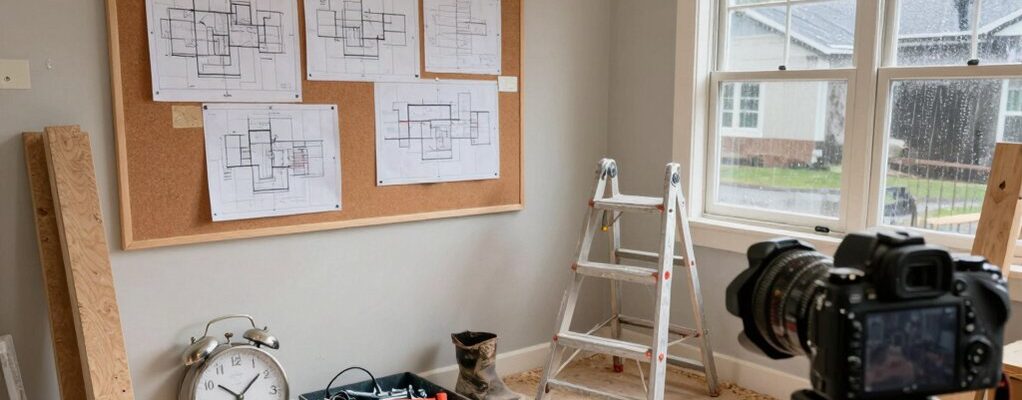
The most common causes of home renovation delays stem from scope creep, poor scheduling, and external disruptions. You’ll encounter fluctuating requirements, late change orders, and vague milestones that sprint past budgets. Scheduling suffers from unclear responsibilities, missed permits, and reactive procurement. Weather, material shortages, and unreliable crews compound setbacks, while poor communication and lagging risk management let problems fester. Without proactive mitigation, rebaselining and approvals slip. If you keep going, you’ll uncover concrete steps to prevent these delays.
How to Prevent Renovation Delays: A Step-by-Step Plan
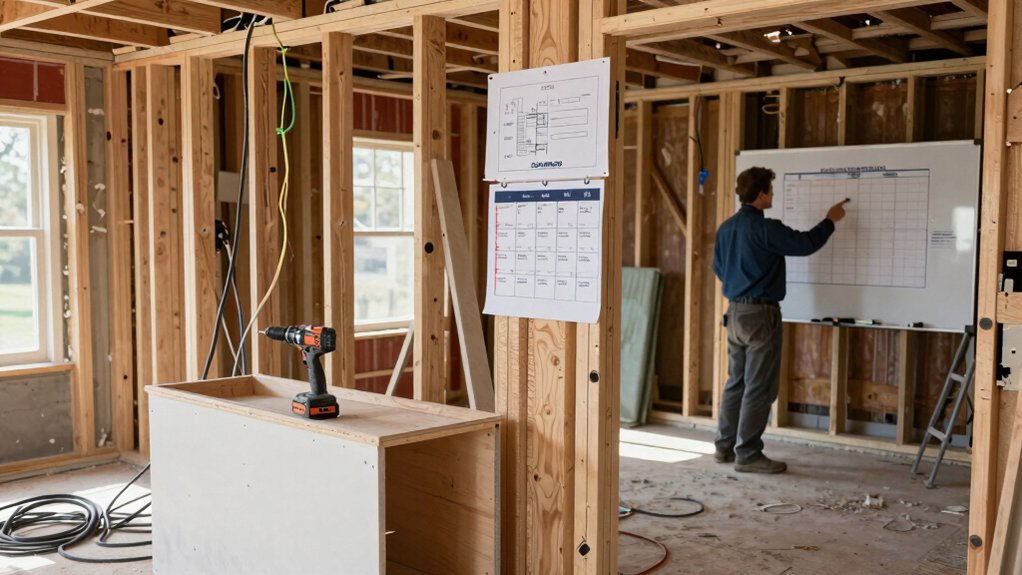
To prevent renovation delays, start with a precise project plan that defines scope, budget, timeline, and responsibilities. You’ll identify milestones, risk flags, and decision points, then align them with a transparent approval process.
In contractor selection, evaluate credentials, track record, and safety practices to guarantee reliability and accountability. Establish criteria for contractor collaboration, communication channels, and escalation paths so you stay informed without micromanaging.
For material sourcing, lock in defaults for lead times, substitutions, and warranty terms, and confirm supplier redundancy to reduce shortages.
Integrate a centralized document repository and version control to keep everyone on the same page. Schedule regular status reviews, adjust baselines only with documented approvals, and celebrate progress as a team to reinforce belonging and accountability.
Common Delay Triggers and How to Mitigate Them
Common delay triggers fall into three buckets: planning gaps, execution hiccups, and outside disruptions. You’ll mitigate them by anchoring schedules to critical-path tasks, aligning responsibilities, and maintaining real-time communication with all stakeholders.
In planning gaps, lock in scope, budgets, and milestones early, then implement a formal change-control process to prevent scope creep.
Execution hiccups demand proactive procurement, daily progress tracking, and rapid issue resolution—prioritize reliable crews and accurate material lists.
Outside disruptions require contingency buffers for weather and supplier variability, plus clear safety protocols to keep crews productive.
Address material shortages by securing alternate suppliers and pre-fabrication where possible, and plan for unexpected weather with weather-aware scheduling and indoor work windows.
This approach builds predictability, teamwork, and confidence in project outcomes.
Streamlining Permits and Approvals for a Faster Start
Streamlining permits and approvals starts with mapping the exact permits required for your project and the fastest routes to approval. You’ll define the permit process early, aligning documents, timelines, and responsibilities to minimize back-and-forth.
Establish a clear approval workflow that identifies decision points, lead times, and required sign-offs, so you know when delays may occur and how to prevent them. Use standardized submittals, checklists, and pre-application consultations to reduce mistakes and resubmissions.
Coordinate with stakeholders—engineers, contractors, and inspectors—to maintain momentum and accountability. Prioritize jurisdictions with streamlined processes or express lanes when possible, compiling all permit dependencies into a single timeline.
This disciplined approach builds confidence, reduces surprises, and keeps your project on track from the start.
Budgeting Smart: Forecasts, Contingencies, and Funding
Smart budgeting is essential for a renovation’s success, blending realistic forecasts with robust contingencies and reliable funding sources. You manage cost estimation and financial planning with precision, aligning scope and resources to anticipated cash flows.
Start with a detailed budget baseline that captures all line items, then stress-test it against common variances to reveal gaps early. Build contingencies level with project risk, not as an afterthought, so you’re prepared for supplier delays or design changes.
Establish funding strategies that match milestones, securing lines of credit or reserve funds before work begins. Track variances monthly, adjusting forecasts to maintain financial integrity.
Clear cost visibility fosters confidence, reduces frustration, and reinforces your sense of control throughout the project lifecycle. Your proactive approach sustains momentum and minimizes costly surprises.
Aligning Schedules: Contractor Coordination and Timelines
Coordinating trades hinges on a clear master schedule that aligns contractor availability with project milestones.
You’ll mitigate trade participation delays and communication gaps by defining roles, responsibilities, and sequential dependencies upfront.
Proactive, real-time updates keep timelines tight and reduce conflicts between trades.
Coordinated Scheduling Conflicts
When multiple trades are scheduled without synchronized timelines, small delays cascade into larger project setbacks. Coordinated scheduling demands clear visibility into each phase, with fixed start dates, buffer periods, and contingency paths.
You’ll reduce conflicts by mapping dependencies, designating lead trades, and locking milestone dates in a shared calendar. Proactive communication between general contractors, subs, and suppliers matters as much as on-site work.
Focus on contractor scheduling and supplier coordination to align procurement, delivery windows, and labor availability. Short, frequent check-ins keep everyone aligned and allow rapid re-sequencing if a constraint arises.
Documented progress versus plan minimizes surprises and maintains momentum. When schedules are synchronized, workflows flow, costs stay controlled, and your renovation stays on track and within scope.
Trade Participation Delays
Trade participation delays arise when key trades fail to align with the project’s critical-path schedule, causing gaps between planned activities and actual on-site work. You’ll feel the impact as coordinated work stalls and approvals wait, widening the timeline and heightening cost risk.
Effective trade coordination requires clear sequencing, shared milestones, and real-time updates so crews synchronize handoffs rather than overlap or idle. When subcontractor delays occur, you see cascading effects on material delivery, permitting, and inspections, making proactive scheduling non-negotiable.
Establish buffer management, daily progress checks, and a single source of truth for task owners. By prioritizing accountability and transparent communication, you preserve throughput, reduce rework, and foster a collaborative environment.
This approach strengthens your project’s cadence, aligning participation with the critical path.
Communication Gap Risks
Effective contractor coordination hinges on closing communication gaps that threaten schedule integrity; gaps in information flow can create misaligned milestones, delayed approvals, and idle crews.
You’re responsible for translating plans into action, so establish a single source of truth and publish fixed update cycles.
Miscommunication pitfalls emerge when duties, dependencies, or change orders aren’t documented and reviewed by all parties, amplifying risk of rework and missed handoffs.
Coordinate with clear RACI charts, synchronized calendars, and rapid escalation paths to minimize delays.
Stakeholder misalignment often stems from ambiguous priorities or incomplete data; address this by confirming expectations during kickoff, then reinforcing them at each milestone review.
Proactive, concise communication sustains accountability, keeps crews aligned, and preserves the project timeline.
Managing Scope: Controlling Change Orders and Variations
Effective scope management is essential to prevent budget overruns and schedule slips; you must define, verify, and control all project work to avoid unauthorized changes.
You’ll implement a formal change control process that flags, documents, and routes every proposed alteration before approval.
Maintain a single source of truth for scope, baselining approved tasks and deliverables to prevent scope creep.
Establish clear criteria for changes, including cost, schedule impact, and risk, and require written justification from all stakeholders.
Schedule regular review checkpoints to assess variances, rebaseline when warranted, and communicate decisions promptly to the team.
This disciplined approach reinforces ownership, reduces ambiguity, and sustains progress.
Keeping Communication Tight: Project Management That Works
Clear daily updates keep everyone aligned and prevent miscommunications from slowing progress.
Define roles and responsibilities upfront so each team member knows what to own and when to escalate issues.
Guarantee timely information flow with standardized channels and cadence, so critical decisions and changes are communicated without delay.
Clear Daily Updates
Daily updates synchronize the team and stakeholders, ensuring everyone stays aligned on progress, issues, and next steps. You’ll implement clear daily updates to manage expectations and reduce delays.
Use concise channels—daily check ins and brief progress snapshots—to surface blockers early and keep decisions timely. Highlight completed tasks, current work, and upcoming milestones in a consistent format, so teammates quickly grasp status without digging through reports.
Maintain a single source of truth, update it at fixed times, and reference it in quick briefs to sustain momentum. Emphasize objective data over impressions: hours logged, tasks closed, risks flagged, and mitigation actions.
This disciplined cadence builds trust, reduces rework, and reinforces ownership across trades, suppliers, and client representatives, fostering belonging through reliable, predictable communication.
Defined Roles Responsibility
Defined roles and responsibilities are the backbone of tight communication in project management. You’ll maximize efficiency by clearly assigning tasks, avoiding overlaps, and ensuring accountability across all trades.
A formal responsibility matrix defines who does what, when, and how decisions are escalated. You’ll align team roles early, create ownership, and reduce rework through explicit handoffs.
With defined roles, your project avoids confusion and delays, and stakeholders feel confident in progress.
- team roles are mapped to milestones and deliverables
- a responsibility matrix clarifies decisions, approvals, and sign-offs
- accountability paths ensure timely escalation and issue resolution
Timely Information Flow
Timely information flow keeps all stakeholders aligned and decisions moving. You control the cadence of updates, ensuring decisions aren’t stalled by ambiguity or delays. Clear, centralized communication channels reduce misinterpretations and rework, preserving schedule integrity.
You establish daily check-ins and a fault-tolerant information trail, so everyone knows current statuses, risks, and priorities. Real-time dashboards translate complex data into actionable steps, aiding procurement, scheduling, and risk mitigation.
You link communication to action by assigning owners, deadlines, and metrics for response times. Material procurement benefits from transparent lead times and inventory visibility, while Site accessibility is tracked continuously to prevent workflow interruptions.
You foster inclusion by inviting input from trades, suppliers, and clients, reinforcing trust and ownership inside the project team. This disciplined flow sustains momentum and quality.
Frequently Asked Questions
What Hidden Costs Often Surprise Homeowners During Renovations?
Did you know 70% of projects hit budget overruns? You’ll face permit surprises and hidden costs like permits, inspection delays, and unforeseen material price hikes, so you must track every line item and resist scope creep to stay on target.
How Do Weather Delays Impact Project Timelines Typically?
Weather delays stretch timelines; you’ll see extended stays during storms and wet seasons. Plan with seasonal planning and storm preparedness, coordinating buffers and contingencies so you stay on track and feel supported throughout the project.
Which Licensing Issues Commonly Halt Construction Progress?
Only about 30% of projects stall due to contractor licensing issues, so you shouldn’t ignore this. You’ll mitigate permit delays, verify licensing, and coordinate with authorities to keep construction progressing smoothly and foster community trust.
What Role Do Material Shortages Play in Schedule Slippage?
Material delays slow your schedule; supply chain fluctuations directly affect timing. You’ll experience slippage when shipments lag, shortages occur, or fabrication backlogs intensify. Stay proactive: monitor vendors, diversify sources, and adjust buffers to mitigate schedule impacts.
How Can Homeowner Decisions Unintentionally Cause Delays?
Indecision slows progress; your decision indecisiveness leads to change requests, rework, and schedule slips. You should lock in scope early, document approvals promptly, and communicate constraints clearly to avoid cascading delays and preserve project cohesion and trust.