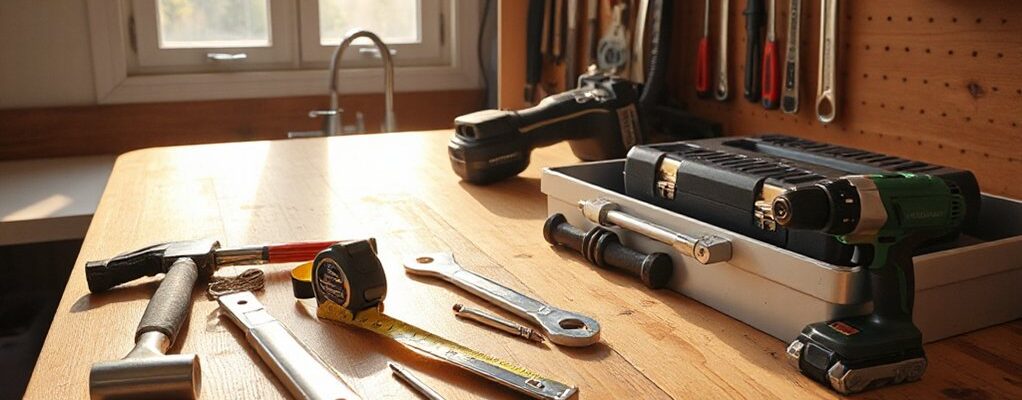
Best-selling home improvement tools for DIY projects focus on reliability, safety, and clear upgrade paths. Start with versatile core power tools—drill/driver, impact, circular saw—and pair them with precision tools that stay calibrated. Prioritize measuring and marking tools for repeatable accuracy, plus durable cutting, sharpening, and fastening gear. Choose reputable brands with solid warranties, and build a modular toolkit that scales with your projects. Keep organization and maintenance on a strict schedule, and you’ll gain faster, cleaner results as you work—more insights await.
Key Takeaways
- Versatile power tools (drill/driver, impact driver, circular saw, multi-tool) with long battery life and strong safety features.
- Precision tools with ergonomic design and reliable calibration for consistent finishes.
- High-quality cutting, sharpening, fastening tools paired with proper sharpening routines and blade control.
- Comprehensive organization and maintenance systems (labeled drawers, magnetic strips, tool care routines).
- Trusted brand ecosystems offering warranties, parts availability, and modular kits for future expansion.
What Makes a DIY Tool a Best-Seller: Key Criteria for Shoppers
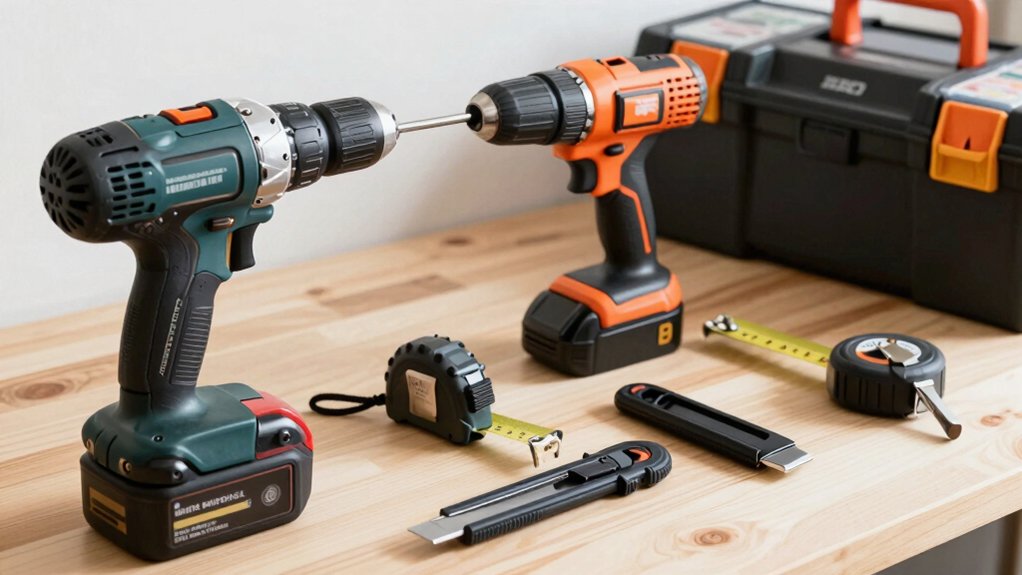
A best-seller in DIY tools isn’t just about price or popularity; it hinges on solving real, repeatable tasks for users. You measure a tool by its ability to deliver consistent outcomes, fast setup, and predictable results under pressure.
Focus on DIY safety integrated into design—guarding, grip texture, and balance—so you don’t trade power for risk. Evaluate tool ergonomics: comfortable handles, reduced vibration, and intuitive controls that keep your cadence steady and your form solid.
A top pick eliminates guesswork, offering reliable bits, accessories, and clear performance benchmarks. Don’t chase novelty alone; demand repeatable results, tested performance, and durability.
In the end, the best-seller earns your trust with measurable gains, practical durability, and the confidence that every task becomes simpler and safer.
Essential Power Tools for Every Project
From the best-seller criteria you just read, you know the right tools aren’t about bells and whistles—they’re about dependable performance across a range of tasks.
When you choose essential power tools, pick versatility first: a compact drill/driver for quick fixes, a cordless impact driver for fast assembly, and a circular saw for clean cuts on wood and plywood.
Add a multi-tool for odd jobs, a detail sander for finish work, and a reliable reciprocating saw for demolition.
Prioritize battery life, ergonomic grip, and safety features.
In garden landscaping, these tools accelerate setup and maintenance; in home decor, they deliver precise cuts and smooth finishes.
Invest once, suite up your kit, and you’ll tackle projects with confidence and power.
Precision Tools for Professional Results
Precision tools matter most when the margin for error is zero. You demand accuracy, repeatability, and decisive control.
Start with tool ergonomics: a balanced grip, tactile feedback, and thoughtful weight reduce fatigue and boost precision over long sessions.
Prioritize calibrated actions—stop, lock, re-check—to maintain consistent results rather than guessing.
In form and function, insist on tools designed for your grip, not just specs on paper.
Brand reputation matters because consistency over time beats flashy specs every time; trusted brands deliver durable tolerances, repeatable outcomes, and reliable calibration.
Pair with measurement aids and a clean workspace to minimize drift.
Choose smartly, test aggressively, and replace when accuracy wanes.
Your results should project control, confidence, and professional-grade finish.
Measuring and Marking Tools DIYers Trust
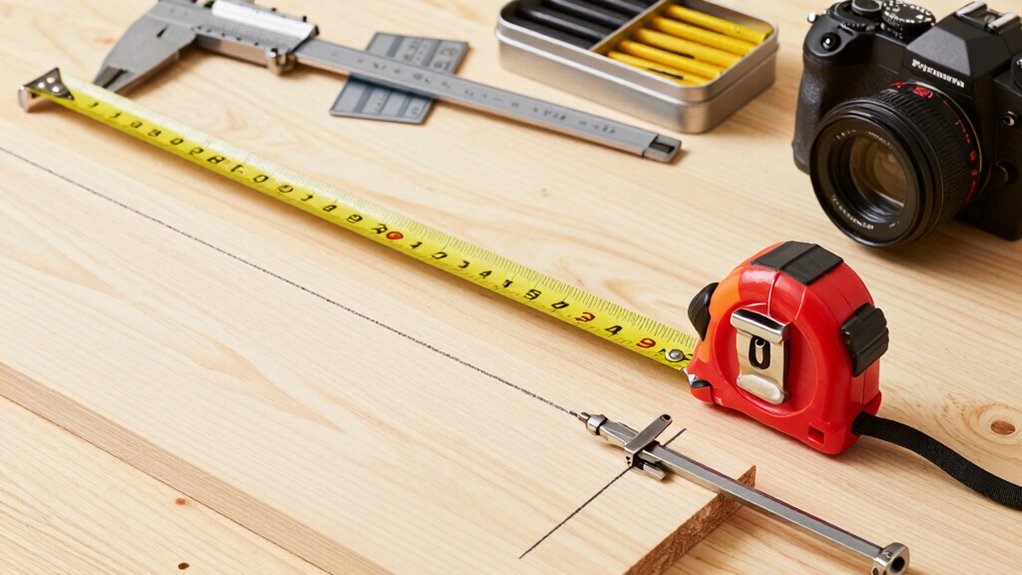
Measuring and marking tools DIYers trust start with a backbone of accuracy and repeatability: a reliable tape measure, a crisp utility knife, and quality marking gauges that bite without slipping. You demand tools that translate intentions into marks you can trust across projects.
Favor metric and imperial versatility, lockable rulers, and a blade that stays sharp through repeated scribing. Precision isn’t wasted on rough cuts; it speeds setup, reduces waste, and protects decorative finishes by guiding clean lines.
Prioritize ergonomic handles and tactile feedback—your hands should know when alignment is true. For sustainability, choose tools designed for eco friendly materials and durable construction so long-term projects stay consistent.
Pair gauges with layout aids, and commit to repeatable measurements for confident, professional results.
Cutting and Sharpening Tools for Clean Finishes
Cutting and sharpening tools shape the finish, so pick blades and stones that stay true under load and release cleanly. You want precision that feels effortless, not grinding resistance. Start with blade durability as a core criterion: steel that resists deformation and maintains edge with minimum effort.
For cutting, choose high-carbon or additively reinforced blades matched to your material; tune tension and alignment to keep straight cuts.
When it comes to sharpening techniques, establish a disciplined routine: consistent angle, even strokes, and a clean, uncluttered workspace. Hone edges with deliberate control, then test on a scrap to confirm smooth release.
Prioritize tools that deliver predictable feedback, reduce chatter, and finish cleanly in one pass. Your decisive approach yields faster results and sharper, pro-grade finishes.
Fastening Essentials: Saws, Drills, and Fasteners
Saws, drills, and fasteners are the backbone of quick, reliable assemblies; choose tools that balance grip, power, and control to keep tasks moving without rework. You want a drill that bites without stalling, a saw that cuts true, and fasteners that seat flush without stripping.
Prioritize power tool safety by selecting models with solid ergonomics, precise clutch settings, and led indicators for overheating. For fastener compatibility, match driver bits to screw heads and materials, and confirm shank types suit your fastener length.
In practice, opt for variable-speed drills for delicate pilot holes and tougher woods alike. Aim for a cohesive kit: reliable bits, appropriate anchors, and compatible screws. With thoughtful pairing, you boost speed, accuracy, and endurance across projects.
Safety Gear for Focused, Protected Work
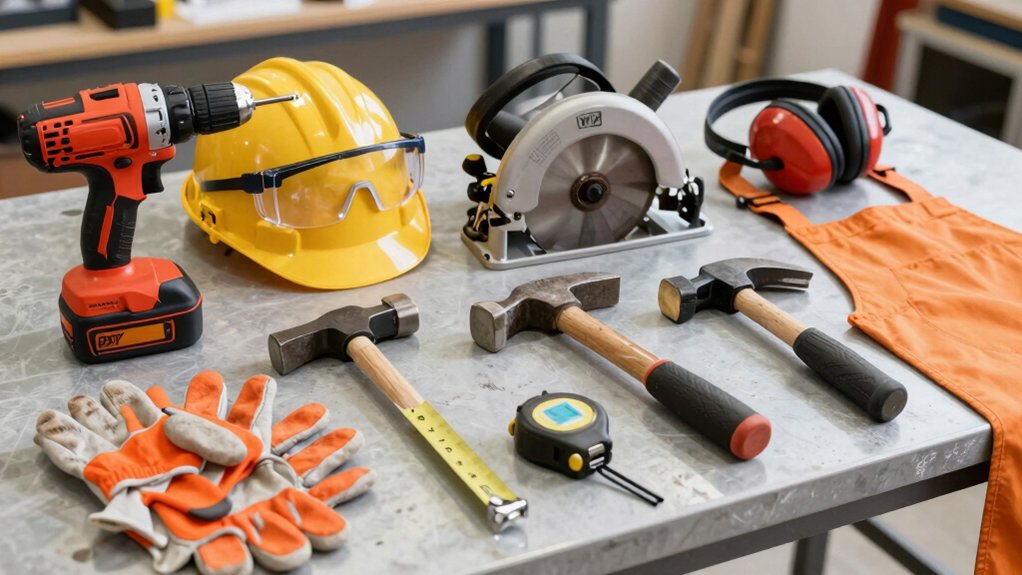
Eye and face protection, hearing safety essentials, and protective apparel choices aren’t optional extras—they’re the core of staying on-task without setbacks. You should choose impact-rated goggles or a face shield for debris.
Earmuffs or plugs should be used for loud tools, and apparel that fits snugly yet allows movement is essential. Prioritize comfort and fit so gear is worn consistently, not just when trouble seems imminent.
Eye and Face Protection
Eye and face protection sits at the nexus of safety and productivity, guarding against impact, splashes, and debris that can blind or injure you in seconds. You demand tools that perform, so choose gear that seals the deal.
Safety goggles deliver compact, trusted protection for fast-paced tasks, staying secure yet comfortable with anti-fog lenses and a snug seal. For higher-risk or splashing work, face shields add a breathable barrier while allowing quick turnover between steps.
Match protection to your environment: opt impact-rated goggles when grinding; pair shields with vented options to reduce heat buildup.
Maintenance matters—clean, store, and inspect weekly. Invest in properly fitted, ANSI-rated gear, and you keep momentum without compromise.
Hearing Safety Essentials
Hearing safety is the next logical focus after eye and face protection, because noise can quietly erode your effectiveness and long-term health. You’re not chasing perks you’re preserving performance; that means practical gear choices, not sentiment.
Start with strong ear protection that fits snugly and stays in place during vigorous work. Evaluate hearing protection that balances attenuation with situational awareness, so you don’t miss critical cues.
Earplug options should include foam for low-profile comfort and reusable silicone or custom-molded varieties for extended projects. Compare NRR ratings, comfort, and compatibility with helmets or eyewear.
Training matters: insert correctly, replace damaged devices, and clean regularly. Invest immediately in consistent use, because protection that isn’t worn isn’t protection at all.
Protective Apparel Choices
What separates good work from predictable setbacks? You stay protected by choosing armor that doesn’t slow you down. Start with fit and visibility: breathable protective clothing fabrics, streamlined seams, and high-visibility accents keep you safe without overheating.
For head, a snug, impact-rated brim or cap shields eyes and scalp; for eyes, ANSI-rated safety goggles block chips while preserving peripheral awareness.
Hands deserve reinforced gloves with tactile feel, so you don’t lose grip on the task.
Feet need steel-toe comfort and slip resistance for solid footing.
Sunscreen application matters when you’re outdoors, and UPF-rated shirts extend protection without bulk.
Finish with a compact apron for tool access.
Be decisive: prioritize protection that preserves speed, precision, and focus.
Organization Tools to Keep Your Workshop Tidy
Good organization isn’t optional in a busy workshop; it’s the difference between turning you loose on a project and wasting time hunting for tools. In this domain, storage solutions aren’t vanity—they’re speed, precision, and control. You’ll want wall-mounted bins within arm’s reach, labeled drawers that reveal what you need at a glance, and a magnetic strip for frequently used metals.
Implement compact, stackable containers to maximize vertical space without clutter. Embrace organizational hacks that reduce rummaging: a dedicated zone for fasteners, another for power cords, and a tool shadow board that confirms each item’s home. Keep a quick-reference tray for recurring tasks and schedule weekly tidy-ups.
With deliberate placement, you command flow, minimize downtime, and sustain momentum.
Budget-Friendly vs. Premium Tool Picks
You’ll weigh budget picks for solid core performance against premium tools that offer longevity and fewer compromises.
The value-driven choice hinges on how often you use them, with budget options covering basics and premium picks trading reliability and time-saving features.
Start with a clear plan: match your projects to tool quality, prioritize key capabilities, and reserve investment for the items that matter most to you.
Budget Picks Advantage
Budget picks offer real value when you’re building a functional toolkit on a tight budget, because the right inexpensive tool can perform reliably without draining your wallet. You’re aiming for efficiency, not excess, so prioritize cost effective solutions that don’t sacrifice core performance.
Compare build quality, vendor support, and replacement parts to ensure longevity alongside price. Favor budget conscious selections that cover essential tasks first—driving accuracy, grip comfort, and smooth operation matter more than flashy features.
When a costlier option promises only marginal gains, resist the lure and allocate funds toward actionable upgrades like sharp blades, solid bits, and dependable lubricants. Invest where impact is tangible, staying disciplined about value, not vanity, to sustain momentum on ambitious projects.
Premium Tool Tradeoffs
Premium tools aren’t always the answer, but they often deliver meaningful gains in speed, durability, and precision that budget picks can’t match. When you compare options, you’ll notice premium tools excel in power tool durability under heavy use, with components and motors designed for longer lifespans.
They also tend to maintain consistent performance, reducing plan changes and rework. Yet you trade some versatility and upfront cost for reliability and speed. If you’re tackling frequent, high-intensity jobs, trust the premium path for decisive throughput.
Consider brand reputation as a proxy for support, parts availability, and long-term serviceability. For most enthusiasts, mix a small set of premium core tools with broader budget performers to maximize power, efficiency, and resilience.
Value-Driven Choices
When choosing between budget-friendly and premium tool picks, prioritize the job at hand and total cost of ownership over sticker price. You deserve power, clarity, and lasting value, not gimmicks.
Start by mapping requirements: frequency, accuracy, and finish quality. Budget options excel at basic tasks, offering dependable performance without draining funds, but may compromise durability and resale value.
Premium picks deliver precision, faster results, and eco-friendly materials that last longer, reducing waste and replacement cycles.
Consider smart home integration for tools with app controls, firmware updates, and analytics that sharpen your workflow.
Balance needs with leverage: invest where impact is greatest, then pare back elsewhere.
Choose tools that align with serious workloads, maximize uptime, and empower decisive, repeatable outcomes.
Top-Selling Brand Names to Consider
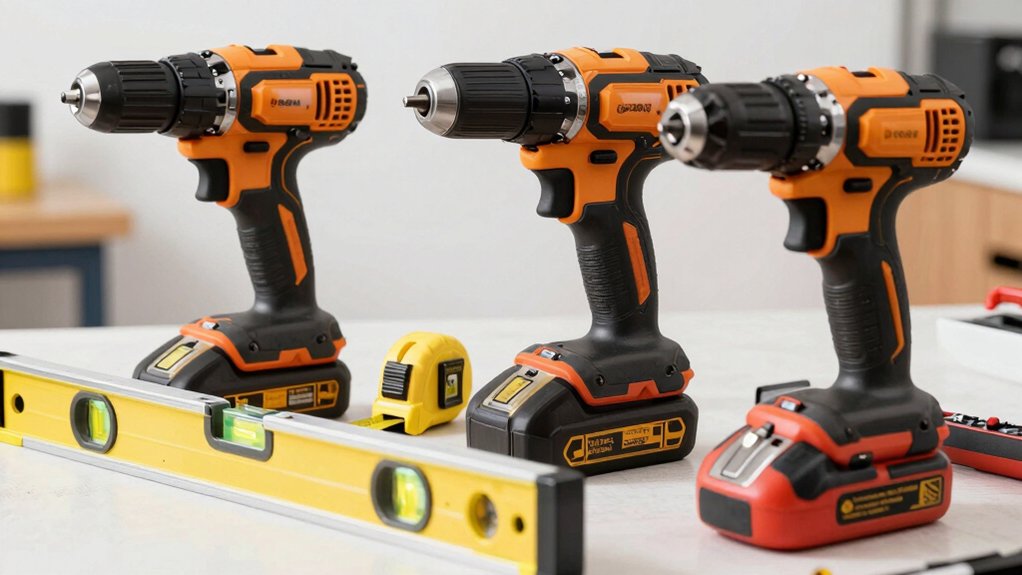
Top-selling brand names matter because they signal reliability, availability, and value when selecting tools for home improvement projects. You want certainty and speed, so focus on brands that consistently perform and back gear with solid warranties.
Power tool brands that deliver torque, endurance, and battery life earn your trust; hand tool manufacturers that balance steel quality with ergonomic design win repeat purchases.
In practice, prioritize brands with broad accessory ecosystems, reliable replacement parts, and transparent performance data. Favor proven performers over flashy newcomers, and don’t ignore aftercare, including service networks and easy returns.
Your goal is momentum: rapid setup, dependable cuts, and minimized downtime. Choose names you’ve seen in pros’ carts, because consistency compounds power and results.
How to Compare Tool Kits for Your Space
Start by prioritizing Tool Kit Essentials that match your projects and skill level, so you’re not wasting space or money on unnecessary bits.
Look for Space-Saving Choices like compact, modular sets with clearly labeled compartments and a slim footprint you can store in tight spots.
Balance versatility and quality, opting for a kit that stays organized and lets you expand easily as your DIY needs grow.
Tool Kit Essentials
Choosing the right tool kit starts with clarity about your space and tasks: don’t chase every gadget, focus on essentials that match the jobs you actually do. You want a lean core: a reliable drill, a compact impact driver, a versatile saw, a set of screwdrivers, tape measure, level, adjustable wrench, and pliers.
Prioritize power tool safety by selecting kits with clamps, eye protection, and proper guards, and ensure batteries and chargers are compatible across tools.
For hand tool maintenance, keep blades sharp, sockets clean, and handles secure.
Favor a modular case or bag that keeps gear accessible without clutter.
Avoid redundancy: skip multiple nearly identical drivers.
Evaluate warranties, battery life, weight, and balance; test comfort in hand, because control multiplies performance when you work fast and precisely.
Space-Saving Choices
When space is tight, the right tool kit isn’t bigger—it’s smarter, with modular design and compact storage that keep you efficient without clutter. You’ll judge kits by how quickly you access what you need, not by how many tools they cram in.
Prioritize compact storage and a multi purpose design that snaps into place, reduces redundancy, and travels light. Choose systems that balance weight, grip, and durability, so every move feels deliberate and powerful.
Favor built-in organizers, standardized bits, and easy reconfiguration for projects of any scale. In testing, compare kit weights, tray layouts, and grip comfort to ensure speed won’t sacrifice control.
Pick a kit that scales to your space, not the other way around.
- Modular compartments that reconfigure on demand
- Compact storage that tucks away without fuss
- Multi purpose design reduces tool count yet expands capability
- Durable, high-grip handles for confident use
- Quick-access layouts that slash search time
Maintenance Tips to Extend Tool Lifespan
Regular upkeep pays off: clean, oil, and inspect your tools after every job to prevent rust, wear, and performance drops. You’ll maximize tool lifespan by prioritizing preventive care over repair regret.
Start with rust-free freshness: wipe down, dry thoroughly, and apply a light coat of oil on blades and metal surfaces. Inspect for cracks, loose screws, and alignment issues; tighten or replace before use.
Create a quick routine: unplug, detach accessories, and test operation. Store tools in a dry, organized workspace, with blades sheathed and batteries charged but not overstressed.
Use appropriate lubricants, not generic sprays, and follow manufacturer guidance for torque and tension. These small, disciplined actions yield durable performance, sharper edges, and consistent power, delivering tool maintenance as a force multiplier for your tool lifespan.
Making Your First Major DIY Purchase With Confidence
Making your first major DIY purchase can feel intimidating, but a focused approach saves time and money: start with a clear project list, prioritize versatile tools, and set a reasonable budget that excludes impulse buys.
- Prioritize core, high-performance essentials that cover most tasks
- Choose proven brands with solid warranties and readily available parts
- Favor modular systems that scale with DIY project planning
- Invest in good storage solutions to keep tool storage organized
- Allocate a dedicated budget for safety gear and accessories
Smart buyers test tools in-store when possible, read reviews, and compare specs. Resist trendy extras that don’t align with your plan.
Track costs, retire unused pieces, and upgrade thoughtfully. Confidence comes from clarity: a lean, capable kit, paired with disciplined purchasing, powers momentum and results.
Conclusion
In a world of glossy options, reliability outlasts flair. You want tools that perform when you need precision, yet endure the daily grind. Cheap kits tempt with rapid returns, but fail in the long haul; invest in basics you trust and upgrade gradually. Juxtapose flashy brands with solid fundamentals—power, accuracy, comfort, maintenance. Start with essentials, tailor your selection, and compare like a pro. The best-sellers aren’t just popular; they’re practical partners for every project.