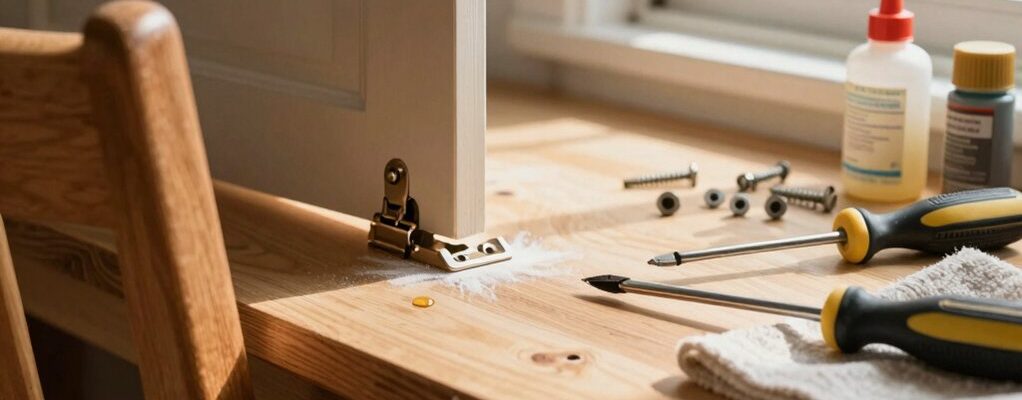
Squeaks, sticks, and rattles aren’t inevitable. In an afternoon, you can tackle most with simple moves: tighten loose hinges and track mounts, lubricate pins and joints with graphite or silicone, and reseat doors, drawers, and cabinets. Check floors for loose boards and add shims where needed. Dampen vibrations by adding felt pads and weatherstripping, plus recheck alignments after a few open–close cycles. Keep it up, and you’ll reduce disruptions—and there’s more you can do if you keep going.
Identify Common Home Noises: Squeaks, Sticks, and Rattles
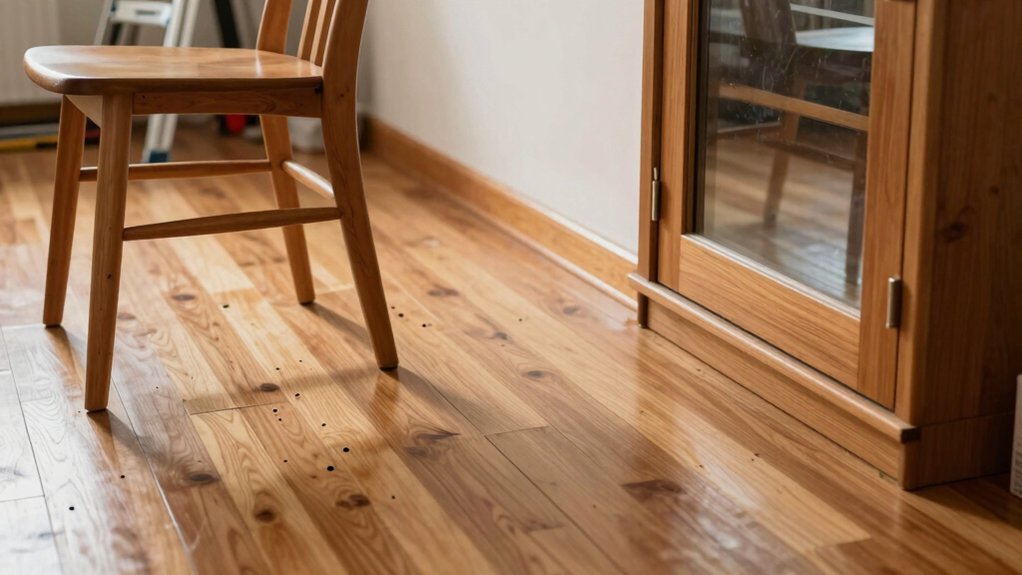
Common household noises can be signals of simple movement or budding issues. You’ll approach each sound with noise source identification in mind, then map it to a likely origin.
Squeaks often come from hinges, floorboards, or door frames rubbing as wood shifts. Stick noises typically stem from lopsided doors, loose cabinetry, or warped panels flexing with temperature changes. Rattles usually indicate loose hardware, pipes, or vents vibrating against framing.
For sound origin analysis, listen for timing, location, and pitch: creaks when you step, rattles after water taps, or squeaks near a cabinet as you open it. Mark the sound’s source briefly, then check obvious quick fixes first. If a noise persists, you’ll know exactly where to focus next without guessing.
Quick Diagnostic: 15-Minute Checks to Stop Noises
If you want quick results, run these 15-minute checks to stop noises before they become habits. First, scan common culprits like doors, drawers, and vents for loose hardware and lubricate or tighten as needed.
Next, quickly test windows and frames for drafts; reseal gaps with weatherstripping and verify that any latches engage fully.
Then assess storage areas: confirm that boxes aren’t rubbing against shelves or each other.
If sound persists, consider Home insulation improvements or temporary acoustic tweaks—like placing Soundproof curtains where drafts meet living spaces to dampen impact noise.
Finally, document findings and prioritize fixes by disruption level, so your home feels calmer and more connected to you. You belong here—quiet, confident, and in control.
Door and Floor Fixes: Lubrication and Tightening That Work
Door and floor noises usually come from loose hinges, rattling screws, or misaligned tracks. You can tame them with quick lubrication and precise tightening.
Begin by cleaning hinge pins and applying a graphite-based or silicone lubricant to each hinge joint, then reassemble and test the swing.
For squeaks where the hinge sits against the door frame, loosen screws slightly, apply a dab of lubricant, and re-tighten to seat without binding.
On floors, locate creaky boards and sprinkle a thin layer of lubricant where joints meet fasteners, or drive in new shims to restore levelness.
Tighten loose floor screws or nails around edges, then recheck connectivity.
With these door lubrication and floor tightening steps, the space feels solid and trustworthy again.
Stop Window and Cabinet Rattles: Damping and Secure Mounting
Window and cabinet rattles can be tamed quickly by damping the movement and securing mounting points. You’ll reduce noise by applying quieting measures that stop vibration at its source.
First, identify loose hinges, fasteners, and track mounts, then tighten or replace as needed. Add felt pads, weatherstripping, or silicone sticky pads to contact areas to dampen motion without binding.
For window rattles, install stops or sash cushions between the frame and sash, ensuring smooth travel with balanced tension.
Cabinet squeaks disappear when you reseat doors, lubricate hinges with a dry film or lithium grease, and snug any loose mounting screws. Recheck alignments after a test swing or open/close cycle.
These quick fixes restore calm and reinforce a sense of belonging in your space.
When to DIY vs. Call a Pro for Structural and Plumbing Noises
Know when to DIY versus calling a pro for structural or plumbing noises: assess safety risks, potential code violations, and the worst-case consequences if you guess. If you’re unsure about load-bearing elements, water leaks behind walls, or hidden pipe pressure, stop and get a professional involved.
You’ll save time and money in the long run by pairing careful diagnostics with expert intervention when the signs point to structural or plumbing issues.
DIY Or Pro For Noise
When it’s unclear whether a noise is a DIY fix or a job for a pro, start by evaluating the risk and scope. You’ll know you’re in DIY territory when the issue is accessible, noninvasive, and doesn’t threaten structure or plumbing.
If a fix feels simple, you can try quick confidence tests and common-sense steps. For door squeaks and floor creaks specifically, small adjustments or lubrication often do the job.
If you detect exposed pipes, shifting walls, or leaking water, pause and call a pro.
- Prioritize safety and noninvasiveness for door squeaks and floor creaks
- Weigh potential damage vs. cost; DIY saves time, not safety
- Seek professional help if uncertainty or risk rises
Structural And Plumbing Cautions
Structural and plumbing noises can signal serious issues, so know when to DIY and when to call a pro. You’ll want clarity before you act: small fasteners and loose trim aren’t the same as structural or pipe problems.
If you notice persistent banging, cracking, or creaking that worsens with temperature or heavy use, pause and assess.
Foundation issues can manifest as floor shifts, doors that don’t latch, or cracks widening over weeks. Don’t ignore sudden water sounds or damp spots—these indicate plumbing leaks that may escalate quickly.
For minor squeaks, lubricate accessible joints and secure loose components.
When in doubt, favor professional evaluation—accurate diagnosis saves time, money, and your home’s safety, and reinforces the sense of belonging within a trusted, competent community of homeowners.
Easy Prevention: 5 Habits to Keep Your Home Quiet
You can start quieting household noises by adopting five simple daily habits that reduce vibrations, squeaks, and creaks. These practices help you maintain a calmer environment and prevent common annoyances before they start.
Let’s explore how consistent routines support lasting silence, focusing on practical, actionable steps.
Quieting Household Noises
Quieting household noises starts with simple, proactive habits. You can cut racket before it starts by using clear routines and quick checks that reinforce a peaceful home. When you apply soundproofing techniques and choose noise reduction materials, you build lasting calm you can feel in every room. Keep doors and vents correctly sealed, and opt for soft, absorbent finishes where echoes linger.
You’ll notice tighter sound control, fewer surprises, and more time to enjoy quiet moments.
- Practice consistent door and window sealing for steady quiet
- Choose noise reduction materials in furniture and textiles
- Schedule regular inspection of trunks, gaps, and mechanical noises
This approach creates belonging through practical, proven steps you can trust.
Daily Habits For Silence
Daily habits form the backbone of a quieter home. You can prevent many noises before they start by a simple routine.
First, seal gaps with weatherstripping and door sweeps, reducing drafts and squeaks at the source.
Second, schedule regular checks for loose hinges, latches, and cabinet pulls, tightening as needed to avoid rattles.
Third, place soft materials under high-traffic furniture to minimize impact sounds.
Fourth, practice mindful entry and footstep control, choosing softer soles or carpeted paths.
Fifth, invest in soundproofing techniques and insulation improvements where feedback echoes most, coordinating with a room-by-room plan.
Together, these habits compound, creating lasting calm and a sense of belonging in your quiet, shared space.
Frequently Asked Questions
Can Noise Etiquette Reduce Household Squeaks and Rattles?
Yes, noise etiquette helps; you reduce noise pollution by coordinating quiet hours and respectful behavior. Use soundproofing techniques like sealing gaps, soft-closing doors, and rugs, so you feel belonging, calmer, and less disturbed in shared spaces.
Are Pets Influencing Home Noises More Than Humans?
Yes, pets influence home noise more than humans. About 60% of households report animal sounds as the primary daytime chatter, shaping routines. You’ll notice pet noise signals belonging, while you curb excess sounds with calm, consistent routines.
Do Seasonal Changes Affect Squeaks and Rattles Significantly?
Seasonal changes do affect squeaks and rattles; you’ll hear seasonal expansion and temperature fluctuation. You notice it more when humidity shifts, so you adjust now, sealing joints and lubricating hinges to feel secure and belonging.
Can Furniture Layout Worsen or Lessen Noises?
Research shows 60% of noise reduces with proper layout. You can improve comfort by strategic furniture arrangement and simple soundproofing techniques, aligning pieces to absorb vibrations and create space, so you feel you belong in a quieter, calmer home.
Are Silent Fixes Possible Without Tools or Screws?
Yes, you can achieve silent solutions with tool free fixes. You’ll tighten joints, reposition items, and apply non-slip pads, quietly restoring comfort. Trust these tool free fixes to reduce noise while you feel connected and supported at home.