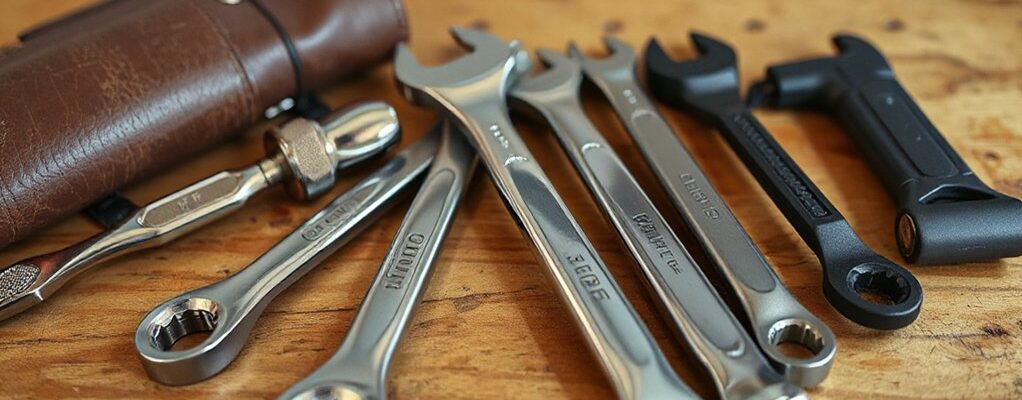
The most popular gearwrenches for home improvement blend compact, ergonomic design with reliable gearing to maintain torque across a wide range of fasteners. Look for ratcheting sets that excel in tight spaces and standard wrenches for high-torque tasks, plus metric-focused options for modern hardware. Prioritize core kits with shallow and deep sockets, solid grip ergonomics, and durable finishes. Choose tool lines with proven wear resistance and easy organization. If you keep exploring, you’ll uncover practical buying criteria and a starter toolkit plan.
Key Takeaways
- Ratcheting metric gearwrenches excel in tight spaces, speeding repeated torque without sacrificing control.
- Standard gearwrenches handle high-torque tasks and fixed-angle work when space isn’t as tight.
- Core metric kits with shallow and deep sockets maximize versatility for common fasteners.
- Compact heads, smooth torque, and ergonomic grips reduce hand fatigue in long jobs.
- Organized sets with clear labeling and durable finishes maximize durability and quick size selection.
Why Gearwrenches Matter in Home Projects
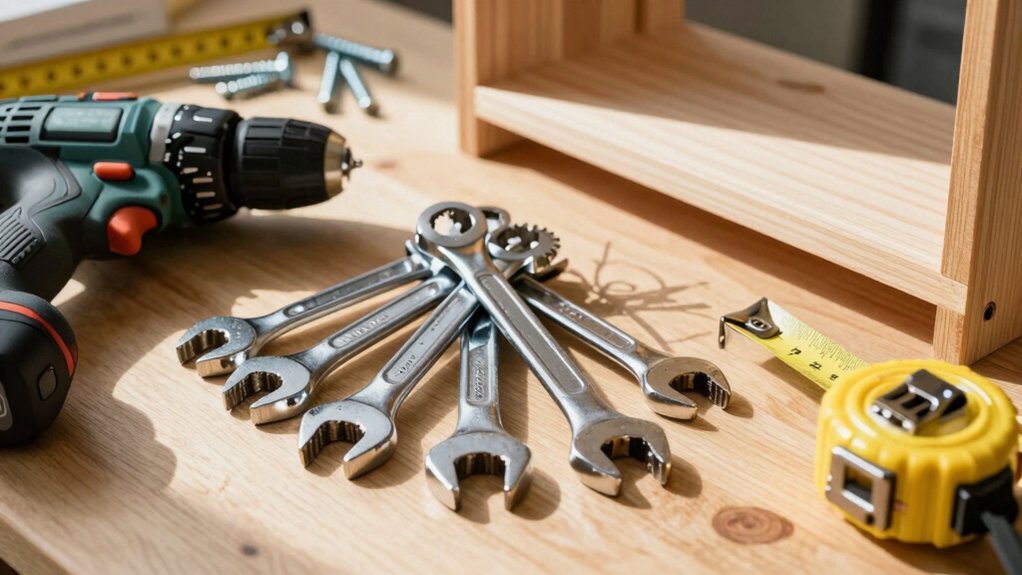
Gearwrenches matter in home projects because they speed up fastener work without sacrificing torque accuracy. You feel the advantage as you approach tight spots where leverage and control collide, and you’ll notice consistent clamping with less hand fatigue.
The design centers on wrench ergonomics, aligning your wrist and forearm to reduce strain during extended sessions. A smart grip profile distributes pressure across the palm, preventing hot spots that steal your precision.
Tool grip matters because it translates torque into tangible progress, letting you maintain high efficiency without sacrificing reliability. In tight spaces, gear mechanisms multiply your effort, delivering steady retraction and precise alignment.
When you demand power, these wrenches deliver, with repeatable performance you can trust project after project.
Ratcheting vs. Standard Wrenches: When to Use Which
Ratcheting wrenches excel when you need quick, repeated torque in tight spots, while standard wrenches shine for solitary, high-torque iterations or access where ratcheting isn’t feasible. You deploy ratcheting leverage to reduce hand fatigue over long runs and to maintain continuous motion in constrained spaces.
Standard wrenches excel when you require maximum torque with a fixed angle or when fastener access is limited to non-ratcheting geometry. Consider wrench ergonomics: ratchets that fit your hand size and stroke reduce strain, boosting control under load.
Gearwrench aesthetics matter too, guiding your choice toward forged, smooth-operating mechanisms that feel precise in high-stakes tasks. In practice, mix methods: quick adjustments with ratchets, then torque-critical passes with solid standard wrenches for total workflow efficiency.
How to Choose Metric Gearwrench Sets for Beginners
When you’re starting with metric GearWrench sets, focus on the basics: the included metric ranges, ratcheting mechanism, and build quality to guarantee consistent torque.
For beginners, prioritize a core kit that covers common fasteners and a few specialty sockets to handle typical projects, then add on as you gain experience.
This groundwork sets the stage for selecting beginner-friendly picks that balance versatility with durability.
Metric Set Basics
Choosing the right metric GearWrench set starts with understanding your typical fastener sizes and the drive size you’ll use most. You’ll select a core metric spread that covers common hex, torx, and bolt patterns without overcommitting.
Prioritize a balanced mix of 6- and 12-point sockets, plus shallow and deep depths for access in tight bays. Assess ratchet quality, ensuring fine-tooth engagement for precision control and minimal slippage. Consider metric chain lengths that match your projects, from motorcycles to cabinetry, to minimize swapping.
Wrench ergonomics matter: comfortable handles reduce fatigue during long sessions and improve torque throughput. Don’t neglect gearwrench storage; a robust case or rack keeps the set organized and readily deployable, preserving accuracy and readiness between jobs.
Beginner Gearwrench Picks
If you’re starting out, pick a metric GearWrench set that covers the most common fasteners you’ll encounter, with a balanced mix of 6- and 12-point sockets and a comfortable ratchet handle for daily use.
In Beginner picks, prioritize wrench ergonomics: a compact head, smooth torque, and a grip that minimizes fatigue during extended sessions.
Aim for a set that includes both shallow and deep sockets to handle clearance issues without swapping tools.
Consider a reversible ratchet with a sturdy, easily accessible switch and a positive click.
Guarantee the case or tray supports organized wrench storage solutions so you don’t waste cycles searching.
A focused starter kit accelerates mastery, reduces tool churn, and keeps your work cadence aggressive and precise.
SAE vs Metric: Matching Wrenches to Tasks
Understanding which wrench set to use depends on whether the fasteners you tackle are SAE or metric; choosing wisely saves time and prevents damage.
You’ll maximize efficiency by pairing the right set with the job, avoiding cross-reading mistakes and tool damage. Knowing when to switch between SAE and metric keeps projects flowing and your torque control precise.
You’ll also consider screwdriver compatibility for fasteners where driving bits differ, ensuring consistent engagement. Wrench storage solutions matter too: keep sets organized so you grab the correct size without fumbling.
- Match fastener standards to task demands
- Pre-check torque specs and fastener type
- Maintain clear labeling for quick selection
- Integrate screwdriver compatibility and storage discipline
Compact Gearwrench Sets for Tight Spaces: What to Look For
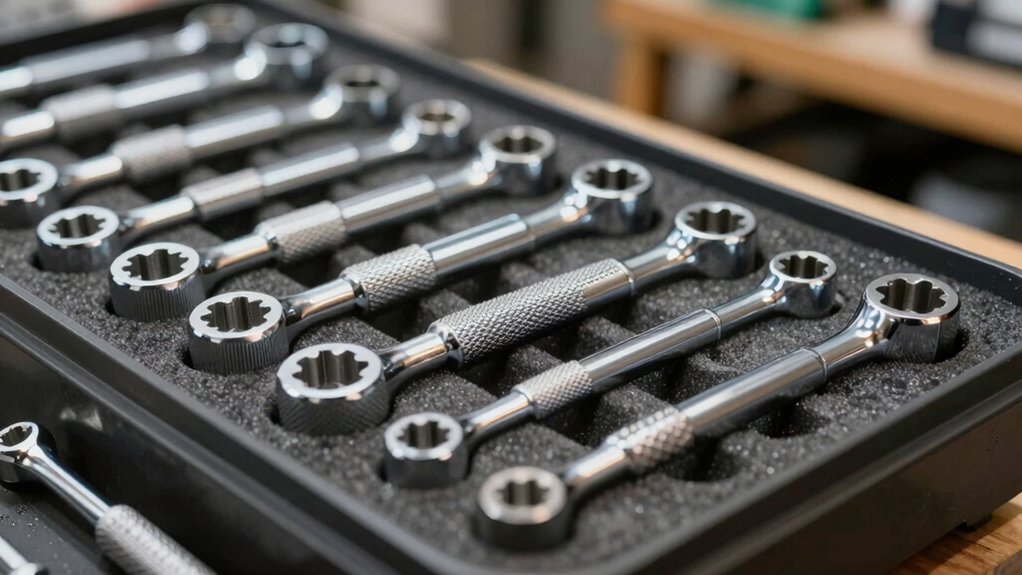
When you’re working in confined areas, the right Gearwrench set can save minutes and prevent damage. In tight spaces, look for compact head profiles and thin-ripped profiles that maintain torque without crowding neighboring fasteners.
Prioritize an exhaustive size range in a single set, plus a slim tray or roll that supports space-saving storage without bulk. An ergonomic handle design matters: knurled or rubberized grips reduce slippage under high torque and improve control on awkward fasteners.
Pay attention to offset ratios and flex-head options that reach recessed bolts without repositioning your body. Material quality should blend alloy strength with finish durability for repeated tool contact.
Build a focused kit that minimizes extra tools while maximizing reach, leverage, and precision.
Chrome, Satin, and Oxide Finishes: Durability in a Home Shop
Chrome finishes stay sharp longer under use, while satin and oxide provide different wear profiles that matter for daily tasks.
You’ll want to compare chrome longevity in use with how satin and oxide resist abrasion and corrosion over time.
This sets up a practical discussion on durability trade-offs for a home shop.
Chrome Longevity In Use
Chrome, satin, and oxide finishes each present different durability profiles in a home shop, and choosing among them hinges on how you’ll use tools daily.
Chrome longevity in use hinges on resisting chrome corrosion while you leverage high-torque tasks and frequent cleaning. You’ll maximize life with disciplined finish maintenance, including wipe-downs after exposure to sweat, oil, or water-based cleaners.
Expect chrome to patina under grit unless you keep rust from forming and corners sealed.
- Inspect regularly for pitting or coating thinning; address immediately.
- Clean with non-abrasive, pH-neutral solutions to avoid micro-scratch buildup.
- Dry thoroughly after use to prevent moisture-assisted corrosion.
- Apply a light protective film or wax to preserve sheen and ease future maintenance.
Satin vs Oxide Durability
Satin finishes strike a balance between corrosion resistance and everyday wear, while oxide finishes trade a bit more protection for a smoother, less reflective surface.
You’re evaluating durability in a practical shop context, so focus on real-world performance, not gloss. A satin finish offers decent rust resistance and scuffs tolerance, making it reliable for frequent handling and tool trays. Its subtle sheen reduces visibility of micro-abrasions, which helps maintain a professional look over time.
Flex-Head and Pivot Wrenches: Improving Access in Tight Spots
Flex-head and pivot wrenches are essential when space is tight, because their adjustable heads let you reach fasteners that straight wrenches can’t. You’ll gain superior pivot flexibility, letting angles lock into cramped corners without stripping or rounding fasteners.
The design reduces handle clearance demands while preserving torque transfer, so you can break stubborn bolts in confined access zones. Use them to navigate exhaust studs, brake lines, or cabinet hardware where conventional wrenches fail.
Their versatility translates to fewer tool swaps and faster workflow, empowering you to tackle complex jobs with confidence.
- Enhanced reach in narrow bays
- Precise alignment for stubborn fasteners
- Reduced need for pipe extensions
- Quick adaptation to awkward angles and lines
Torque Ranges and Sizing: Selecting Values You Actually Need
You’ll want to start by matching torque ranges to the task at hand, avoiding overkill or under-torque.
Consider common fastener sizes and material hardness to pick a practical window that minimizes slips and thread damage.
Ideal Torque Ranges
Choosing the right torque ranges is essential to prevent both under- and over-tightening fasteners, which can compromise joint integrity or damage components. You’ll optimize performance by targeting practical ranges that align with fastener size, material, and duty.
Precision matters, so you’ll balance torque with control, avoiding slips and tool fatigue. Consider ergonomic design and material quality when selecting gearwrenches that hold their settings under load and over time.
Translating ranges into actionable settings keeps your work repeatable and fearless.
- 5–10 Nm for small fasteners on sheet metal and electronics
- 20–40 Nm for medium automotive and appliance hardware
- 50–80 Nm for machinery mounting and structural bolts
- 90–150 Nm for heavy equipment assemblies and chassis bolts
Sizing For Tasks
Sizing for tasks means mapping the job’s fastener size, material, and duty to a practical torque window you can trust. You’ll translate real-world demands into a precise range, avoiding overkill or under-torquing.
Begin by evaluating fastener class and thread engagement, then pair it with your tool’s nominal torque capacity to establish a usable spread. Focus on the torque bands that fit your application, not every possible value, to prevent tool fatigue and fastener damage.
This approach sharpens wrench ergonomics, letting you apply consistent force with confidence. Remember, well-chosen torque ranges streamline workflow, minimize rework, and extend gear lifespan.
Plan your gear storage around accessibility and efficiency—gearwrench storage should keep the prime torque window readily reachable. A disciplined sizing habit elevates performance without sacrificing control.
Ergonomics That Reduce Fatigue on Long Projects
To minimize fatigue on long projects, prioritize ergonomic tools and techniques that support natural hand positions, stable stances, and efficient grip patterns.
1) Choose gearwrenches with ergonomic handles that place the wrist in a neutral alignment, maximizing control while minimizing strain, fatigue reduction, and slip risk.
2) Opt for balanced weight distribution and rounded contours that fit your grip, reducing forearm torque during extended sessions.
3) Embrace adaptive grip strategies—pinch and full-hand grips—paired with wrists aligned to the fastener axis for sustained force without contention.
4) Integrate tool rest positions and body mechanics that keep you upright, hips engaged, and shoulders relaxed, enhancing leverage without overreach or fatigue.
Budget-Friendly Gearwrenches That Deliver Value
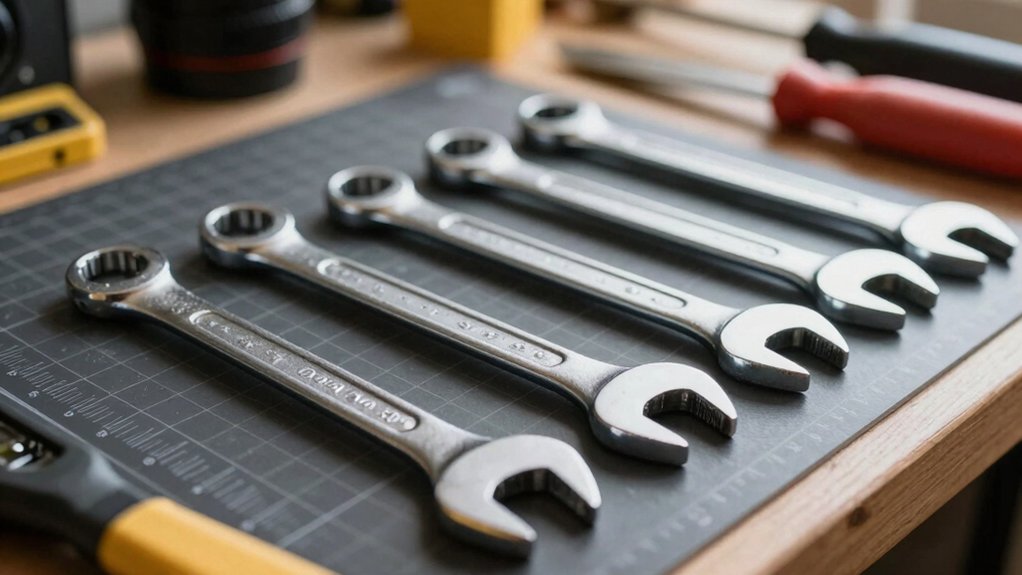
When budgeting gearwrenches, you don’t have to sacrifice quality for a lower price. You’ll find economical options that still meet precision tolerances and durability benchmarks, delivering reliable torque and grip under demanding tasks.
Look for metric and SAE ranges that cover your project spectrum, and prioritize models with heat-treated steel, hardened tips, and chrome finishes that resist corrosion. Value packs can maximize savings, bundling essential sizes with common drive heads to reduce reorder intervals and tool fatigue.
Seek compact profiles for tight spaces, coupled with reversible ratchets or quick-release mechanisms for efficiency. Don’t overlook warranty and after-sales support, which protect you against initial flaws.
In essence, smart budget picks balance material integrity, ergonomic considerations, and long-term performance without overrunning your budget.
Mid-Range Gearwrench Sets for Versatile Use
Mid-range Gearwrench sets strike a balance between versatility and value, offering enough diversity to tackle a broad spectrum of tasks without maxing out the price tag. You’ll gain practical reach, precision, and rapid adaptability for common projects, while staying lean enough to upgrade later without regret.
Focus on bite-sized versatility that feeling you control torque, access, and speed across most fasteners, with ergonomic handles that sustain grip under pressure and reduce fatigue. Storage solutions become integral, as compact sets store neatly in a tray or drawer organizer, enabling quick access on every job.
The right mid-range kit pairs core wrenches with specialty extensions and swivels for tight spaces, without unnecessary redundancy.
- Durable ratchets with smooth action
- Ergonomic handles for fatigue resistance
- Compact, organized storage solutions
- Versatile extensions and swivels for tight spots
Premium Gearwrench Options for Heavy Use and Longevity
Premium gearwrenches built for heavy use prioritize premium build quality, ensuring components withstand repeated torque and impact without deformation. You’ll notice longevity and durability sustained through high-grade materials, precise finishes, and robust locking mechanisms that resist wear.
This prompts a discussion on how heavy-duty performance translates to real-world reliability and maintenance intervals.
Premium Build Quality
If you need gear that stands up to heavy use, prioritize builds with hardened alloys, precise finishes, and torque-tolerant designs. You’ll feel the difference in control and repeatable accuracy, especially under high-stress cycles, where ergonomic handles cut fatigue and corrosion resistance preserves surface integrity.
This premium tier translates to tangible performance gains in fast, clean work.
1) Hardened alloy bodies with tight tolerances
2) Precision finishes that resist wear and slip
3) Torque-tolerant designs for consistent clamping
4) Ergonomic handles integrated with anti-fatigue geometry and improved grip
These elements converge to deliver power you can trust, enabling you to tackle demanding tasks without compromise. Choose tools that maintain reliability, maintainability, and peak performance through professional-grade builds.
Longevity and Durability
Longevity and durability in premium Gearwrench options are defined by materials and construction that resist wear under heavy cycles. You demand tools that maintain precision after repeated torque, leverage, and misalignment challenges. High-grade chrome-moron steel or alloy blends paired with hardened ratchet teeth reduce metal fatigue, ensuring consistent engagement and minimized backlash.
Treatments like DLC or oxide coatings improve surface hardness and corrosion resistance, extending life in harsh work environments. Precision heat treatment, laser-etched marks, and robust anvil interfaces minimize creep under load, preserving accuracy across hundreds of uses.
The best premium wrenches balance fatigue resistance with spring-back retention, so you feel confident under sustained torque. In short, expect a toolkit that endures, resists corrosion, and stays accurate when the job demands relentless performance.
Heavy-Duty Performance
Heavy-Duty Performance demands gear that maintains accuracy under demanding cycles of torque, leverage, and misalignment. You push limits, so premium gearwrenches must resist deformation while preserving precise engagement. Look for ergonomic grip and proven material strength to sustain high repetitions without fatigue.
Each selection should minimize slop, boosting your control during sustained sessions.
- Deep-relexed alloy bodies with tight tolerances for consistent torque transfer
- Textured ergonomic grip designed to reduce hand strain under heavy loads
- Heat-treated jaws and hardened steel to resist wear and maintain accuracy
- Precision-machined cam mechanisms that endure repetitive cycles without play
Choose tools engineered for endurance, where material strength and tactile feedback combine to deliver predictable performance in tough environments.
Care and Maintenance to Extend Gearwrench Life
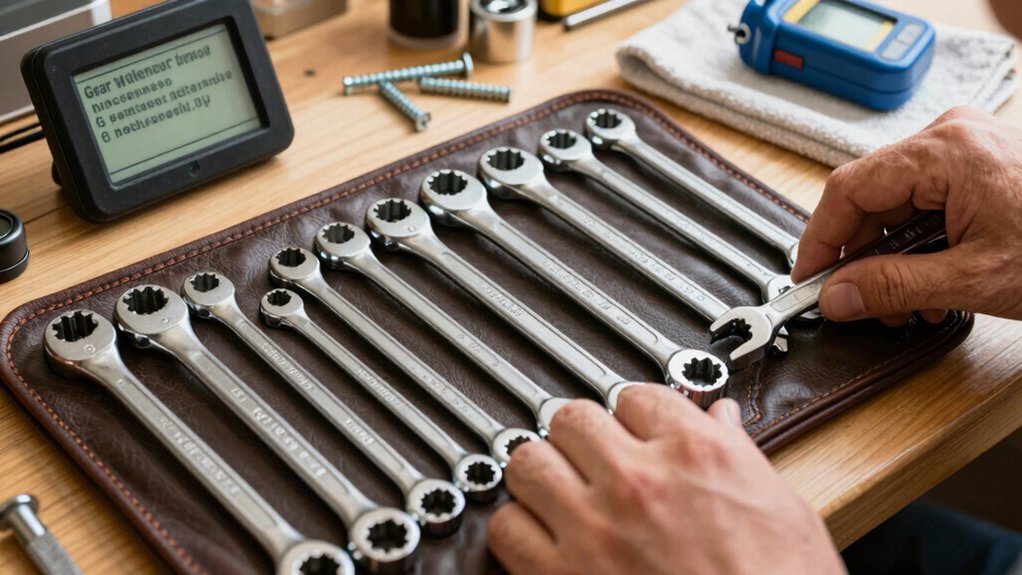
To extend a GearWrench’s life, establish a simple routine of inspection, cleaning, and lubrication after each use. You’ll scan for play, rust, or damaged teeth, then wipe away chips with a clean rag.
Prioritize wrench maintenance by checking the pivot pins and ratchet gear for smooth engagement. Cleanliness matters: a dust-free surface reduces grit intrusion that accelerates wear.
For tool lubrication, apply a light, gear-specific oil to the ratchet mechanism and pivot points; avoid over-lubing, which can attract debris. Periodically loosen and reseat the head to confirm secure fit, then lubricate again.
Store in a dry, organized roll or case to prevent exposure to humidity. Adhering to these practices keeps torque transfer precise, prolonging service life and preserving peak performance for demanding tasks.
How to Evaluate a Gearwrench Set: A Practical Buying Checklist
When evaluating a GearWrench set, start with the basics: what sizes, configurations, and drive styles you actually need for your work, then verify build quality and compatibility across the lineup. You want a cohesive kit that delivers consistent torque, repeatability, and durability under load, not a grab-bag of mismatched tools.
Focus on how ergonomics influence daily use and long sessions, and ensure the set integrates with solid wrench storage for fast access.
1) Confirm drive size options align with your most frequent fasteners and accessories.
2) Assess ratchets and flex-head configurations for reach, clearance, and ergonomics during extended work.
3) Check material quality, finish, and warranty scope to protect your investment.
4) Plan for organized storage that minimizes slip and maximizes torque transfer efficiency.
Popular Gearwrench Brands Homeowners Trust
GearWrench has earned homeowner trust by delivering reliable, access-friendly tools that balance performance with value. When you evaluate brands, you consider durability, leverage, and consistency in real-world tasks. Top names emphasize wrench material that resists wear under multi-geometry use, plus precision manufacturing for accurate fits across fasteners.
You’ll notice handle comfort that reduces fatigue during extended sessions, with ergonomic contours and anti-slip grips that maintain control without grip loss. Trusted brands optimize the swapability of components, offering standardized rails of sizes and profiles that integrate into your toolkit seamlessly.
Quick-Start Guide: Assembling a Starter Toolkit With the Right Gearwrenches
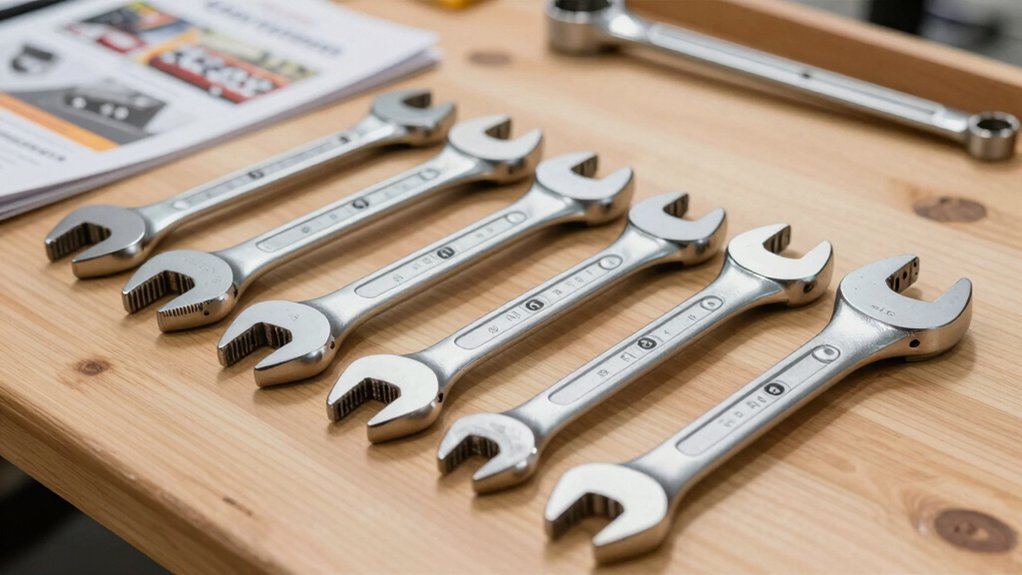
Starting a starter toolkit with the right GearWrench lineup sets the foundation for efficient, repeatable progress on DIY projects. You’ll optimize grip, torque, and reach, delivering scalable performance from day one.
- Select core adjustable, combo, and stubby wrenches to cover common fasteners fast, then expand to specialty bits only as needed.
- Prioritize tool storage that keeps frequencies of use accessible, minimizes clutter, and protects calibration references.
- Calibrate torque and fit by testing against known standards; document results for repeatable accuracy across sessions.
- Establish a compact, portable case with labeled categories, so you always know where to grab the right tool fast.
Conclusion
You’ve got the essentials now, but the real work begins when a stubborn fastener meets your chosen gearwrench. Picture the quiet click of a ratchet, the glide of a smooth handle, and the instant confidence of a correct fit. Will you grab SAE or metric first, or start with a compact set for tight spaces? The right choice isn’t obvious until you test it under pressure. Stay curious, assemble thoughtfully, and let each turn reveal your project’s hidden possibilities.