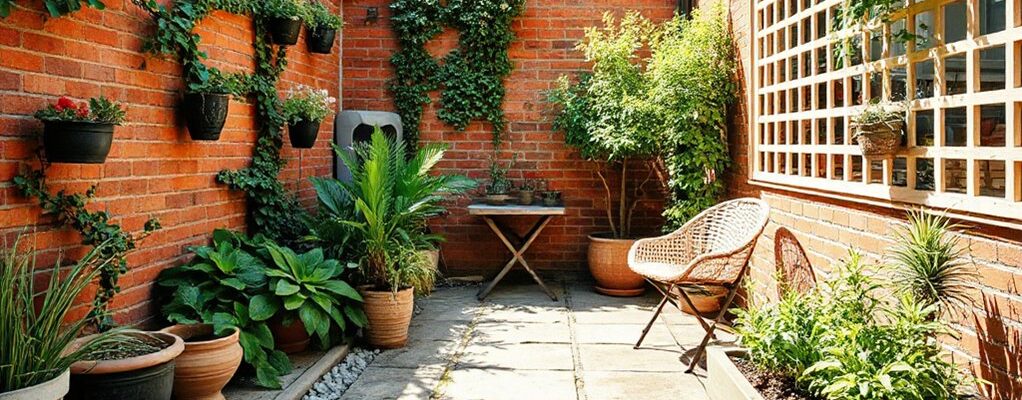
You want a terrace that feels bigger without expanding it. Start by evaluating light, wind, and constraints, then layer design with verticals, surfaces, and planting boxes. Plan compact dining, lounging, and growing zones on a single footprint, using trellises and modular panels to free floor space. Low-maintenance plant palettes and smart lighting keep it inviting year-round, while budget-minded upgrades deliver a premium feel—and the results hinge on how you sequence these moves. Let’s map your first step.
Assess Your Terraced Space: Light, Wind, and Constraints
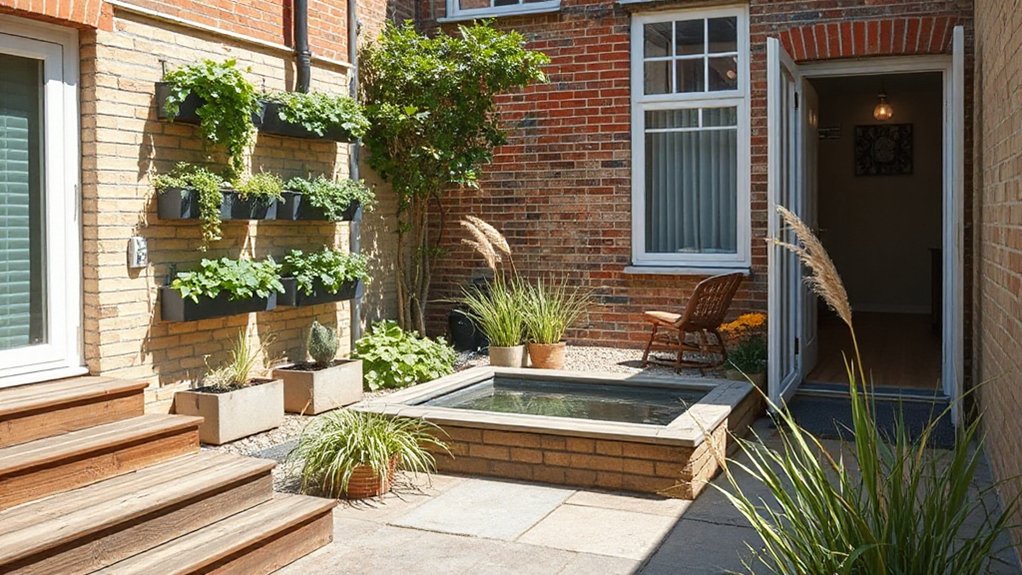
Assess your terraced space by mapping the light, wind, and site constraints that will shape your design. You’ll evaluate sun exposure across elevations, noting how long each area stays bright or shaded.
Identify wind corridors created by neighboring buildings and fences, then plan safety measures and comfort zones.
Record existing soils, drainage patterns, and moisture pockets, as these affect plant choices and container placement.
Consider steps, railings, and usable landing sizes, ensuring access remains practical and compliant.
Prioritize sun exposure and wind protection where you’ll place seating, herb beds, or display shelves.
Map views, noise sources, and privacy needs to determine buffer strategies.
Use the findings to guide material selection, maintenance plans, and future expansion, keeping your goals realistic and scalable.
Design It in Layers: Vertical, Surfaces, and Planting Boxes
You’ll maximize your terraced space by layering: vertical structures, smart surface treatments, and compact planting boxes. Start with a clear plan for each layer—verticals that respect sightlines, durable surfaces that handle weather, and boxes sized for your chosen plants.
This approach keeps circulation easy, maintenance manageable, and growth visually cohesive across the height of your garden.
Vertical Layering Ideas
Vertical layering breaks a small footprint into usable zones by stacking elements from ground to roof. You design with intent, using vertical planes to gain depth without widening footprint.
Start at eye level: install slim trellises for climbers that also screen views. Above, mount modular planting panels or hanging planters to create seasonal color without crowding sidewalks.
Choose compact, drought-tolerant species to reduce maintenance and water use. Integrate a narrow, tiered herb wall near the kitchen for quick harvests.
For structure, choose lightweight timber or powder-coated metal that resists weathering and supports heavy pots.
Container gardening works in tight spaces, maximizing sun exposure with staggered placements.
Finally, tailor plant choices to attract wildlife, fostering a dynamic, low-footprint garden. Wildlife attraction, low maintenance, high impact.
Surface and Box Planting
Surface and box planting adds tangible layers to your terraced design, letting you work with ground-level mass and raised beds without expanding footprints. You’ll balance soil volume with compact planters, choosing sizes that suit each terrace zone. Use durable, lightweight boxes with good drainage and a uniform edging rhythm to keep sightlines clean.
Fill boxes with a well-draining mix and add slow-release fertilizer for steady nourishment. Implement soil enhancement by layering compost with topsoil to boost structure and microbial life, especially in shallow boxes.
Plant for year-round interest: edging herbs, compact perennials, and seasonal pops in vertical pockets. This approach supports garden aesthetics and low maintenance while maximizing usable space and accessibility in tight spaces.
Create Zones on a Single Footprint: Dining, Lounging, and Growing
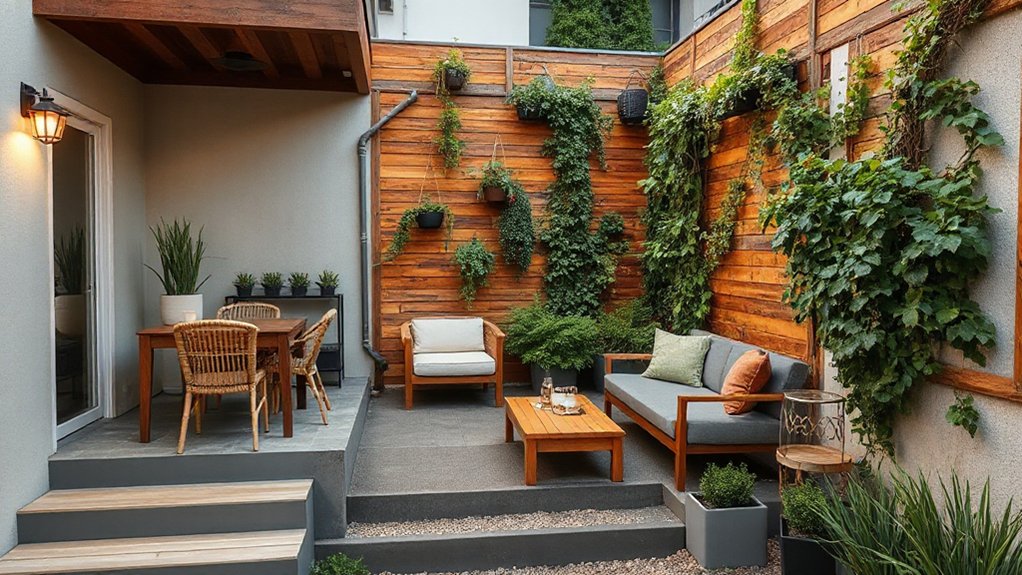
To make the most of a single footprint, divide the terrace into three clear zones—dining, lounging, and growing—so each function has its own space without crowding the area.
Start with a compact dining area using Garden furniture that folds or stacks for flexibility. Place it adjacent to a sheltered wall for weather protection and easy access to light.
The lounging zone should feature a single, weatherproof seat or couch with a slim coffee table to maximize circulation.
For growing, use vertical Plant containers on walls or railing planters to keep floor space open.
Choose cohesive materials and a calm color palette to unify zones.
Maintain sightlines by keeping plants at mid-height, avoiding clutter and ensuring effortless navigation.
Vertical Planting Ideas That Free Up Floor Space
You’ll discover simple vertical planting tricks that repurpose walls and fences, freeing precious floor space. Wall-based gardening solutions let you grow herbs, greens, and flowers without cluttering the patio.
Let’s compare planters, trellises, and vertical systems to find fast, practical gains for terraced homes.
Vertical Planting Tricks
Vertical planting can dramatically expand usable space in terraced homes by drawing greenery upward instead of outward. You’ll maximize small areas with a few proven tricks.
Use vertical planters, modular wall units, and trellises to grow herbs, trailing annuals, or compact edibles without crowding patios. Choose lightweight, weatherproof containers and fill with high-quality potting mix to guarantee robust root systems.
Install a simple irrigation line for consistent moisture and reduced maintenance. Elevate key plants onto rails or shelves at varying heights to create a layered, lush effect while keeping pathways clear.
For wildlife attraction, integrate nectar-rich perennials and pollinator-friendly ornamentals in containers. Rotate plantings seasonally to maintain visual interest and prevent stagnation, then surplus harvests become easy, organized gifts or culinary additions.
Wall-Based Gardening Solutions
Wall-based gardening solutions let you maximize greenery without sacrificing floor space. You’ll harness vertical planes to grow herbs, greens, and blooms without crowding patios. Begin with robust wall fixtures that hold moisture-resistant planters and load-bearing shelves; choose options rated for outdoor use and easy drainage.
Use planting containers sized for your sun exposure and wind conditions, placing heavier pots lower and lighter ones higher to maintain balance. Install modular systems that snap together for scalable layouts, and leave quick-access paths for maintenance.
Consider trellis panels for climbers and trailing varieties, or pocket gardens for compact herds of herbs. Label zones by light and water needs, and implement drip irrigation to minimize waste.
Regularly inspect fittings and seals to prevent leaks and extend shelf life.
Low-Maintenance Plant Palettes for Year-Round Color
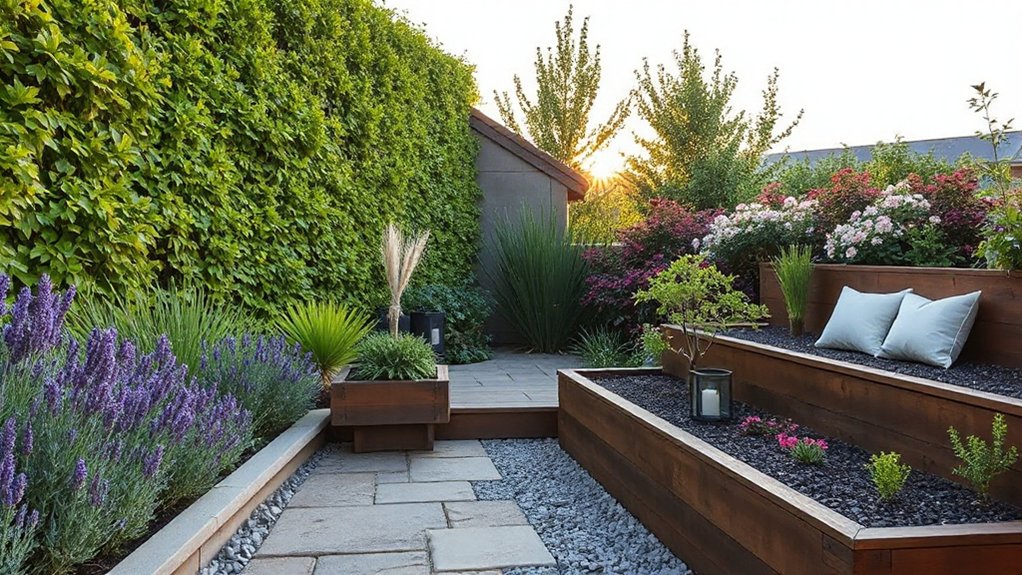
To keep terraced gardens vibrant year-round with minimal upkeep, choose plant palettes that combine sturdy perennials, reliable evergreens, and smart seasonal color. You’ll emphasize low-maintenance textures and compact forms that withstand wind and sun exposure on narrow steps.
Pick a core of drought-tolerant perennials for late spring through fall, then layer with evergreen groundcovers to sustain color in winter. Use plants with complementary bloom times to reduce gaps, and select cultivars that stay compact in containers.
Integrate Succulent arrangements for architectural interest and reduced irrigation, plus Aromatic herbs near seating for easy access and scent. Group plants by hydration needs to simplify watering, and mulch to conserve moisture.
Maintain with light pruning, timely deadheading, and an annual soil refresh to keep color year-round without heavy labor.
Budget-Smart Upgrades That Feel Premium
Budget-smart upgrades can elevate terraced gardens to a premium feel without breaking the bank. You focus on selective investments that yield high impact.
Start with durable garden furniture that folds or stacks, prioritizing modular pieces you can rearrange for different layouts and occasions. Choose neutral tones with a single accent color to create cohesion without clutter.
Replace costly landscaping with container trellises, vertical planters, and compact evergreen perennials that require minimal care.
Improve perceived value through symmetry, clean lines, and thoughtful spacing, avoiding overcrowding.
For pest control, opt for proactive, low-toxicity solutions like integrated pest management, beneficial insects, and physical barriers rather than heavy pesticides.
Maintain surfaces regularly; small, well-kept touches read as premium and extend usability throughout the season.
Small-Space Lighting and Irrigation for Ambiance and Care
Small spaces benefit from lighting and irrigation that work in harmony with your layout and upkeep routine. For ambiance and plant health, choose solar powered lighting where possible to avoid wiring and maintenance errors.
Opt low-profile fixtures along steps, edges, and shelves to create depth without crowding space. Use warm, diffused color to soften evenings and deter glare on nearby neighbors.
Pair lighting with a simple irrigation plan: drip irrigation delivers water directly to roots, reducing evaporation and runoff. Schedule brief, frequent cycles to accommodate containers and narrow beds.
Implement a timer or smart controller to adapt to seasonal changes, ensuring consistent moisture. Keep hoses and cables tidy, stored off paths, and label valves for quick adjustments.
This approach balances aesthetics with practical care.
Real-World Terraced Layouts You Can Adapt
Real-world terraced layouts maximize vertical space without clutter, and you can adapt them to your own yard by focusing on clear zones, stepped planting beds, and accessible pathways.
Start with a simple, repeatable rhythm: a ground-level entertaining area, a mid-level planting band, and a high-view focal point.
Use compact, drought-tolerant perennials to reduce maintenance while sustaining color across seasons.
Choose solid, low-profile materials for edges to maintain sightlines and safety on slopes.
Terraced garden aesthetics benefit from repetition of shapes and textures to unify the space.
For privacy, blend screens with taller grasses or shrubs that soften lines without blocking light.
Consider outdoor privacy solutions that don’t feel fortress-like, like lattice with climbers or staggered screens behind planters for a natural screen.
Keep circulation obvious and accessible.
Frequently Asked Questions
How Can I Maximize Privacy Without Blocking Light on a Terrace?
You can maximize privacy without blocking light by using privacy screens that rise above seating and outdoor curtains to soften edges; place them strategically, guarantee ventilated gaps, and choose light fabrics to maintain brightness while you enjoy seclusion.
What Are the Best Compact Plants for Shaded Terraced Spaces?
“Small is powerful,” you’ll discover, when choosing compact, shaded-friendly options. For Indoor plants and Low light greenery, select cast-iron plants, pothos, ZZs, philodendrons, and peace lilies. They thrive in low light and stay compact for terraces.
Which Furniture Materials Withstand Wind and Rain on Terraces?
You should choose metal, teak, and recycled plastic options, as they resist wind and rain well. Outdoor durability and material longevity matter most; guarantee powder-coated finishes and resin cores, plus good hardware, to keep furniture stable and long-lasting on terraces.
How Do I Create Year-Round Color With Minimal Maintenance?
Year-round color is doable with seasonal planting and precise color coordination, you’ll create a curb-appeal wow with minimal effort. You’ll rotate blooms, group tones, and mulch smartly, delivering vibrant, low-maintenance impact that lasts through all seasons.
Can I Install a DIY Irrigation System for Uneven Terraces?
Yes, you can: DIY watering is feasible with uneven terraces when you plan careful layout and components. Focus on irrigation installation that tolerates slope, use drip lines, emitters, and pressure regulators, then test, tweak, and winterize for reliability.
Conclusion
To wrap it up, you can transform tiny terraces into thriving retreats: maximize verticals, optimize zones, and blend textures. Build layers with vertical planters, surfaces, and planting boxes; carve dining, lounging, and growing into one footprint; install modular, low-maintenance palettes for color year-round. Use smart lighting and simple irrigation for ambiance and care. Prioritize privacy, circulation, and cohesive finishes. Implement budget-smart upgrades that feel premium, then adapt real-world layouts you can actually live with.