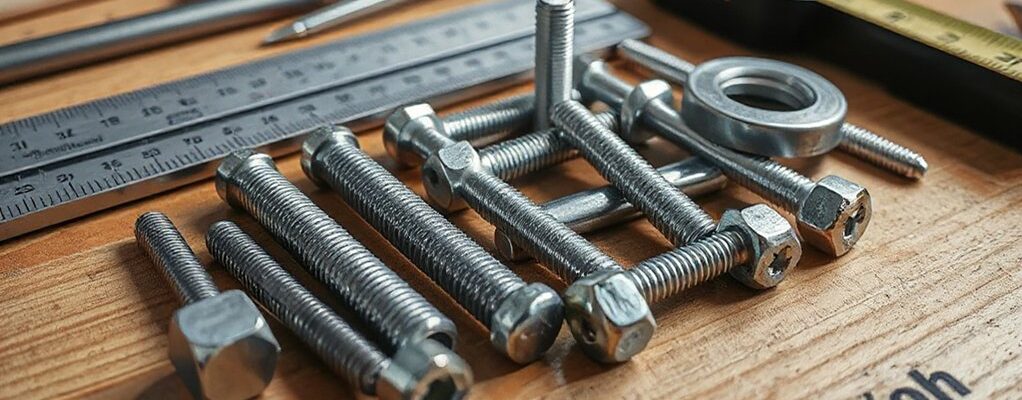
You’ll rely on lag bolts for heavy framing, carriage bolts for flush, wood-to-wood joints, and deck or structural screws for quick, secure connections in most home projects. For outdoor use, choose stainless steel or coated options to resist corrosion; indoor, go with corrosion-resistant finishes. Match diameter, length, and thread to the material, and tighten in a center-out sequence with proper pilot holes. If you want more detail, you’ll uncover practical sizing, tools, and best practices next.
Key Takeaways
- Wood-to-wood and wood-to-metal connections commonly use lag bolts for strength in framing and heavy fixtures.
- Carriage bolts are popular for exposed, flush-mounted wood joints and decorative or reinforced applications.
- Common fasteners include stainless steel or galvanized screws and bolts to resist corrosion in indoor and outdoor projects.
- Coarse-thread bolts and screws are favored for easier driving and good holding in wood, with proper pilot holes.
- Metric and SAE bolts with matching nuts, washers, and coatings are selected based on load, environment, and material compatibility.
Choose the Right Bolt: A DIY Guide to Fastener Essentials
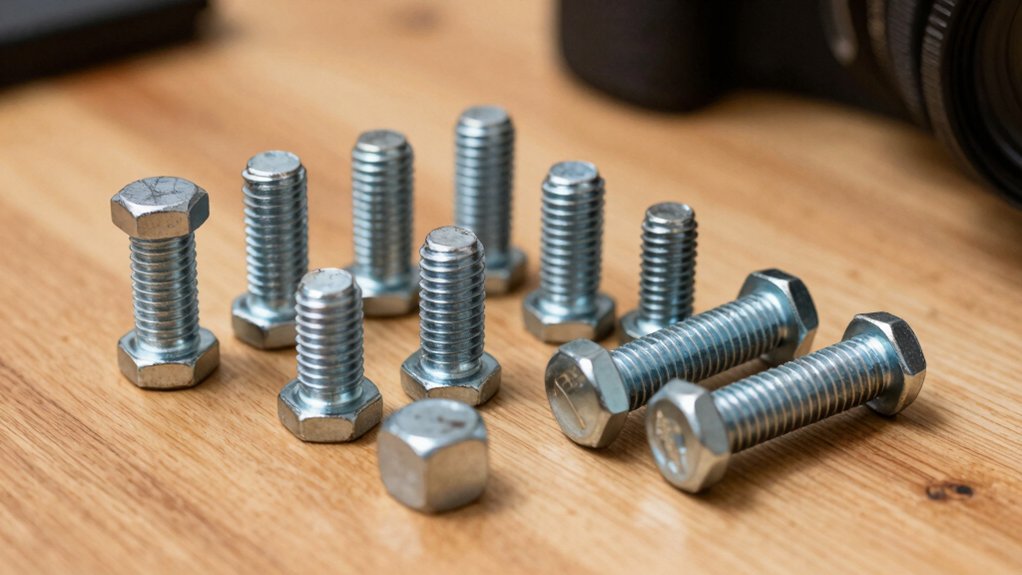
Choosing the right bolt starts with understanding load, environment, and material. You evaluate the anticipated force, shear, and tension, then match it to a fastener type that sustains these demands.
You’ll prioritize fastener types with known performance curves, minimum creep, and reliable torque-tension behavior. Consider thread engagement length, head style, and shank diameter to optimize load transfer without strip or failure.
You assess material compatibility between bolt, nut, and substrate to prevent galvanic corrosion and cold-welding risks. You demand consistency from standard grades and coatings, recognizing that surface treatments alter both strength and longevity.
You balance ease of installation with retention needs, ensuring your choice remains secure under vibration and environmental exposure.
Precision selection accelerates durability, reduces rework, and delivers authoritative, repeatable results.
Decide by Material and Environment: Wood, Metal, and Outdoor Use
When selecting fasteners, you weigh wood fastening options against load, grain, and moisture conditions to guarantee secure joints.
Outdoor use demands corrosion-resistant materials and sealing methods, while indoor wood needs appropriate lumber compatibility and tension control.
For metal and composite assemblies, environment-driven factors like temperature, exposure, and maintenance cycles guide material and coating choices.
Wood Fastening Choices
Wood fasteners must match the wood type and environment to guarantee secure joints and long life. You choose fasteners by species, grain direction, and load path, ensuring predictable performance.
For softwoods, use larger-diameter fasteners with better withdrawal resistance; for hardwoods, pick refined thread geometry and adequate penetration.
In interior framing, select corrosion-resistant coatings or stainless options to minimize streaking and failure.
Consider bolt head types that resist cam-out under high torque, such as hex or Torx profiles, for supreme drive control.
For moisture exposure, apply fastener coatings designed to endure humid cycles without steel creep.
Maintain pilot holes to prevent splitting while achieving precise clamping.
Align shear and pullout capacity with applied load, and document compatibility with existing hardware to sustain long-term reliability.
Outdoor Environment Factors
Outdoor environments expose fasteners to moisture, temperature fluctuations, and corrosive elements that influence material choice and coating strategy. You assess wood, metal, and outdoor use by environment, selecting fasteners that resist rot, corrosion, and ultraviolet degradation.
For wood applications, choose stainless steel or coated carbon steel with high-grade sealant, ensuring withdrawal resistance and long-term stability in garden design installations. Metal substrates demand galvanization or stainless solutions to withstand galvanic corrosion when exposed to dew and irrigation cycles.
In outdoor use, apply assemblies rated for weather exposure, factoring humidity, wind, and load paths from trellises, decks, and pergolas. For outdoor lighting, secure fixtures with corrosion-resistant bolts and appropriate threads to avoid loosening.
Precision in material and coating decisions protects performance, aesthetics, and safety across landscape upgrades.
Lag Bolts vs. Carriage Bolts: When to Use Each
Lag bolts and carriage bolts serve distinct fastening needs: use lag bolts for high-shear, through-structure connections in wood, and carriage bolts for exposed, flush-mounted joints where a smooth head matters.
Consider load paths, embedding depth, and whether you need a finished appearance or a through-bolt with a nut.
We’ll compare specific use cases and installation cues to guide your choice between these two fastener types.
When To Use Lag Bolts
When you’re securing heavy framework into structural wood, you should choose lag bolts to achieve high withdrawal and shear strength. You’ll use lag bolts when wood fibers must bear substantial loads without pulling through, or when joining heavy framing to studs, joists, or green concrete with proper anchors.
Confirm fastener compatibility with existing hardware and substrate, selecting appropriate diameter and length for the load path. Use threaded dowel-like engagement to resist dynamic forces, maintaining tight clamping without loosening over time.
Be mindful of bolt corrosion in damp environments; select coated or stainless options for exterior or moisture-prone projects. Pre-drill correctly to avoid splitting and to reduce insertion torque. Avoid over-tightening that can strip threads or damage wood.
When To Use Carriage Bolts
Carriage bolts serve a different purpose than lag bolts, making them the better choice when you need a clean, flush-headed fastener for wood-to-wood connections in exposed or non-structural joints.
You use them where the nut can bear the load and the smooth, domed head remains invisible yet functional. For this role, consider bolt head types that resist snagging and provide a neat finish.
Carriage bolts rely on square shoulders under the head to prevent turning during tightening, so you’ll value precise alignment and a snug fit in wood.
Threading standards matter too: use coarse threads for softwood and appropriate engagement in hardwoods.
Reserve carriage bolts for decorative or reinforced fixtures where appearance and flushness outperform pure sheer strength.
Deck Screws vs. Structural Screws: Which to Use and Why
Deck screws and structural screws serve different roles in deck construction, so choosing between them hinges on load demands, material, and installation method. You’ll prioritize bolt strength and shear capacity when resisting dynamic loads, while selecting fastener corrosion resistance for outdoors.
Deck screws excel in rapid assembly into softwoods or composite boards, offering strong pullout resistance but limited lateral shear in thick framing.
Structural screws deliver higher shear capacity, superior edge distance tolerance, and better performance in hard or dense lumber, enabling fewer fasteners overall.
Use deck screws for deck boards and light framing where quick, precision-driven runs matter. Choose structural screws for critical connections—beam-to-post, joist-to-ledger, or where continuous load paths demand robust fasteners.
Evaluate installation method, material hardness, and environmental exposure to confirm durability.
Stainless Steel vs. Coated Bolts: Durability in Different Climates
Stainless steel bolts offer superior corrosion resistance across most climates, but coatings can extend durability where exposure is extreme or aggressive. You’ll evaluate performance by real-world factors: atmosphere, moisture, chemical exposure, and thermal cycling.
Stainless steel delivers consistent corrosion resistance, reducing maintenance and failure risk in coastal, industrial, or humid environments, where salt, acids, or pollutants accelerate deterioration. Coated bolts, including zinc, epoxy, and ceramic variants, provide a protective barrier that blocks moisture ingress, addressing climate impact when base metal exposure would otherwise trigger rapid degradation.
However, coatings can wear, chip, or delaminate under abrasion or temperature swings, compromising protection. Choose based on expected exposure severity, service life requirements, and maintenance capabilities, weighing lifecycle costs against upfront material and labor.
How to Pick Bolt Sizes: Diameter, Length, and Thread Type
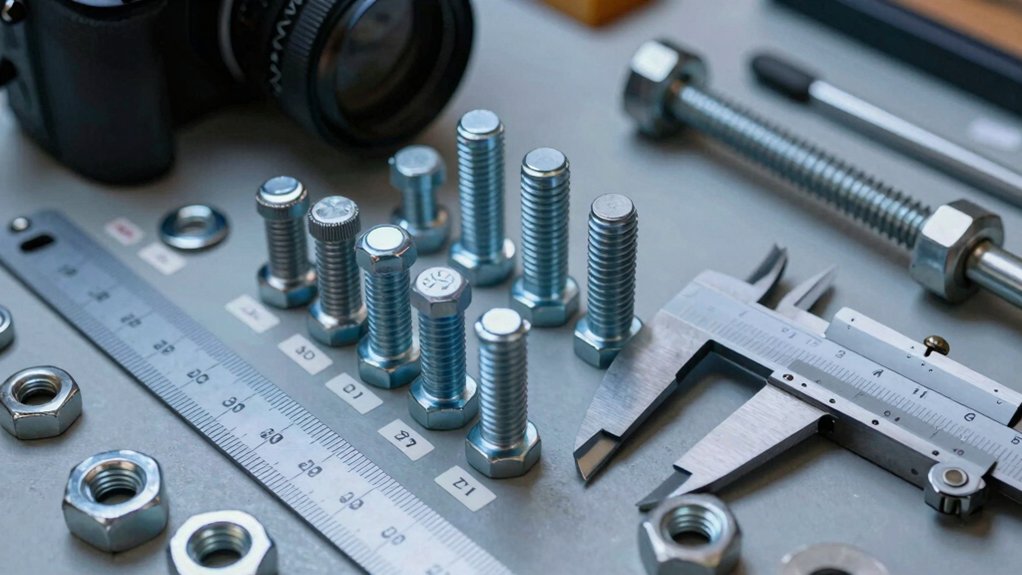
When selecting bolts for a project, you’ll size by diameter, length, and thread type to guarantee proper engagement, strength, and compatibility with nuts, washers, and components.
Begin with bolt dimensions: match diameter to the threaded hole or nut shaft, and confirm the grip depth aligns with load requirements. Choose length to ensure full thread engagement without bottoming or protruding excessively.
Thread type matters: coarse for quick assembly and resistance to dirt; fine for higher tension and precise adjustment. Verify thread pitch and compatibility with corresponding nuts and tapped holes.
Consider engagement rules: at least 1.5 to 2 times the bolt diameter in bolt-to-surface depth for shear and pullout resistance.
Always validate thread compatibility across matched components to prevent fatigue and loosening.
Fastening Materials: Compatibility With Wood, Metal, and Composites
Selecting fastening materials that suit wood, metal, and composites is essential for reliable joints and longevity. You must evaluate fastening compatibility and material considerations to prevent failures and corrosion. The right choice governs load transfer, pull-out resistance, and service life.
- Wood: use fasteners with corrosion resistance compatible with moisture exposure, and match hole clearance to avoid crushing fibers.
- Metal: select hardware with compatible coatings (zinc, stainless) and thread profiles that resist galling and fatigue under dynamic loads.
- Composites: opt for inserts or self‑tapping options designed for filler or fiber-reinforced matrices to minimize stress concentrations.
Tools and Installation Tips for Fasteners
Choosing the right tools and proper technique guarantees fasteners seat correctly and perform under load. You’ll select drivers and bits that match head style and drive size to avoid cam-out, then use calibrated torque to achieve consistent clamping.
For subsets like lag or carriage bolts, predrill to the correct pilot, check grain orientation, and maintain alignment with the mating surface.
Use a thread-engaged approach: start by threading by hand, then advance with controlled force to prevent cross-threading.
Apply anti-seize or lubricant only where specified to optimize assembly and ease disassembly later.
Monitor corrosion resistance by pairing coatings with environment: stainless steel for outdoors, coated variants for interior use.
Ensure surface prep removes corrosion triggers and debris, then verify seating with even load distribution and no gaps.
Common Mistakes With Lag and Carriage Bolts: and How to Avoid Them
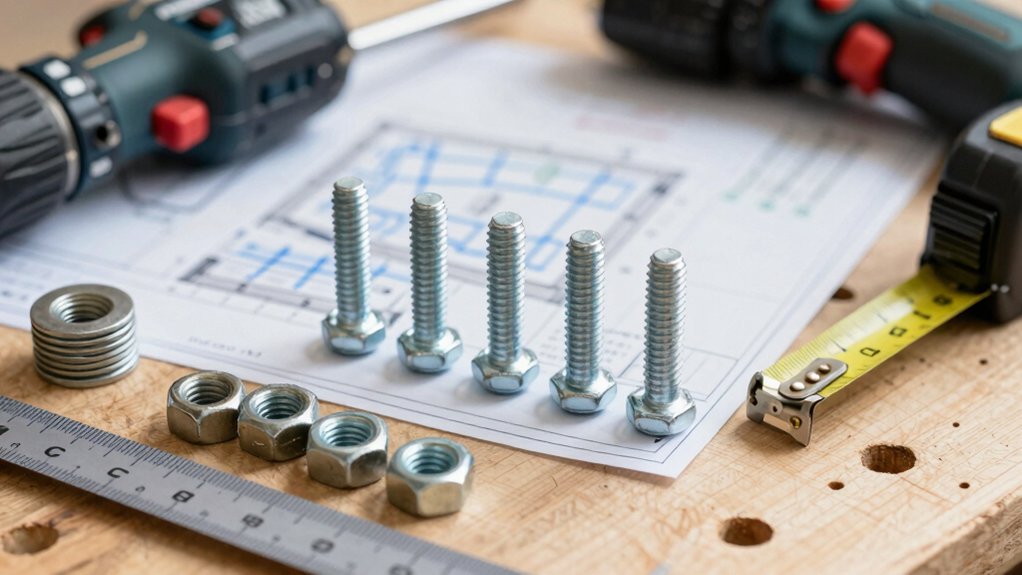
Common mistakes with lag and carriage bolts often stem from inadequate pilot holes, mismatched thread engagement, and improper tightening sequences. You’ll avoid costly failures by tightening to specified torque and observing thread engagement limits. Be mindful of bolt installation practices that prevent loosening under load and resist fastener corrosion.
- Verify pilot holes and alignment before insertion to ensure full thread contact and even load distribution.
- Match bolt diameter, length, and thread pitch to the material you’re joining, and use suitable washers to prevent embedment failure and corrosion.
- Sequence tightening from the center outward, recheck torque after initial set, and apply anti-seize or proper coating to reduce galling and seizure.
Adopt these steps to maximize strength, reduce slip, and maintain bolt integrity under dynamic loads.
Conclusion
In short, pick the right bolt for the job, and your project won’t drift into chaos. Think of fasteners as the skeletal framework—the stability that keeps everything vertical and true. Match material to environment, gauge for load, and thread type for ease of insertion. Use stainless for corrosion-prone stays; coated options for budget builds. Check fit, predrill, and torque to spec. When done, your handiwork stands firm, precise, and ready for decades of use.