
When you get a home survey, you’ll want to separate major safety and structural issues from cosmetic fixes, gather clear evidence—photos, quotes, and expert notes—and decide which repairs to request and how to frame them. Keep your tone professional, propose realistic timelines, and consider credits or escrow as options. Communicate carefully with the seller or agent to avoid derailing the deal, and document every agreement in writing so you’re protected if issues resurface. The next steps are essential for shaping a solid path forward.
What Buyers Learn From a Home Survey
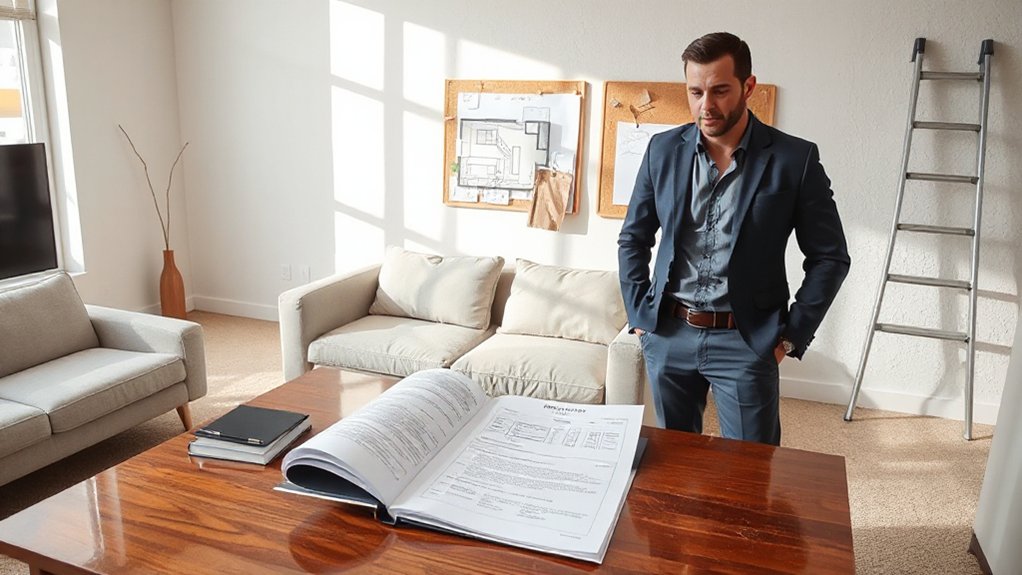
A home survey reveals the condition of a property and highlights issues that affect value and safety. You learn what a professional home inspection covers, including visible defects and potential risks. You’ll see how findings relate to structural integrity, and where deterioration might threaten long‑term stability.
The report focuses on measurable factors, such as framing conditions, foundation signs, and moisture indicators, rather than impressions. You’ll identify items that could require remedies, elevations, or more evaluation by specialists.
The survey helps you gauge repair urgency, cost implications, and whether issues influence negotiation positions. You’ll also understand limits of the report, recognizing that some problems require further testing or expert opinions.
Distinguishing Major Defects From Cosmetic Issues
You’ll learn to separate major defects from cosmetic issues by evaluating safety, structural impact, and long-term costs.
Prioritize repair urgency by focusing first on items that affect habitability, stability, or code compliance.
This distinction guides your bargaining strategy and helps avoid chasing minor fixes that don’t affect value or risk.
Major vs Cosmetic
How do you tell a major defect from a cosmetic issue when evaluating a home survey? You classify items by impact on safety, structure, function, and long-term costs. Major defects threaten habitability or value and typically require immediate action; examples include foundation cracks, major water intrusion, or compromised load-bearing elements.
Cosmetic issues affect appearance or finish with minimal or no effect on structure or safety, such as paint imperfections or cosmetic surface cracks.
In a home inspection, document both types with objective evidence, measurements, and photos. When forming repair estimates, separate remediation tasks by priority, cost, and required trades.
Use this distinction to guide negotiations, avoiding overreactions to minor flaws while not underestimating essential repairs. Maintain clear, professional rationale for any requested adjustments.
Prioritize Repair Urgency
When prioritizing repair urgency, start by separating defects by impact on safety and habitability from cosmetic issues. In a home inspection, categorize issues by risk level and required immediate action versus those that can wait with monitoring.
Major defects—structural damage, compromised utilities, or safety hazards—demand prompt repair negotiation and, if needed, temporary mitigations to prevent further harm. Moderate items should be scheduled with realistic timelines, balancing cost, disruption, and compliance.
Cosmetic or minor defects, while significant, typically don’t affect occupancy or safety and can be deferred. Document findings clearly, supporting negotiation leverage without exaggeration.
Prioritize fixes that protect occupants and value, and communicate your plan concisely to your seller or contractor to avoid disputes. This approach strengthens your repair negotiation strategy.
Collecting Evidence: Photos, Quotes, and Reports
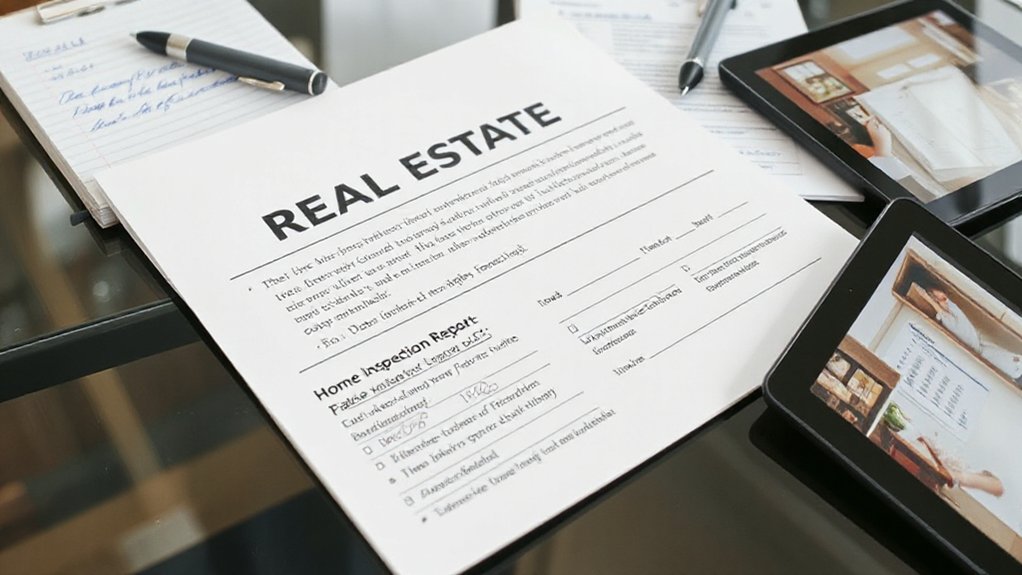
Collecting solid evidence is essential to support repair requests after a home survey. You’ll gather photos that clearly show defects, noting dates and environmental context to avoid ambiguity. Include labeled close-ups of material failures, wiring issues, moisture stains, and structural concerns, with scale measurements where helpful.
Obtain written quotes from licensed contractors for each item, outlining scope, assumed conditions, and itemized costs; attach them alongside your notes. Collect formal reports from the surveyor, builder, or specialist when relevant, ensuring dates and methodologies are included.
Keep records consistent with the Home inspection process and any Property appraisal references, so your case aligns with standard industry practices. Organize digital files and physical copies in a single, chronological packet for ease of review.
Prioritizing Safety and Value-Impact Repairs
Prioritizing safety and value-impact repairs means sorting the identified items by risk to occupants and likelihood of causing further damage, then focusing on actions that protect health, structure, and resale value.
In a home inspection, you should classify items as urgent, non-urgent, or optional, aligning choices with potential harm and cost.
For urgent issues—structural weaknesses, gas or electrical faults, or moisture-related risks—initiate immediate remediation or require seller concessions.
Document how each repair affects safety and value, and consider long-term maintenance implications.
In repair negotiations, lead with high-risk items and support requests with evidence from the survey.
Balance safety with cost, and avoid overreaching on cosmetic concerns that don’t affect habitability or value.
Prioritize actionable, verifiable targets to inform a clear negotiation strategy.
Framing a Fair Repair Request
Framing a fair repair request starts with a precise, evidence-based presentation of what needs fixing and why. You’ll document defects identified on the home inspection, linking each item to safety, code compliance, or long-term value. Keep descriptions objective: specify location, material, defect type, and observed condition, avoiding assumptions about cost or causation.
Include clear, verifiable data from the inspection report and, where possible, independent measurements or photos. Support requests with comparative benchmarks from reputable sources, such as repair estimates, contractor quotes, or industry guidelines.
Present a reasonable scope that distinguishes essential fixes from cosmetic improvements. Attach repair estimates to illustrate anticipated costs and avoid ambiguity.
Frame requests as collaborative, inviting discussion while protecting your interests and maintaining a factual, professional tone.
Credits vs. Price Reductions: Negotiation Choices
Credits and price reductions represent two common ways to adjust the purchase price after a home survey. In this section, you weigh which method aligns with your goals and risk tolerance.
A credits negotiation provides funds at closing, covering repairs without altering the agreed price. This approach helps you retain control over the final contract price, while guaranteeing repairs are completed post-closing.
A price reduction directly lowers the sale price, reducing monthly payments and equity at closing, but may complicate lender calculations or appraisal outcomes.
Consider repair costs, impact on loan-to-value, and your willingness to request follow-up actions. Documented estimates strengthen either path.
Decide early, assess contingencies, and confirm the mechanism reflects your agreed scope and timing before finalizing the deal.
Communicating With the Seller Without Derailing the Deal

Clear, respectful communication sets the stage for productive repairs, using concise messages that focus on documented needs.
Timing matters: raise urgent items promptly, but bundle requests to avoid overwhelming the seller.
Rely on clear documentation to support your demands, while keeping tone collaborative and forward-looking.
Clear Communication Tactics
Effective communication with the seller is essential to keep the deal intact while you request repairs. You should frame requests calmly, rely on concrete evidence from the home inspection, and avoid personal blame.
Present issues as verifiable findings with suggested remedies and reasonable costs, not as ultimatums. Use clear, non-emotional language and cite relevant contract terms to support your position.
Prioritize prioritization; separate critical defects from cosmetic items, and propose solutions that align with market norms.
Listen actively to the seller’s perspective, acknowledge constraints, and seek collaborative solutions rather than unilateral demands.
Document all exchanges, confirm agreements in writing, and avoid back-and-forth misinterpretation.
This approach supports productive repair negotiations while preserving the transactional trust essential to closing.
Timing Is Key
Timing matters because how and when you raise repair requests can affect the seller’s willingness to cooperate and the deal’s momentum.
In this phase, you approach the seller with targeted, non-confrontational language tied to the home inspection results. Frame requests as practical fixes rather than ultimatums, and propose reasonable timelines that fit the sale process.
Prioritize issues by safety, code compliance, and closing impact to avoid derailment.
If you receive resistance, acknowledge perspectives and ask for alternatives or credits rather than insisting on every item being repaired.
Document each point clearly for repair negotiations, linking them to specific findings.
Maintain a collaborative tone, stay factual, and avoid overstating urgency, so the seller remains engaged and the transaction proceeds smoothly.
Documentation Supports Demands
Documentation supports demands by tying each repair request to verifiable findings and concrete implications for safety, habitability, and closing timelines. When you present findings, frame them around objective data from the Home Inspection and its impact on future use. Avoid emotional language; focus on measurable defects, test results, and code or warranty considerations.
Use clear, concise language that outlines expected outcomes and possible risks if unaddressed. Prepare a prioritized list: must-fix items, should-fix items, and nice-to-fix items, with estimated costs and timing. Employ neutral phrasing and suggest reasonable concessions to preserve the deal.
In negotiations, present documentation early and follow up with focused questions and solutions. This approach aligns with effective Negotiation Strategies while keeping the conversation productive rather than adversarial.
Documenting Agreements to Protect Your Move
Documenting agreements clearly protects your move by establishing precise expectations and accountability. In this step, you record what both parties consent to, including scope, timelines, costs, and remedies.
Keep language specific: list items to be repaired, acceptable standards, and inspection benchmarks. Attach supporting documents from the home inspection and any expert quotes to prevent drift later.
Use written amendments for changes, not verbal assurances, and date each version. Define who’s responsible for arranging repairs, coordinating access, and validating completion.
Include contingency plans if issues recur, such as reinspection or partial credits. Store documents securely and share copies with all involved parties.
Clear, concise records reduce disputes and strengthen your position during repair negotiations.
When to Walk Away and Consider Alternatives
If the repairs after the home survey prove excessively costly, risky, or unlikely to meet your needs, it may be prudent to walk away and pursue alternatives. You assess feasibility, timelines, and opportunity costs with emotional detachment to prevent escalation of sentiment.
When negotiations stall or demands exceed its value, you shift toward practical options: re-anchoring expectations, requesting seller concessions, or exploring other properties. Your approach should demonstrate negotiation patience, pausing to compare offers, timelines, and risk.
Consider a price reduction, a repair escrow, or credits that cover essential fixes, but avoid overcommitment. If remaining options fail to align with your priorities, you preserve leverage by declining the deal and focusing on a stronger, well-informed choice.
Maintain documentation, deadlines, and a clear decision path.
Frequently Asked Questions
How to Prioritize Repairs With Competing Contractor Bids?
Prioritize bids by reliability and total cost, then compare timelines. Use cost estimation to forecast expenses and repair scheduling to align with milestones; request itemized scopes, contingencies, and schedules to avoid overruns and guarantee transparent decisions.
Can I Request Repairs Before Closing Without Delaying Escrow?
You can request repairs before closing, but they may delay escrow; coordinate with your lender and seller. Use home warranty and repair estimates to guide negotiations; treat this like a measured compass, ensuring firmness without overpromising.
What if the Seller Disputes the Survey Findings?
If the seller disputes the survey findings, you pursue dispute resolution promptly, emphasizing documentation and timelines; challenge survey accuracy with independent review, appraisals if needed, and clear communication to reach a precise, mutually acceptable resolution.
Are There Tax or Insurance Implications of Repairs?
“A stitch in time saves nine,” you ask: Tax implications and Insurance considerations arise from repairs. You should consult a pro; generally, deductions or credits may reduce costs, while updated coverage guarantees risk stays allocated, not underestimated or overlooked.
How to Handle Undisclosed Issues Discovered Later?
If undisclosed issues emerge, you should document them, request remediation or credit, and consult a real estate lawyer if needed. Schedule roof inspection and pest inspection promptly to quantify defects and guide fair negotiations and decisions.
Conclusion
Picture your home purchase as a ship voyage. The survey is the compass, guiding you away from hidden reefs. With clear evidence, prioritized fixes, and written agreements, you steer toward safe harbors—credits, escrow, or price adjustments—without capsizing the deal. Stay objective, cautious, and flexible, adjusting course as new details surface. If storms loom, you know when to anchor or pivot. In disciplined negotiation, you reach a safer harbor and protect your investment.