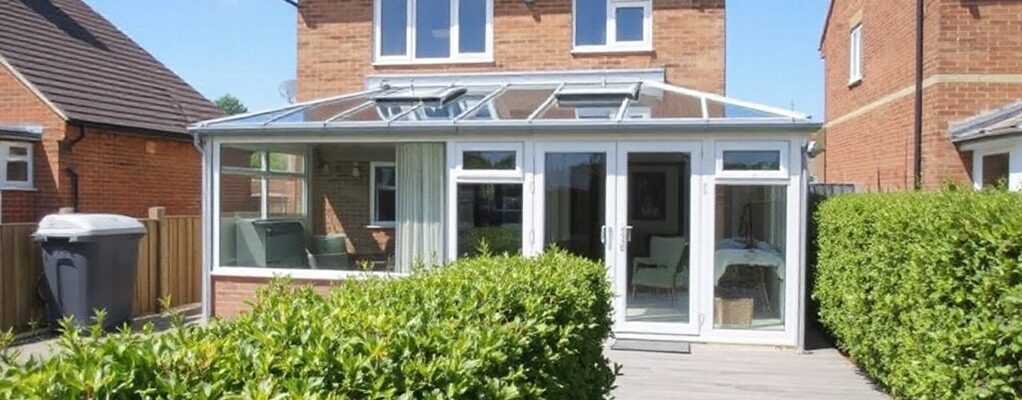
You’re aiming to add space to a semi‑detached home without planning permission, so start with practical PD options that respect size and height limits. Consider small rear or side extensions, loft or basement conversions, and smart interior redesigns, all while keeping building regs in mind. It’s about maximizing every inch and keeping disruption minimal, but the path isn’t always straightforward—concepts that fit your lot and budget require careful checks before you commit. Let’s weigh the options that truly suit your home.
Can You Extend a Semi-Detached Home Without Planning Permission?
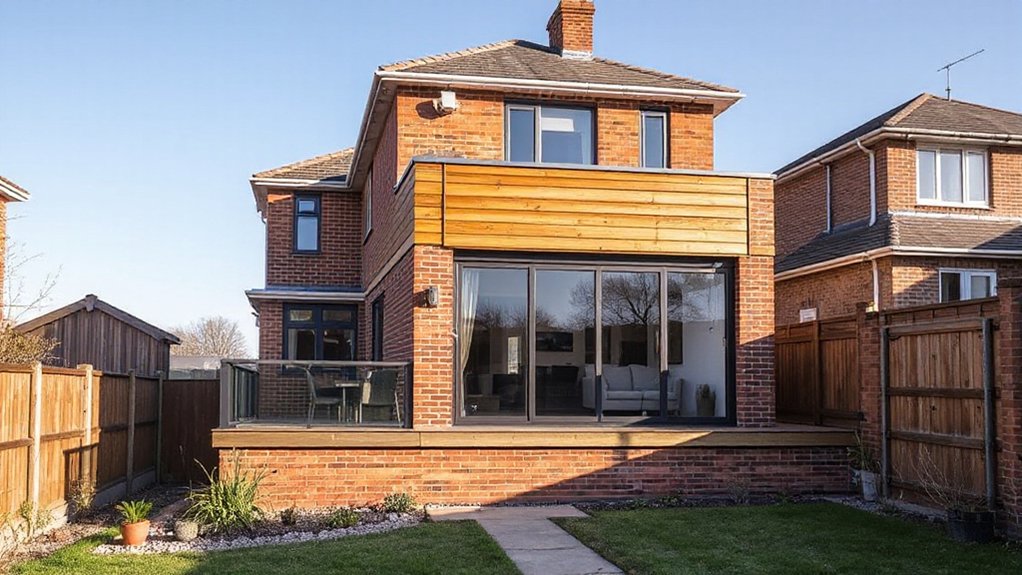
Yes, you can extend a semi-detached home without planning permission in some cases, but it’s tightly scoped. You’ll focus on permitted development routes that keep you within acceptable size, height, and materials limits, so you can proceed with confidence.
Start by evaluating your building’s boundary, window placements, and any impact on shared structures. If you stay within the rules, you’ll still plan with a design mindset: specify clear interior flows, low-profile roofing, and a seamless progression between existing and new spaces.
For interior decor, choose finishes that mirror the current scheme to preserve cohesion. For landscape design, align the extension’s footprint with your garden’s rhythm, ensuring practical access and sightlines.
Always document measurements and seek professional guidance to confirm compliance.
Permitted Development Basics for Semi-Detached Homes
Permitted development basics for semi-detached homes center on what you can add without full planning permission. You’ll focus on extensions and alterations that stay within size, height, and usage limits, plus location constraints relative to boundaries and shared walls.
Start with practical checks: outbuildings and garden structures often have distinct limits, while conservatories may have looser criteria if they meet depth and glazing rules.
Remember roof alterations, such as loft conversions, must respect height caps and neighbor considerations.
When planning, assess garden landscaping impact and access routes, ensuring any changes don’t encroach on your neighbour’s light or privacy.
Interior redesign can also influence permitted changes, particularly internal reconfigurations that don’t affect external elevations.
Keep documentation clear and align design choices with permitted criteria.
PD Quick Wins: Space-Adding Options That Often Don’t Need Consent
If you want to add space without digging into full planning permission, there are several quick-win options you can usually pursue under permitted development or straightforward design tweaks.
Start with garden landscaping to visually extend your footprint: a deck or raised patio, slim borders, and level changes can add usable area without structural changes.
Inside, an interior redesign can reclaim space through open-plan evolution, better circulation, and compact built-ins. Consider light, neutral palettes and strategic mirrors to enhance perceived space.
Add a lean-to or porch extension within PD limits where allowed, keeping eaves and footprint modest.
External reorganizations, like re-routing driveways or aligning garden paths, often fall under permitted development too.
Finally, optimize storage with floor-to-ceiling cabinetry and under-stair solutions to keep rooms airy.
When Planning Consent or Other Approvals Are Unavoidable
Planning consent or an alternative approval path becomes unavoidable when your proposal crosses triggers like size, location, or impact on neighbors.
You’ll want a clear checklist of when planning is needed and what other approvals—building regulations, party-wall, or permitted development exceptions—might apply.
We’ll outline the exact triggers and viable pathways so you can design confidently within the rules.
Planning Consent Triggers
So, when do you actually need planning consent or other approvals? Planning consent is usually triggered by material changes to appearance, scale, or use, or when works intrude into publicly owned land, conservation areas, or listed buildings.
You’ll need approvals if you extend beyond permitted development limits, alter roofline or external materials, or create new dwellings from a single property. Even minor changes can tip you into the consent regime if they affect property height, footprint, or visual impact from the street.
Consider interior aesthetics and energy efficiency; these don’t automatically require consent, but if they demand external or structural changes, you’ll be under scrutiny.
When in doubt, confirm with the planning authority to avoid costly revisions.
Alternative Approvals Pathways
When planning beyond standard permits, you’ll want to map out practical approval routes before you commit to any build steps. Alternative approvals pathways come into play when planning consent or other approvals are unavoidable.
You’ll assess whether your project can fit under permitted development, or whether you should pursue a planning application, listed building consent, or a design review. Clear documentation speeds decisions: provide site plans, elevations, and a concise design rationale that emphasizes massing, materials, and impact on neighbors.
For interior renovation, coordinate access, fire safety, and structural implications with a specialist early. Landscaping enhancements can influence approvals if they affect boundary lines or drainage.
In each case, pre-empt objections and align your design with local guidelines to maximize the chance of a smooth approval process.
Navigating Boundaries and Neighbours to Keep Delays Down
Before you start any work, map your property boundaries and the neighbourly expectations clearly. You’ll reduce guesswork and set a shared frame for design decisions. Begin with a simple, measured plan of your footprint and the adjoining lines, noting any existing encroachments or easements.
In conversations, frame proposals around impact on party walls, access, and light, not ego. Prioritize early, proactive neighbor negotiations to avert surprises. Document agreed parameters in writing and share revised sketches promptly.
When boundary adjustments arise, reference surveyed data and planning constraints to keep tone constructive. Maintain a calm, collaborative stance, and invite feedback before you finalize drawings.
Clear boundaries prevent delays, and practical design choices align your objectives with neighbourly expectations, smoothing approvals and execution.
Building Regulations and Safety Essentials You Must Follow
You’ll need a solid grasp of Building Regulations basics to confirm what you can add and how it must be finished.
Prioritize structural safety essentials to guarantee the extension supports loads, resists weather, and integrates with existing services.
This keeps your design practical, compliant, and ready for safe long-term use.
Building Regulations Basics
Building Regulations are the baseline for safe, durable, and compliant work, so you’ll want to plan around them from day one. You’ll assess scope early, then map out the required standards for structure, fire safety, ventilation, and services.
Focus on practical details: fire-rated boundaries, certified materials, and appropriate insulation to meet energy efficiency targets. Remember doors, windows, and glazing must satisfy safety and performance criteria, with correct egress where applicable.
Keep mechanical and electrical plans coordinated with the design so spaces feel cohesive rather than cobbled together. When choosing finishes, consider durability, sustainability, and maintenance needs to sustain décor goals over time.
In short, integrate code-compliant choices with your home decor vision and energy efficiency aims for a smooth build process.
Structural Safety Essentials
Solid structural safety hinges on adhering to the relevant Building Regulations from day one: guarantee loads, foundations, and framing are designed to meet code-based standards, with details documented for inspections.
You assess foundation stability early, ensuring soil bearing capacity matches planned loads and that footings resist settlement.
Your design prioritizes load bearing walls aligned with structural grids, avoiding overloading timber frames or masonry without proper reinforcement.
You specify connections, bracing, and sash loads to withstand wind, snow, and occupant use.
You verify shear transfers, fire safety clearances, and dampness controls to protect long-term performance.
Documentation includes calculations, material specs, and inspection checklists, keeping changes traceable.
Regular on-site checks confirm tolerances, fastening methods, and waterproof detailing, ensuring the extension remains safe, compliant, and durable.
Budget-Friendly Extensions and Practical DIY Tweaks That Add Real Space
Small, budget-friendly extensions and smart DIY tweaks can make your space feel roomier without the stress—or the permit headaches. Start with a lean footprint: a single-storey rear extension or a conservatory, if allowed, adds square footage without overwhelming the home’s proportions.
Use pale, neutral interiors to reflect light, and plan efficient zones for cooking, dining, and lounging. Interior decor should be focused on clean lines, integrated storage, and hidden power inlets to keep surfaces clear.
Prioritize furniture placement that enhances flow: a compact dining nook, wall-mounted shelving, and a slim sofa arranged to create natural paths. Consider pocket doors or sliding panels to merge rooms without sacrificing light.
Finish with durable, low-maintenance materials and a cohesive color story for perceived space.
Frequently Asked Questions
Can You Legally Extend a Semi-Detached Home Using PD Rights?
You can, but only within permitted development rules. Interior renovation and loft conversion must meet size, height, and obstruction limits, and you may need prior approvals. Check local guidance to guarantee your semi-detached extension complies with PD rights.
Do Covenants Affect Space-Adding Projects on Semi-Detached Houses?
Covers show 72% of covenants affecting alterations; yes, covenants can limit space-adding projects on semi-detached houses. You must weigh Design considerations and Material restrictions, ensuring compliance while planning, budgeting, and coordinating with neighbors for practical, design-focused outcomes.
How Close Can a New Extension Sit to a Shared Boundary?
You can position a new extension a clear distance from the shared boundary, typically around 1 meter or more, depending on local rules. Prioritize garden privacy, choose robust building materials, and guarantee drainage and daylight aren’t compromised.
What Funding Options Exist for Space-Adding Without Planning?
Metaphor: you’re building a bridge to more space, so pursue remote consultation and DIY permits as affordable options. You’ll evaluate funding grants, home equity, and micro-loans, ensuring practical, design-focused decisions that keep compliance and timelines clear.
Are There Height Restrictions That Impact Space-Adding for Semi-Detached Homes?
Yes, height restrictions apply; you must respect local limits for semi-detached homes. Plan interior remodeling and roof modifications within allowed heights, check eaves and ridge rules, and verify setbacks to avoid violations and guarantee practical, design-focused expansion.
Conclusion
Imagine widening your home with clever, PD-friendly tweaks—space expands, light floods in, yet walls stay intimate. Juxtapose promise with constraint: what you gain in roominess, you may trade in time and nerves. You can DIY a deck or reconfigure a loft, but you’ll also face height limits, neighbours’ harmony, and building regs. Practical wins meet patient planning; design-focused choices beat sprawling costs. Space becomes usable, not just offered on paper.