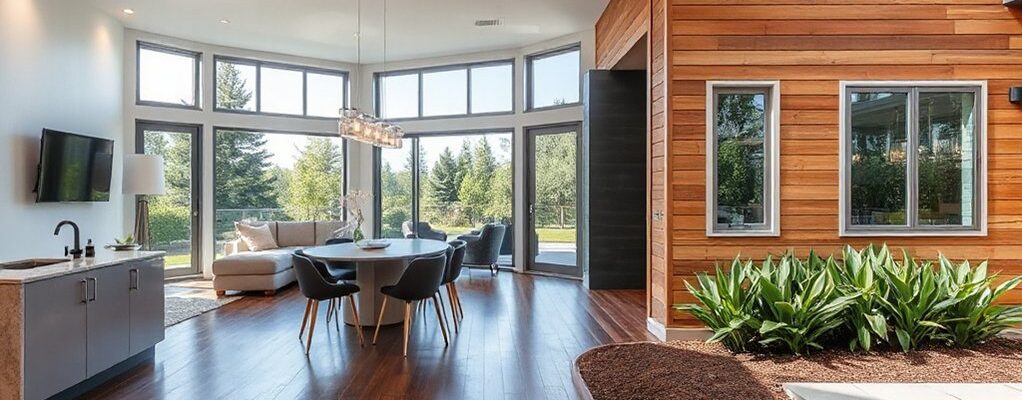
You may not realize that small exterior tweaks can outperform big interior changes in Newcastle’s market. With careful budgeting and timing, you can prioritize low-risk upgrades—like a modern kitchen, efficient systems, and curb appeal—that consistently drive value. Start by weighing ROI-backed moves before committing, and you’ll uncover how deliberate choices shape buyer perception and long-term desirability. Curious which upgrade mix delivers the strongest return for your home type and budget?
What Drives Newcastle Home Value and How to Upgrade Wisely
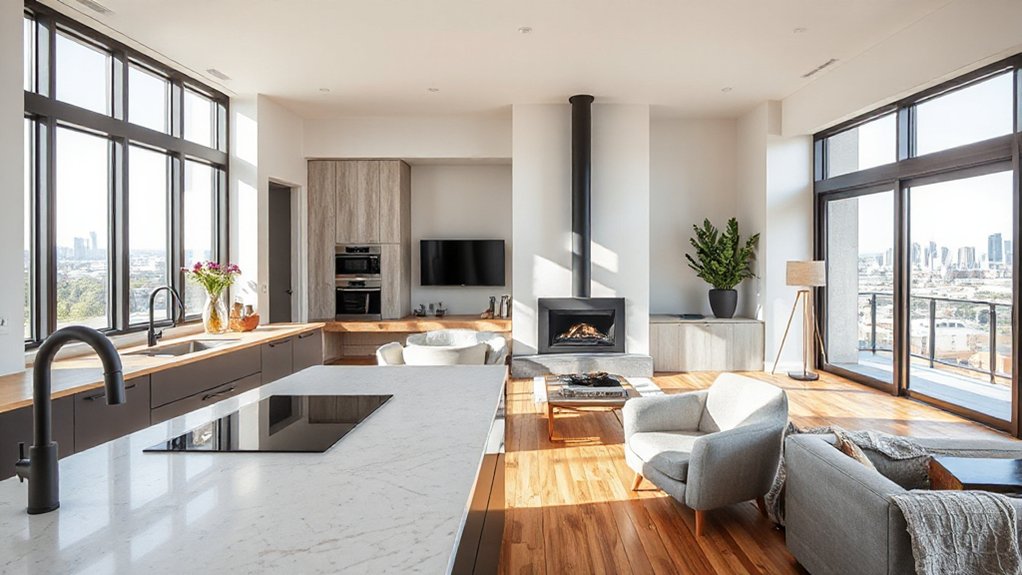
Newcastle home values are driven by a mix of location, condition, and market momentum, and understanding these forces lets you upgrade intelligently. You assess location by neighborhood trends, noting accessibility, schools, and planned amenities that influence demand.
Condition reflects maintenance quality, structural integrity, and modern systems, which shape value retention and buyer perception.
Market momentum captures supply constraints, interest-rate impacts, and transaction velocity, guiding timing and financing decisions.
To upgrade wisely, prioritize high-ROI improvements aligned with current demand, such as curb appeal enhancements and energy efficiency upgrades, while avoiding over-improvement beyond the typical buyer in your area.
Leverage local market insights to benchmark prices, duration on market, and renovation premiums.
Your approach should remain data-driven, disciplined, and scalable across Newcastle’s diverse submarkets.
Kitchen Upgrades That Pay Back in Newcastle
Smart, well-planned kitchen updates offer the strongest payback in Newcastle, delivering noticeable value without over-reinvesting. You maximize return by focusing on cost-efficient changes with durable appeal.
Prioritize energy-efficient smart appliances that reduce bills and attract modern buyers, yet avoid over-specifying luxury tech that exceeds market expectations.
Update finishes with neutral, timeless tones and high-quality surfaces that resist wear.
Custom cabinetry should deliver improved storage and organization, increasing perceived value and daily usability; tailor pull-outs, soft-close hinges, and accessible layouts to real-life needs.
Refinish or replace countertops where wear is evident, choosing durable materials that withstand busy family kitchens.
Lighting should be layered for mood and task accuracy, while preserving a cohesive design.
Keep layouts functional, minimize disruption, and document upgrades for transparent resale narration.
Bathroom Renovations With High Resale Impact
Bathroom renovations with high resale impact hinge on durable, cost-effective choices that modern buyers expect. You should prioritize timeless fixtures, quality materials, and reliable brands to minimize future maintenance.
Aim for clean lines, neutral palettes, and thoughtful storage that reduces clutter without sacrificing function. Focus on water efficiency and durable finishes that resist wear in high-traffic areas.
In this context, a luxury bathroom can be achieved without excessive cost by selecting mid-range, proven products that deliver perceived value through durability and aesthetics.
Spa-inspired upgrades, such as precise lighting, heated elements, and understated texture, elevate appeal while remaining sensible investments.
Guarantee professional installation to maximize performance, warranty coverage, and resale confidence, aligning design choices with local market preferences and buyer expectations.
Energy-Efficient Fixes Buyers Notice in Newcastle
When buyers in Newcastle assess homes, energy efficiency often seals the deal, making upgrades beyond cosmetic appeal pay off quickly. You’ll notice that practical fixes drive value more than stylistic choices, so focus on measurable performance gains.
Renewable energy options reduce ongoing costs and hedge against utility price volatility, which buyers reward with tighter price negotiations and faster closings.
Insulation improvements remain a reliable ROI, lowering heating and cooling loads and improving comfort across seasons. Target the attic, walls, and ductwork where losses are highest, then verify with simple tests like a blower door or infrared inspection to quantify savings.
Present clear, quantified outcomes: reduced energy bills, steadier indoor temperatures, and a smaller carbon footprint. These data points strengthen buyer confidence and shorten sale timelines.
Curb Appeal Tweaks That Attract Newcastle Buyers
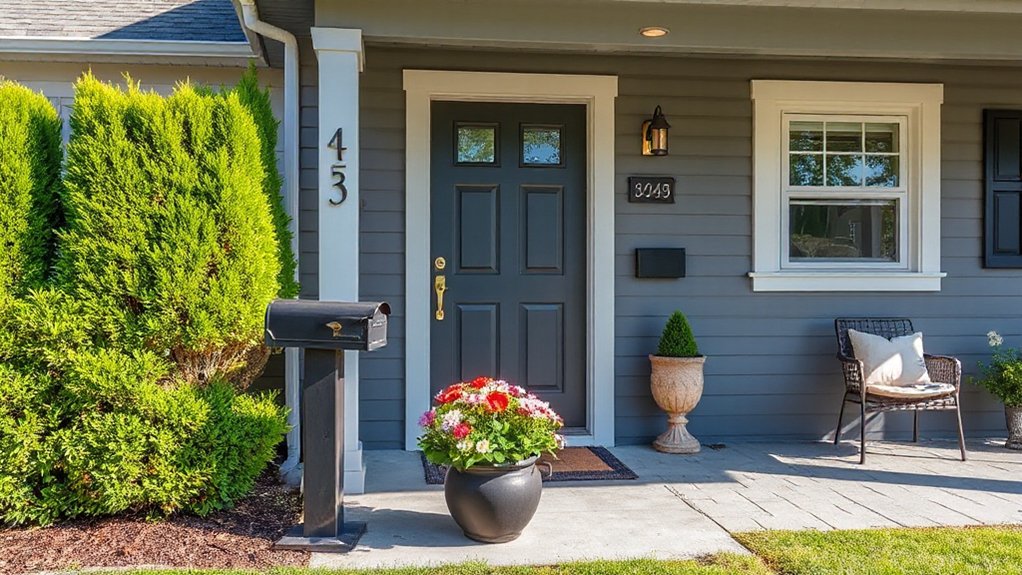
First impressions set the baseline for value, so you should focus on curb appeal essentials that signal quality and maintenance.
In Newcastle, buyers respond to clear, well-defined entry points, trim landscaping, and a fresh, inviting foyer that aligns with the home’s exterior.
Curb Appeal Essentials
Curb appeal isn’t just about looks; it’s the first signal a Newcastle buyer uses to judge value, so small, well-considered tweaks can yield outsized impact. In this section, you’ll identify essential curb items that reliably boost perceived value without costly overhauls.
Focus on cohesive landscape design that guides the eye to the entry and frames the home’s architectural strengths. Prioritize clean lines, low-maintenance plantings, and seasonal interest that stays appealing with minimal upkeep.
Exterior lighting should be strategic, highlighting entry paths, steps, and any architectural features to deter hazards and create safety. Guarantee hardware and trim are refreshed, mail and house numbers are legible, and edging is crisp.
These basics form a precise, repeatable baseline for value-enhancing curb appeal.
First Impressions Matter
Consider this: the moment a Newcastle buyer pulls up, small tweaks can dominate first impressions. Your approach should be analytical and targeted, prioritizing value signals over aesthetics alone.
Begin with exterior clarity: unobstructed sightlines, clean pathways, and well-defined entry points reduce cognitive load and set expectations. Garden landscaping matters, but keep borders neat and seasonal color modest yet deliberate to avoid overstatement.
Upgrade exterior lighting to extend perceived value after sundown, and guarantee consistency with interior lighting cues.
Inside, flow matters: a balanced lighting plan that highlights focal points boosts perceived space and quality. Avoid clutter; present a disciplined, move-in readiness.
Document upgrades and maintenance routines to reinforce credibility, and align curb appeal with interior standards to sustain buyer confidence.
Smart Home Upgrades That Deliver ROI
Smart home upgrades that deliver ROI focus on devices and systems that cut operating costs, boost home value, and improve daily convenience without adding excessive complexity. You’ll evaluate options by cost, energy impact, and reliability, prioritizing solutions that offer measurable returns.
Smart thermostats reduce heating and cooling waste through precise scheduling and occupancy sensing, delivering noticeable monthly savings and enhanced comfort.
Automated lighting lowers electricity use by matching occupancy patterns and daylight levels, while also supporting security through tactful, proactive visibility.
Integration matters: choose platforms with broad device compatibility and straightforward app control to minimize setup time and future maintenance.
Prioritize devices with clear service life and vendor support, ensuring resale value isn’t compromised by obsolescence.
In Newcastle, focus on proven, scalable upgrades that deliver durable ROI.
Practical Floor-Plan Tweaks to Improve Flow
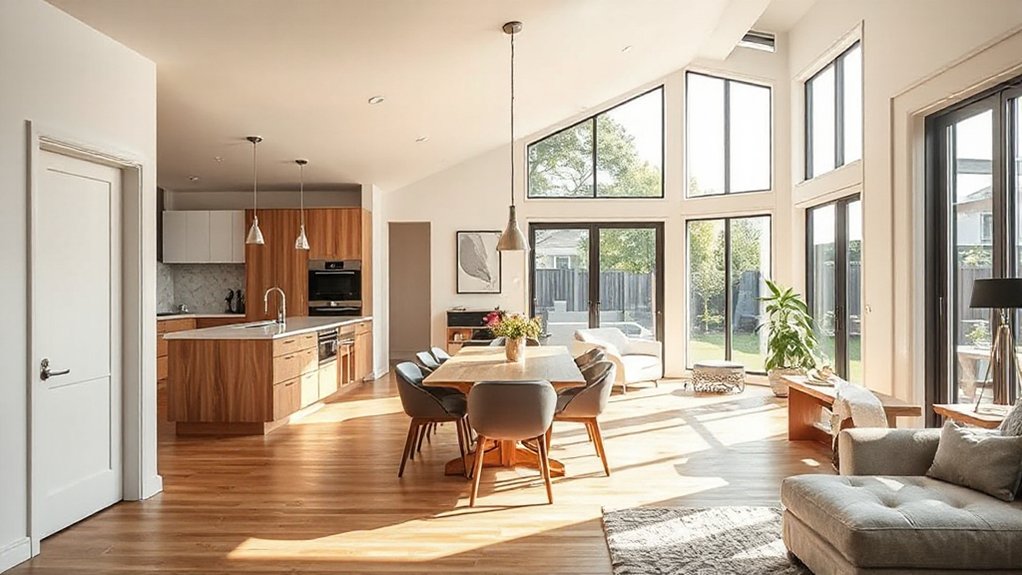
You can reconfigure layouts to optimize traffic flow, prioritizing clear sightlines and uncluttered paths.
Consider shifts between open areas as opportunities to guide movement without creating bottlenecks.
Small tweaks, like widening key corridors or introducing subtle zoning, reinforce open-plan efficiency and task-focused use.
Optimize Traffic Flow
Optimizing traffic flow starts with a clear layout: prioritize direct, unobstructed paths between key zones—entry, kitchen, living, and stairs—so foot traffic naturally follows the shortest routes. You assess current circulation, identifying pinch points, obstructions, and sightline gaps.
Concentrate on minimizing door swings that disrupt raised activity zones and on aligning thresholds with adjacent floor levels to prevent stumbles. Implement logical zoning: keep high-traffic areas near primary entrances, and isolate quiet spaces from disruptive flows.
Consider narrow corridor widening, threshold reductions, and reinforced sightlines to reduce hesitation. Address traffic congestion proactively by sequencing furniture, eliminating redundant furniture clusters, and choosing compact storage.
For exterior impact, optimize driveway design to streamline vehicle ingress and egress, reducing cross-path conflicts and lingering congestion.
Open-Plan Transitions
Open-plan shifts hinge on dissolving abrupt boundary cues while preserving clear zones for function. You refine open-plan design by establishing meaningful separations through furniture placement, lighting, and subtle material passages, not walls.
Focus on sightlines that guide movement while preserving destination cues, so you don’t disrupt usage nooks. Use rugs, low shelves, or varied ceiling heights to signal zones without severing flow, enabling seamless progressions between cooking, dining, and lounge areas.
Prioritize standardized measurements and accessible routes to avoid awkward crossings. Consider passageways like consistent color palettes, aligned cabinetry, and uninterrupted floor finishes to unify spaces.
In practice, you test layouts with real-world tasks, adjust pacing, and confirm that every area retains purpose without visual disruption. This approach yields coherent, valuable open plan design outcomes.
Budgeting for Newcastle Upgrades: ROI-Focused Priorities
Strategic budgeting for Newcastle upgrades hinges on identifying ROI-focused priorities that deliver measurable value without overruns. You assess projects by expected resale impact, cost-to-value ratio, and risk of scope creep, then sequence investments to optimize liquidity and timing.
Prioritize high-ROI improvements with clear market appeal, such as durable finishes and energy-efficient systems, while avoiding overcustomization that deters future buyers. Allocate contingency but keep changes aligned with objective benchmarks, not subjective taste shifts.
When evaluating options, consider landscaping enhancements and exterior curb appeal as probability-based gains, not vanity. For interior work, emphasize paint color choices that have broad appeal and low maintenance, paired with neutral palettes that reduce perceived risk.
Document assumptions, track performance, and revise priorities as market signals evolve.
Timing Your Upgrades for Maximum Return in Newcastle
Timing your upgrades for maximum return in Newcastle hinges on aligning project windows with market signals and cash-flow realities. You’ll optimize value by syncing renovations with seasonal timing, ensuring contractor availability and cost stability.
Monitor local market trends to anticipate price momentum and resale timelines, then schedule non-essential projects during slower demand periods to leverage lower labor rates.
Prioritize high-impact updates that appeal to buyers now, and avoid over-improvement relative to neighborhood benchmarks.
Build a phased plan that staggers projects to preserve liquidity while allowing for quick course corrections if price signals shift.
Assess seasonality in materials pricing and permitting backlogs, adjusting start dates accordingly.
Informed timing reduces carrying costs, shortens time on market, and strengthens your return profile in Newcastle.
Frequently Asked Questions
How Long Do Typical Newcastle Upgrades Take to Recoup Costs?
Typical Newcastle upgrades recoup costs in about 5–10 years. Kitchen renovations and bathroom upgrades tend to perform best, with value tied to scope, market trends, and quality finishings. Meticulous budgeting and professional execution sustain faster payback.
Which Local Builders Offer Best ROI in Newcastle?
In Newcastle, you’ll find top ROI from builders delivering Luxury kitchens and Modern bathrooms; studies show these renovations boost resale value by up to 60%. You should compare bids, verify warranties, and choose a firm with reputable, data-backed results.
Do Rural Newcastle Areas Require Different Upgrade ROI?
Yes, rural Newcastle areas require different ROI considerations. You should prioritize Rural upgrades and Agricultural renovations to match market demand, focusing on durability, efficiency, and land-use versatility, because these factors drive value in agricultural-leaning markets.
Are There Newcastle-Specific Permitting Nuances for Remodels?
Like a whispered prophecy, you should know: yes, there are Newcastle-specific permitting nuances for remodels. You must navigate local permit processes and comply with remodeling regulations, analyzing requirements carefully before proceeding to avoid costly noncompliance.
What Resale Value Uplift Is Typical for Newcastle Homes?
You’ll typically see a 5–15% resale uplift in Newcastle depending on scope, with home staging and energy efficiency driving the most value; analyze market comps, time on market, and cost-to-value for precise projections.
Conclusion
Think of your home as a ship built for Newcastle’s market seas. You steer with energy-efficient upgrades, curb-appeal paint, and a kitchen that gleams like a well-polished hull. Upgrades are ballast, smoothing waves of buyer scrutiny; timing is the tide. Let every dollar be a careful sail, not a reckless gust. When you align flow, efficiency, and first impressions, you’ll reach a harborside value, steady and true, ready for the next voyage.