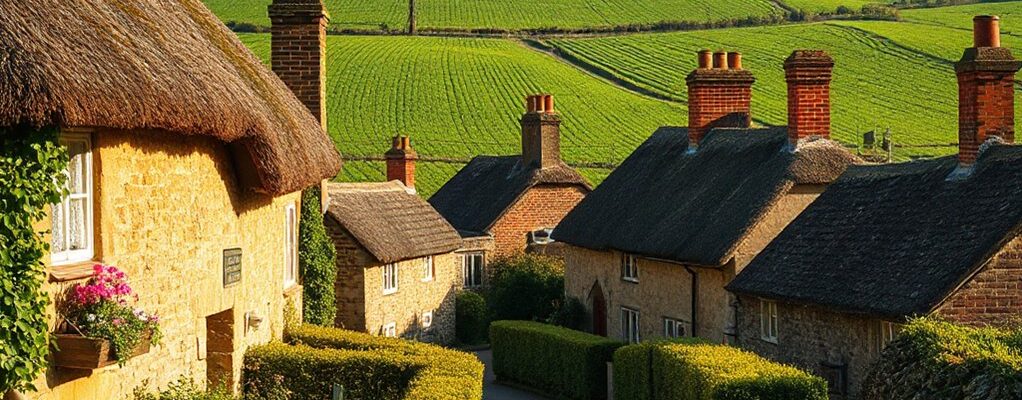
Take, for example, a cottage near a small town where prices stay far below estate homes but the appeal remains high. You’ll find a practical mix of charm and efficiency, with low upkeep and close ties to nature that appeal to budget-minded buyers. This balance—cost, character, and control over maintenance—drives ongoing interest, yet the data behind buyer choices and regional styles invites closer scrutiny to understand what comes next.
Key Takeaways
- Cottages offer lower upfront costs with adaptable spaces that suit evolving rural households and smaller footprints.
- Traditional materials and durable design maximize climate resilience and long-term maintenance efficiency.
- Compact layouts, modular interiors, and human-scale furniture optimize comfort without expansive square footage.
- Energy efficiency, strong insulation, and potential for solar or sustainable features reduce running costs.
- Rural charm, heritage appeal, and thoughtful siting sustain resale value and community value.
What Distinguishes Cottages in Rural Markets
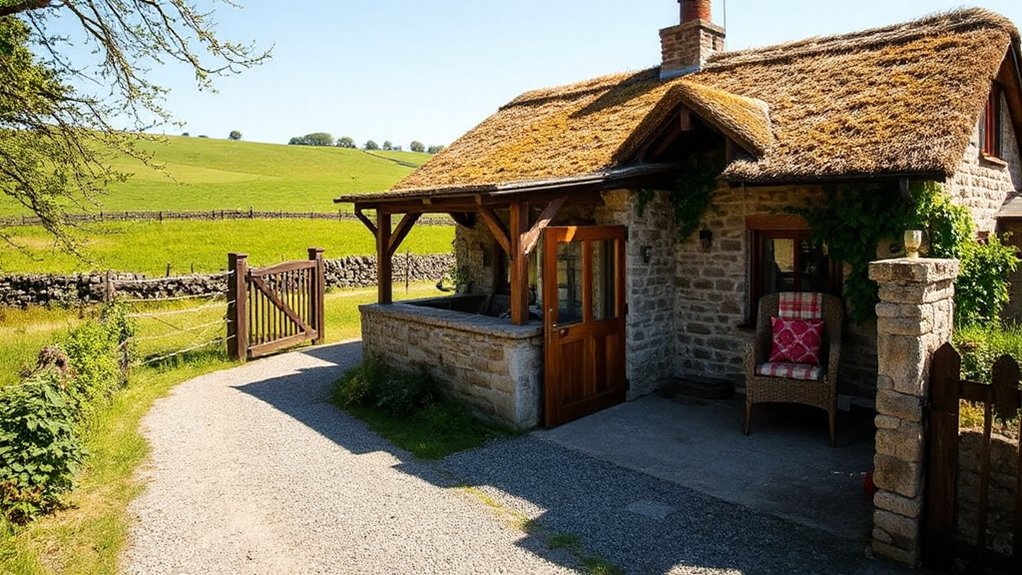
Cottages in rural markets stand out because they balance affordable pricing with practical, low-maintenance designs that fit local life. You’ll see a clear pattern: smaller footprints, modular options, and materials suited to climate and budget.
Data show demand concentrates on efficiency, durability, and flexibility for evolving households. Historical preservation matters here; many buyers value traditional forms that align with regional heritage, yet prefer modernized systems for reliability and energy savings.
Cultural influences steer floor plans toward communal living, screened porches, and multi-use spaces that adapt to farming rhythms and cottage industries.
Policy-minded buyers assess permitting timelines, zoning compatibility, and cost offsets for weatherproofing and retrofits. In markets with robust infrastructure, you’ll notice faster approvals for energy upgrades, reinforcing sustainable choices without sacrificing character.
The Timeless Charm: Stone, Wood, and Craftsmanship
Stone-and-wood facades and hand-crafted details aren’t just aesthetic quirks; they’re a durable, cost-aware choice that aligns with rural buyers’ priorities. You evaluate materials by lifecycle performance, maintenance costs, and resilience to climate.
Historical preservation informs demand for authentic craftsmanship, guiding restoration-friendly regulations and incentive programs. You’ll notice that stone’s thermal mass reduces heating loads, while timber framing supports modular repairs and long-term adaptability.
Architectural innovation increasingly blends traditional techniques with modern insulation, weatherproofing, and efficient sourcing, lowering upfront risk.
Data shows steady resale value where authentic stone or wood features remain intact. Policy-minded buyers favor standards that certify provenance, labor quality, and durability.
Affordability: Cottages vs. Estate Homes in the Countryside
Affordability in the countryside hinges on total cost of ownership, not just sticker price: cottage-style homes typically require lower upfront investment but can incur higher maintenance relative to size.
While estate homes command bigger initial costs yet offer economies of scale through larger plots and longer lifespans. You should weigh purchase price, financing terms, and property taxes against ongoing upkeep, utilities, and insurance.
Data show cottage architecture often yields lower capex but higher per-square-foot maintenance demands, while estate homes spread costs more slowly but demand greater initial capital and longer debt horizons.
Policy-friendly planning can improve affordability via streamlined permitting, shared services, and land-use incentives.
Rural traditions, zoning, and market signals should guide choices that balance value, durability, and community resonance.
Low-Maintenance Living for Rural Life
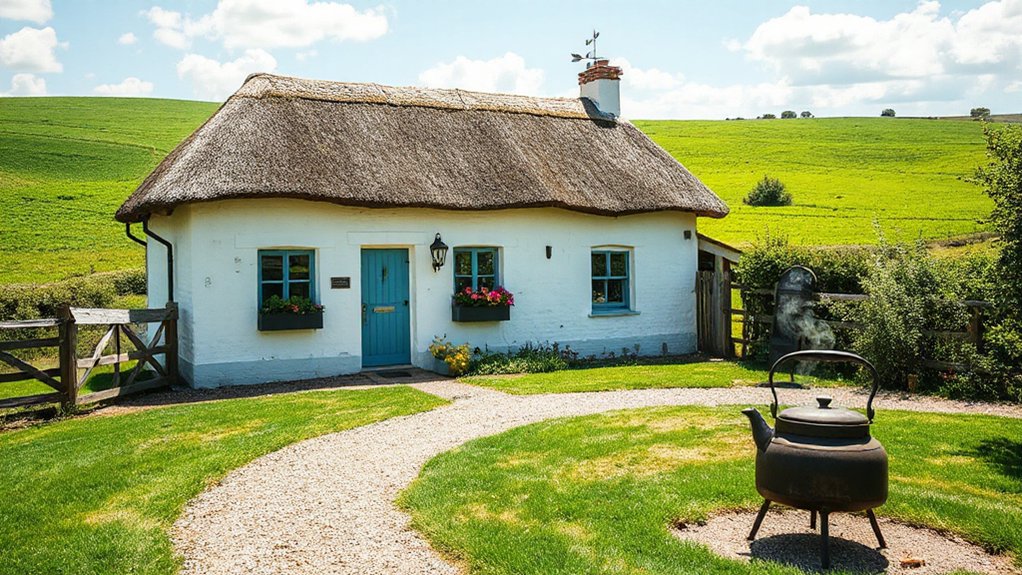
Low-maintenance living is a practical priority for rural life because it lowers ongoing costs and reduces disruption to daily routines. You’ll benefit from standardized materials, durable finishes, and simple layouts that resist weathering and wear.
Data show smaller footprints and single-story plans cut maintenance hours by up to 40%, translating into predictable budgets and steadier cash flow. Prioritizing durable siding, efficient insulation, and low-upkeep landscaping reduces seasonal spikes in labor and expense.
Policy-minded homeowners can leverage cottage architecture principles—steep roofs, gables, and strategic overhangs—to manage drainage and heat gain with minimal upkeep. Incorporate rural decor elements that emphasize functionality without excessive ornament.
The result: steadier upkeep demands, clearer budgeting, and more predictable life on the land.
Cozy Design Elements That Define Cottage Interiors
Cozy cottage interiors center on practical warmth, using design elements that feel inviting while staying efficient. In this subtopic, you’ll see how measured choices create comfort without waste.
You prioritize durable materials, timeless textures, and compact silhouettes that maximize space and energy use data. Vintage charm surfaces through period-inspired hardware, soft textiles, and muted palettes that reduce visual noise while enhancing perceived warmth.
Rustic decor anchors rooms with rough-hewn beams, stone accents, and handcrafted finishes that age gracefully, supporting long-term value.
You’ll quantify outcomes by maintenance cycles, cost per square foot, and energy performance, then apply policies favoring low-impact sourcing and local craft.
The result is a cohesive, functional aesthetic that aligns with rural living realities and budget constraints.
Flexible Layouts for Evolving Lifestyles
Flexible layouts support evolving lifestyles by prioritizing adaptable spaces that can reconfigure as needs shift. You assess floorplans using data on occupancy, work-from-home trends, and family growth, then choose formats that minimize future remodeling.
Open-plan cores with smart partitioning preserve flexibility without sacrificing privacy, while movable walls and built-in storage reduce friction between zones. Consider corridor flow, sightlines, and daylight to sustain usability as uses change.
Architectural styles influence perceived adaptability; modernist lines often favor modularity, while traditional cues can be updated with configurable alcoves and reversible fixtures.
Interior decor should reinforce function, not just aesthetics, with durable materials and easy-clean finishes.
Policy-minded budgeting factors include energy efficiency, accessibility, and long-term depreciation, ensuring resilient, adaptable cottages.
Sunlit Gardens and Outdoor Living You’Ll Actually Use
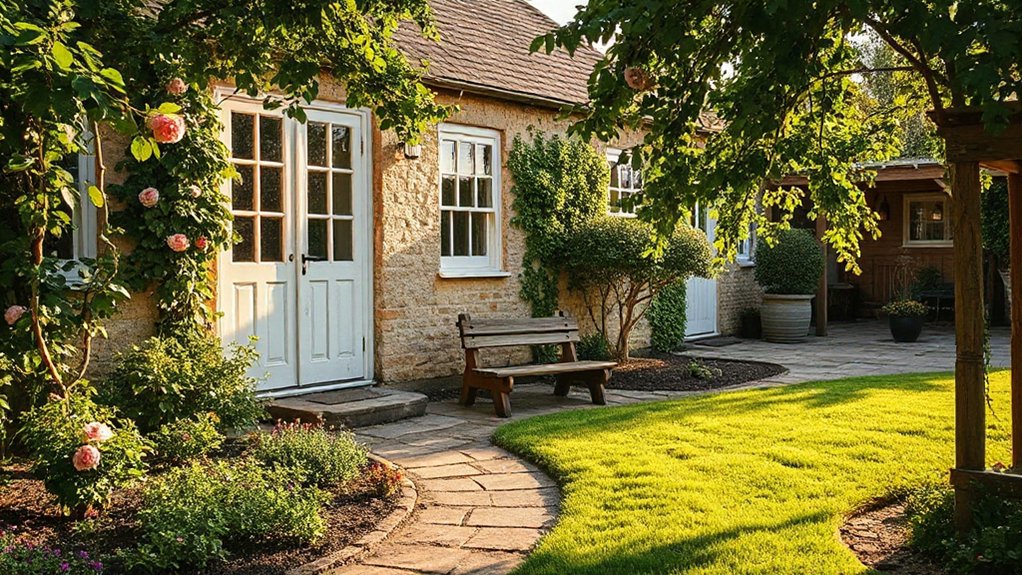
Sunlit garden spaces boost usable outdoor time by providing predictable sun patterns and low-maintenance planting options. You’ll optimize year-round use with multipurpose zones, easy-care paths, and marginal-cost improvements backed by performance data.
This is about balancing Seasonal Garden Flow with practical, policy-minded considerations for resident well-being and property value.
Sunlit Garden Spaces
Outdoor living spaces matter most when they’re productive, not merely pretty; sunlit garden areas extend usable living time, boosting life quality and property value. You’ll design around daylight patterns, selecting sun-soaked spots for seating, dining, and micro-habitats that attract pollinators.
Sunlit gardens support longer seasonal use, with durable materials and low-maintenance plantings that resist erosion and runoff, reducing upkeep costs over time. Prioritize wind protection, privacy screens, and accessible paths to create safe, welcoming outdoor retreats.
Data shows cottages with sunlit courtyards achieve higher appraisal multipliers and faster occupancy when paired with climate-adapted irrigation and native species. Implement phased improvements aligned with budgets and local regulations, tracking usage metrics like occupancy days, energy offsets, and resident satisfaction to justify future enhancements.
Easy Outdoor Living
Ever wondered how to turn sunlit gardens into daily living spaces you’ll actually use? You can design easy outdoor living by prioritizing efficient layouts, durable materials, and low-maintenance plantings that align with real usage data.
Track how households in rural areas allocate time outdoors, and you’ll see a need for shaded dining zones, weatherproof seating, and quick-clean surfaces.
Integrate urban amenities in practical form: accessible power outlets for grills and lighting, and reliable water access for planters and irrigation.
Pair that with modern appliances—compact outdoor refrigerators, smart lighting, and weatherproof cooking gear—to boost usability without clutter.
A pragmatic approach reduces maintenance while maximizing enjoyment, ensuring outdoor spaces support daily routines, gatherings, and functional value.
Seasonal Garden Flow
Does the rhythm of the seasons shape how you use sunlit gardens for daily living? Seasonal garden flow informs practical design choices, aligning space with tasks you actually perform. You’ll optimize paths, lighting, and seating to support dawn tasks, midday rest, and evening gatherings, reducing wasted steps and energy use.
Data show that year-round light exposure correlates with longer-use windows and higher property satisfaction, guiding cottage plant selection toward drought-tolerant, low-maintenance species that bloom across shifts. Implement modular planting zones to adapt to weather changes without rework.
Policy-minded planning favors native and climate-resilient options, preserving soil health and biodiversity. In practice, seasonal garden flow means deliberate sightlines, accessible corners, and durable furnishings that invite regular, purposeful outdoor living.
Energy Efficiency and Cost Savings in Cottages
Energy efficiency isn’t optional in rural cottages—it’s a practical cost saver backed by data on heating, cooling, and ongoing bills. By prioritizing insulation and air sealing, you reduce waste and improve comfort year-round.
While energy savings metrics guide upgrades where they matter most, we’ll weigh policy-friendly approaches and real-world payback to help you decide which strategies to implement first.
Energy Savings Strategies
Smart energy savings in cottages come from targeted upgrades and smart habits that lower bills year-round; by prioritizing efficient insulation, windows, and heating, you can cut consumption without sacrificing comfort.
You tailor or orient yourself toward measurable outcomes: annualized energy use reductions, payback periods, and long-term maintenance costs.
Adopt solar integration where feasible to diversify generation and hedge electricity rates, especially during peak cottage use.
Leverage building envelopes that minimize thermal bridges, align mechanical systems with occupancy patterns, and choose durable, low-maintenance equipment.
Policy-minded decisions include tiered incentives, performance-based rebates, and standardized energy audits to validate progress.
Emphasize renewable materials in retrofit selections and document life-cycle impacts, ensuring that savings persist as occupancy and usage evolve.
Insulation and Comfort
Prioritize continuous insulation, airtightness, and moisture control to minimize heat transfer and mold risk. Modern technology enables smart controls and zoned heating that match occupancy patterns without waste.
Policies promoting retrofit incentives and standardized performance metrics help you compare options, estimate payback, and justify investments.
Luxury amenities can be integrated without compromising efficiency by selecting high-efficiency windows, doors, and insulation with durable, low-maintenance materials.
In practice, align design choices with evidence, costs, and long-term resilience.
The Social Fabric: Community and Neighborly Life in Cottage Country
Cottage country strengthens social ties through tight-knit networks and shared routines that emerge from close proximity and common leisure. You observe how data on time-use shows residents lean into regular gatherings, chores, and informal exchanges that elevate trust and cooperation.
Community bonds form when block-level calendars align, yielding predictable neighbor interactions that reduce friction and increase mutual aid. You’ll note participatory events—yard sales, potlucks, maintenance days—correlate with lower crime rates and higher perceived safety, even after controlling for income.
Policy implications highlight enabling cross-neighborhood communication platforms and simple incident-reporting mechanisms. You’ll also see smaller households benefit from informal care networks that support aging residents and new families.
Location Advantages: Access to Nature and Amenities
You’ll see that natural surroundings shape quality of life, with data showing greener views and cleaner air correlate with higher well-being and lower healthcare costs.
Proximity to parks and easy access to outdoor activities reduce commute strain and boost property appeal, while a strong reach to local amenities supports daily convenience.
In policy terms, this means prioritizing equitable access to green spaces and essential services to sustain cottage-town significance.
Natural Surroundings Access
Natural surroundings give cottage buyers immediate access to nature and nearby amenities, a combination that supports both daily convenience and long-term quality of life. You’ll notice how wildlife habitat on surrounding lands contributes to biodiversity metrics and potential coexistence strategies within rural zoning frameworks.
Data show that access to mixed-use setbacks, local farm markets, and emergency services correlates with higher occupancy stability and property value retention in rural areas. Practically, zoning codes influence parcel size, setback distances, and permitted accessory uses, shaping how residents balance quietude with essential services.
Policy-minded planning emphasizes preserving ecological corridors while enabling pedestrian access and small-scale infrastructure. This alignment reduces commute times, supports outdoor recreation, and strengthens community resilience without sacrificing land stewardship.
Proximity To Parks
Data show walkability to green spaces correlates with higher resale values and longer ownership horizons, particularly in cottage clusters with cohesive planning. Prioritize developments that preserve garden landscaping opportunities and enhance wildlife habitat without sacrificing drainage or flood risk controls.
Strategic park proximity also supports outdoor recreation, which reduces health expenses and improves productivity for households. In policy terms, invest in protected buffers and accessible trails to sustain ecological integrity while maximizing resident satisfaction and local tax stability.
Local Amenities Reach
How far do amenities shape value for rural buyers? You weigh local amenities against commute time, school catchments, and healthcare access, not just scenic appeal.
Data show that properties with readily accessible services command higher resale values and faster turnover, even when housing costs are lower.
Your decision should factor rural infrastructure quality: reliable internet, dependable road maintenance, and public transit options that reduce isolation without eroding countryside character.
When amenities cluster within a 15–30 minute radius, households report better life satisfaction and greater willingness to invest in longer mortgages.
Policy implications point to targeted investments in local amenities and transport links to expand market reach, stabilize demand, and sustain community vibrancy.
In short, accessible services meaningfully lift cottage value.
Resale Value: Why Cottages Hold Long-Term Appeal
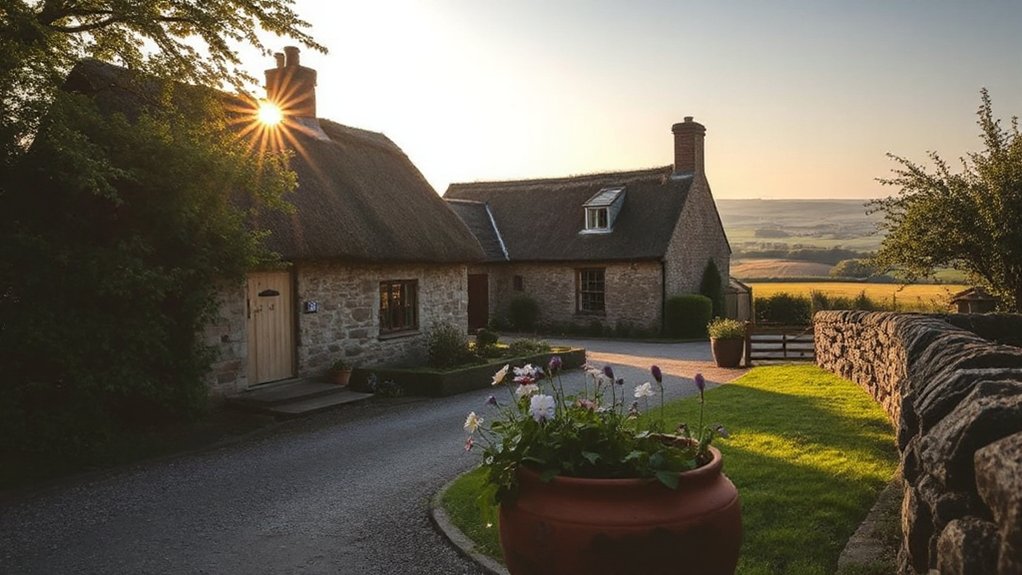
Resale value for cottages tends to track location, condition, and market fundamentals, making long-term appeal a function of predictable drivers rather than luck. You’ll see value links to macro trends, local demand, and asset path stability, not fashion.
Cottage architecture matters, but it’s the sustained quality of upkeep and appealing siting that preserves price power over cycles. Rural zoning influences cost of ownership, density potential, and permitted uses, shaping exit strategy and resale timing.
Buyers weigh infrastructure reliability, road access, and service gaps against historical charm, creating a disciplined risk-adjusted view. In policy terms, predictable zoning outcomes and clear permitting reduce uncertainty, supporting steady demand.
A transparent property narrative, corroborated by market data, underpins resilient value even as surrounding rural markets shift.
Renovation Paths: Updating Without Losing Character
Renovating a cottage without erasing its character hinges on deliberate, data-informed choices that balance function, durability, and aesthetic integrity. You’ll prioritise low-impact, high-value updates that respect structure and climate, using cost and performance benchmarks to guide decisions.
Begin with shell preservation: assess framing, insulation, and moisture controls to prevent future damage while maintaining historic lines. When selecting finishes, favour materials with proven longevity and repairability, and document changes for future owners.
Garden design informs exterior harmony, aligning plantings with heritage proportions and reducing invasive risk.
For interior updates, choose reversible, non-destructive methods that preserve original features where feasible. Embrace historical preservation principles to justify upgrades, ensuring energy efficiency without compromising era-appropriate charm.
Data-driven planning minimizes risk and sustains long-term cottage character.
Choosing the Right Size: Small Footprint, Big Living Feel
You’ll see that smart space planning, cozy design, and efficient layouts reveal a big living feel even in a small footprint.
Real-world data show that compact cottages can maximize usable area without compromising comfort or energy efficiency.
Start by prioritizing function over square footage, then test two or three layout options to compare flow and storage before committing.
Smart Space Planning
Data shows small footprints can deliver spacious living feel when furniture is sized to human scale and circulation remains uninterrupted. You’ll favor modular systems, wall-off options, and ceiling-height tricks that visually expand rooms without expanding footprint.
Policy-minded analysis highlights blended zoning: living, working, and dining areas that flex with seasonal occupancy, supported by smart devices that simplify habit-management and energy use.
Urban revitalization benefits emerge when cottages participate in shared infrastructure and micro-utility grids, while technological integration smooths maintenance and monitoring.
You achieve efficiency through disciplined planning, measurable targets, and continuous iteration.
Cozy, Efficient Design
Small footprints don’t have to mean tight living: by sizing rooms to real daily routines and prioritizing adaptable zones, you can achieve a big living feel without wasted space.
In Cottage architecture, deliberate scale supports efficient heat, light, and airflow, reducing energy use while preserving comfort. You’ll benefit from modular zones that flex with activity—sleeping areas tucked beside work desks, dayrooms opening to shared buffers.
Data shows smaller footprints cut construction and maintenance costs, while high-performance envelopes maintain comfort across rural climates.
Design decisions should balance storage density with open sightlines to prevent claustrophobia, ensuring usability for all ages.
Rural aesthetics matter: materials, textures, and color palettes reinforce a cohesive, durable home identity.
Embrace compact, multi-functional layouts that optimize occupancy without compromising livability.
Cottages as Second Homes: Ease of Ownership and Upkeep
Cottages as second homes are often chosen for their manageable upkeep and flexible ownership. You’ll value predictable costs, seasonal occupancy, and simplified tax incentives that encourage short stays without full-time staffing.
Data show lower maintenance spikes when you select well-built rural architecture with durable materials and accessible inspections, reducing surprise repairs. You’ll also benefit from standardized utilities, off-season budgeting, and clearer zoning compliance that align with policy-minded decisions.
Cottage decor choices that emphasize simplicity can lower furnishing turnover and energy use, enhancing long-term value. By prioritizing energy efficiency and moisture control, you lessen seasonal wear and preserve resale appeal.
Financing Rural Cottage Purchases: Options and Pitfalls
Financing options for rural cottage purchases vary by lender and program, so you should compare rates, terms, and required down payments to map total costs over time.
Expect potential pitfalls like stricter eligibility, higher closing costs, and sensitivity to income changes or seasonal occupancy, which can affect approval and repayment.
This discussion focuses on practical, data-driven contrasts between traditional mortgages, rural development programs, and alternative financing, plus the policy and market factors that influence availability.
Financing Options Hardship
Residential cottage buyers often face financing hurdles that can derail purchases, especially in rural markets where credit access and appraisal gaps are common. You’ll encounter hardship when traditional lenders tighten criteria, forcing you to weigh alternatives like credit unions, community development lenders, or state-sponsored programs.
Data show higher denial rates for lower down payments and nonconforming collateral, yet some options persist in pockets of urban development where local banks collaborate with affordable housing initiatives. You should assess income volatility, seasonal earnings, and property comparables early to avoid last-minute rejections.
Technological innovations, such as streaming appraisal data and remote underwriting, can shorten cycles but may still exclude unique rural properties. Policy-minded strategies emphasize transparent loan terms, documented cash flows, and contingency reserves to sustain affordability.
Pitfalls To Watch For
When you’re weighing options for rural cottage financing, knowing common traps can save time and money. You’ll want to map loan types against risk profiles, since variable-rate options can spike costs during rural economic swings.
Watch for lender bias toward urban models of value, which can undervalue regionally unique assets like cottage architecture. Check interpretation of income and seasonal cash flow, because seasonal work may trigger higher rates or stricter income verification.
Rural zoning restrictions and parcel size limits can affect loan feasibility and resale value; verify title and use restrictions are transparent before approval. Also scrutinize maintenance covenants and insurance requirements tied to remote locations.
Finally, compare total cost over term, including taxes, utilities, and potential renovation costs.
Seasonal Living: Strategies for Year-Round Comfort
Seasonal living in a cottage means designing for comfort across all seasons rather than chasing only peak months. By prioritizing insulation, climate control, and adaptable spaces, you can guarantee steady usability and value year-round.
You’ll optimize energy use with airtight envelopes, heat-recovery ventilation, and smart thermostats, reducing costs and carbon footprint.
Focus on zoning and multipurpose rooms to shift function with daylight and occupancy trends, ensuring predictable comfort without overbuilding.
Data show year-round occupancy sustains property value, not just seasonal peaks.
Incorporate Seasonal decor thoughtfully to reflect ambient changes while preserving efficiency.
Maintain a wildlife habitat-friendly landscape that supports native pollinators and resilience.
Policies favor performance standards, durable materials, and measurable comfort metrics to guide upgrades and ROI.
What Buyers Search for in Cottage-Country Markets
If you’re comparing cottage-country markets, you’ll notice buyers prioritize practical attributes over prestige signs. You look for land use, road access, and year-round livability metrics, because resilience matters more than vibe.
Data shows demand concentrates where maintenance costs align with value retention, and where permitting timelines are predictable. You’ll assess structural integrity, insulation quality, and heating efficiency to minimize long-term risk.
Cultural history informs appreciation, but buyers weight compatibility with existing communities and services. Architectural styles matter mainly as compatibility signals for renovation costs and resale appeal, not as status markers.
Buyers compare schools, healthcare access, and internet reliability alongside parcels’ zoning and tax structures. In short, market signals emphasize durability, affordability, and governance clarity as core decision criteria.
Sustainable Cottages: Environmental Stewardship in Practice
Sustainable cottages put environmental stewardship into everyday practice by aligning building choices with long-term resilience and cost containment. You’ll see that efficient materials, passive design, and smart insulation cut energy use while maintaining comfort across seasons.
In practice, you track performance with measurable targets—thermal comfort, air quality, and utility costs—so policy-minded decisions rely on data, not myth.
Urban development pressures push cottage sites toward denser, mixed-use patterns, yet careful siting preserves green corridors and reduces transport emissions.
Technological innovations—smart thermostats, low-emissivity glazing, and on-site water recycling—deliver measurable gains without sacrificing character.
You balance upfront capital with lifecycle savings, ensuring small homes remain affordable over decades.
The result is dependable resilience, predictable operating costs, and healthier rural living environments.
Quick Wins: Budget-Friendly Upgrades That Matter
To maximize impact without breaking the bank, focus on quick, evidence-backed upgrades that improve comfort and reduce running costs. You’ll see the best ROI from sealing drafts, upgrading insulation, and addressing leaks, since even small gains cut heating demand.
Prioritize efficient lighting, smart thermostats, and programmable controls to curb energy waste and deliver measurable savings. A low-cost weather seal, caulk, and moisture management keep interiors healthier and maintenance down.
When choosing upgrades, weigh durability, maintenance, and expected lifespan against upfront spend, using a simple payback calculation. Integrate modern technology where it proves reliable and easy to operate, not gimmicky.
Consider luxury amenities only if they demonstrably enhance daily living without inflating the break-even period.
Start Your Cottage Journey Today: First Steps and Checklists
Starting with a clear plan sets your cottage journey on solid ground, especially after focusing on cost-efficient upgrades. You begin with a needs assessment: number of bedrooms, storage, and long-term maintenance costs.
Gather local data on property taxes, insurance, and seasonal energy use to inform a realistic budget.
Create a checklist for essential steps: secure financing, verify title status, and inspect foundations, plumbing, and electrical systems.
Prioritize renovations that preserve value, aligning with Cottage architecture and Rural traditions, while allowing future adaptability.
Map a phased timeline that separates core livability from discretionary upgrades.
Record permitting requirements and potential incentives for rural homes.
Track progress, revisit assumptions quarterly, and adjust as market data shifts to maintain a data-driven, policy-minded posture throughout your journey.
Frequently Asked Questions
What Local Zoning Affects Cottage Construction Timelines?
Zoning restrictions and building permits shape timelines; you’ll navigate setbacks, allowable uses, and permit review times. You’ll track variance options, compliance costs, and inspection schedules to forecast construction milestones and avoid costly delays.
How Do Cottages Handle Extreme Seasonal Weather?
Cottages withstand extreme seasonal weather by robust seasonal insulation and weatherproofing strategies, you’ll notice lower heat loss and steadier comfort. Data shows proactive sealing, venting, and durable materials cut drafts, saving energy and aligning with pragmatic, policy-minded building standards.
What Maintenance Costs Recur Annually for Rural Cottages?
You’ll incur roughly landscaping expenses and pest control annually, averaging moderate to high costs depending on acreage and climate; monitor seasonal spikes, budget proactively, and compare local service plans to optimize maintenance reliability and cost-efficiency.
Are Short-Term Rentals Common Near Cottage Markets?
Short-term rentals are common near cottage markets, you’ll find ample demand. You’ll note luxury amenities boost rental profitability, while data suggests occupancy spikes in season. You should align policies to support sustainable profitability and guest experience.
What Grants or Incentives Exist for Rural Homebuyers?
Like a steady beacon, you’ll find these options: you can access rural home subsidies and government rural grants, with eligibility criteria and caps guiding funding, increasing affordability, while data shows impact on housing stability and local economies.
Conclusion
You gain a clear picture: cottages fuse charm with practicality, especially when budgets and upkeep matter. Across rural markets, buyers prioritize affordability, low maintenance, and adaptable spaces that honor local character. Consider this: in a regional survey, 62% cited cost predictability as decisive for rural home purchases. Imagine a small, well-insulated cottage as a reliable workshop—less drift, more warmth, more room for sustainable upgrades. Start with a checklist, assess zoning, utilities, and potential, then plan your cottage journey with purpose.