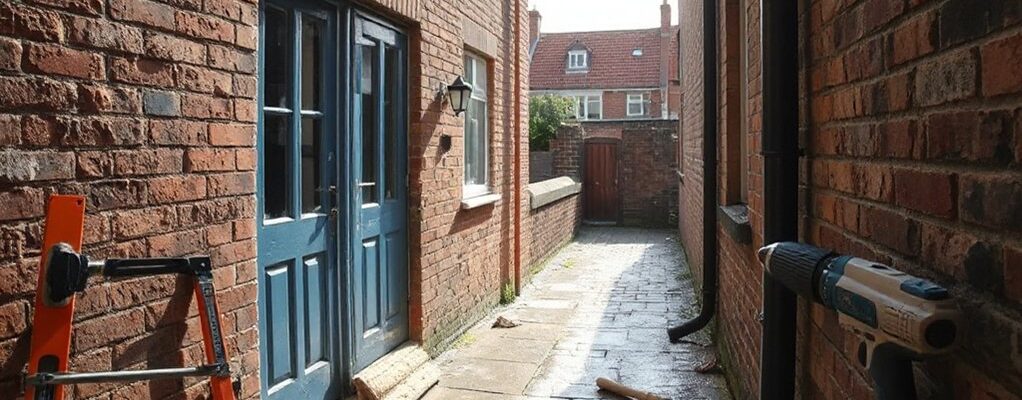
You may not know that in Sheffield’s older terraces, even minor openings can alter party-wall rights and load paths. Before you pick paints, you’ll want to confirm permissions and structural implications with local authorities and a structural engineer. With that groundwork, you’ll balance sympathetic materials with modern efficiency, plan smart storage in narrow cores, and explore discreet rear extensions that respect facades. Stay aware of costs, schedules, and the need for contractors experienced in period homes.
Sheffield Terraced Home: A Practical Constraint and Opportunity
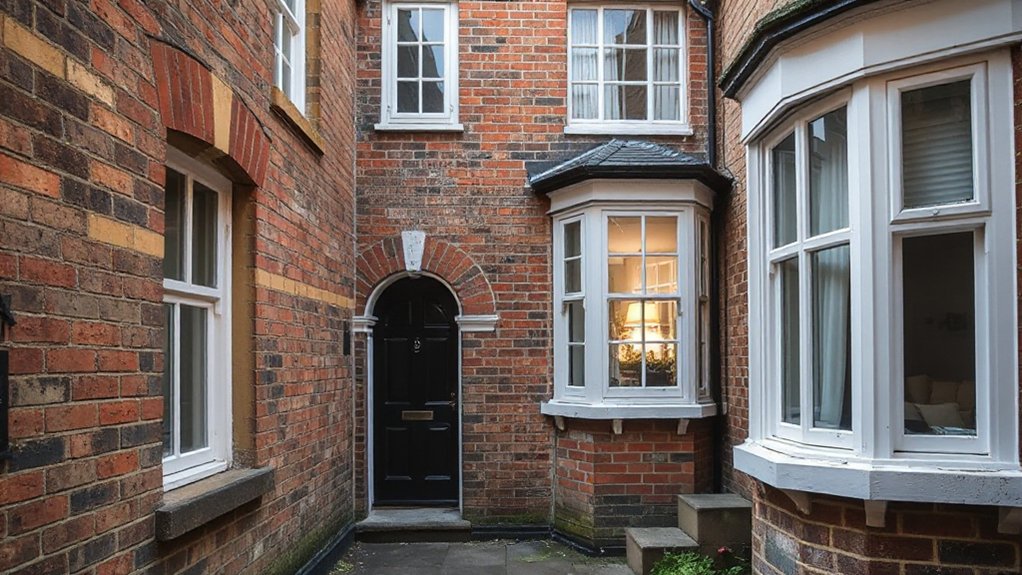
In Sheffield, a terraced home presents a distinct set of practical constraints and opportunities that shape every renovation decision. You’ll notice shared party walls limit remodeling scope and require precise acoustic and thermal detailing to minimize neighbor impact.
Structural assessments guide openings and floor plan reconfigurations, ensuring load paths remain intact while maximizing usable space. Historical preservation informs material choices, detailing, and façade integrity, so you respect heritage values without compromising modern performance.
You’ll plan utilities to fit narrow cores, regulate drainage, and maintain ventilation, all while preserving character-defining features like stair geometry and cornice lines.
Engage the local community early to align improvements with street rhythm and cultural memory. This approach reduces friction and enriches the project through transparent communication and collaborative stewardship.
Approvals, Budgeting, and Hiring the Right Contractor
Managing approvals, budgeting, and contractor selection begins once you’ve outlined the feasible scope from your terraced-house assessments. You’ll verify project feasibility against local constraints, then document required approvals and a realistic timeline.
Building permits matter for structure, fire safety, and shared-wall considerations; check Sheffield’s planning portal and conservation guidelines to avoid revisions.
Establish a transparent budget that separates hard costs, soft costs, and contingency (typically 10–15%). Obtain multiple, detailed quotes to compare scope, materials, and warranties.
When you assess contractor selection, prioritize proven licensure, insurer status, and experience with terraced renovations in older districts. Request references and a project plan with milestones, risk mitigation, and change-control procedures.
Finalize a written contract covering scope, payment schedule, and dispute resolution.
Choose Sympathetic Materials for Sheffield Terraces
Choosing sympathetic materials for Sheffield terraces means selecting finishes that respect the terrace row’s rhythm, scale, and local character while meeting modern standards.
You’ll prioritize durable, breathable renders and renders with low moisture transfer to prevent damp, aligning with surrounding brickwork and lime-based mortars.
Use timber and metal accents that reflect Victorian craftsmanship without overwhelming period details, ensuring joinery and profiles are proportionate to the original scale.
Flooring choices should favor locally sourced, historically informed textures—engineered boards with a real-wood look or slate, laid to suit the terrace rhythm.
For roofs, select roof tiles that echo local typologies.
For insulation, employ modern sustainability methods that preserve façade integrity.
Maintain timeless color palettes; avoid heavy, inland-modern contrasts that clash with the streetscape.
Maximize Space in Narrow Sheffield Terraces
Maximizing space in narrow Sheffield terraces starts with a thoughtful layout that respects the streetscape while improving usable area. You should prioritize alternating circulation routes with compact, multi-functional zones to reduce dead space and maintain proportional room sizes.
Use open floor plans where load-bearing constraints allow, creating visual continuity between front rooms and rear extensions to enhance perceived width. Build low-profile partitions and pocket doors to flexibly reconfigure areas for entertaining, work, or family routines without sacrificing structural integrity.
Integrate smart storage under stair treads, alcove shelving, and recessed cabinetry to keep floors clear and reinforce clear sightlines. Choose rot-resistant finishes and hidden organizers to minimize clutter, ensuring furniture placement supports efficient progression through narrow layouts while preserving character.
Boost Energy Efficiency Without Sacrificing Character
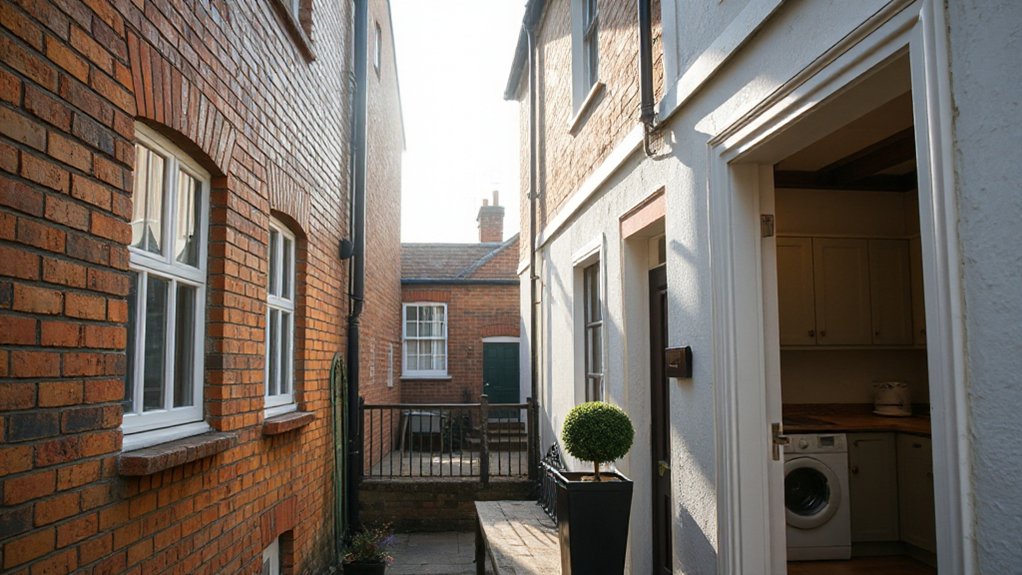
To boost energy efficiency in a terraced house without compromising its character, start with targeted upgrades that respect the building’s heritage while delivering measurable gains. Assess the building envelope first: seal gaps at sash windows and doors, upgrade loft insulation, and apply renewable insulation where relevant to minimize thermal bridges.
Install solar panels on suitable roof slopes, prioritizing unobstructed exposure and minimal visual impact; pair with microinverters and a smart controller to optimize self-consumption without altering interior aesthetics. Replace aged heating controls with programmable thermostats and zone-aware systems to reduce heat loss.
Use low-embodied‑carbon materials for internal upgrades, preserving original plaster and cornices. Document changes for future buyers, ensuring energy-rated improvements align with Sheffield’s conservation guidelines. Maintain ventilation to avoid condensation and uphold occupant comfort.
Frequently Asked Questions
Can I Convert a Terraced Unit Into a Duplex Without Planning Consent?
No, you typically can’t convert a terraced unit into a duplex without planning permission. You’ll need to assess design flexibility and secure suitable Building permissions, ensuring structural changes, fire safety, and access comply with local regulations and planning guidelines.
Are Period Features Protected by Local Conservation Rules in Sheffield?
Yes, period features are protected by local conservation rules in Sheffield. You must observe historic preservation principles and conservation regulations when altering façades, windows, and interiors, ensuring treatments respect character while securing approvals from the planning authority.
How Do I Budget for Unexpected Structural Issues in Older Terraces?
Structural issues demand dollars; budget generously. You should build cost estimation with a 10–20% contingency, then expand for hidden faults. You’ll maintain contingency planning, monitor invoices, and adjust scope so unexpected repairs don’t derail your project.
What Are Common Energy Retrofit Options That Don’T Harm Character?
You can pursue efficient insulation upgrades and selective renewable energy options that preserve character. You’ll improve comfort, minimize heat loss, and stay compliant, balancing risks and costs while implementing discreet, reversible measures tailored to your period terrace.
Which Lenders Offer Mortgages for Renovating Listed Terraced Homes?
You’ll find lenders offering historic preservation mortgage options for renovating listed terraced homes; compare terms, rates, and requirements to guarantee compliance, insurance, and timelines align with your project. These mortgage options support sensitive restorations and preservation standards.
Conclusion
You can finish strong by treating each brick as a story, not just a load-bearing unit. With the right approvals, budgeting, and a contractor steeped in local know-how, your terrace will blend character with modern comfort. Use sympathetic materials to respect the fascia, maximize space without crowding light, and weave energy upgrades in quietly—like a well-titted engine under a vintage shell. In Sheffield’s older districts, restraint becomes your most creative tool.