
This sounds impossible to guarantee, but the truth is you can’t skip checking every credential—so you should verify active licenses, confirm insurance and bonds, and review past work with a critical eye. You’ll want to search official databases, demand current certificates, and probe for renewal history, then cross-check references and contract terms for transparency. Skepticism is your ally here; one overlooked detail can derail a project. Ready to start with a solid checklist and protect your investment?
Verify Builder Licenses and Registrations
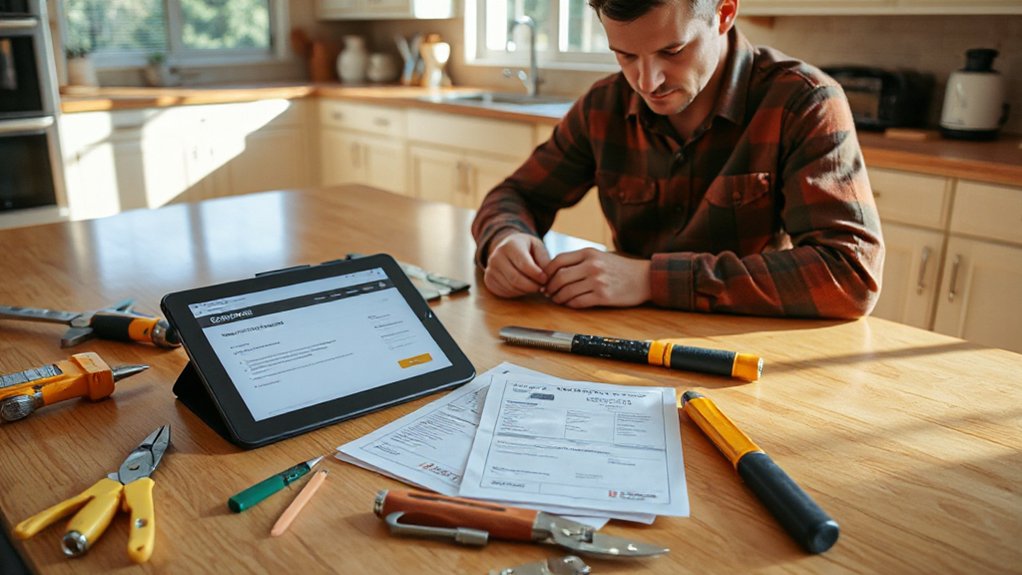
To verify a builder’s licenses and registrations, start by confirming they hold active, valid licenses with the state or local authority that governs construction trades. You’ll then cross-check the license numbers on the issuing agency’s site for status, discipline history, and expiration dates.
Don’t accept a blanket assurance; request documentation and recent correspondence that matches those records. Look for any gaps between renewal dates and the current date, which could signal lapse or noncompliance.
Confirm permissible scopes of work align with your project, and identify whether special endorsements or classifications exist. In addition, verify relevant registrations or certifications tied to building permits and safety standards.
Keep notes of all confirmations, URLs, and contact details to support a transparent, defensible hiring decision.
Confirm Builder Insurance and Bonding
Confirm builder insurance and bonding by verifying both coverage and limits, then cross-checking the details against project needs. You should insist on current certificates, policy numbers, and insurer contact info, not vague assurances.
Look for thorough Insurance coverage that matches the scale and risk of the work, including general liability, workers’ compensation, and any specialty coverage.
Evaluate whether policy limits are sufficient to cover potential damages or injuries, and confirm the duration aligns with the project timeline.
For bonding, ensure Bonding requirements are clearly stated, with the correct type (performance and payment) and a hit-or-miss gauge on the bond amount relative to contract value.
Demand written proof, read the fine print, and verify claims processes before committing. Don’t accept verbal assurances or expired documents.
Check Past Work and Reference Conversations
You should examine each past project and ask for concrete outcomes, costs, timelines, and any changes made along the way.
Verify references promptly by contacting former clients and suppliers to confirm details, reliability, and communication quality.
This discussion starts with solid, verifiable evidence before you consider hiring.
Examine Past Projects
Reviewing a builder’s past projects is essential, and it should be done with a skeptical eye for both scope and outcomes. You examine completed work as evidence, not emotion, focusing on what was promised versus what was delivered.
Start by reviewing plans, permits, and change orders to confirm alignment with contract terms. Compare design trends and finishing details to contemporaneous standards, noting deviations that affect durability or resale value.
Inspect material quality: verify supplier origins, installation methods, and warranty coverage, because a glossy finish can hide subpar substrates.
Seek objective outcomes: timelines, budget adherence, and adherence to codes. Cross-check photos, site notes, and any punch-list items against initial scopes.
Ask precise, documented questions to former clients to corroborate reliability and workmanship beyond superficial impressions.
Verify References Promptly
When checking references, you should contact past clients promptly to verify what really happened on the project, not just what was promised. You’ll cross-check reported timelines, budget changes, and defect resolution with the project records and site observations.
Ask for concrete examples: delays, workmanship quality, and adherence to specifications. Don’t rely on a single testimonial; gather multiple customer testimonials and compare them for consistency.
Probe how the builder handled warranty policies, post-completion fixes, and response times. Look for documented, verifiable events rather than vague praise.
Request permission to reach out to subcontractors or inspectors involved in the job to corroborate claims.
Document all conversations, preserve receipts, and note any unfulfilled commitments to assess reliability before you commit to any contract.
Spot Red Flags in Contracts and Estimates
What red flags should you look for in contracts and estimates to avoid overpaying or getting stuck with subpar work? You’ll scrutinize terms that hint at vague scope, hidden fees, or weak warranties. Look for a detailed scope of work, clear payment milestones, and a firm start/completion timeline; vague milestones signal scope creep.
Watch for change-order processes that permit inflated charges without documentation. Check if materials, labor, and subcontractors are itemized, and whether unit prices are realistic. Beware “cost plus” layouts that lack ceilings.
Demand a written contract with signed revisions and a dispute clause. Prioritize enforceable penalties for delays and documented warranty terms. When reviewing, insist on a precise contract review and verify estimate accuracy against the project plan to prevent surprises later.
Do a Quick Builder Background Check Online
To quickly vet a builder online, start with a targeted search for their license status, business registration, and any disciplinary actions. Then check official databases for current licenses, expirations, and any complaints or sanctions. Don’t rely on a single source; corroborate with state or provincial records.
Next, scan online reviews and reported project outcomes, noting patterns rather than isolated incidents. Online reputation matters, but beware fads, trolling, and pay-for-play reviews.
Cross-check the builder’s social media presence for consistency in project details, pricing, and timelines, while recognizing that posts can be curated. Look for professional affiliations, insurance certificates, and recent project photos from legitimate sources.
Compile a concise dossier, flag red flags, and verify with a direct inquiry before moving forward.
Final Hiring Decisions: Essential Questions and Next Steps
Final hiring decisions hinge on asking targeted questions that reveal competence, accountability, and fit, then outlining concrete next steps. You should verify responses with evidence: ask for sample schedules, load estimates, and milestone commitments, then cross-check against the project timeline and warranty terms.
Probe for risk management: how they handle delays, change orders, and subcontractor reliability, and request documented contingency plans. Compare bids not only on price but on scope clarity, payment milestones, and cadence of updates.
Confirm licenses, insurance, and safety records again, and insist on a written contract that ties performance to measurable outcomes. After interviews, rank candidates by credibility, communication, and track record.
Finalize decisions only after confirming references, verifying permits, and clarifying budget considerations before signing.
Frequently Asked Questions
How Do I Verify a Builder’s Licensing Status in My State?
Begin by checking your state’s licensing board website to verify status and any disciplinary actions. Then confirm Building permits history and adherence to Local regulations through project records, and request recent permit pulls, inspections, and contractor references as evidence.
What Should I Ask for to Confirm Insurance Coverage Details?
You should request copies of insurance policies and ask for current coverage verification, including effective dates and limits; insist on named insured accuracy, carrier details, and a clear downgrade/endorsement history to verify real, adequate protection.
How Can I Check a Contractor’s Credit or Financial Stability?
Like a financial weather vane, you assess a contractor’s credibility by checking financial history and credit reports, then verify through independent sources; beware inconsistencies, delays, or missing documentation, and demand transparency before you commit to any project.
Are There Industry References Not Listed by Builders I Should Seek?
Yes. Seek independent industry references beyond builders’ lists, focusing on industry reputation and client testimonials; verify patterns, corroborate dates, and cross-check with trade bodies, past project outcomes, and external reviews before hiring.
What Questions Ensure a Fair Dispute Resolution Process?
To guarantee a fair dispute resolution process, ask about dispute mediation options and mandatory contract clauses, including timelines, escalation steps, and fee allocations, and require documented evidence standards, third-party adjudication, and clear uncertainty handling.
Conclusion
You should insist on verifiable licenses, current insurance, and bonding when required, and confirm their scope and renewal status. Check past work, contact references, and scrutinize contracts for clarity and enforceability. Do a quick online background check for disciplinary actions and reputation. Ask pointed, evidence-based questions and demand transparent responses. If anything feels off, walk away. Trust but verify, like a tightrope between safety and shoddy shortcuts—your home deserves a builder who proves they won’t slip.