A surprising truth about renovating in Manchester is that lease rules often curb even temporary changes. You’ll want to spot what counts as a rental improvement, obtain formal landlord consent before any work, and document every step to defend yourself later. The path isn’t just about aesthetics—it’s about staying compliant and avoiding penalties. Keep a clear plan in place, and you’ll see how the process unfolds, what’s permissible, and where you need to be cautious.
Lease Restrictions: What Counts as a Rental-Improvement Limit
In lease terms, a rental-improvement limit is the cap set by the landlord or lease agreement on the value or type of upgrades you may fund or recover as part of the tenancy. You assess what counts as a permitted alteration versus an improvement that persists at lease end.
This limit determines eligible costs, materials, and project scope, so you don’t misinterpret your financial exposure. Pay attention to how the clause defines recoverable expenses, depreciation, and any landlord-approved categories.
When considering renovations, you must map these constraints to your property rights and overall tenancy obligations, ensuring your plan stays within stated thresholds. Missteps can affect ongoing Lease terms and could constrain future reuse or transfer of the space.
Seek precise language, and document interpretations to prevent disputes.
Do You Need Permission First? How to Approach Landlord Consent
You should seek formal consent from your landlord before making changes.
You need to follow the process outlined in your lease.
Document all landlord rules and any agreed conditions to avoid disputes later.
This approach keeps your plan compliant and helps you establish a clear, enforceable path forward.
Seek Formal Consent
Securing formal consent is essential before any renovation proceeds. In Manchester, you must obtain written landlord approval before altering structural or decorative elements that affect the lease, building fabric, or risk compliance.
Review your lease for consent clauses, permissible works, and notice periods, and consult statutory protections that may govern consent timelines.
Present a detailed plan, including scope, plans, materials, contractor qualifications, and expected disruption. Propose a schedule that minimizes nuisance to others and addresses fire safety and access concerns.
If consent is refused, consider an appeal or negotiation within the lease framework. During discussions, factor in lease renewal implications and potential rent negotiation points, ensuring your proposals remain within permitted alterations.
Document all correspondence to avoid later disputes.
Document Landlord Rules
To proceed, you must first map out any landlord-imposed rules and consent pathways before starting work. Document Landlord Rules outlines where consent is required, who must approve, and any notice periods.
You should review your lease for clauses on alterations, decoration, and structural changes, noting any proscriptions or mandatory third-party approvals.
Create a written log of relevant documents, including the lease, consent templates, and any correspondence.
Maintain clear Landlord communication, documenting dates, names, and outcomes of each interaction.
If permission is refused or conditioned, record the reasons and explore compliant alternatives.
Prioritize Lease compliance by aligning renovation plans with permitted works, scope limits, and sharing timelines.
Seek formal written consent where indicated, and retain copies for future reference to avoid disputes.
Lease-Friendly, Non-Permanent Makeover Ideas
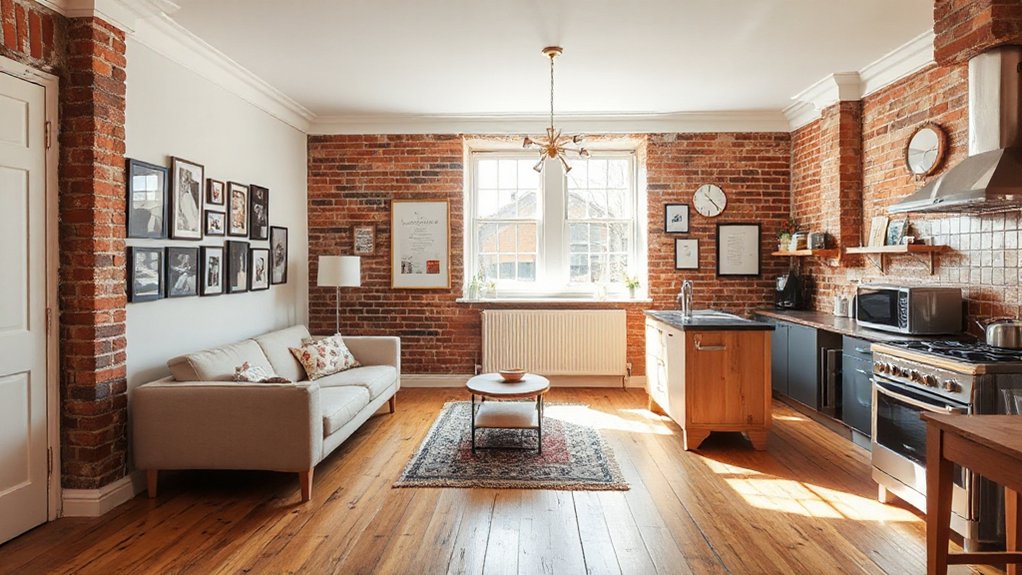
Consider temporary, flexible decor options that won’t affect your lease terms. Choose lease-safe finishes and easily reversible changes to keep options open if you need to move or renegotiate.
We’ll explore practical ideas that balance style with compliance, so you can plan confidently within Manchester lease rules.
Temporary, Flexible Decor
Temporary, flexible decor offers practical, lease-friendly options that can refresh a flat without altering walls or fixtures. You’ll focus on non-permanent accents that comply with tenancy terms in Manchester. Prioritize removable elements that don’t require authorisation, such as textiles, wallpaper alternatives, and freestanding storage.
Consider interior lighting to alter mood and perceived space; opt for plug-in sconces, battery-operated LEDs, and daylight-simulating lamps where permissible. For color hints, use painting techniques on removable surfaces like fabric panels, mounted boards, or peel-and-stick coverings, ensuring no paint touches walls or fixtures.
Maintain a cautious inventory of permitted items and document changes where needed. Reassess after a few weeks to confirm compliance, adjusting textures and lighting rather than structure to preserve lease integrity. Avoid permanent alterations and stay within lease guidelines.
Lease-Safe Finishes Only
Lease-safe finishes prioritize non-permanent, non-destructive updates that won’t void tenancy terms or require landlord approval. You’ll focus on removable coatings, adhesive wallpaper, tension rods, and floating shelving that don’t alter structure.
Choose low-adhesive or reversible options to avoid surface damage, and document products with manufacturer guidance. Before you proceed, verify your tenancy agreement’s restrictions and any permit needs, then pursue landlord communication to confirm acceptability—prefer written confirmation.
For paints or wallpapers, select water-based, low-odor varieties applied with care and removed cleanly.
When negotiating, emphasize that updates are reversible and won’t affect electrical or plumbing layouts. In lease negotiation, propose a test area and a clear return plan.
Maintain receipts and photos for potential disputes, and store materials for easy removal at tenancy end.
Choosing Removable Finishes That Protect Walls and Floors
Choosing removable finishes that protect walls and floors starts with a clear assessment of the lease terms and the property’s condition. You’ll identify allowed fasteners, surface preparations, and any prohibited adhesives before selecting products.
Prioritize wall treatments that can be removed without stripping paint or wallpaper, such as low-residue films, temporary wallpaper, or adhesive mats designed for rental properties.
For floors, consider protective coverings that resist wear yet lift cleanly, like removable vinyl floor sheets or cushioned floor protectors.
Assess installation impact on mouldings and thresholds to avoid damage during removal.
Document product data sheets and warranty limits in case of disputes.
Guarantee chosen options align with building regulations and landlords’ approvals, focusing on wall treatments and flooring options that preserve resale and ceded rights.
Smart Storage and Layout Tweaks That Avoid Drilling
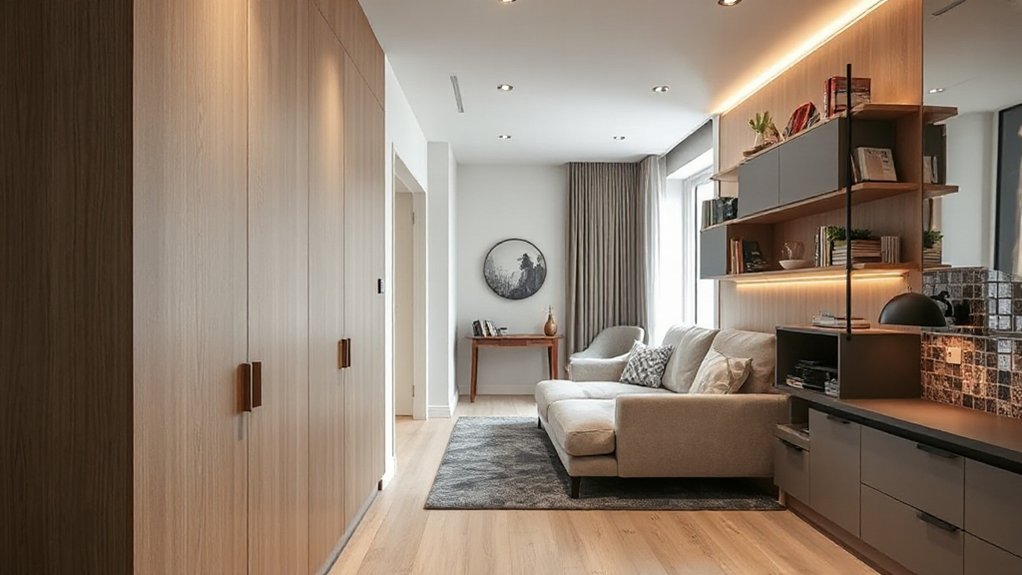
Smart storage and layout tweaks that avoid drilling prioritize movable, non-invasive solutions that respect lease terms and structural integrity. You approach space planning with a measured mindset, selecting freestanding units, tension rods, and modular shelving to maximize capacity without touching walls or ceilings.
Avoid wallpapered or painted conflicts; opt for clear labeling and vertical organizers that don’t require anchors. When considering built-in look, favor temporary, detachable panels and adjustable wardrobes that can relocate if needed.
Integrate vintage fixtures carefully, ensuring any retro elements don’t necessitate new holes. For garden modifications, keep containers on balcony rails or stands, not ground-mounted fixtures.
Maintain documentation of placements to satisfy landlord checks and preserve resale value. Your goal: efficient, compliant storage that preserves lease terms and safety.
Budget-Friendly Upgrades With Lease-Conscious Boundaries
Budget-friendly upgrades can boost a flat’s functionality without breaching lease terms, provided you prioritize non-destructive, removable solutions. You should start with clear goals, targeting versatility rather than permanent alterations.
Choose freestanding furniture, modular storage, and adhesive-backed organizers that won’t leave residue or void warranties. When considering fixtures, favor temporary, tension-based or freestanding options over wall-mounted changes.
Assess the lease for explicit prohibitions and document any allowances in writing, keeping notes for future lease negotiations. Maintain a careful inventory of items you install and remove.
Prioritize safety, compliance, and minimal risk to the property. Respect tenant rights by seeking consent where required and avoiding alterations that could trigger penalties.
Use transparent communication during lease negotiations to align expectations and protect your interests.
Get It in Writing: Templates, Records, and Proof of Consent
Get it in writing whenever you modify a leased flat: templates, records, and proof of consent reduce dispute risk and protect you. You should maintain clear documentation of every change, from scope and materials to contractor details and completion dates.
Use standardized letters or forms for consent, linked to your lease provisions, to create an auditable trail. Keep copies of approvals, amendments, and any party communications in a centralized file, with dates and signatories.
In lease negotiations, insist on explicit consent requirements and response timelines to avoid later disagreements. This approach also supports tenant rights by evidencing compliance and safeguarding permits or alterations.
If disputes arise, organized records simplify resolution and demonstrate good faith in adhering to contractual duties. Be precise, consistent, and prompt in all written exchanges.
Permits, Neighbours, and Manchester Building Rules You Should Know
Managing permits, neighbour concerns, and Manchester’s building rules is essential before any flat renovation; failing to align with these requirements can stall work, void insurance, or trigger penalties.
You’ll want to verify Building codes applicable to your property type and scope, then prepare clear permit applications detailing intended alterations, timing, and contractors.
Engage neighbours early to flag potential disruptions and timelines, and document any agreed compromises in writing.
In Manchester, approval processes may include notices to leaseholders, building control, and, if relevant, the planning authority.
Keep a meticulous project timeline, stamped drawings, and compliance checklists ready for scrutiny.
Don’t assume permissions are automatic; obtain formal confirmation before start, and maintain records to demonstrate ongoing adherence throughout the renovation.
Handling Deposits and Penalties Responsibly: What to Document and Avoid
When you’re managing a flat renovation in Manchester, deposits and potential penalties must be handled with careful documentation and strict attention to rules. You should preserve every receipt, contract amendment, and schedule of works, and log communications with landlords, agents, and contractors.
Maintain a clear timeline showing approvals, inspections, and cost changes to support claims of deposit disbursement or deduction. Use written summaries for telephone conversations and confirm verbal agreements in writing.
Be vigilant about lease restrictions on alterations, soundproofing, and shared facilities to minimize penalty risk. If disputes arise, reference your documented evidence to resolve Deposit disputes promptly and transparently.
Aim for proactive communication and precise records to support penalty avoidance and protect your tenancy rights.
Frequently Asked Questions
Can I Rewire or Relocate Plumbing Under Lease Restrictions?
Yes, you can, but only with landlord consent and proper approvals. You’ll need to restrict Electrical wiring work and Plumbing relocation to licensed professionals, follow building regulations, and document permissions to avoid breaches of lease terms or statutory notices.
How Long Does Landlord Consent Typically Take in Manchester?
Landlord consent in Manchester typically takes a few weeks; expect 2–6 weeks. During lease negotiations, document timelines and conditions carefully, as consent timing can affect property valuation and future renovations. You should monitor responses and request updates promptly.
Are There Penalties for Unauthorized Improvements and How Assessed?
Penalties exist for unauthorized improvements; they’re assessed via lease restrictions and potential breach remedies, including penalties or required restoration. You’ll face a penalty assessment that weighs impact, consent status, and lease terms before enforcement actions. Stay compliant.
Can I Install Temporary Partition Walls Without Violating Terms?
Yes, you can, but proceed cautiously and consult your lease. Temporary partitions may violate terms if structural or permanent walls are altered; make certain decorative finishes and furniture arrangements remain compliant, and avoid anchoring or drilling without written permission.
What Documentation Proves Compliant, Beyond Written Consent?
You’ll need compliance documentation beyond consent to prove you meet lease restrictions; obtain a formal compliance certificate, party-wall notices, and building-control approvals. These documents demonstrate compliance documentation, guarantee lawful alterations, and protect you from potential lease restrictions liability.
Conclusion
In short, you’ll tread carefully, not boldly, through lease clauses and landlord egos. You’ll charm approvals with paperwork, not wrecking balls, and treat every wall as “temporary” until proven permanent by the lease committee. If in doubt, pause; consult the tenancy gods (your lease, your solicitor, your landlord). Remember: clever, non-invasive tweaks beat dramatic disasters every time. Follow the rules, document everything, and you won’t just renovate—you’ll survive the Manchester manual of modern living with gleaming, reversible wins.