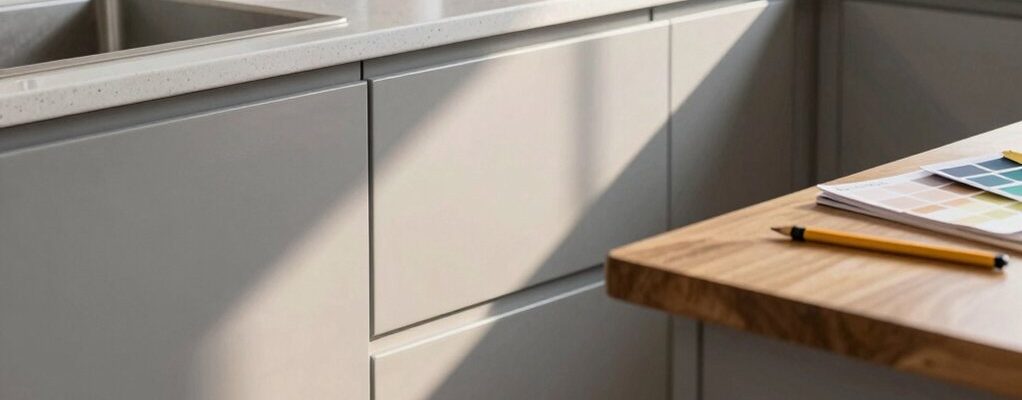
Imagine you spill coffee on a freshly painted cabinet and learn how quickly your home looks that way—it’s a reminder that timing matters. In most kitchens, painting cabinets first avoids splatter on new countertops and keeps masking to a minimum, then you replace or install countertops once the paint is dry and your space is protected. You’ll want a plan that fits your budget, timeline, and style goals, so you can see the ripple effects of each choice before you commit.
Cost Considerations and Budget Impact
When deciding between painting your cabinets or replacing countertops, start with a clear budget. You’ll weigh material costs and labor expenses to set realistic expectations.
Painting cabinets often costs less upfront, but you’ll factor in prep, primer, and multiple coats.
Replacing countertops involves higher material costs, especially if you choose premium surfaces, plus edge profiles and installation.
Don’t overlook hidden expenses like hardware updates or cabinet adjustments.
Compare estimates from pros and consider DIY options for smaller tasks to shave labor expenses.
Include a contingency for surprises, such as plumbing or electrical tweaks.
A transparent budget helps you choose based on value, not impulse.
Timing and Project Sequencing
After solidifying your budget, lining up a sensible sequence keeps the project smooth and minimizes rework. Start with prep and repairs on walls, cabinets, and surfaces, so finishes don’t trap dust or debris later.
When you plan, pin down paint timing and countertop sequencing as separate milestones to avoid overlap that could cause delays. If you’re repainting cabinets, do it before countertop work to prevent splatters and masking challenges; finish coats should cure fully before countertops arrive.
For installations, align plumbing and electrical rough-ins first, then cabinet install, followed by countertop fabrication. Schedule trades with clear buffers for delays, and confirm cabinet doors, drawer faces, and hardware arrive on time.
Finally, don’t rush, but keep progress visible with a simple calendar or checklist.
Visual Impact: Cabinets Vs Countertops
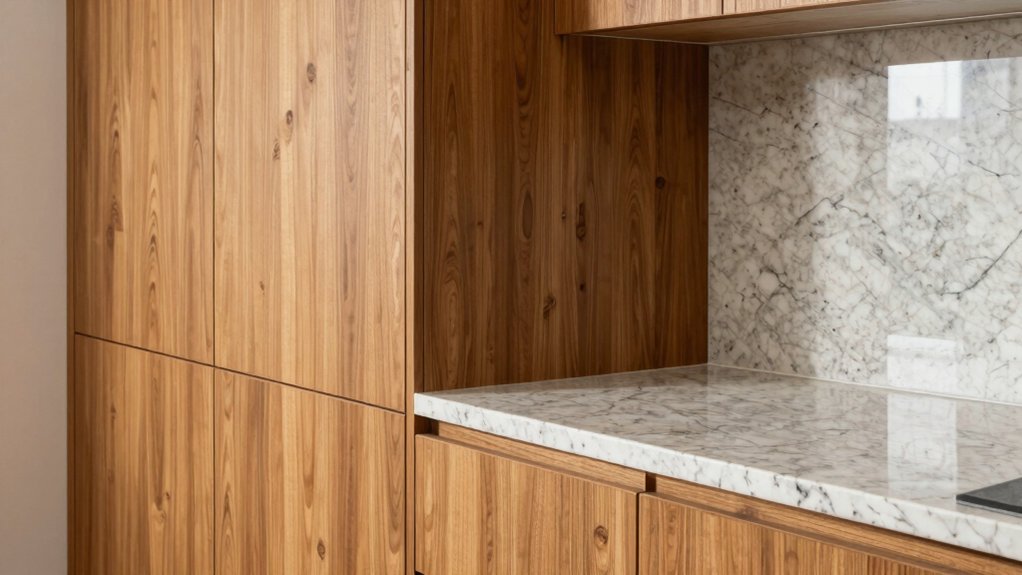
Your choice between cabinets and countertops sets the visual rhythm of the room. Consider how visual harmony or balance can line up with your color impact and the contrast you want to achieve.
This is where small shifts in finish, shade, and texture ripple across the whole space.
Visual Harmony Balance
Visual harmony between cabinets and countertops shapes the room’s mood and perceived scale. You balance line, texture, and color to avoid overwhelming or shrinking the space.
Start with a unified approach: pick a paint color for cabinets that echoes countertop hues, then consider cabinet style to reinforce proportion. If your counters read busy or bold, opt for simpler cabinet doors and lighter tones to breathe air into the room.
Conversely, a minimalist counter surface can handle a slightly richer cabinet finish without feeling crowded. Pay attention to edge details, hardware, and finish consistency to maintain cohesion.
The goal isn’t perfection but perceptual balance—so your eye travels smoothly across surfaces, creating calm, functional space.
Color Impact Contrast
Color impact contrast hinges on how sharply cabinets and countertops differ in tone and saturation. When you pair light cabinetry with dark countertops, you create high visual punch that draws the eye and defines the space.
If you want a calmer look, match hues closer together and adjust saturation to soften the contrast. Consider color harmony: complementary or analogous schemes can guide selection and keep the room cohesive.
Design contrast isn’t about extremes alone; it’s about purposeful tension that enhances depth and focus. In small kitchens, stronger contrast can make features pop, while larger spaces benefit from subtler shifts.
Always test samples side by side to verify that your chosen contrast supports readability, workflow, and the overall style you’re aiming for.
Durability and Surface Longevity
When you weigh finish longevity, consider how the coating or paint holds up over time versus the durability of the underlying material.
Material durability impact matters because some substrates resist scratches and moisture better, extending surface life.
In short, understanding finish longevity factors helps you predict maintenance needs and overall cabinet or countertop resilience.
Finish Longevity Factors
Finish longevity hinges on the finish you choose and how you care for it. Your goal is to maximize both durability and appearance over time. Start with the right coating for cabinets or countertops, considering hardness, chemical resistance, and UV stability.
Finish durability depends on proper surface prep, even application, and cure time, so follow manufacturer guidelines to minimize peeling, cracking, or color changes. Regular cleaning with mild, non-abrasive cleaners helps preserve gloss and protection without dulling the surface. Avoid harsh solvents that can break down thin films.
When reapplying, lightly abrade between coats for better adhesion. Store away heat and moisture exposure when possible, and use mats or trivets. Surface resilience benefits from ongoing maintenance; quick touch-ups prevent small flaws from spreading.
Material Durability Impact
Durability hinges on both the material you choose and how it stands up to daily use. In this section, you compare how surfaces behave under cooking splatters, humidity, and routine cleaning. Surface resistance matters: some finishes resist stain, heat, and abrasion better than others, influencing long-term looks and function.
For cabinets, a durable paint or veneer should tolerate scuffs and moisture near sinks. For countertops, solid surfaces or sealed laminates offer consistent resistance without cracking or peeling. Consider material lifespan as you plan, since replacement costs escalate with frequent wear.
If you expect heavy use or spill-prone kitchens, prioritize higher resistance now to extend the period before refinishing or replacement. Your choice shapes both aesthetics and total maintenance needs over time.
Design Flexibility and Style Options
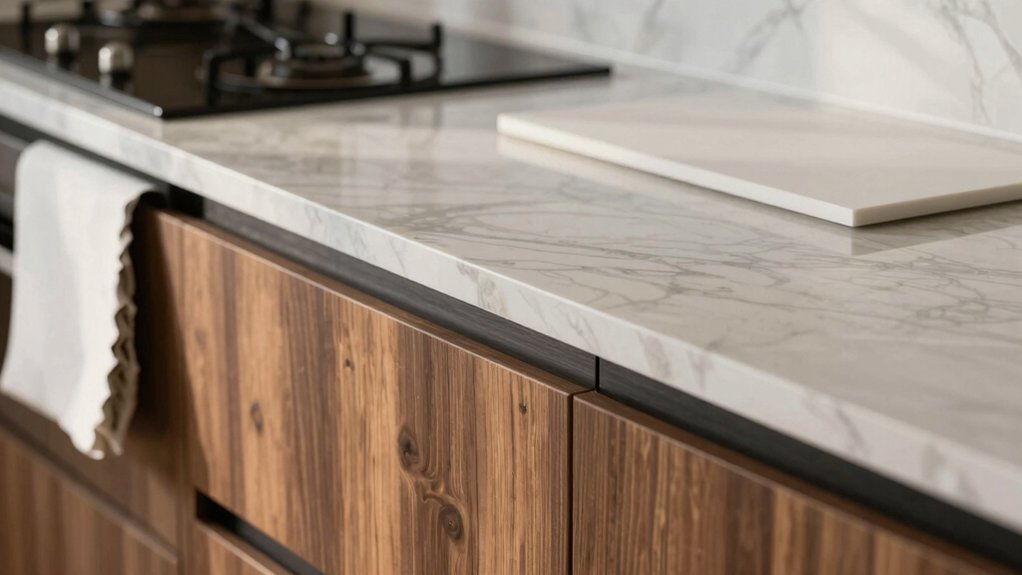
Design flexibility and style options play a big role in deciding whether to paint cabinets or replace countertops first. You’ll gain the most impact by aligning finishes and textures with your overall vision. Painting cabinets opens bold color paths, from subdued neutrals to high-contrast statements, while countertop choices set the tonal baseline through materials, veining, and edge profiles.
Consider how different colors interact with existing hardware and lighting, and how you’ll maintain long-term appeal. Custom finishes can tailor sheen, distressing, or glaze for a unique look without full replacement.
Material compatibility matters: guarantee new surfaces work with your cabinet substrate and plumbing or appliance layouts. By outlining your style goals first, you’ll choose a path that sustains design harmony and minimizes future changes.
Workflow Disruptions During Renovation
Renovation work almost always disrupts your daily routine, so you’ll want a clear workflow plan from the start. Expect temporary detours around your kitchen workspace, and schedule tasks by proximity to the most-used zones.
Map out a paint process timeline that avoids overlap with demolition or appliance moves, so you don’t stall later steps. Keep cabinet hardware removal simple: label parts, store screws, and set aside components you’ll reuse.
Create a staging area for supplies to reduce trips in and out of the work zone. Communicate a daily target so everyone knows what’s next and you don’t double back.
Build in buffers for finish drying, and plan cleanups after each stage to minimize dust spread and contamination. Your smoother flow lowers stress and speeds results.
Quick Wins: Painting Cabinets on a Budget
If you’re prioritizing cost-saving options after planning your workflow, painting cabinets can be a smart quick win without blowing your budget. This cabinet refinishing approach focuses on transforming the look without the heft of a full replacement.
Prep matters: clean surfaces, sand glossy finishes, and seal with a durable primer. Use a high-quality enamel for a durable, smoother finish that resists scuffs.
Budget-friendly hardware updates—new knobs or pulls—can boost impact without a full redo. Expect cleaner lines, brighter tones, and improved contrast with existing countertops.
When to Invest in New Countertops
You’ll weigh cost versus value to decide if newer countertops fit your budget and resale goals.
Durability matters, so consider how long materials last and how they wear with daily use.
Timing matters too—seasonal sales, ongoing projects, and your plan to refresh other features should guide when you invest.
Cost Versus Value
When deciding whether to invest in new countertops, weigh the costs against the potential value they add to your kitchen. You’ll gauge return by usability, look, and resale interest, not just price tags.
Start with budget planning: set a clear cap for materials, installation, and any necessary supporting updates.
Then evaluate aesthetic appeal—will the upgrade harmonize with cabinets, flooring, and lighting, and does it elevate daily use?
Some materials offer longevity and lower maintenance, increasing perceived value over time; others deliver a strong color or texture upgrade but require more upkeep.
Consider installation disruption, warranty terms, and potential energy savings from more efficient peripherals.
If the projected value aligns with your budget, the upgrade is a prudent investment; otherwise, pause and reassess.
Material Durability
Durable countertops matter because their longevity shapes both daily use and long-term value. You’ll weigh durability when choosing countertop materials, balancing cost, care, and resilience against everyday wear. Some materials resist scratches, heat, and stains better than others, which shortens maintenance and replacements over time.
Consider how you actually use surfaces: heavy prep, frequent spills, or hot pots demand tougher options. If you prefer low-maintenance care, look for materials that tolerate cleaning agents and resist micro-scratches.
Paint finishes on cabinets don’t change countertop durability, but they influence overall upkeep and aesthetics. For most kitchens, investing in durable countertop materials now reduces frustration later, especially if you expect resale value or high daily use.
Your choice should align with how you cook, entertain, and live.
Timing Considerations
Deciding when to invest in new countertops comes down to reality checks: signs of wear, evolving needs, and budget alignment. You’ll weigh how soon you’ll need a functional workspace against project scope.
If your current counters trap stains, chips, or germs, timing leans toward sooner rather than later. Consider renovation timelines from initial measurements to fabrication and installation, then map them to any home upgrades you’re planning, like a fresh sink or new cabinetry finishes.
Scheduling conflicts matter too: if you have holidays, guests, or a busy work season, you may push installation to a quieter window. In short, choose a window with minimal disruption, adequate lead time for material choices, and a buffer for unexpected delays.
This helps you avoid rushed decisions and extra costs.
Trade-Offs: Resale Value and Home Equity
Upgrading cabinets or replacing countertops isn’t just about looks—it’s a strategic move that can affect resale value and home equity. You’ll weigh costs against perceived value: cabinet hardware updates can refresh appearance at a lower price than full replacement, while choosing durable countertop materials protects longevity and buyer appeal.
In resale, improved finishes matter more than novelty, so focus on cohesion with style rather than chasing trends. If you’re keeping the same footprint, a well-executed update often yields a higher return than more extensive renovations.
Budget-smart choices, like standard cabinet heights and timeless finishes, reduce risk and appeal to a broad audience. Remember: equity grows when improvements align with market expectations and overall home condition.
A Simple Decision Framework for Your Kitchen Remodel
To choose a kitchen remodel path confidently, start with a simple decision framework that aligns cost, function, and resale value. You’ll map goals to two questions: what matters most for daily use, and what assets most influence value.
Prioritize changes that improve workflow, like lighting placement to reduce shadows and support task zones, and assess how any updates affect future maintenance.
Evaluate constraints first, then options: cabinet paint vs new countertops, or new layout tweaks. Use a scoring method for impact on usability, energy use, and resale appeal.
Consider appliance integration early so appliances fit cleanly and look cohesive.
Document costs, timing, and disruptions to avoid scope creep, then compare scenarios side by side to choose confidently.