
You can renovate a semi‑detached home without blowing your budget by setting a realistic plan, breaking costs into materials, labor, and permits, and adding a contingency. Prioritize high‑impact upgrades like lighting, entryways, and energy‑efficient fixtures. Get multiple quotes, compare scope and warranties, and time work to off‑peak periods. Stick to durable, cost‑efficient materials and track expenses to stay on track. The next step will sharpen your approach and expose where savings actually lie.
Set a Realistic Renovation Budget
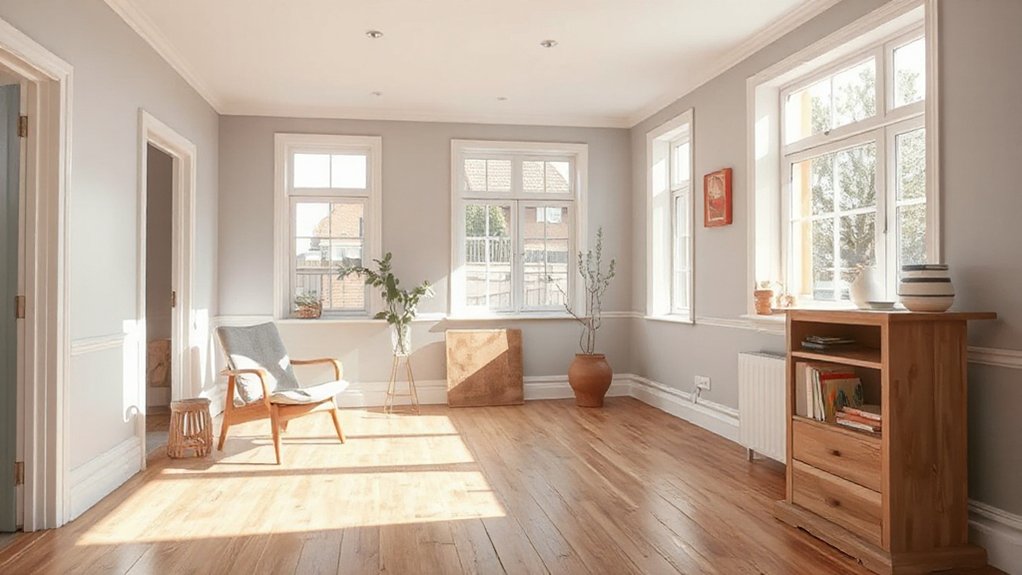
Setting a realistic renovation budget starts with a clear scope and a reality check on costs. You’ll map every room, list must-haves, and note nice-to-haves to avoid scope creep.
Start with a baseline total and break it into categories: materials, labor, permits, and contingency. Use budget tracking to monitor actual spend against your plan weekly, updating projections as you go.
Prioritize essential updates that release value, drafting a phased approach if needed. Get multiple quotes, check contractor reputations, and add a 10–15% contingency for surprises.
Renovation planning should align with your cash flow, so time big payments after milestones. Leave wiggle room for small fixes that don’t derail the project.
Revisit the budget monthly to stay on track without sacrificing quality.
Prioritize High-Impact Upgrades for Semi-Detached Homes
Prioritize high-impact upgrades that deliver value quickly and are visible to both you and potential buyers. Focus on entryways, lighting, and layout improvements that enhance perceived space without big renovations. Upgrade the kitchen backsplash, install energy-efficient fixtures, and refresh paint in common areas to refresh the feel instantly.
Prioritize exterior curb appeal with a refreshed porch, tidy landscaping, or new house numbers because first impressions matter. Choose updates that offer a strong return, such as improved insulation in accessible spots, or sealing drafts around doors and windows.
Consider design aesthetics that blend with the home’s character while modernizing functionality. If you’re preserving history, lean into historical preservation cues in trim, hardware, or color schemes to preserve charm while upgrading performance.
Choose Durable, Cost-Efficient Materials
Choose durable, cost-efficient materials that stand up to semi-detached living. You’ll want options that resist everyday stress, noise transfer, and weather shifts while staying affordable over time.
Focus on material selection that balances upfront price with long-term performance; prioritize staples like durable siding, robust roofing, and sealed windows with good insulation.
Look for products with low maintenance needs to reduce ongoing costs, and verify compatible finishes that simplify upkeep across shared walls.
Ask about moisture tolerance, fire ratings, and UV resistance to limit future repairs.
Plan around maintenance considerations: accessible cleaning, coating cycles, and simple replacements.
Avoid trendy choices that spike costs or complicate repairs.
Choose proven, universally available materials to simplify sourcing and warranties.
Keep a lean shortlist and compare long-term value, not just upfront price.
Get Quotes and Compare Contractors Effectively
With durable materials in mind, you’re ready to move from selecting products to hiring the right help. Get quotes from multiple contractors to benchmark pricing, timelines, and scope. Start by sharing clear project details, photos, and your preferred materials so estimates align with reality.
Ask for a line-item breakdown to reveal hidden costs and avoid surprise add-ons. Prioritize contractor vetting: check licenses, insurance, and past work, then speak with references about reliability and communication.
Compare proposals not just on total price but on included services, warranty terms, and acceptable allowances. Consider budget considerations alongside track record; the cheapest quote isn’t always best if it compromises quality or schedule.
Choose a contractor who offers transparent communication and realistic milestones, then document agreed scope in a concise contract.
Time Your Renovation to Save on Labor and Disruption

Timing matters: lock in your renovation when labor costs and schedules align with your goals, not when you’re reacting to delays. You’ll save by planning around off-peak periods, coordinating trades, and batching similar tasks.
Build a master timeline that factors lead times, material delivery, and permit processing, then adjust as needed to avoid idle crews. Prioritize tasks that influence daily disruption, like interior decoration planning and decisions that affect layout, lighting, and finishes, so you don’t stall progress later.
Schedule landscaping planning for a window when exterior work doesn’t clash with interior projects, reducing site churn.
Communicate clearly with your team about milestones and contingency options, then reprice promptly if costs shift. This proactive approach keeps labor tight, predictable, and affordable throughout the project.
Frequently Asked Questions
How Can I Estimate Hidden Costs Not Covered in Budgets?
Yes—start with a detailed cost estimation, then add a contingency fund. Track hidden expenses by auditing permits, delivery delays, and contractor issues; build a 10–15% buffer, review weekly, adjust estimates, and document every variance.
What Grants or Incentives Help Semi-Detached Renovations?
Funding sources collide with incentive programs, you find grants lighting your path while costs stay grounded. You evaluate options, compare terms, apply promptly, and prioritize local, national, and utility rebates to fund semi-detached renovations efficiently.
How Do I Measure True Material Life-Cycle Costs?
To measure true material life-cycle costs, perform a lifecycle analysis, comparing durability, maintenance, and disposal across options. Material durability matters most; track embedded energy and expected refurbishment needs to predict long-term costs and environmental impact.
What Safety Checks Should Homeowners Perform Before DIY Work?
Yes, you should follow safety protocols and complete an Inspection checklist before any DIY work. Start with gloves, goggles, and dust masks, then verify power, gas, and structural stability, catching hazards early and avoiding costly mistakes. Stay cautious, proactive, organized.
How Can I Minimize Disruption for Neighbors During Renovations?
To minimize disruption for neighbors during renovations, you’ll implement neighbor communication and noise management. Notify scheduling changes in advance, keep work hours reasonable, use soundproofing where possible, seal noise sources, and share contact info for quick issue resolution.
Conclusion
You’ve set the budget, picked high-impact upgrades, and lined up solid quotes. Now, as the work starts, a quiet tension builds: will the plans hold, or will hidden costs creep in? Stay disciplined, track every dollar, and keep a clear contingency ready. If you dodge delays and glare at the tiny surprises, you’ll finish with a home that feels bigger than the bill. The payoff isn’t just a renovated house—it’s confidence you earned, step by step.