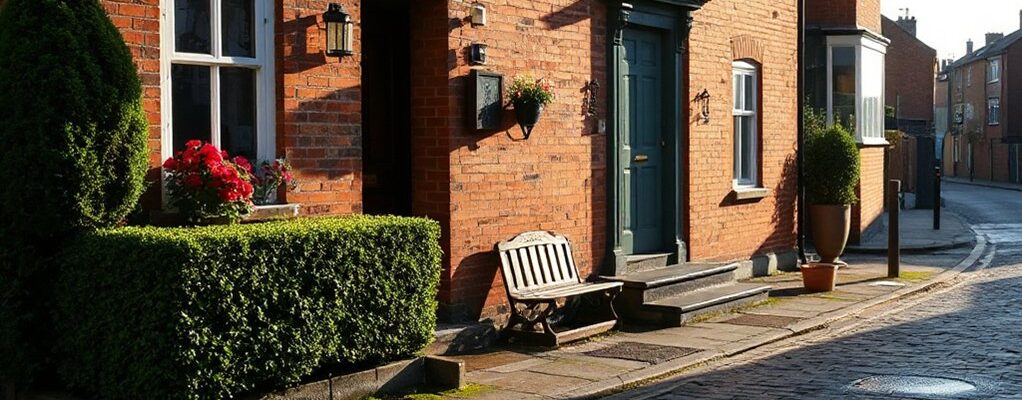
You walk down a street where brickwork glows with age and windows whisper their history. You’ll want durable, period-appropriate details that blend with the local character, smart drainage to curb damp, and entrances that invite yet stay practical. Start with a plan that respects heritage, then pick low-maintenance materials and clear maintenance steps. Want to know the most effective sequence to upgrade without losing the house’s soul?
Assess Your Street’s Heritage to Guide Restoration
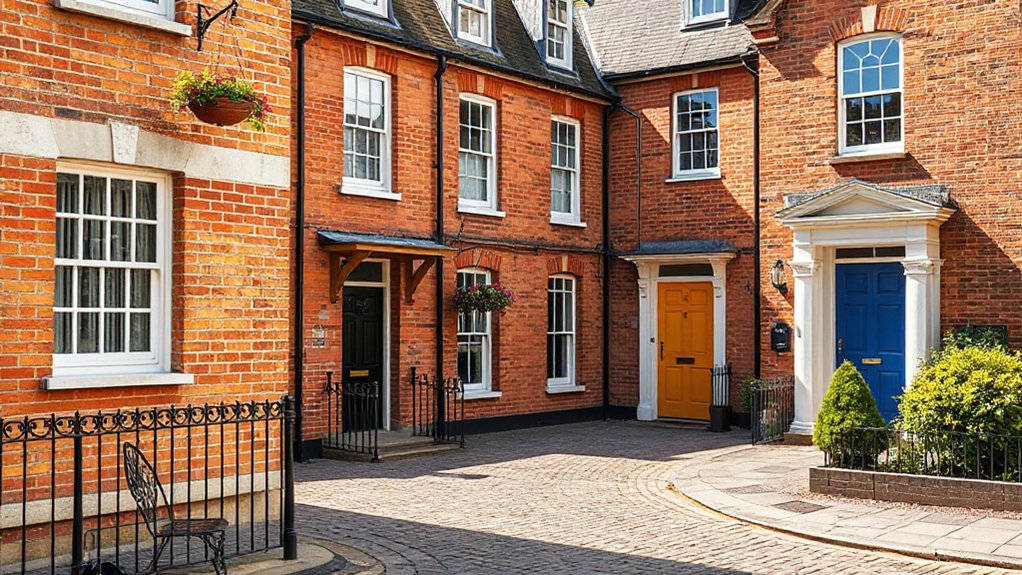
Assess your street’s heritage as the blueprint for restoration. You start by surveying what defines your block: age, common materials, and design motifs that recur across houses and storefronts.
Identify historical significance: notable architects, era-specific details, and familiar street layouts that shaped daily life. Next, map architectural styles present on your street and nearby lanes to detect patterns worth preserving.
Use this evidence to guide decisions on façade choices, window proportions, door placements, and rooflines, staying faithful to the period’s logic. Prioritize elements that reinforce character rather than chase trends.
Document findings with simple notes and photos. Finally, align restoration goals with community memory, ensuring that any update respects the street’s identity while enhancing accessibility and longevity.
Restore Brickwork and Render With Care
Brickwork and render endure the street’s character, so restore them with care rather than overhaul. You’ll boost kerb appeal by preserving original textures and patinas, not replacing them.
Begin with a professional assessment of structural soundness, then target repairs that respect historic brick preservation. Use lime-based mortars for joints to accommodate breathability and movement; avoid modern cement mixes that trap moisture.
Clean gently, avoiding high-pressure washing, and opt for soft brushes and mild detergents to lift grime without erasing aged detailing.
When rendering, choose breathable finishes and compatible grain sizes; render restoration techniques should emphasize crack stitching and controlled reapplication rather than full-scale re-skinning.
Document work for authenticity, and match tone and mortar color to the surrounding brickwork for seamless balance.
Start With Your Entrance: Doors, Steps, and Porch Lighting
Your entrance sets the first impression, so start with doors, steps, and porch lighting that respect your home’s age while welcoming visitors.
Begin with a door that matches period details, then update hardware for reliability and a subtle upgrade.
Choose steps that are safe, level, and slip-resistant, avoiding modern quirks that clash with brick or render.
Porches benefit from understated lighting—timers or sensors cut energy use while guiding guests.
Aim for even illumination along paths and key entry points, not a flood of glare.
Use entrance decor that complements surrounding architecture: a simple, durable door color, a small seasonal display, and clean, well-maintained surfaces.
Keep porch lighting functional, inviting, and proportionate to the facade’s scale for best kerb appeal.
Upgrade Windows for Style and Energy Efficiency
Could upgrading windows release both style and energy savings for your older UK home? Yes, and it should be practical, not drastic.
Start with window styles that complement your era, choosing slim frames and appropriate glazing to preserve character while boosting light. Prioritise energy upgrades like double or triple glazing, low-emissivity coatings, and efficient seals to curb drafts without overhauling exterior lines.
Consider u-values and overall performance, not just price. Replacements should be sized to maintain symmetry with existing openings, avoiding oversized panes that clash with period details.
Mounting options, such as astragal bars or mock sash replacements, can preserve visual rhythm.
Plan for daylighting and ventilation that align with your climate, then factor maintenance and warranties into your decision.
Choose Boundary Treatments That Respect Your Period Character
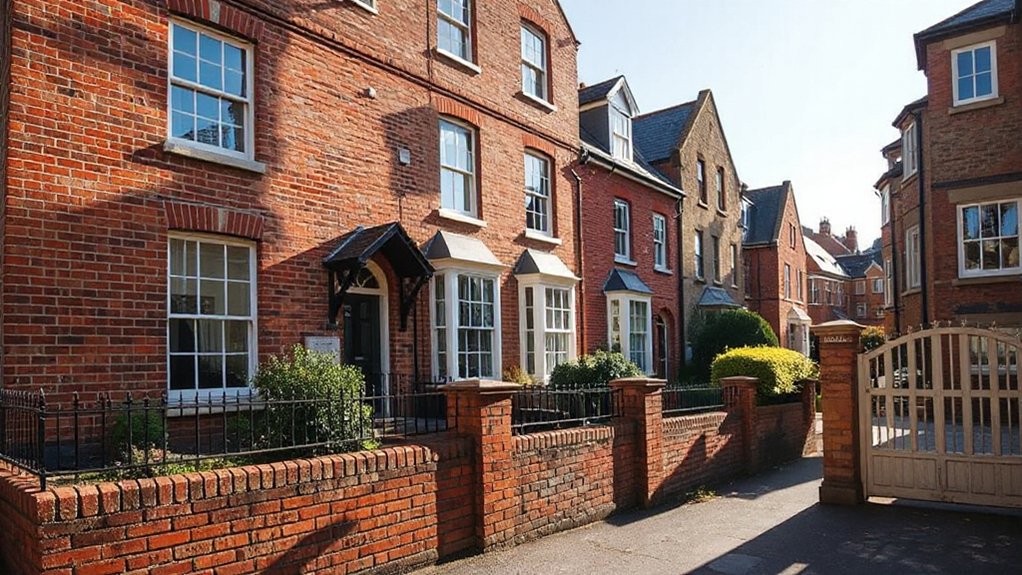
Choose boundary treatments that echo your home’s period character, prioritising materials that feel authentic to the era. Keep scale and proportion in balance with the facade, and guarantee any features respect existing period details.
Start by focusing on material authenticity, the right proportions, and maintaining the spirit of your home’s original style.
Respect Period Features
Choosing boundary treatments that respect your period character starts with understanding the era and streetscape you’re enhancing. You should select features that echo original lines, proportions, and materials, avoiding modern shortcuts that clash with the town’s look.
Prioritise simple, durable boundaries—painted timber, brick, or modest iron—with a height that preserves sightlines and historic rhythm. When you repair, match existing details: lattice, picket profiles, or rendered infill, so the boundary reads as a seamless, authentic edge.
Keep gates in proportion to the drive and avoid oversized overlays. Plan for maintenance cycles that support long-term upkeep. This approach supports period restoration and heritage preservation while delivering curb appeal that feels true to the area and your home.
Material Authenticity Matters
Material authenticity isn’t optional—it’s essential. When choosing boundary treatments, pick materials that mirror your home’s period and local vernacular. Prioritize historical accuracy over trendy contrasts; your pick should read as a natural extension of the façade, roofline, and garden walls.
Wood, brick, and lime mortar often convey lasting character, but guarantee finishes, nails, and joints suit the era to avoid incongruous detailing. Consider durability and maintenance; material longevity saves time and guards against rapid obsolescence.
If your period used railings, pick forged or wrought options with appropriate detailing rather than modern substitutes. For walls and gates, choose textures and colors that fade gracefully with weather rather than scream contemporary.
The result: cohesive curb appeal that respects provenance and stands the test of time.
Scale And Proportion Fit
Scale and proportion should mirror the building’s period and site context, so boundary treatments neither overwhelm nor underplay the house. When selecting fences, walls, rails, or hedges, aim for scale harmony with the façade and surrounding streetscape.
Short, solid boundaries can suit modest townhouses; taller options suit grander elevations only if they respect overall mass and rhythm.
Proportion balance means matching element sizes to the building’s visual weight—columns, pickets, and masonry joints should echo the house’s detailing. Keep gaps deliberate to preserve sightlines and light, avoiding heavy, enclosing screens.
Choose materials and textures that read as authentic to the era, ensuring progression between front, side, and verge feel cohesive. Test alternatives at human scale and adjust before installation.
Build Planting With Structure for Long-Lasting Appeal
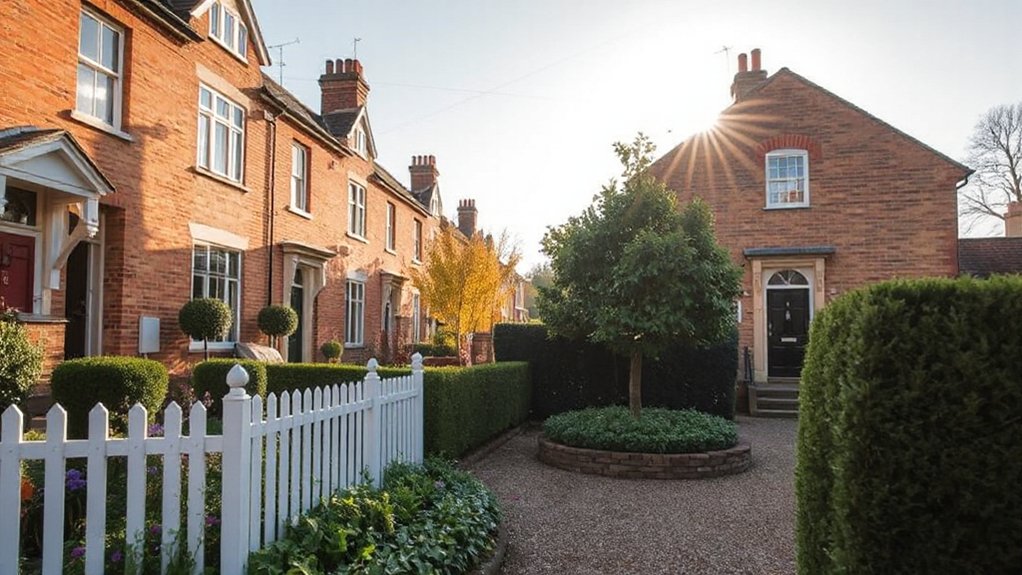
Good planting isn’t just about looks; it’s about structure that lasts. You build that structure with layered elements: a clear garden layout, repeatable silhouettes, and sturdy, evergreen framework.
Start with form-providing backbone—low hedges, clipped perimeters, and defined borders—to guide growth and keep the street view tidy.
Choose plant selection that complements the architecture and soil conditions, favouring durable varieties that thrive with minimal fuss.
Use a cohesive palette and varied heights to create rhythm without chaos.
Plan shifts between beds and paths, ensuring sightlines from curb to doorway remain inviting.
Maintain scale with sensible spacing and regular pruning.
Finally, pair planting with practical features—mulch, irrigation, and access—that support longevity and low maintenance for enduring kerb appeal.
Solve Drainage Early to Protect Your Improvements
Solving drainage early protects your improvements and saves you headaches later. You should assess site grade, soil, and existing drains before you start planting or paving.
Prioritise stormwater management so rainwater flows away from foundations, walls, and new borders. Implement practical drainage solutions that fit UK norms and your property’s footprint, avoiding puddles that erode foundations or undermine paths.
Consider sub-surface options like perforated pipes or French drains where soil permeability is poor, and surface solutions such as swales or gentle slope gradients to direct runoff to a safe outlet.
Guarantee access for maintenance, and check neighbours’ drainage interactions to prevent cross-flow issues.
Document changes for future inspections, keeping the improvements sturdy, dry, and resilient against seasonal weather.
Pick Low-Muss and Durable Materials for Low Maintenance
Choose durable material options that stand up to UK weather and foot traffic, so you’ll spend less time maintaining your kerb appeal.
Look for minimal upkeep solutions that still look good year after year, keeping surfaces clean and stable with simple care.
Prioritize weather-resistant choices that resist staining, fading, and wear, helping you preserve curb appeal without constant upkeep.
Durable Material Choices
When selecting durable, low-maintenance materials for older UK neighbourhoods, prioritize products with proven weather resistance and simple upkeep. You’ll benefit from choosing timeless materials that withstand damp winters and wind-driven rain without frequent repair.
Opt for surfaces and claddings that resist fading, cracking, and mould, reducing ongoing maintenance. Consider fixings and fasteners rated for corrosion resistance to avoid frequent replacements.
Favor low-slope roofing with durable, reflective membranes that shed water and resist moss growth. For pathways and porches, select permeable, durable stones or composites that remain stable in freeze-thaw cycles.
Embrace sustainable choices like recycled or responsibly sourced options that offer long life. Balance aesthetics with practicality, ensuring colours and textures complement historic streetscapes while minimizing upkeep.
Minimal Upkeep Solutions
Prioritize materials that require minimal upkeep while still lasting in wet, windy UK climates. Choose durable, low-muss options that resist rot, rust, and fading, so you invest once and enjoy years of curb appeal.
Use dense timber treatments or composite alternatives for decking and boundaries, then seal joints to minimize water ingress.
Favor powder-coated metal or recycled plastic for garden lighting fixtures and outdoor furniture to avoid frequent repainting.
Keep landscaping simple: evergreen backbone, mulched beds, and low-maintenance borders that don’t demand constant tending.
Opt for pre-finished, weatherproof finishes on exterior surfaces to cut maintenance time.
Plan lighting and seating zones that tolerate routine use without showing wear.
The emphasis stays practical: lasting charm with minimal ongoing care.
Weather-Resistant Options
Weather-resistant options keep kerb appeal intact with minimal upkeep. You choose low-muss, durable materials that endure UK conditions while cutting maintenance.
Start with storm resistant shrubs that stay tidy after wind and rain, reducing pruning needs and keeping your boundary attractive year-round.
Opt for weatherproof fencing built from treated timber, composite, or steel alternatives that resist rot, swelling, and warping; seal joints to stop moisture ingress.
Use gravel or permeable paving to manage runoff and avoid costly drainage fixes.
Select cladding and roofing materials with proven UV and moisture resistance to minimize fading and leaks.
Fashion details in muted colours that hide weathering gracefully, and ensure fittings are corrosion-resistant.
Regular inspections catch issues early, preserving curb appeal without heavy upkeep.
Plan Budget, Timeline, and a Simple Maintenance Schedule
A clear budget, realistic timeline, and a straightforward maintenance plan are the foundations of a successful kerb appeal project. You should define costs upfront, prioritising essential changes first and leaving a contingency for unexpected issues.
Map a practical timeline with milestones you can track week by week, not months apart, so you stay motivated and on target.
Tie decisions to outcomes: how landscaping trends influence plant choices, materials, and labour efficiency, then justify investments with long-term value.
Create a simple maintenance schedule: weekly, monthly, and seasonal tasks that prevent decline and sustain curb appeal.
Include outdoor lighting as a focal point for safety and ambiance, planning wiring, durability, and bulb replacements.
Review progress monthly, adjust scopes, and keep suppliers aligned with your plan.
Frequently Asked Questions
How Can I Verify Local Planning Guidelines for Heritage Homes?
You verify local planning guidelines by checking your council’s Historic Preservation pages and contacting the planning department. You’ll find requirements for Historic preservation and Planning permissions, plus timelines, application steps, and potential approvals or waivers.
Which Bricks and Mortars Best Match Period Properties?
Brick matching and mortar selection depend on your property’s era; choose handmade bricks with aged textures and a lime-putty mortar for authentic seasoning, then guarantee installation mirrors original coursing and color shifts for seamless integration.
What Are Cost-Effective, Period-Accurate Door Designs?
You should choose cost-effective, period-accurate door designs with simple lines and sturdy timber; match door hardware to era details, and keep paint colours authentic to your house. Prioritize durable finishes, easy maintenance, and timeless curb appeal.
How Should I Assess Drainage Without Heavy Landscaping?
Start by surveying slopes and surfaces, then map flow paths to evaluate stormwater management and drainage solutions. You’ll notice a clogged gutter or shallow trench like a bottleneck—fix that first, then install simple grading and permeable paths.
What Maintenance Schedule Suits Long-Term Older Neighbourhoods?
A suitable maintenance schedule for long-term older neighbourhoods balances regular inspections and timely upkeep. You should schedule quarterly garden lighting checks and annual driveway resurfacing assessments, ensuring consistent, proactive care that preserves curb appeal and mitigates costly surprises.
Conclusion
So you’ve upgraded the brick, fixed the steps, and installed period-accurate lighting—great. But remember: kerb appeal isn’t a one-off miracle; it’s ongoing, budget-friendly stewardship. Don’t pretend you’ll “set and forget” drainage or maintenance. Treat it like a public service announcement you’re delivering to a future-me with a mortgage: keep it practical, keep it durable, and keep it tidy. If you do, your street won’t just look better; it’ll politely outlive your old paint jobs. Satire: yes, even your hedge approves.