
You might not realize that you can dramatically cut costs by treating energy upgrades as a priority, not an afterthought. By timing projects for off-peak demand, bundling adjacent tasks, and chasing rebates, you can stretch your dollar without sacrificing quality. Start with high-ROI fixes, compare durable materials, and stack financing options—then negotiate with multiple bids to lock in stable pricing. Curious how these moves fit together for 2026? Here’s where to focus.
Assess Your Renovation Needs and Budget
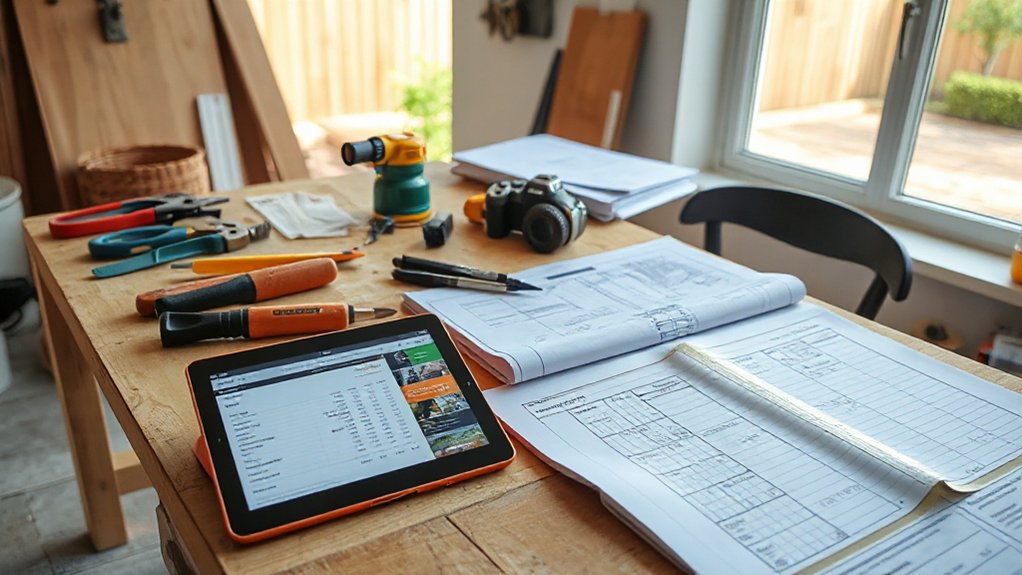
Careful planning starts with a clear view of what you actually need and what you can afford. You assess every item against essential goals, not impulse wants, so you avoid budget bloat from misaligned choices.
Start with a practical inventory: spaces to improve, expected outcomes, and your target timeline. Clarify constraints, including materials, labor, and permit costs, so you can price options accurately.
Compare retrofit fixes versus full overhauls, evaluating long-term value rather than upfront savings alone. Consider Material sustainability and Design aesthetics as guiding criteria, ensuring selections balance function, look, and durability.
Prioritize tasks by impact on daily life and resale value, then map a phased plan that respects cash flow. Use a conservative contingency, track deviations, and adjust promptly to stay on target.
Prioritize Upgrades by Impact and ROI
Focus on high-ROI upgrades first, so your money has the biggest impact.
Before you price anything, assess how each upgrade will affect value, comfort, and energy use, not just upfront cost.
You’ll make smarter choices by weighing impact over price and choosing the options that deliver lasting results.
Prioritize High-ROI Upgrades
To get the biggest bang for your buck, start by identifying upgrades that deliver the highest return on investment and measurable impact on daily life. You’ll want projects that boost value without overhauling systems, like kitchen enhancements, bathroom updates, and energy-efficient fixes.
Prioritize high-ROI choices that also improve usability, such as smarter lighting, low-flow fixtures, and durable materials. Assess payback by factoring cost, energy savings, and resale appeal, then rank options by margin and practicality.
When evaluating each upgrade, consider design trends and material sourcing to balance appeal with budget realism. Seek midrange, long-lasting finishes rather than flashy luxuries, ensuring maintenance remains straightforward.
Document expected costs, timelines, and quantified benefits to keep decisions data-driven and focused on measurable impact.
Assess Impact Before Cost
When prioritizing upgrades, assess impact and ROI before you consider cost. You’ll focus on changes that drive value, not just cheaper options.
Start with impact analysis: quantify how an upgrade improves comfort, durability, energy efficiency, and resale appeal. Compare potential projects by the magnitude of benefit, duration, and likelihood of realization.
Then perform a cost benefit evaluation to separate true value from perception. Favor improvements with broad, long-lasting gains over niche fixes.
Use objective metrics—kilowatt-hour savings, maintenance reductions, or appraisal adjustments—to support your case. Prioritize projects that yield the highest net benefit relative to investment, even if upfront costs are higher.
This disciplined approach prevents penny-wise, pound-foolish decisions and steadies your overall budgeting.
Time Your Projects for Peak Savings
Timing matters when you plan home improvements, since prices and demand swing with seasons, supply chains, and contractor workloads. To capture peak savings, map projects to your local climate and market cycles.
Start with timing considerations: identify off-peak windows when bids are leaner and crews aren’t stretched thin. Prioritize tasks that don’t require permits or major upheaval during busy months, and bundle adjacent upgrades to reduce mobilization costs.
Seasonal planning also means sourcing materials in advance when shortages bump prices. Monitor lead times for cabinets, flooring, and appliances, and lock in contractors during slow periods to negotiate favorable rates.
Maintain flexibility in scheduling, but commit to concrete milestones. By aligning timing with market rhythms, you boost value without sacrificing quality.
Set, Track, and Adjust Your Renovation Budget
Set a clear budget baseline up front, so you know what you can and can’t spend.
Track variances weekly and compare actuals to the baseline to spot drift early.
Adjust your plan proactively—reallocate funds, revise timelines, and confirm decisions to stay on target.
Budget Baseline Establishment
To establish a solid budget baseline, begin by outlining all anticipated project costs, then set a realistic cap that aligns with your funds and goals. You’ll want a clear roster of line items, from design fees to permitting and contingency. Prioritize essential elements and flag optional upgrades that can wait.
Use a bottom-up approach: estimate each cost category, then sum for the baseline. Track spend against this cap weekly, updating forecasts as prices shift or scope changes occur.
When you review options, weigh design trends and material sourcing against longer-term value, not just upfront price. Document approved changes and reallocate funds to protect the baseline.
Keep communications concise with contractors, and lock in prices where possible to avoid surprises later. This discipline safeguards affordability and project success.
Track Variances Regularly
As you move from establishing a budget baseline, you’ll want to track variances regularly to keep costs in check. Track actual spending against the plan at least weekly, flagging any overages or savings promptly. Use a simple spreadsheet or budgeting tool to record each category, noting date, amount, and负责人 reason for change.
Prioritize variance analysis to identify root causes—material price shifts, labor delays, or scope creep—and quantify impact on total cost. When a variance appears, recalibrate forecasts, adjust future purchases, and renegotiate timelines where possible.
Maintain discipline by reviewing commitments, change orders, and contingency use monthly. This disciplined cadence prevents surprise bills and supports smarter decision-making, ensuring you stay aligned with your cost-control objectives without derailing project quality.
Tracking expenses remains your ongoing accountability measure.
Adjust Plan Proactively
Starting with a realistic baseline, you should adjust your renovation plan proactively by setting clear targets, tracking progress, and making timely changes.
You’ll tighten costs by reviewing scope monthly, rebalancing design decisions, and cutting low-impact areas.
Use a simple dashboard to compare actuals against targets, flag overruns, and trigger corrective actions fast.
Prioritize design trends you can implement within budget, and hold off on ambitious finishes that don’t add measurable value.
When a supplier quote comes in high, pivot to alternate material sourcing options that preserve function without inflating costs.
Reassess timelines to avoid overtime and rush fees, then reallocate savings to essential upgrades.
Document decisions, measure impact, and repeat the cycle until the budget stays within range without sacrificing quality.
Compare Materials: Durability, Cost, Life-Cycle Value
When evaluating materials for your project, weigh durability, upfront cost, and long-term value together rather than in isolation. You’ll compare what lasts, how much maintenance you’ll need, and the total life-cycle cost, not just the sticker price.
Favor options with proven durability to reduce replacement cycles, but verify required upkeep and energy performance. Consider material sustainability and environmental impact, because hidden costs often show up as waste, disposal fees, or costly renovations later.
Balance initial spend with projected savings from efficiency, warranties, and downtime. Document performance expectations and supplier reliability to avoid overpaying for flashy features that underperform.
Choose materials that align with real-world usage, local climate, and your budget, then reallocate savings toward essential upgrades or future-proofing.
Reuse and Upcycle: Practical Savings That Work
Repurposing what you already own can cut costs immediately, and reuse or upcycle isn’t just about saving money—it’s about making smart, data-driven choices. You assess components for condition, compatibility, and resale value, then prioritize projects with the biggest return on effort.
Creative repurposing turns leftovers into quality fixtures, while thoughtful upcycling reduces waste and disposal fees. You’ll want to set measurable goals: price-per-use, expected lifespan, and maintenance needs.
Document dimensions, weights, and materials to avoid mismatches. Focus on durable finishes, standard sizes, and reversible updates to preserve future options. Aesthetics matter, but not at the expense of function.
When you blend technique with cost awareness, you achieve steady savings. Embrace vintage revival ideas to complement modern performance without inflating budgets.
Hire Smart: Find Quality Help Without Overpaying
To hire smart without overpaying, start by defining the job scope, budget, and timeline before you call a tradesperson. This clarity helps you compare bids accurately and avoids scope creep later.
Prioritize professional referrals from trusted friends or local trade groups, then verify licensing standards and insurance before proceeding.
Request detailed, itemized quotes that include labor, materials, permits, and contingency.
Check track records: online reviews, completed project photos, and warranty terms.
Don’t default to the lowest bid; instead, assess value, reliability, and communication.
Negotiate fair rates for clearly defined work, and consider phased approaches for larger projects to manage risk.
Maintain documentation, adhere to timelines, and set checkpoints to revalidate scope and budget as work progresses.
Financing and Grants for Affordable Renovations
Financing your renovation doesn’t have to break the bank. You’ll want a clear plan that minimizes interest and recognizes true needs versus wants. Start by mapping costs against your timeline, separating essential upgrades from nice-to-haves.
Government incentives can trim up-front expenses, so verify eligibility early and keep documentation organized. Explore loan options with predictable terms, fixed rates, and affordable monthly payments, then compare total costs over the life of each loan.
Consider secured versus unsecured routes, and don’t overlook credit unions or community banks, which often offer competitive terms. Grants may exist for specific projects or homeowner profiles; research regional programs and apply where eligible.
Always calculate break-even points, weigh refinancing potential, and avoid funding beyond your renovation’s realistic scope. Prioritize affordability, transparency, and long-term value.
Save Smarter With Seasonal Sales and Smart Negotiation
Seasonal sales and smart negotiation can trim costs without compromising value. You’ll leverage seasonal trends to time purchases when prices dip or stock rotates, avoiding peak-season surges. Plan renovations around off-peak windows for big-ticket items, like appliances or materials, and stack sales with manufacturer rebates for extra savings.
Track end-of-month or quarter clearances, and don’t ignore warehouse or surplus outlets that carry lightly used components with legitimate warranties. When negotiating, use preparation as your shield: know current market pricing, request written bids, and set a hard price floor.
Employ clear, concise requests and compare alternatives to fuel leverage. Focus on total value, not just sticker price, by factoring delivery, warranties, and installation timing into your negotiation techniques.
Frequently Asked Questions
How Can I Estimate Project Taxes and Permit Costs Early?
To estimate project taxes and permit costs early, you should map your scope, contact your city for fees, and create a budget plan. Track permit timelines, compare permit process options, and adjust your budget planning accordingly to stay cost-conscious.
Which Energy Upgrades Grant the Best Payback Now?
Live within your means, time is money, and the smart move pays off early: you should upgrade with a smart thermostat and solar panels now, evaluating payback, energy savings, and incentives before committing to any choice.
Can I Mix DIY With Contractor Work Without Risks?
Yes, you can mix DIY with contractor work, but prioritize safety and clear scope. Plan for DIY safety, schedule inspections, and choose a reliable Contractor selection approach to avoid costly overruns and guarantee code compliance.
What Hidden Fees Should I Watch During Bidding?
You’ll want to spot hidden costs early; studies show bids often drift 15–20% higher than initial estimates. Watch for hidden costs and bidding pitfalls like scope creep, change orders, and contingency fees inflating your final price. Stay vigilant.
How Do Seasonal Price Trends Affect Material Timelines?
Seasonal price trends can speed up or slow your project: you’ll see seasonal discounts and potential supply chain delays. You plan around quieter periods, lock in materials early, and factor delays into timelines to keep costs predictable.
Conclusion
You’ll notice the coincidences add up: a smart plan now often mirrors real savings later. When you assess needs, you’ll align upgrades with high ROI; when you time buys, you’ll catch off-peak deals; when you compare materials, you’ll weigh durability against cost. Reuse and negotiate while seeking grants, and you’ll build value that outlasts trends. Stay disciplined, track every line item, and your 2026 renovations finish under budget with lasting quality.