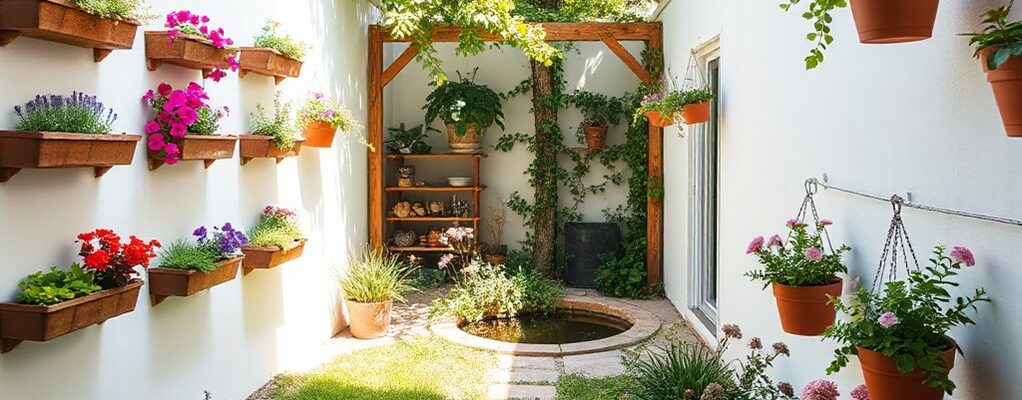
Nearly half of urban homeowners say their outdoor space is underutilized. You can transform a small area with vertical gardens, smart containers, and multi-functional furniture that fit tight footprints. Think tiered planters, wall mounts, and drought-tolerant plants paired with efficient irrigation. Curious how to zone for seating, dining, and greenery without crowding? There’s a practical path to a lush, low-maintenance retreat that stays tidy season after season.
Start Here: Assess Your Small Outdoor Space
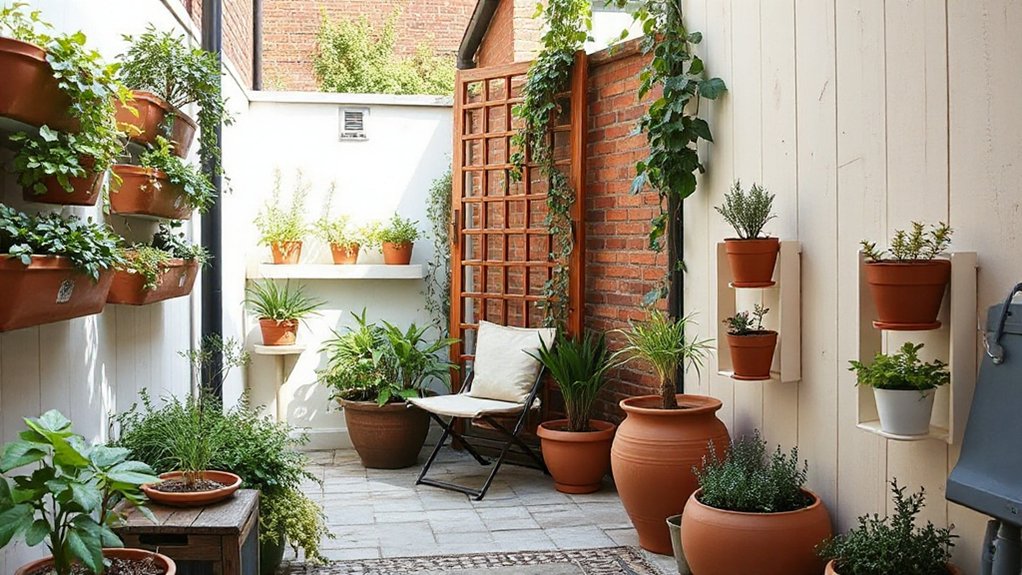
Start by surveying the space with a critical eye: note sun and shade patterns, wind exposure, and boundary constraints. You’ll map microclimates, noting hot spots and cool pockets, then align plants and features to maximize performance.
Assess access for daily care, watering routes, and potential clutter zones. Consider vertical opportunities—trellises, hanging baskets, and wall-mounted art—so you gain depth without increasing footprint.
Visualize progressions from door to garden: sightlines, focal points, and a rhythm of texture. Plan for core elements: seating, a compact planting matrix, and adaptable boundaries.
Incorporate garden art to cue scale and mood, and guarantee landscape lighting supports safety, highlights focal points, and extends usability after dark.
Your assessment becomes the blueprint for efficient, intentional design.
Choose Containers That Fit Your Space
To maximize your patch, pick space-saving planters that fit your layout and weight needs. Consider vertical options to add growable real estate without widening your footprint.
Match container size to plant size and your space, so every inch serves a purpose.
Pick Space-Saving Planters
Want to maximize small outdoor spaces? Pick space-saving planters that fit your layout and needs. Think vertical stacking, cascading troughs, and modular pots you can rearrange as crowds shrink or grow.
Prioritize shallow profiles for sunlit shelves and deep ones for root-lovers, balancing weight and stability. When evaluating options, consider container material for durability, drainage, and aesthetics under sun exposure; choose materials that won’t bow or warp with weather cycles.
Use planters with integrated wheels or lightweight composites to reconfigure without strain. Match plant height to container depth so roots don’t crowd tops, and group by sun needs to minimize shifting.
Avoid gimmicks—opt for uniform drainage, accessible watering, and clean lines that blend with architecture while maximizing yield.
Consider Vertical Options
Vertical options matter when space is tight: you can stack, cascade, or peg plants into the air to free floor real estate without starving roots. Choose containers that fit your space, not just your plants. Slim wall planters, corner shelves, and railing pots multiply growing areas without crowding pathways.
Favor modular styles you can rearrange as your garden layout shifts with seasons. Use lightweight, breathable pots to maintain root health while you optimize drought tolerance and airflow. Pair vertical fixtures with outdoor lighting to highlight focal specimens and guide evening paths.
Confirm irrigation is compatible with elevated setups to prevent overwatering. When selecting containers, consider weight, drainage, and accessibility for maintenance. Vertical options maximize yield while preserving open, usable space.
Match Size To Space
When space is tight, sizing containers to fit your area matters more than the number of plants you cram in. Start with a measured plan: map your garden layout and sketch where each pot will sit, then select container sizes that align with those zones.
Prioritize depth for root crops, width for broadleafs, and height for vertical accents, ensuring stability and drainage. Use stackable or multi-tiered options to maximize real estate without overcrowding.
Choose pots with uniform visual weight to simplify maintenance and water scheduling. Match material and color to your house exterior for cohesion, and consider lightweight composites for repositioning after outdoor lighting checks.
Keep accessibility in mind so you can prune, water, and harvest efficiently. Less clutter, more intentional growth.
Build a Space-Saving Vertical Garden
A space-saving vertical garden stacks greens upward, turning tight patios and balconies into productive plots without sacrificing floor area. You harness vertical grow systems, wall-mounted planters, and freestanding towers to maximize yield in small footprints.
Choose frames that support irrigation tubing and drainage, then secure lightweight, rot-resistant media. You’ll manage watering through drip emitters or capillary mats, reducing runoff and keeping soil consistently moist.
For soil health, mix rich, well-draining soil mixtures with organic compost to sustain root systems while preventing compaction.
When selecting plants, pair compact herbs with leafy greens and compact fruiting varieties that tolerate higher humidity and light shifts.
Keep tools organized in a dedicated gardening tools tote or wall rack, enabling quick maintenance, pruning, and harvest without stepping on precious space.
Craft a Plant Palette for Compact Spaces
Pivoting from a space-saving vertical garden, you’ll want a plant palette that thrives in limited footprints while still delivering harvest and color. Start with core edible staples and space-efficient companions to maximize yield per square foot. Favor compact varieties that mature quickly, such as determinate tomatoes, dwarf peppers, herbs, and greens that tolerate partial shade.
Group plants by color schemes that share light, water, and nutrient needs to simplify maintenance. Use plant combinations that complement growth habits: vertical climbers with bushy understory, low runners beside upright commanders, and compact toppers for easy harvesting.
Blend foliage textures and bloom accents to sustain visual interest through seasons. Plan succession plantings to maintain a continuous harvest, minimizing gaps between crops while preserving a cohesive, attractive look.
Foldable, Multi-Use Furniture for Tiny Patios
Foldable, multi-use furniture is essential for tiny patios, where every inch matters and adaptability wins. You’ll maximize seating and surface area with compact designs that fold flat or hinge away, freeing space for movement or greenery.
Look for lightweight aluminum or powder-coated steel frames that resist rust and resist bending under daily use. Multi-use furniture should combine seating, storage, and a work surface in one piece—think benches with hidden bins or tables that double as planters.
Choose foldable furniture with integrated accessories like hooks, cupholders, or modular cushions that snap on for quick reconfigurations. Prioritize smooth fold mechanisms, secure latches, and weatherproof upholstery.
Efficiently stored pieces keep your patio open, breathable, and ready for spontaneous gatherings.
Micro-Climate Tricks for Sun, Wind, and Moisture
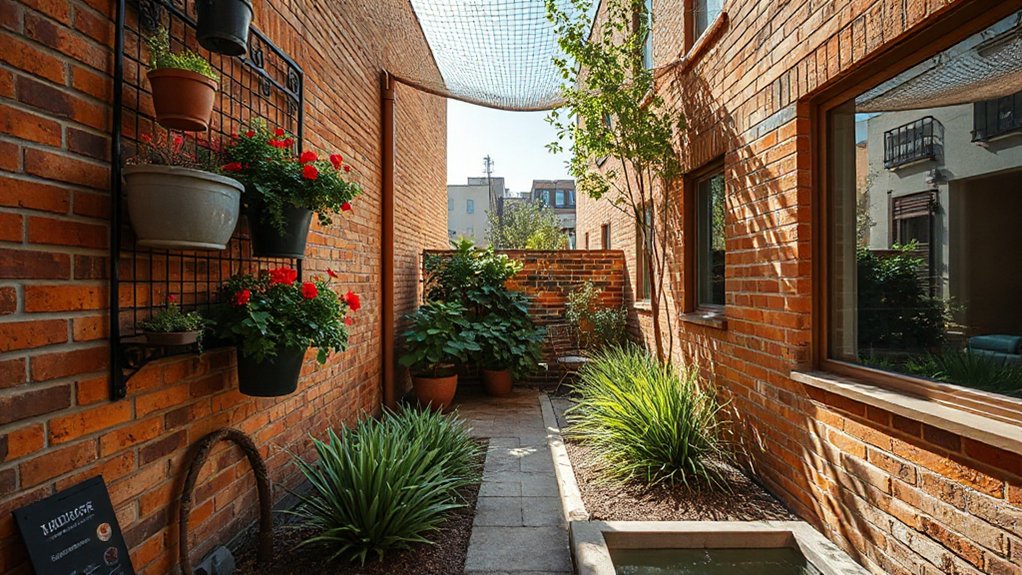
Micro-climate tricks turn limited outdoor space into a resilient living area by tuning sun, wind, and moisture to your advantage. You’ll map sun angles across dayparts, stacking sun-loving and shade-tolerant plants in vertical or tiered beds to optimize photon capture.
Use windbreaks—hedges, lattices, or perforated screens—to channel breezes while reducing heat spikes. Then position seating and pots to create microhabitats that stay comfortable without energy input.
Moisture control relies on soil layering, mulches, and terracotta hygrometry to hold steady humidity around roots. Embrace micro climate management through intentional site zoning, reflective surfaces, and airflow assays that predict microhabitat shifts.
Outdoor microhabitats thrive when you adjust microclimates week to week, not once a season, keeping growth vigorous with minimal intervention.
Waterwise Irrigation and Drainage for Pots
After optimizing microclimates around your outdoor spaces, you’ll turn to efficient watering and drainage when pots are your primary growing vessels. Use a layered potting mix with added perlite or coco coir to boost water retention without soggy bottoms.
Install drip irrigation tied to a timer for steady, low-volume delivery, reducing evaporation and waste. Prefer emitters with adjustable flow so you can tailor moisture to plant needs and seasonal shifts.
Elevate containers on feet or a tray system to guarantee drainage paths stay clear and roots don’t sit in standing water. Choose self-werted soils that wick moisture toward roots, and use a lightweight mulch to stabilize surface evaporation.
Monitor moisture with a simple finger test, adjusting schedules as heat and wind change.
Low-Maintenance Plants That Thrive in Pots
Choosing easy-care pot selections sets the baseline for a tidy, thriving container garden.
You’ll want drought-resistant varieties that perform well in pots, minimizing watering and maintenance while maximizing visual impact.
Start with low-water, compact cultivars to pair reliable performance with effortless upkeep.
Easy-Care Pot Selections
If you want low-maintenance pots that keep your garden looking good without a lot of fuss, start with hardy, compact choices that thrive in containers. Easy-care selections emphasize vigorous growth, compact habit, and minimal maintenance, so you stay in control with simple routines.
For container gardening, choose evergreen foliage or slow-growing perennials that tolerate fluctuating moisture and light. Favor plant container materials that resist cracking and primer fading, like fiberglass, resin, or coated metal, which stay lighter and easier to move.
Pair with drought-tolerant substrates and well-draining potting mixes to avoid root rot. Favor self-cleaning varieties and cultivars with disease resistance to reduce pruning.
Select combinations that offer continuous color with minimal deadheading, so your space stays neat and inviting.
Drought-Resistant Varieties for Pots
Drought-tolerant varieties thrive in pots by design, delivering reliable color and structure with minimal watering. You’ll want compact forms that fill vertical space without overflow, plus root-forced resilience to heat and scant rainfall.
Choose xeriscaping plants that tolerate pot confinement, then layer with a conservatively watered mulch top to slow evaporation. Drought tolerant shrubs provide backbone—think compact ornamental grasses, blue fescue, or dwarf urospermum with crisp foliage.
Pair them with sun-loving perennials like sedum or echeveria for seasonal interest and long-term durability. Guarantee well-draining potting mix and a smart irrigation approach, such as a soaker hose or timed dripper, to prevent overwatering.
Periodically refresh with light pruning and deadheading to sustain color without stressing roots. This combination keeps your container garden vibrant and low-maintenance.
Zoning by Purpose: Seating, Dining, and Greenery
To make the most of a small yard, separate zones by purpose—seating, dining, and greenery—so each activity has its own footprint without crowding the space. You’ll design clear boundaries that guide movement and reduce cross-traffic.
Start with a compact seating nook anchored by low-profile furniture and a subtle walkway. Then place a dining area adjacent but distinct, using a narrow table that folds or nestles into the edge.
Greenery is layered against borders, not mid-aisles, creating depth without intrusion. Use garden lighting to define zones after dark and highlight focal plantings, while outdoor art adds a cohesive vignette without clutter.
Choose multipurpose pieces, durable finishes, and modular layouts to adapt seasonally and maximize Airbnb-ready versatility.
Seasonal Color Swaps and Easy Upgrades
Seasonal color swaps and easy upgrades let you refresh each zone without a full remodel. You optimize impact by swapping in-season hues on cushions, planters, and rugs, then pairing them with weatherproof art or lighting accents.
Use a limited palette per area to keep cohesion while rotating two or three focal colors monthly. Easy upgrades come from modular containers, lightweight trellises, and rule-friendly fasteners that snap into place without tools.
For structure, swap textiles first, then refresh verticals and edging with peel-and-stick panels or weatherproof decals. Seasonally recalibrate plant height with compact perennials or annuals that bloom in your chosen window, avoiding root disruption.
Track color, texture, and bloom times, adapting future swaps to maximize visual cadence and long-term garden efficiency.
Frequently Asked Questions
How Can I Maximize Storage Under a Small Balcony?
Maximize storage under a small balcony by using vertical, weatherproof storage boxes with latching lids and stackable bins. Install balcony lighting integrated with shelves, and add privacy screens that double as hidden pegboard for tools and hanging organizers.
What’s the Best Potting Mix for Shady Containers?
The best potting mix for shady containers is rich, moisture-retentive, and light; over 60% of urban gardeners report improved blooms with complementary compost options and soil amendments. You’ll maximize growth by balancing texture and nutrient availability.
How Often Should I Rotate Vertical Planters?
You should rotate vertical planters every 1–2 weeks to optimize light exposure and airflow. In vertical gardening, adjust positions as plants grow and monitor moisture; this planter maintenance prevents hotspots and promotes steady growth and healthy yields.
Can Edible Plants Work in Compact Container Setups?
Edible plants can thrive in compact containers: 60% yield from balcony gardens when space-efficient, verticals, and inline drip are used. You’ll use companion planting and smart pest control to optimize growth, prevent pests, and maximize harvests in tight setups.
Which Irrigation System Suits Windy Microclimates?
You should choose drip irrigation for windy microclimates, as it minimizes drift, plus pair it with wind resistant sprinklers to guarantee even coverage. This combo reduces evaporation, saves water, and keeps your compact garden thriving under gusty conditions.
Conclusion
You’ve opened a tiny-but-mighty outdoor oasis. With vertical gardens, smart containers, and multi-functional furniture, your space grows without expanding. Stack planters, hang baskets, and tuck drought-tolerant plants into every niche. A smart drip system keeps pots thriving, while zoning defines seating, dining, and greenery for easy flow. Seasonal color swaps refresh the look, and low-maintenance plant choices cut upkeep. Like a well-tailored suit, your compact yard proves big style comes in small packages. Your garden becomes your living stage.