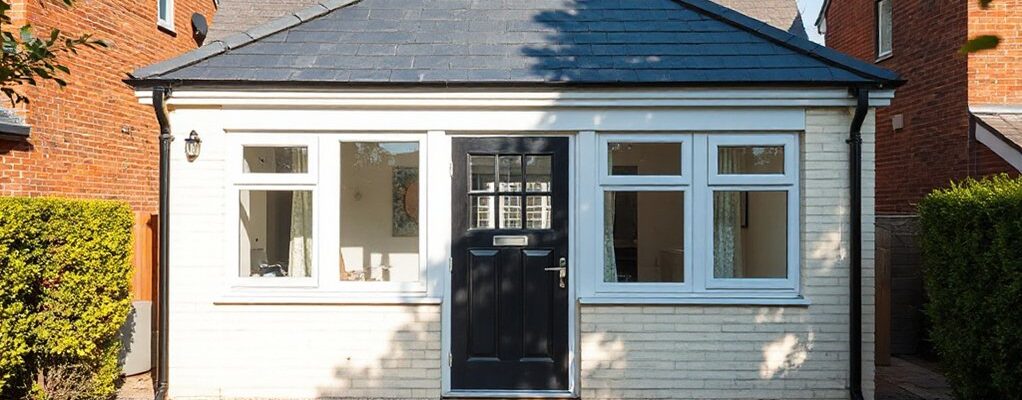
If you’re considering a home upgrade, Permitted Development rights let you add space without full planning, as long as you meet size, height, and location rules. Ground-floor options like conservatories, orangeries, or AOC extensions; upper-floor moves such as dormers or loft conversions; and side or rear enlargements all hinge on specifics about setbacks and volume. The design, materials, and neighbour considerations matter for smooth approval and timing—so you’ll want a clear plan before you start.
Check Eligibility for PD Extensions
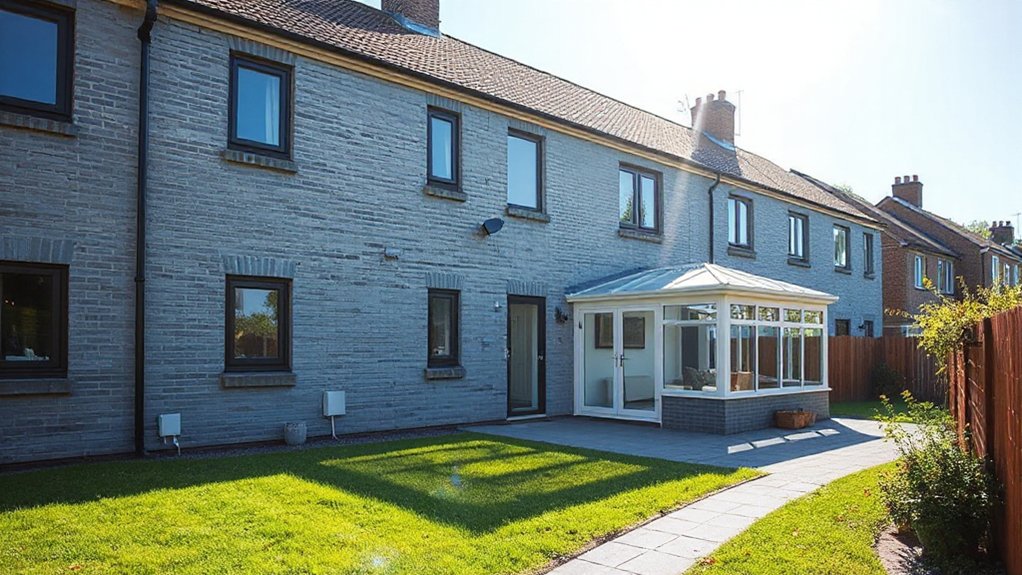
To check eligibility for PD extensions, start by confirming you’re within the permitted development rules that apply to your property type and location. You’ll verify scope, height limits, and rear extension allowances in your planning unit, then confirm any site-specific constraints. You should determine whether you need Building permits or if PD relies on deemed consent, and prepare to document compliance with local authority checks. Assess whether environmental impact thresholds apply, such as daylight, overlooking, and protected features, to avoid constraints or refusals. Consider any protected status, conservation area rules, or Article 4 directions that could limit PD rights. If requirements are met, you proceed; if not, you adjust plans or seek formal planning permission. Environmental impact guidance and permit criteria help inform decisions and risk.
Ground Floor PD Options: Conservatories, Orangeries, and AOC Extensions
You’ll explore ground-floor PD options like conservatories, orangeries, and AOC extensions to understand what qualifies under permitted development. We’ll outline the key limits, such as size, materials, and proximity to boundaries, so you can assess compliance quickly. This discussion will primely compare conservatories, orangeries, and AOC extensions on practicality, costs, and regulatory restrictions.
Conservatories Under PD
Could a conservatory count as permitted development on the ground floor? Yes, if it meets PD criteria for size, position, and materials. You’ll need to confirm the structure remains a single-storey, contiguous to the dwelling, with eaves no higher than 3.0 meters (or 2.5 meters for an attached dwelling), and total ground-floor extensions not exceeding specific limits in your area. PD conservatories can’t exceed 50% of the garden boundary unless a permitted development right changes; check local authority guidance. You must retain existing doors and windows and avoid altering the roof form beyond permitted thresholds. Consider Historical significance and ecological impact: conserve heritage values where relevant, and minimize ecological disruption by using permeable surfaces and wildlife-friendly glazing. Always verify with planning guidance and notify neighbors as required.
Orangeries and AOC Extensions
Orangeries and AOC Extensions sit alongside conservatories as ground-floor PD options, but they come with tighter design constraints. You plan extensions with stricter glazing, boundary treatments, and ceiling heights, so you stay compliant while preserving style. In practice, you’ll assess approved dimensions, articulation, and proportion to avoid planning disputes. Favor robust, secure frames and discreet mechanisms to bolster home security without undermining light. Consider garden landscaping impacts, ensuring layout supports drainage, access, and visual cohesion with neighboring plots. AOC extensions require specific use and materials alignment with restrictions, so you’ll verify functional use and appearance before construction. You’ll document compliance steps, respond to potential amendments, and coordinate with installers to maintain PD legitimacy and safety.
- Regulatory checks before build
- Material and finish alignment
- Security-enhancing details
- Landscaping integration
- Post-build documentation
Upper-Floor PD: Dormers, Roof Extensions, and Loft Conversions
Are you considering upper-floor permitted development (PD) options like dormers, roof extensions, and loft conversions? You’ll evaluate compliance with Class B PD rules, including volume limits, external alterations, and proximity to boundaries. Check eaves height, thickness, and any material matching requirements, since non-compliance risks loss of PD rights and potential planning disputes. Historic preservation concerns may constrain design choices; choose dormer shapes and roof profiles that respect the street scene while maximizing light. Environmental impact should guide materials, insulation, and ventilation choices to minimize energy use. Confirm prior approval where required and verify site-specific restrictions, such as proximity to protected trees or listed structures. Document plans, calculations, and permissions to avoid retrospective enforcement issues.
Side and Rear PD: Volume, Setbacks, and What Counts
Side and Rear PD often hinges on volume, setbacks, and what counts toward limits. You’ll need to track allowable floor area, porch depth, and any extensions that exceed permissive volume. Local planning guidance clarifies what counts as “built form” versus “landscaping,” so check the boundary between soft and hard features. You must also consider building height restrictions, which cap overall rise and may affect eaves or ridge lines. In many cases, rear and side projections still require maintaining separation from boundaries to preserve light and access. Always verify if landscaping regulations alter the visual impact or measurement baseline, and confirm if any obstructions reduce usable PD space. If in doubt, consult the planning authority early.
- Landscaping regulations impact measurement baselines
- Clarify what counts toward volume limits
- Height restrictions affect ridge and eave lines
- Side and rear projections require boundary setbacks
- Early authority consultation minimizes refusals
Design and Materials for PD: Compliance and Neighbour Considerations
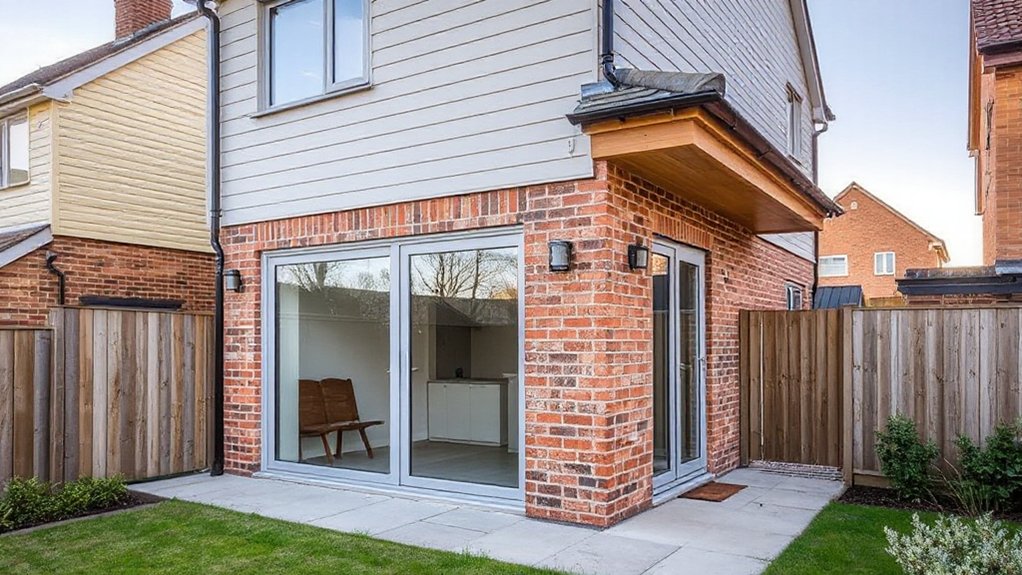
You’ll want to assess how design compliance and material choices affect PD eligibility and neighbour relations. Material selections can influence appearance, sound, and overshadowing, so pick substrates and finishes with regulatory alignment in mind. We’ll explore how to balance architectural intent with statutory limits and neighbour expectations.
Design Compliance Dords
Design compliance for permitted development hinges on how you choose materials and how the work relates to neighboring properties. You’ll assess design compatibility, windows, and elevations to avoid visual discord and complaints. Focus on materials, finishes, and detailing that respect local character and the PD rules, while guiding future inspections. Prioritize architectural aesthetics and environmental sustainability to support long-term value and energy performance. Maintain clear documentation of materials, colours, and dimensions for audit trails and neighbour discussions. Confirm eaves, protrusions, and height transitions align with permitted limits and planning context. Be prepared to adjust design if neighbours raise concerns or if guidance changes.
- Align with local character and materials
- Minimise overlooking and loss of sunlight
- Use durable, low-maintenance finishes
- Document specifications thoroughly
- Consider energy efficiency and sustainability
Material Choice Impacts
Material choice directly influences compliance and neighbour relations under permitted development. You’ll assess materials based on regulations, preserve light and sightlines, and avoid cul-de-sacs of objection. Material durability matters: select weatherproof, low-maintenance options that endure seasonal changes without frequent replacements. Aesthetic harmony matters too: select finishes, textures, and colors that integrate with adjacent properties and the streetscape, reducing conflict with neighbours and planning expectations. Consider roof, wall, and boundary treatments for PD extensions; uniform volumes and compatible profiles reduce dissent and enhance approvals. Document performance claims and supplier data for durability and weather resistance. Confirm fire-safety requirements meet current guidance, and avoid conspicuous materials that provoke scrutiny. In short, your material decisions shape compliance outcomes and neighbour relations, delivering practical, durable, and harmonious extensions.
Planning Ahead: Costs, Timelines, and Practical Design Tips
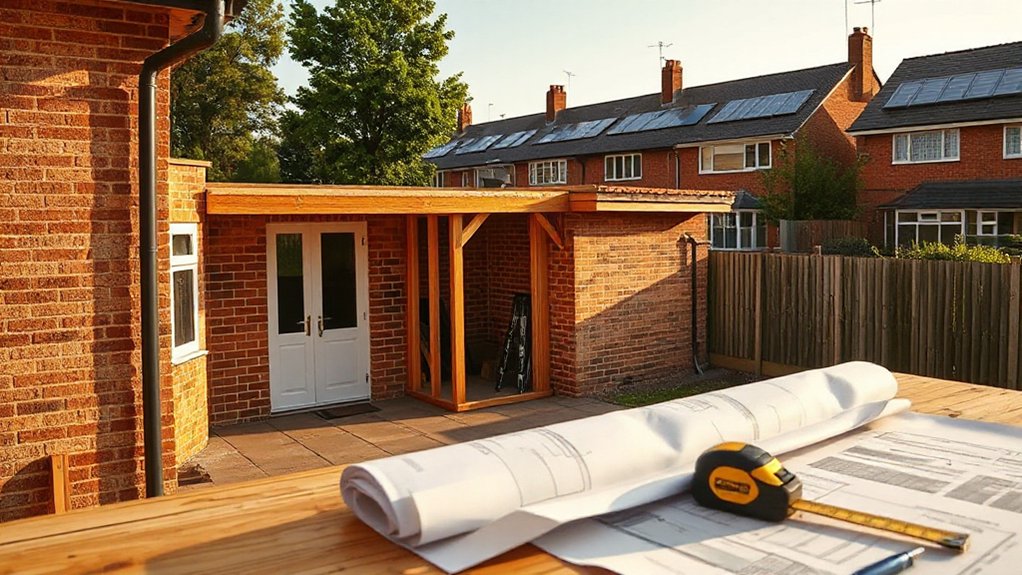
Planning ahead for permitted development requires a clear handle on costs, timelines, and practical design constraints to avoid delays and concessions later. You’ll map build costs, secure permits, and set realistic milestones, then balance them against regulatory limits for extensions. Consider practical design constraints early: rooflines, daylight, access, and drainage, plus sustainable materials and historic building considerations to preserve value and compliance. Establish a review checklist for each stage, from initial sketches to construction kickoff, and build in contingencies for price swings and approval uncertainties. Align with planning guidance to minimize revisions and friction.
- Budget buffers and cost-tracking milestones
- Permit timelines and decision points
- Design constraint prioritization
- Material sourcing and sustainability targets
- Historic building considerations integration
Frequently Asked Questions
Can PD Rights Apply to Listed Buildings or Protected Structures?
Yes, but PD rights rarely apply to listed buildings or protected structures. You must respect historic restrictions and Conservation areas, seek consent, and consult planners; permitted development generally doesn’t override listed status or conservation requirements.
Do PD Extensions Require Prior Approval or Notification to Councils?
You don’t typically need prior approval for a permitted development extension, but you must notify the council or rely on planning status, and you’ll need to respect Building foundations, Material restrictions, plus any specific local conditions.
Are There Height and Width Limits for PD Additions?
You’ll find height and width limits exist under permitted development, with building regulations shaping what you can add. Approximately 30% of adds exceed limits nationwide—that’s why strict design restrictions apply, so verify measurements before planning reduces compliance risk.
How Do PD Rules Differ Between England and Wales?
England and Wales share most PD basics, but you’ll see historical restrictions and regional variations in permitted levels, planning authorities, and notice needs; you must check local guidance, as rules differ, especially in Wales’ housing and conservation areas.
Can You Add Habitable Rooms Under PD Without Planning Permission?
Starting a floodgate, you push forward: you can’t add habitable rooms under PD without planning permission. Interior conversions must respect structural regulations, setbacks, and limits; otherwise, you’ll need approval or risk enforcement.
Conclusion
You can extend under PD, but keep expectations modest and milestones clear. It’s not a free pass, it’s a careful balance—design compatibility, neighbour courtesy, and strict limits all guide the outcome. Plan early, document decisions, and price conservatively to avoid delays. If in doubt, seek swift pre-application guidance to smooth the process. By staying within rules and communicating openly, you’ll likely achieve a practical, compliant upgrade that harmonises with your home and street.