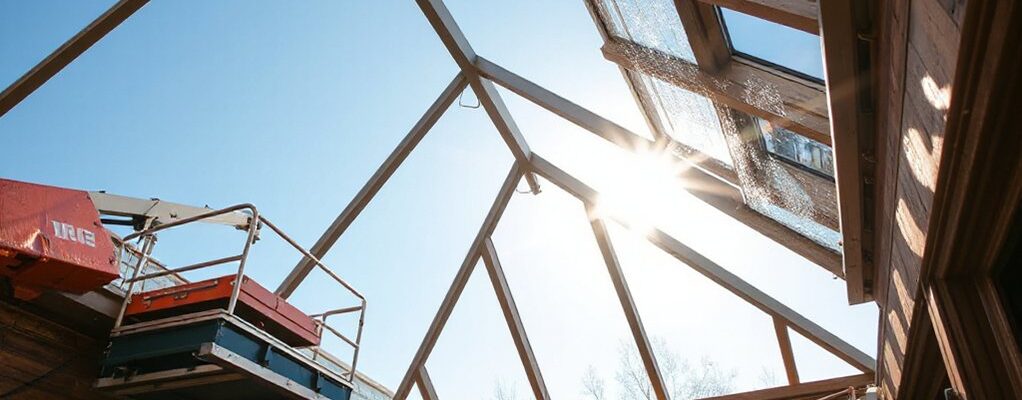
A conservatory roof replacement involves planning, selecting high-performance materials, and handling permits, with steps that include removing the old roof, inspecting rafters, and installing a weatherproof new system. You’ll choose a style suited to your climate, weigh polycarbonate against solid panels, and factor in insulation and ventilation. Budgets vary with materials and complexity, so obtain multiple quotes and build in contingencies. The right approach improves energy efficiency and durability, but there are decisions you’ll want to ponder before you start.
What a Conservatory Roof Replacement Involves: Steps, Materials, and Permits
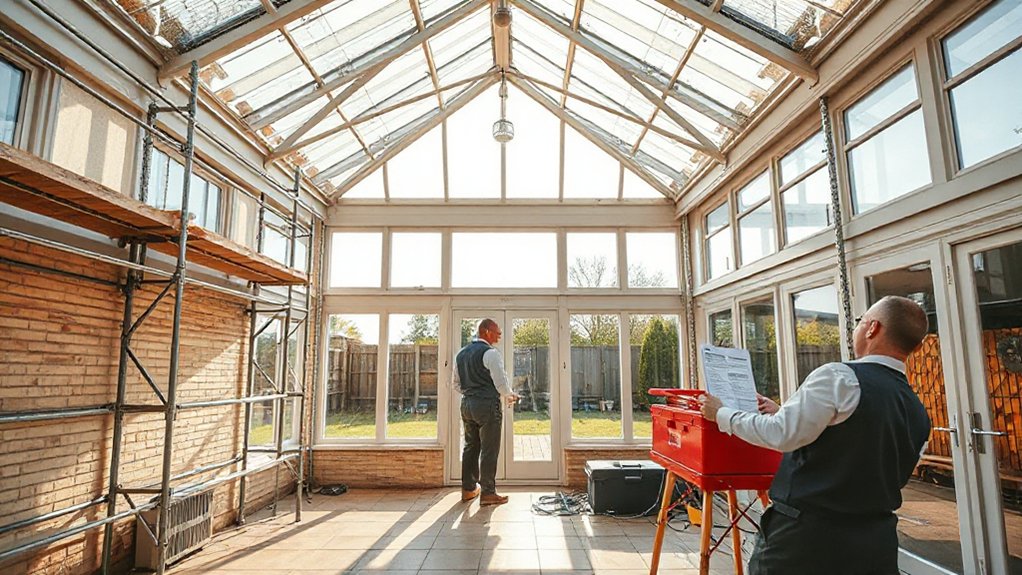
Replacing a conservatory roof involves careful planning, proper material selection, and the right permits. You’ll assess structural support, confirm openings, and budget for removal, disposal, and installation. Steps typically include removing the old roof, inspecting rafters, adding a solid base, and fitting the new system with weatherproof seals. Materials vary from polycarbonate to solid or hybrid panels, each with distinct insulation and weight profiles. You’ll need building permits where required and may have to meet local energy codes. Consider Roof insulation to minimize heat loss or gain and to improve comfort year-round. Plan ventilation options to prevent condensation and overheating, including soffit vents, ridge vents, or mechanical exhaust if needed. Ensure warranty coverage and service access for future maintenance.
Choosing a Conservatory Roof Style for Your Climate
Choosing a conservatory roof style that suits your climate starts with understanding how heat, cold, and moisture move through your space. You want a roof that handles seasonal swings without stressing your energy bills. Start by evaluating heat gain in summer and heat loss in winter, then map moisture risks like condensation and damp. A lightweight, insulated option reduces temperature swings, while a solid or hybrid roof can boost thermal performance. Consider how you’ll use the room year‑round; privacy, glare, and noise influence design. Roof insulation matters: choose materials with high R-values and low emissivity to keep comfort predictable. Ventilation options, such as vents, skylights, or passive louvers, ensure fresh air without drafts. Pick a style that aligns with your home and climate.
Costs and Budgeting for a Conservatory Roof Replacement
How much should you budget for a conservatory roof replacement, and how can you plan for potential surprises? You start with a practical budget that covers materials, labor, permits, and disposal. Build in a contingency of 10–15% for unexpected issues, such as structural checks or weather delays. Track costs with a simple ledger and compare quotes from at least three installers. When evaluating bids, prioritize clear breakdowns and warranties, not only price. For financial planning, separate a funding pool for contingencies, and confirm any financing options early to avoid delays. Use Material comparisons to assess insulation, glazing, and durability, weighing long-term savings against upfront costs. Document decisions, timelines, and receipts to support future maintenance and resale value.
Installation Timeline for Your Conservatory Roof
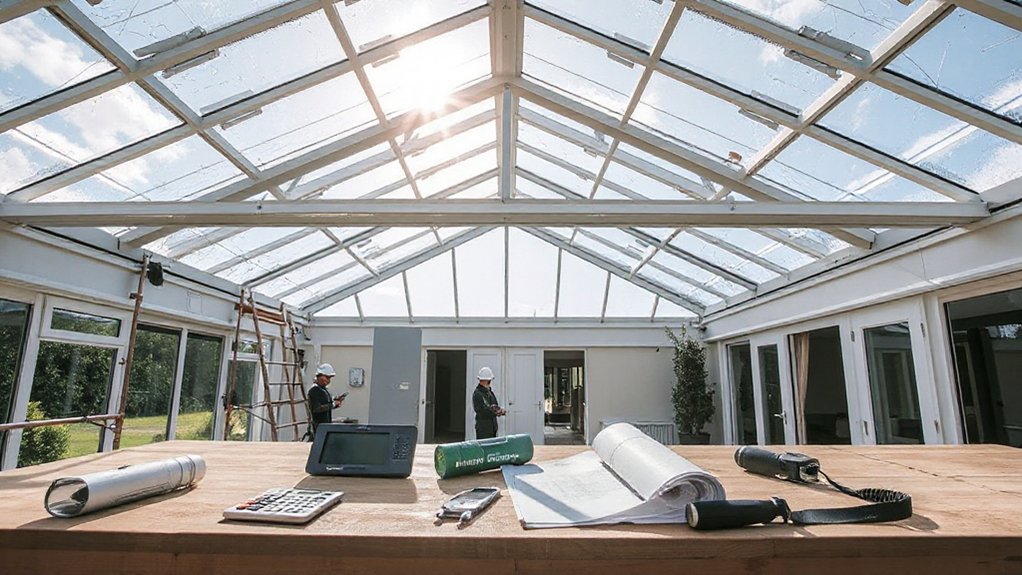
Once you’ve planned the budget and chosen a contractor, map out a realistic installation timeline from start to finish, factoring in weather windows, material lead times, and permit approvals. A clear schedule reduces surprises and keeps everyone accountable, from demolition to final touches. Coordinate delivery windows to minimize delays, and allocate buffers for weather or inspection holds. Make sure you’ve planned for Roof ventilation and Insulation options early, so the trades align and performance targets stay on track.
- Confirm delivery dates and access permissions to prevent downtime.
- Schedule sequential trades to avoid overlaps and reworks.
- Build in inspection, sign-off, and contingency buffers.
- Finalize testing for ventilation, insulation, and sealing.
Maximizing Savings and Pitfalls to Avoid
To maximize savings and sidestep common pitfalls, start with a clear scope and firm budget, then align all decisions with that baseline. You’ll reduce change orders and keep contractors accountable. Prioritize energy efficiency—choose high-performance glazing, proper shading, and airtight seals to cut long-term heating and cooling costs. Compare material durability alongside price, since cheaper options may wear faster and raise replacement frequency. Demand detailed written warranties and documented installation steps to guard against leaks or insulation gaps. Get multiple, itemized bids and verify each includes vapor barriers, flashing, and roof-to-wall connections. Schedule a pre-installation checklist to prevent surprises. Finally, avoid piecemeal upgrades; a cohesive design with compatible components minimizes maintenance and maximizes overall return on investment.
Frequently Asked Questions
How Long Does a Conservatory Roof Replacement Typically Require Permit Changes?
You’ll likely need permit changes within a few weeks to a couple of months, depending on your jurisdiction’s permit process and building codes. Prepare plans, submit documents, and track reviews as inspectors verify code compliance throughout.
Can a Replacement Roof Improve Energy Efficiency Year-Round?
Yes, your replacement roof can boost energy efficiency year-round. You’ll gain better solar insulation and ventilation upgrades, reducing heat gain in summer and heat loss in winter while keeping comfortable temperatures indoors.
What Maintenance Is Needed After a Roof Replacement?
Soon as you replace it, you’ll inspect for leaks and set up a maintenance routine. You’ll check roof insulation and drainage systems, clean gutters, and reseal joints, scheduling annual checks to prevent moisture and heat loss.
Are There Hidden Costs Not Covered by Standard Quotes?
Yes, there can be hidden fees and unexpected expenses beyond standard quotes. You should budget for permits, scaffold access, insulation upgrades, waste disposal, and potential structural fixes, as these costs often surface during installation or post-work inspections.
Can You Retrofit a Glass Roof to Maximize Natural Light?
Yes, you can retrofit a glass roof to maximize light. With a glass upgrade, you’ll maximize light enhancement, reduce shading, and improve brightness; guarantee UV protection and thermal performance meet your needs for a brighter, comfortable interior.
Conclusion
When you replace your conservatory roof, you’ll gain better insulation, weatherproofing, and year‑round comfort. Start by comparing quotes, choose high‑performance materials, and plan for permits and timing. A tight, detail‑oriented project prevents leaks and glare, saving you money over time. For example, imagine Maria adding a polycarbonate roof with insulation: her bills drop, her space stays cool in summer and warm in winter. With careful planning, your upgrade pays for itself and enhances your home.