
Like a quiet harbor after a storm, your garden can feel calm with less effort. You’ll want durable materials, smart plant choices, and simple routines that work with UK weather. Start with hardy, drought-tolerant perennials, replace lawn where possible, and group by water needs. Keep chores predictable and seasonally aligned, so maintenance stays manageable and costs stay down. If you want a space that looks good year-round with minimal fuss, this approach sets the stage.
Foundations of a Low-Maintenance UK Garden
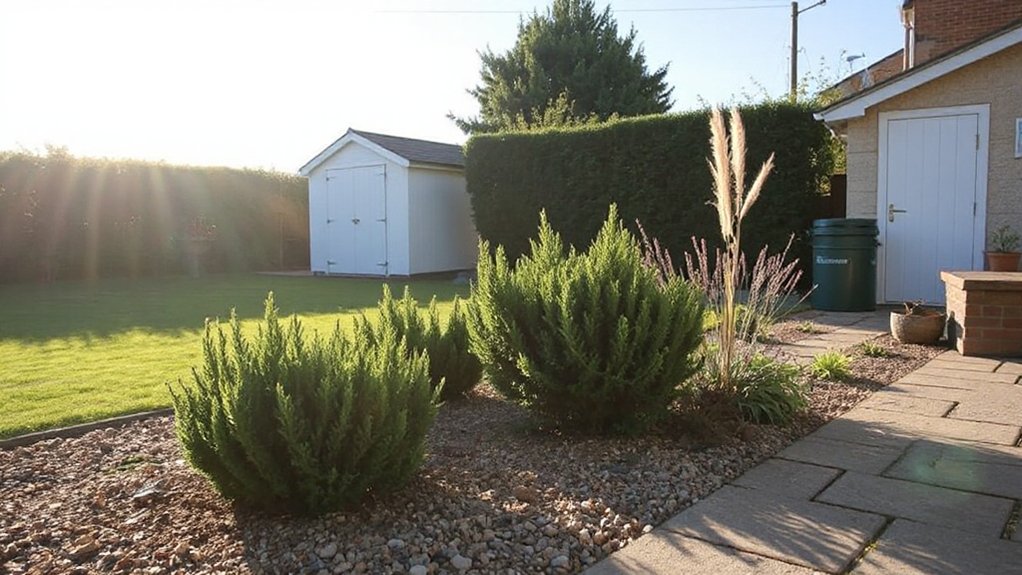
A low-maintenance UK garden starts with solid foundations: smart site planning, resilient plant choices, and efficient maintenance routines. You map sun, shade, drainage, and accessibility, prioritising paths and borders that stay clear with minimal effort. Choose hardy, adaptable plants that fit your soil and climate, reducing replacements and watering needs. Use durable materials for hardscape, screens for wind protection, and a simple irrigation approach that targets critical periods. Garden art acts as a focal point with minimal upkeep, while wildlife habitats blend beauty with benefit, inviting birds and insects without demanding daily attention. Draft a maintenance calendar: seasonal checks, mulch layers, and timely pruning. Keep tools handy, storage tidy, and routines repeatable; clarity and consistency cut effort while preserving form and function.
Pick Drought-Tolerant Perennials for UK Conditions
You’ll choose drought-tolerant perennials that suit UK conditions, prioritizing water efficiency and long-season interest. Look for species adapted to your climate, with proven drought tolerance and low maintenance needs. Pair your picks with smart planting and mulching to reduce irrigation and keep roots cool.
Drought-Tolerant Perennials
What drought-tolerant perennials best suit UK conditions, and why do they work here? You’ll prioritise low-water, low-maintenance options that thrive in varied soils and sun. Choose hardy, if possible native species, and mix textures for year-round structure. Native grasses add movement and drought resilience, while compact perennials provide quick fill and soil cover. For rock gardens, select drought-hardy plants with shallow roots and sun-baked tolerance to prevent maintenance headaches. Think low-growing Sedum, Thyme, and coreopsis, plus Salvia for late-season color. Group by sun exposure, water needs, and soil type to simplify care. Mulch lightly to conserve moisture without suffocating roots. Establish plants with deep, steady watering early, then let rainfall and occasional irrigation carry you forward.
UK Climate Adaptations
UK summers can be dry and winters mild, so pick drought-tolerant perennials that cope with variable rainfall and soils. You’ll favor robust, low-water varieties that establish quickly and resist drought spells. Choose natives or well-adapted companions that suit your soil type, sun exposure, and drainage. Prioritize deep-rooting plants to stabilize moisture and reduce irrigation needs. Group similar moisture needs to simplify care and prevent overwatering. Mulch to conserve soil moisture and suppress weeds, but avoid thick layers near crowns. These choices support wildlife habitat by providing nectar, seeds, and shelter, while still maintaining a tidy, low-maintenance aesthetic. Soil enhancement occurs as roots penetrate, organic matter builds, and microbial activity thrives, improving structure for future plantings and resilience.
Water-Efficient Planting Choices
Drought tolerance starts with selecting hardy perennials that thrive on minimal irrigation in UK conditions. You’ll shift to plants that endure dry spells, reduce watering needs, and still deliver structure and color. Choose species known for deep roots, drought resilience, and seasonal interest. Pair them with practical planting schemes that supplant lawn space and support local wildlife.
- Sedum and Hylotelephium varieties for sun, low water, and lasting blooms
- Lavenders and santolinas for scent, bees, and heat tolerance
- Geranium ‘Rozanne’ and similar cultivars for ground cover with modest water needs
- Echinacea and rudbeckias for late-season color, pollinator value, and ease of care
Plant container ideas suit balconies; wildlife attracting plants boost biodiversity in small spaces.
Smart Lawn Alternatives That Boost Curb Appeal
Smart lawn alternatives can boost curb appeal with less maintenance. You’ll replace high-water, high-mow turf with thoughtful groundcovers, gravel paths, and stepping stones that read as deliberate design. Choose low-growth, drought-tolerant options that hybridize function with form, so you still get a green frame without constant care. Consider clover, creeping thyme, or ornamental grasses for texture and color that survive UK conditions. Integrate mulch beds to suppress weeds and retain moisture, and install edging to keep lines clean and boundary crisp. Use garden decor strategically—a sculptural stake, a pared-down bench, or a small water feature—to anchor the space. Address pest control with natural barriers and companion planting, keeping maintenance minimal.
How Sun, Shade, and Soil Determine Plant Choices
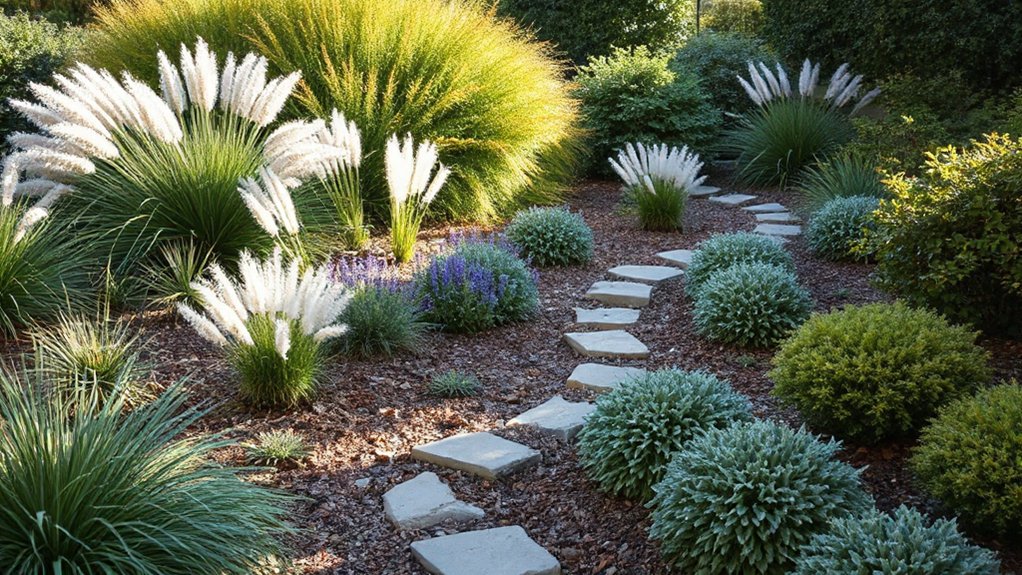
Sun and shade aren’t just light conditions—they shape which plants will thrive and which will struggle. You pick what fits your site by watching sun hours, soil moisture, and drainage, then match plants to those microclimates. Plain, robust choices limit upkeep and vacancies.
- Assess sun drafts across the day, then group plants into full sun, partial shade, and shade.
- Test soil texture and drainage; amend only where needed to avoid constant feeding.
- Choose drought-tolerant species for hot spots and moisture-loving ones for damp corners.
- Think practical aesthetics: keep Garden furniture and decorative accents at access-friendly heights and near shade.
Minimal changes, clear purpose, fewer replacements, calmer garden rhythms.
Smart, Low-Maintenance Bed Design That Reduces Weeding
A bed designed for low maintenance starts with layout and planting choices that curb weeding from the outset. You choose a simple geometric bed shape, tight planting pairs, and a clear annual/perennial mix to minimize gaps. Ground cover and mulches form a continuous base, suppressing weeds while moderating moisture and temperature. Select plants with similar sunlight needs and growth rates to reduce thinning and relocation. Use durable edging to keep paths clear and prevent grass encroachment. Create a focal point with garden art that invites attention to tidy lines rather than bare soil. Incorporate decorative pathways that guide foot traffic away from beds, reducing wear and soil disturbance. Keep maintenance predictable: plan, mulch, prune, and observe for early issues. This approach stays practical, efficient, and visually coherent.
Simple Watering and Feeding Routines That Work
Watering and feeding should be simple, reliable, and aligned with your garden’s needs. You’ll keep it lean and effective by matching water to plant demand and feeding to growth stages, without overcomplication.
1) Water early, deeply, and infrequently to encourage deep roots and drought resilience.
2) Use a drip or soaker system on a timer, minimizing waste and pest moisture hotspots.
3) Apply slow-release or balanced feeds at key growth moments, then pause in extreme heat.
4) Do soil testing once or twice a year to tailor amendments and spot garden pests early.
Keep notes, stay consistent, and adjust based on plant vigor.
Seasonal Care Calendar for Less Work
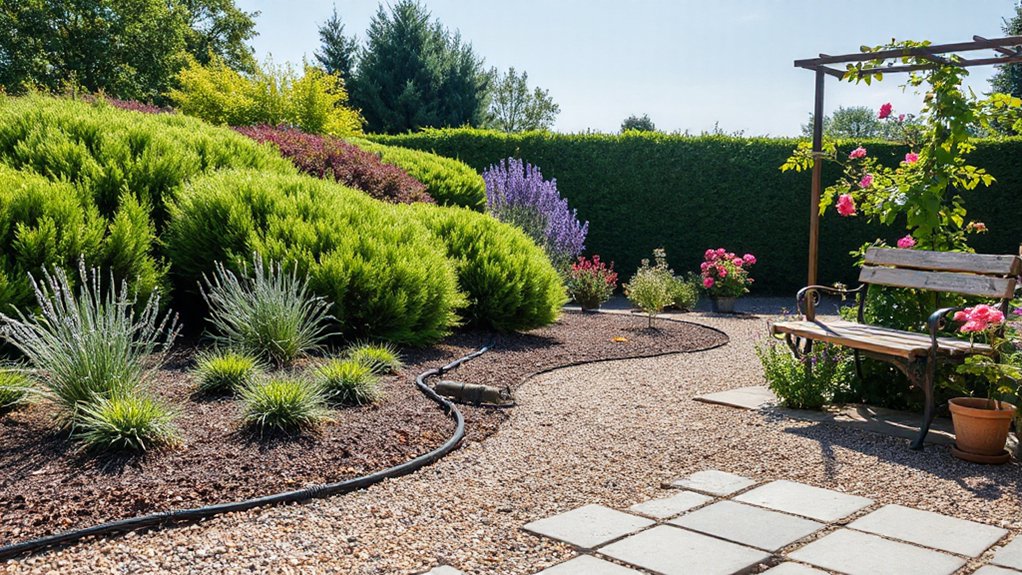
We’ll map out a simple seasonal calendar that flags peak work times and keeps chores minimal across the year. You’ll see year-round, low-work tasks that fit weather shifts and garden zones in the UK. This approach uses clear windows for maintenance, with just enough tasks to stay on top without overload.
Seasonal Maintenance Windows
Seasonal maintenance windows help you plan tasks so you toil only when necessary. You’ll align chores with weather, pest cycles, and plant needs, reducing waste and fatigue. This windowed approach keeps your garden calm, predictable, and easier to manage year to year. Focus on essential actions that suit UK climates and your space, prioritizing durability over novelty.
1) Schedule pruning after frost risk, avoiding wasteful regrowth.
2) Bundle watering tasks with cool, overcast days to minimize evaporation.
3) Time fertilisers to active growth spurts, not calendar dates.
4) Tie care for wildflower patches and vertical gardening into seasonal pockets for maximum impact.
Year-Round Low-Work Tasks
Are you aiming to cut effort while keeping a thriving UK garden year-round? A practical year-round plan keeps tasks predictable and minimal. In every season, prioritize durable boundaries between beds and lawn to reduce edging and mowing. Use perennial groundcovers to suppress weeds with less maintenance, and choose mulch to conserve moisture. Schedule light pruning after flowering, and snap-tack items that create clutter—less cleanup, fewer replacements. Integrate Garden furniture in sheltered spots to encourage use without heavy upkeep, and position spaces to minimize movement and soil compaction. Create Wildlife habitats by leaving occasional bare soil patches, log piles, and native plant mixes to attract beneficial insects. Automate irrigation where possible, and batch tasks into short, regular sessions for steady, low-effort results.
Budget-Friendly Tips to Save Time and Money
Budget-friendly tips save you time and cut costs from day one. You’ll simplify the garden by prioritizing setup over fussy maintenance, using durable basics and smart spacing.
- Reuse and repurpose: repurpose containers, mulch with existing materials, and choose perennial natives that thrive with minimal input.
- Plan and test: map beds, group chores, and perform soil testing to tailor amendments—avoids waste and overwatering.
- Multitask watering: install drip lines or soaker hoses, pair with a rain sensor, and water at dawn to reduce evaporation.
- DIY fixes: sharpen tools, repair fences, and keep paths clear to prevent pests and accidents.
Note: Garden pests and soil testing guide you toward resilient choices, not shortcuts.
Common Pitfalls to Avoid in a UK Low-Maintenance Garden
Avoiding common missteps keeps a UK low-maintenance garden truly low-maintenance. The biggest pitfall is overchoosing plants that demand care, irrigation, or frequent pruning. Pick hardy, drought-tolerant options suited to your region and allocate mulch to suppress weeds and retain moisture. Overwatering is another trap—let the soil dry between sessions and rely on rainfall rather than a strict schedule. Don’t neglect soil health: a simple compost layer improves structure and reduces future inputs. When planning, resist clutter: a compact layout saves time on weeding and mowing. For practical use, select durable garden furniture and arrange it to minimize movement and maintenance. Finally, don’t skip pest control basics; monitor early, use targeted measures, and avoid blanket treatments that disrupt beneficials.
Frequently Asked Questions
How to Maintain Soil Health With Minimal Effort?
You maintain soil health with minimal effort by testing soil every year, then add compost and organic mulch. You’ll sustain structure, nutrients, and moisture through simple cycles—soil testing, organic mulching, and light feeds as needed.
What Plants Resist UK Pests Without Sprays?
Pest resistant plants thrive with minimal fuss, so you rely on natural pest control. Choose hardy perennials, herbs, and ornamental grasses, monitor early, and let beneficial insects do the work—you keep maintenance low and garden resilient.
Which Irrigation Systems Suit Small UK Gardens?
Drip irrigation suits small UK gardens best, delivering water precisely where needed and reducing waste by about 30%. You’ll also benefit from rainwater harvesting, integrating simple, efficient lines that minimize maintenance and maximize reliability.
How to Handle UK Winter Wind and Frost Risks?
You’ll protect against winter wind and frost by layering windbreaks, mulching beds, and moving tender pots indoors. Choose frost resistant plants and use protective covers; monitor forecasts and rehearse quick adjustments for winter protection and plant resilience.
Can You Mix Native and Ornamental Plants for Low Upkeep?
Sure, you can mix native diversity with ornamental selection for low upkeep, and it pays off. You’ll gain resilience, easier maintenance, and year‑round interest—stick to durable natives and robust ornamentals, balancing color, texture, and seasonal gaps. It’s a win-win.
Conclusion
In you, the garden begins as a blank slate, but soil and stone soon speak. Let gravel paths be riverbeds guiding the eye; drought-tolerant perennials stand like steadfast guardians, resilient against the wind. Groundcovers creep rather than chase, whispering “done.” Mulch colors the days, reduces toil, and feeds the earth. With seasonal rhythms and smart design, you water less, weed less, and watch life linger. Your low-maintenance plot becomes a quiet, self-sustaining symbol of calm and clarity.