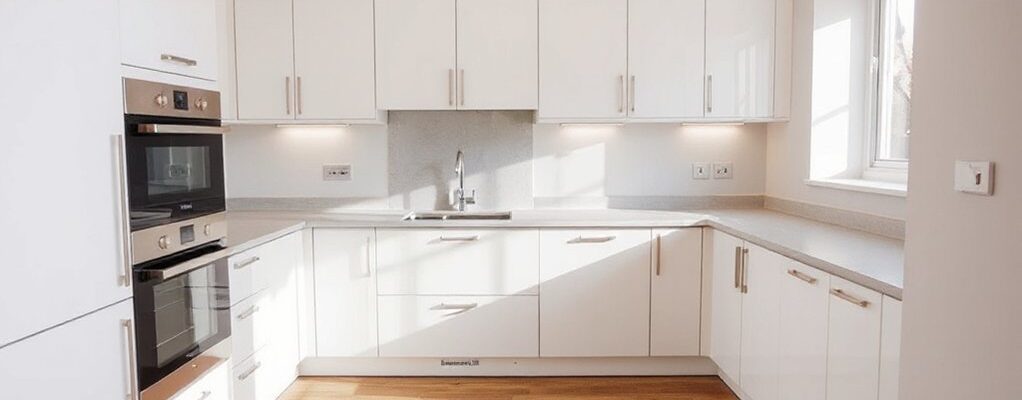
You might think a kitchen upgrade is a hassle you can skip, but a well-planned install can protect your asset and attract reliable tenants. You’ll need to align with your tenancy agreement, permissions, and building regs, then budget with quotes and contingencies. From durable, compliant fittings to clear documentation, each step reduces risk and cost. If you’re ready to map milestones, costs, and approvals precisely, keep going to structure a smooth, compliant project.
Step 1: Check Your Tenancy Agreement for Kitchen Changes

Before you do anything else, read your tenancy agreement carefully to see what it says about altering the kitchen. You’ll want to confirm who owns fixtures, what changes require consent, and any notice periods for renovations. Check clauses that cover appliance installation, as some agreements restrict non-approved installations or require professional certification. Look for terms about alterations to plumbing, gas, or electrical fittings, since mishaps can trigger liability or rent adjustments. Note any restrictions on design aesthetics, such as cabinet colors, worktop materials, or tile patterns, and whether modifications must revert at the end of the tenancy. If in doubt, request written landlord approval before sourcing items, and document agreed specifications to avoid disputes later. Clear alignment now saves time, money, and potential disputes.
Why a Kitchen Update Delivers Tenant Appeal and Asset Protection
Upgrading the kitchen drives tenant demand by showcasing modern appliances, robust storage, and durable finishes that tenants notice and value. It also protects your asset by using compliant, long-lasting materials that resist wear and reduce maintenance costs over time. In the long term, a refreshed kitchen supports steadier rents and preserves value, boosting rentability for future tenancies.
Tenant Demand Drivers
Tenant demand for a refreshed kitchen hinges on practicality and value. You’ll notice tenants prioritise reliable layouts, durable finishes, and modern appliances that cut maintenance time and utility costs. A refreshed kitchen signals an upgraded living standard, boosting appeal in a competitive Rental market. When you align the fit-out with Tenant preferences—ample storage, easy-clean surfaces, energy-efficient fittings, and sufficient worktop space—you increase show-home desirability and reduce vacancy risk. Prospective renters commonly compare kitchens across listings; a well-executed update can differentiate your property in the crowd. You should also consider durable, low-cost replacements that withstand active households, such as solid doors and moisture-resistant worktops. By targeting practical value, you respond to market demand without overcapitalising beyond long-term property costs.
Asset Protection Benefits
A well-planned kitchen upgrade protects your asset by reducing ongoing maintenance costs and limiting future capital outlays. You’ll benefit from fewer callouts for worn surfaces, faulty appliances, and dated fixtures, which keeps maintenance bills predictable. A modern kitchen also supports stronger tenant demand, reducing vacancy risk and safeguarding income. From an asset protection perspective, updated kitchens slow asset depreciation by preserving functional value and appeal, helping you sustain higher rental rates over time. Choose resilient materials and energy-efficient appliances to maximize durability, lowering long-term replacement cycles. The upgrade can influence insurance coverage, as modernized kitchens may qualify for improved policy terms or lower premiums due to reduced risk. Document materials, warranties, and retrofit specifications to support future claims and asset valuation.
Long-Term Rentability
Have you considered how a well-timed kitchen update can maintain long-term rentability by boosting tenant appeal and protecting your asset? A practical upgrade focuses on durability, efficiency, and appeal. Start with layout: optimize flow, ventilation, and lighting to reduce wear and improve daily use. Choose durable finishes and easy-to-clean surfaces to lower maintenance calls. Invest in modern appliances to cut utility costs and attract quality tenants who stay longer. Fit cabinets with soft-close hardware and reliable hinges to resist repeated use. Use Eco friendly materials for worktops and flooring to lower lifecycle costs and marketability. Prioritize energy-efficient fixtures, like LED lighting and smart controls, to support long-term value. Document warranties and provide clear care instructions to minimize future tenant issues.
Permissions You’ll Need: Tenant Consent, Landlord Approval, and Local Rules
Securing the right permissions is vital before you start any kitchen work in a rental. You’ll need tenant consent, landlord approval, and awareness of local rules to avoid disputes or eviction risks. Start by reviewing your tenancy agreement for permitted alterations and any notice periods. Document requests in writing, specifying scope, timescales, and expected disruption to tenant privacy and daily routines. Confirm who will clearance utility connections, wiring, and plumbing changes, and whether specialist trades are required. Make sure landlords understand liability for damages and compliance with building regulations. Coordinate with neighbours if noise or scaffolding is involved, and obtain any necessary permits before work begins.
- Get written consent from landlord and, if required, managing agent
- Check utility connections and access permissions
- Note regulatory or local restrictions that apply to renovations
Budgeting for a UK Rental Kitchen Upgrade
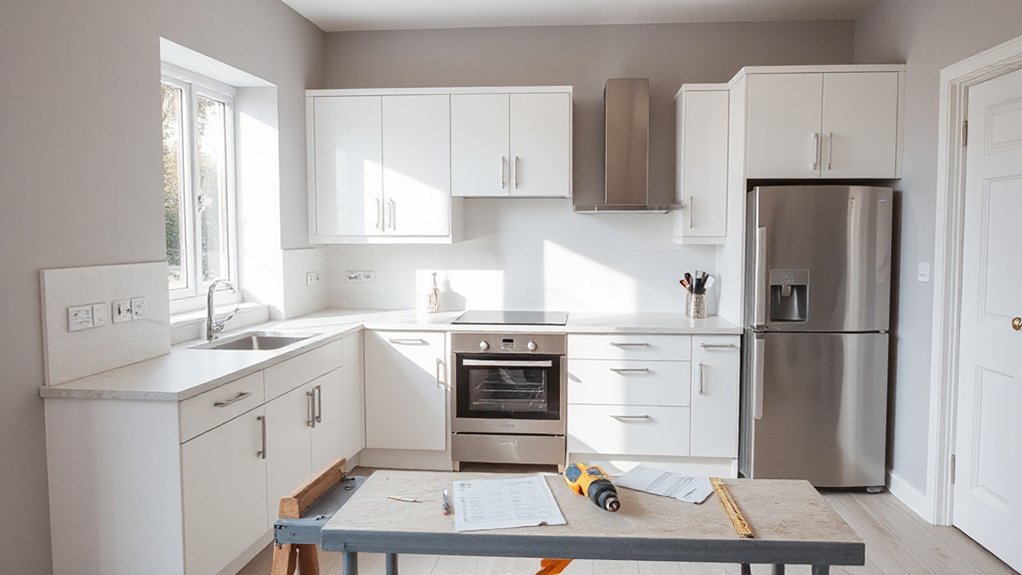
Set a clear budget upfront by itemizing essentials (cabinetry, appliances, plumbing) and non-essentials, so you know what you can stretch or trim. Obtain at least three detailed quotations and map in contractor fees, project management, and delivery/installation costs to avoid surprise charges. Build a contingency plan of 10–15% for overruns and align it with a staged upgrade to keep spending controllable.
Budget Allocation Considerations
When budgeting for a UK rental kitchen upgrade, start by defining the scope and setting a practical ceiling based on what tenants expect and what the landlord is willing to invest. You’ll allocate funds by prioritizing essentials, then assess optional enhancements that add value without overspending.
- Budget prioritization: separate must-haves from nice-to-haves to guide decisions and avoid scope creep.
- Cost effective upgrades: choose durable, low-maintenance materials and energy-efficient fixtures that reduce long-term costs.
- Contingency planning: reserve a small percentage for surprises, ensuring you don’t derail the project mid‑stream.
This approach keeps the project focused, predictable, and aligned with tenant needs, while maximizing return on investment and minimizing downtime.
Quotation and Contractor Fees
A clear quotation and a realistic contractor fee plan are essential to keep the kitchen upgrade on budget and on schedule. You should obtain formal bids from at least three reputable firms, detailing labour, materials, delivery, and disposal costs. Verify whether VAT is included and ask about potential price escalations for fixtures or timing. Compare line items for labour rates, hourly allowances, and markups on appliances, fittings, and tiles. Align contractor timelines with your tenant move-in date and set milestone payments to match progress. When evaluating bids, assess not just price but reliability, warranties, and aftercare. In budgeting, consider kitchen aesthetics and Appliance selection costs together, ensuring chosen fixtures fit the budget while delivering durability and ease of maintenance for rental use.
Contingency Planning Tactics
Contingency planning matters just as much as the initial estimate, because a rental kitchen upgrade almost always encounters scope changes, supplier delays, or unforeseen site challenges. You should build a contingency reserve into your budget—for example, 10–15% for unexpected costs—so you don’t derail the project if prices shift or work expands. Track potential shortfalls by line-item risk, such as plumbing tweaks or appliance upgrades, and set trigger points to reallocate funds. Maintain clear supplier communication to minimise unexpected delays, and document all changes to avoid budget creep. Contingency planning also means documenting decisions and keeping a transparent approval trail, so you can justify costs to tenants and investors.
- Establish a 10–15% contingency reserve
- Monitor supplier issues and unexpected delays proactively
- Document all changes with clear approvals
Plan Your Key Choices: Units, Worktops, and Compliance
Choosing the right units, worktops, and compliance steps sets the foundation for a smooth rental kitchen install. You’ll map space first, measuring widths, door swings, and access paths to avoid clashes with utilities. Select modular units that fit your floor plan, prioritising robust carcasses and easy installation. For worktops, balance budget with durability—laminate for cost‑effective refreshes or solid surface for higher wear areas and easier repair. Compliance means confirming building regulations, gas and electrical safety checks, and CE‑marked appliances. Create a simple spec sheet: unit sizes, finish, edge profiles, and tolerances. Include appliance selection early, noting power needs and ventilation compatibility. Finally, document delivery timelines and storage constraints, so trades can coordinate. This clarity minimizes revisions and keeps you on schedule.
Choose Durable, Compliant Fittings for UK Rentals
When you pick fittings for a UK rental, durability and compliance go hand in hand. You want components that withstand daily use, meet safety standards, and minimize repairs. Check EN or UK-specific certifications, easy-to-clean surfaces, and robust fixings to handle tenancy wear. Consider appliance warranties and service access when selecting integrated units, so you’re covered for repairs without delaying handover. Stay mindful of design trends, but prioritize timeless finishes that resist scuffs and fingerprints, reducing replacement needs over time. Guarantee electrical and plumbing fittings are RCD-protected and compliant with current regulations. Budget for future maintenance by choosing corrosion-resistant hardware and replaceable parts.
- Prioritize appliance warranties and service access
- Choose durable, easy-clean surfaces aligned with design trends
- Verify safety certifications and regulatory compliance
Manage the Timeline: Plan to Handover
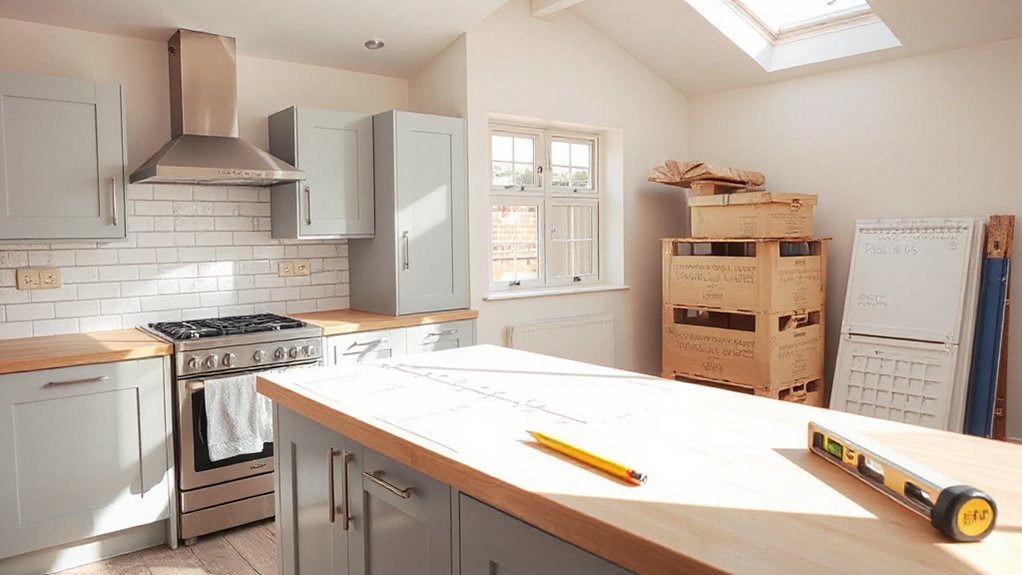
To hand over a UK rental smoothly, you’ll map out a realistic timeline that aligns with procurement, installation, inspections, and any snagging. Begin with a clear start and finish date, then set milestone goals for order placement, delivery windows, and trades access. Build in buffer for delays and holiday gaps, especially for appliance upgrades. Coordinate trades to minimize overlap and avoid clutter, leaving operational space for safety checks. Schedule interim inspections after major milestones to catch issues early, not at handover. Track dependencies—permit lead times, kitchen aesthetics decisions, and delivery confirmations—and adjust the plan as required. Communicate changes promptly to tenants and contractors. A well-timed handover reduces surprises, supports smooth occupancy, and reinforces professional credibility.
Documentation to Protect You: Permits, Photos, Inventories, Warranties
After mapping the timeline for handing over a UK rental, you’ll want solid records to back every step. Documentation protects you and supports tenant satisfaction and resale value by proving work, costs, and compliance. Use permits to confirm approvals are current, photos to document condition before and after, inventories to track included fittings, and warranties for future repairs. Keep a dated file for each kitchen item, from major units to minor fittings, and store digital copies alongside originals. Regularly update the log after installations, upgrades, or inspections. Share the records with tenants at handover and keep backups for yourself. Precise documentation reduces disputes, streamlines maintenance, and reinforces a professional, trustworthy landlord image.
- Permits, photos, inventories, warranties: organize and store
- Update logs after every major change
- Share records at handover to boost tenant satisfaction and resale value
Common Pitfalls to Avoid in a Kitchen Upgrade
Starting a kitchen upgrade without a clear plan invites costly overruns and delays. You’ll want a phased approach: define scope first, then spec finishes, fittings, and appliances. Common pitfall 1: mismatched kitchen decor with your existing property style; align doors, handles, and worktops to avoid costly refits later. Pitfall 2: underestimating cabinet sizes or clearance; measure doorways, appliance widths, and traffic flow to prevent installation hold-ups. Pitfall 3: neglecting ventilation, lighting, and power outlets; plan task lighting for work zones and ensure adequate socket provision for appliance upgrades. Pitfall 4: choosing non-compliant appliances or ignoring rental safety rules; verify warranties, energy efficiency, and servicing requirements. Finally, don’t rush disposal or delivery windows—stagger deliveries to protect access and reduce tenant disruption.
Frequently Asked Questions
What if the Tenancy Ends Before Completion of the Kitchen Upgrade?
If the tenancy ends early, you pause work and protect materials; claim back costs from the tenant’s deposit as agreed. Make sure you secure Kitchen design plans and renovation permits for future reference and compliance, minimizing liability.
Can Tenants Install Appliances Without Landlord Consent?
Like a tight rope walk, you should not install appliances without landlord consent. You may propose appliance installation as Tenant modifications, but obtaining written approval is essential to avoid breach or eviction risk. Always document agreements and timelines.
Are There Smoke and Fire Safety Requirements for New Kitchens?
Yes, you must have fire safety in new kitchens. Install a working fire alarm and proper smoke detection, guarantee clear escape routes, and follow local regs; test alarms regularly and replace batteries, detectors after renovations, documenting compliance.
Who Bears Cost if Residents Cause Damage During Install?
Symbolically, you determine the forked path: tenant liability. You’re responsible for damage caused during install; landlord covers normal wear. In concrete terms, you bear damage responsibility for negligence, while legitimate accidental damage falls under landlord insurance or repairs.
Do Planning Permissions Apply to Internal Kitchen Refurbishments?
Yes, planning permissions usually don’t apply to internal refurbishments, but you must comply with building regulations for safety, ventilation, and fire separation when altering the internal layout. Check exemptions and notify your local planning authority if unsure.
Conclusion
So, you’ve checked your tenancy, lined up consent, and drafted a clear budget with milestones. You’ve chosen durable, compliant fittings, scheduled a tenant-friendly handover, and gathered permits, photos, and warranties. Will your vigilant planning protect your asset and keep tenants happy as the project unfolds? Keep documenting every step, stay on time, and seize contingency funds. With practical checks and solid communication, you’ll deliver a kitchen that adds value and minimizes disruption.