
Did you know that around 70% of UK period homes still have single glazing in places where modern standards would demand an upgrade? Replacing it isn’t just about warmth; you must weigh heritage value, fabric compatibility, and planning rules. You’ll want a plan that protects character while improving comfort, so consider options like slim-profile or secondary glazing, and secure professional guidance to balance energy gains with authenticity. Let’s explore what matters most for your home.
What Single Glazing Is and Why It’s Common in Period Homes
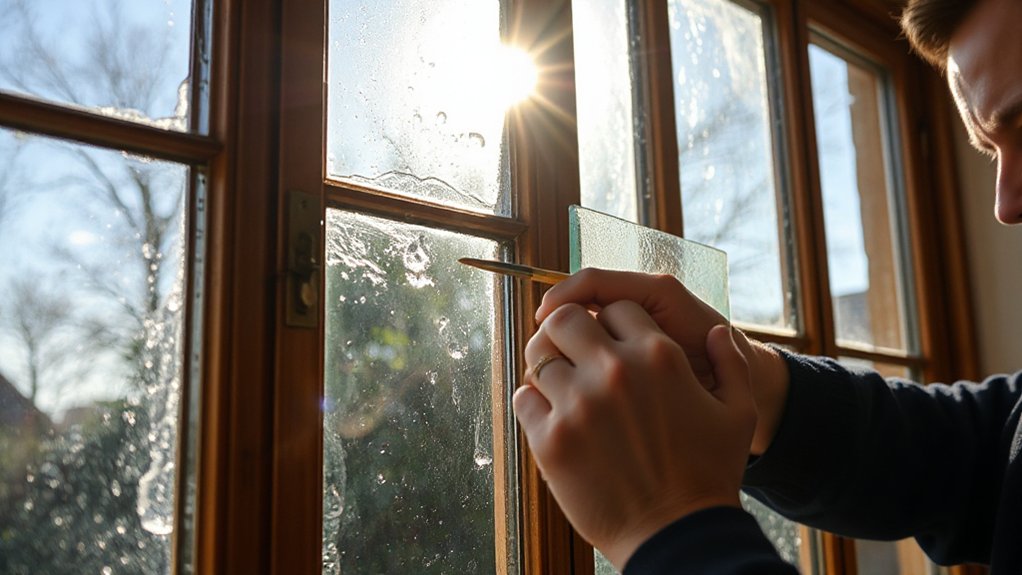
Single glazing refers to a single pane of glass in a window, as opposed to modern double or triple glazing. You’ll find it in many period homes because it reflects historical construction practices and the original intent of passive cooling and ventilation. In terms of historical accuracy, single glazing preserves authentic appearance, glass characteristics, and sash movement, helping you maintain the property’s character. Its thin profile means less weight on frames, but it also offers limited insulation and sound dampening compared with later designs. When you consider replacements, assess material compatibility with existing sashes, mortises, and lintels to avoid structural strain. You’ll want solutions that respect era-specific detailing while improving performance. Prioritize respectful, well-supported decisions that honor both function and the building’s heritage.
Assessing Your Home: Character, Fabric, and Planning Constraints
You’ll assess how your home’s character informs glazing choices, balancing historic features with practical updates. Consider fabric integrity—will existing sills, lintels, and frames support modern replacements without damage or compromise? Stay aware of planning constraints that may restrict alterations to original detailing or materials.
Character Preservation Considerations
Character preservation matters because the fabric of a period home isn’t just its external appearance—it defines how the building performs and ages. You’ll assess character by distinguishing historic features from later alterations, spotting which elements contribute to its essence. Prioritize historical authenticity in decisions, balancing original drafts, glazing, and framing with modern safety and efficiency needs. Consider planning constraints that protect sash patterns, mouldings, and spatial rhythm, and anticipate how changes affect the building’s provenance and viewing authority. Aesthetic preservation means you’ll preserve key aesthetic cues while allowing careful, unobtrusive upgrades. Document your choices, consult local guidelines, and seek professional input to avoid compromising the property’s storytelling. Value consistency across periods, so improvements feel earned and true to the home’s character.
Fabric Integrity Implications
Fabric integrity hinges on how glazing choices affect structural and material performance: degrading frames, altered ventilation, and thermal bridges can compromise sash health and overall longevity. You assess how replacement glazing interacts with existing timber or metal frames, looking for signs of movement, cracks, or swelling that signal stress from thermal expansion. Misjudging compatibility may precipitate warping, joint failure, or premature seal degradation, reducing energy efficiency and increasing condensation risks. Consider material compatibility between old sashes and new panes, ensuring finishes, fasteners, and glazing beads accommodate movement without pinching or loosening. Examine glazing bars for load distribution changes and the potential need for reinforcement. By aligning material properties with the building’s age and construction methods, you preserve fabric integrity while maintaining function and moisture control.
Planning Constraint Awareness
Planning constraints shape every glazing decision, and recognizing them early helps you avoid costly missteps or approvals delays. In this phase, you assess your home’s Historic aesthetics and how they interact with Building regulations. Start by identifying listed status, conservation area protections, or local planning guidance that govern alterations to windows, glazing bars, and materials. You’ll want to map a route that preserves significant external appearance while improving energy performance. Consult planning authorities or your conservation officer to understand approved methods, permissible changes, and required surveys. Consider neighbors’ impact and the long-term consequences for consent timelines. Document your approach with clear rationales for chosen substitutions, ensuring you can justify why historic features remain legible. Aim for a compliant, sympathetic solution that respects fabric integrity.
Choose the Right Option: Double Glazing, Secondary Glazing, or Alternatives
You’ll weigh double glazing’s viability against secondary glazing and other alternatives, focusing on energy performance, aesthetics, and preservation constraints. Consider how each option impacts historic fabric, ventilation, and future flexibility before deciding what fits your property. This discussion sets the frame for practical comparisons of viability and alternative solutions.
Double Glazing Viability
When choosing between double glazing, secondary glazing, or alternatives for UK period properties, start by evaluating the property’s character, energy needs, and budget. Double glazing can improve insulation, but its viability depends on frame condition, architrave integrity, and whether the configuration preserves historic authenticity. If the original sashes or casements limit replacement options, consider high-performance, slim-profile units that minimize visual impact. Assess glazing depth, spacer width, and color compatibility with existing joinery to maintain aesthetic compatibility. Sound reduction also matters, especially in busy streets, so verify that gas-filled panes meet your comfort goals without compromising historic details. In some cases, retrofits or select glazing upgrades offer meaningful energy gains while honoring architectural integrity. Always document compatibility with regulatory requirements and conservation guidelines.
Alternative Solutions Assessments
Weigh your options for glazing by balancing performance, heritage, and cost, and choose the solution that best preserves the building’s character while delivering meaningful comfort gains. When considering alternatives, consider how each option aligns with your property’s fabric, local planning norms, and long-term maintenance. Double glazing offers thermal gains but may impact aesthetic authenticity; look for units with slim profiles and authentic sash shapes to minimize disruption. Secondary glazing can be less invasive and retrofit-friendly, yet might slightly affect room proportions. Alternatives, such as innovative materials or low-emissivity films, can deliver performance without altering exterior massing. Prioritize aesthetic integration with period detailing, glazing bars, and frame finishes. Evaluate cost, installation disruption, and future adaptability to ensure sustained comfort without compromising historical value.
What to Expect: Energy, Sound, and Comfort Gains From Modern Glazing
Modern glazing changes the baseline for comfort in period homes: you’ll notice steadier indoor temperatures, reduced drafts, and quieter rooms, even before factoring in the energy savings.
You’ll also experience better sound insulation and more consistent heat distribution, which reduces cold spots and overheating during sunny days. Modern glazing can lower heat loss, supporting smaller, steadier bills without compromising daylight or room proportions. Keep in mind that choosing finishes and frame details matters for window aesthetics and historical authenticity, so look for products that respect period charm while delivering performance. The result is a more comfortable home that still reads as authentic to visitors.
- Improved thermal comfort with minimal draughts
- Enhanced sound dampening and steadier temperatures
- Respectful integration of modern performance with period aesthetics
Permissions, Installers, and Responsible Sourcing
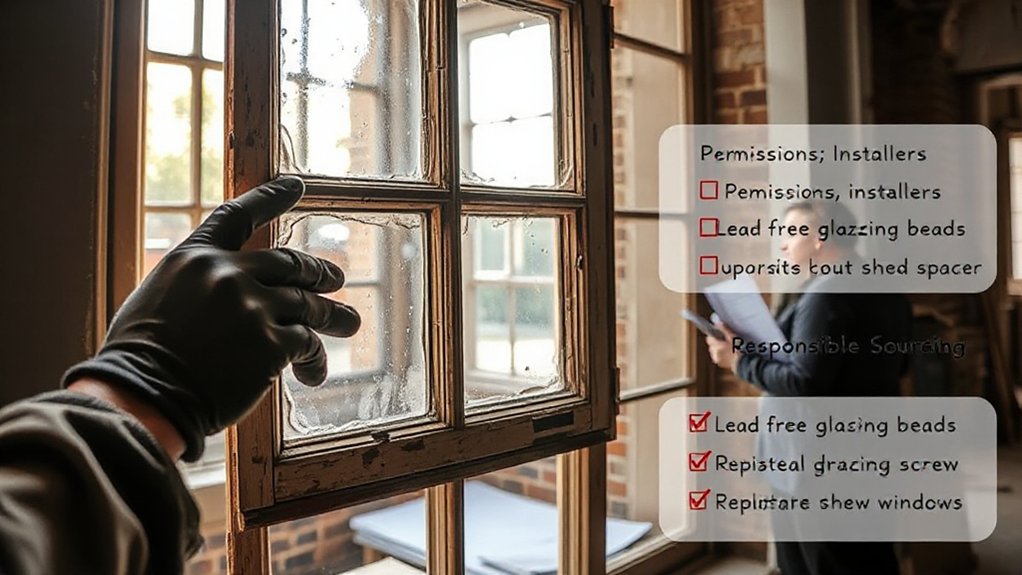
Before you begin replacing single glazing, you’ll need to navigate permissions, find reputable installers, and confirm responsible sourcing. In historic properties, permissions may hinge on conservation rules or listed-status constraints, so check with local planning and your conservation officer before scheduling any work. Choose installers experienced with period detail, sash windows, and traditional glazing methods; verify credentials, references, and insurance, and insist on transparent timelines and waste handling. Responsible sourcing means sourcing materials with low embodied energy, compliant with environmental and ethical standards, and respecting local craftsmanship traditions. Be mindful of historical authenticity: avoid micro-replicas that compromise character. Also anticipate maintenance challenges—timber frames require proper detailing, plaster reveals, and seasonal care to prevent fit issues after glass replacement. Document decisions for future stewardship and compliance.
A Practical Decision Framework for Tudor to Victorian Homes
A practical decision framework for Tudor to Victorian homes centers on balancing historical integrity with modern performance. You’ll assess where historic aesthetics matter most, and where you can leverage modern technology without erasing character. Prioritize glazing options that respect period features while delivering energy benefits, such as improved seals and low-emissivity coatings. Consider long-term maintenance, durability, and the home’s climate, then align choices with local requirements and your budget. Document decisions to support future renovations and potential heritage approvals. Seek installers who understand both craft and conservation needs to minimize irreversible changes. Communicate transparently with tenants or stakeholders about expected comfort, costs, and timelines.
- Align choices with Historic aesthetics and energy goals from the outset
- Weigh Modern technology against preservation priorities for each opening
- Plan a phased approach to balance cost, performance, and impact
Frequently Asked Questions
Do I Need Planning Permission for Replacing Single Glazing?
You probably don’t need planning permission for replacing single glazing, but you must respect glazing materials, match historical accuracy, and follow local conservation rules; check with your council, as requirements vary and permissions can protect historic features.
Will Double Glazing Affect My Property’s Listing or AOC Status?
Double glazing can boost energy efficiency and may affect listing or AOC status, but it often isn’t automatic—consult planning guidance. About 35% of period properties see improved comfort with modern glazing; prioritize historic preservation considerations during decision-making.
How Long Does Installation Typically Take in Period Homes?
Installing in period homes typically takes a few days to a week, depending on scope; you’ll prioritize window insulation and carefully select glazing materials to respect character while ensuring proper seals and moisture management.
Can Modern Glazing Be Reversed or Removed Easily?
Sure—you can’t flip a switch, but you can reverse some modern glazing, though reversibility concerns linger. Glass removal is feasible in many cases, yet the process may affect historic features and insulation, so assess first.
What Are Cost Ranges for Tudor to Victorian Homes?
You’ll typically spend £10,000–£25,000 for Tudor to Victorian homes, depending on sashes, glazing bars, and existing frames. You weigh Historical accuracy against Preservation challenges, balancing costs with safeguards to maintain period features and long-term structural integrity.
Conclusion
You’ll save the planet and your sanity, all at once, by upgrading with care. If you balance character, fabric, and planning rules like a seasoned curator, your home’s soul stays intact while your bills shrink. Choose slim-profile or secondary glazing that fits Tudor to Victorian quirks, and hire trusted installers who respect heritage. Document every choice, obsess for authenticity, and enjoy quieter, warmer rooms without sacrificing story—because responsible modernization can be legendary, not reckless. Your period home finally meets the future.